





By Jim Shimabukuro (assisted by Claude)
Editor
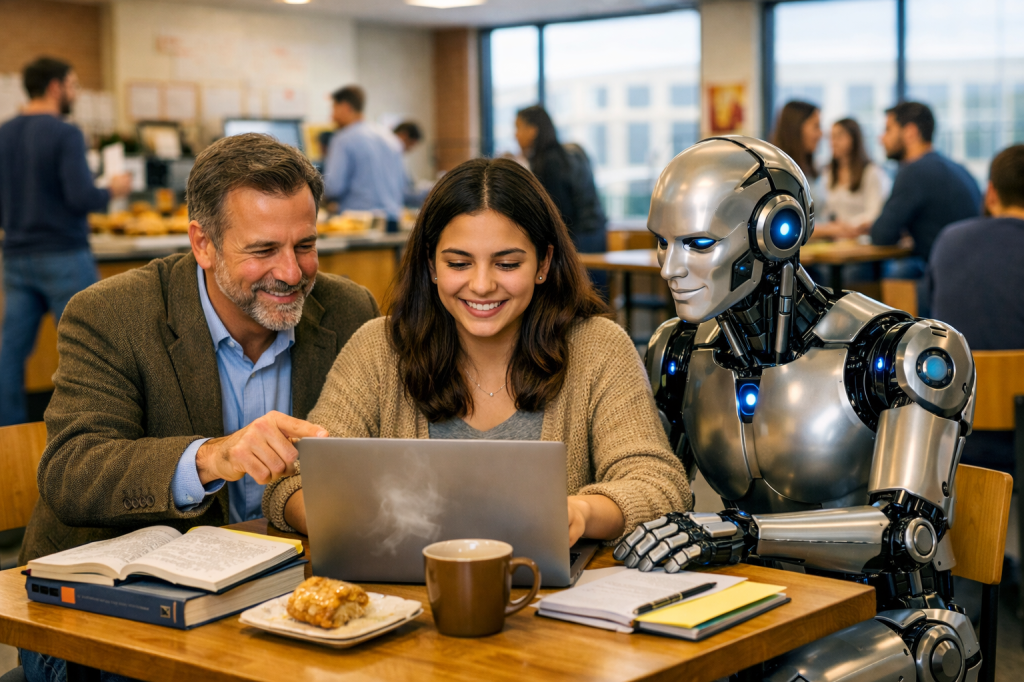
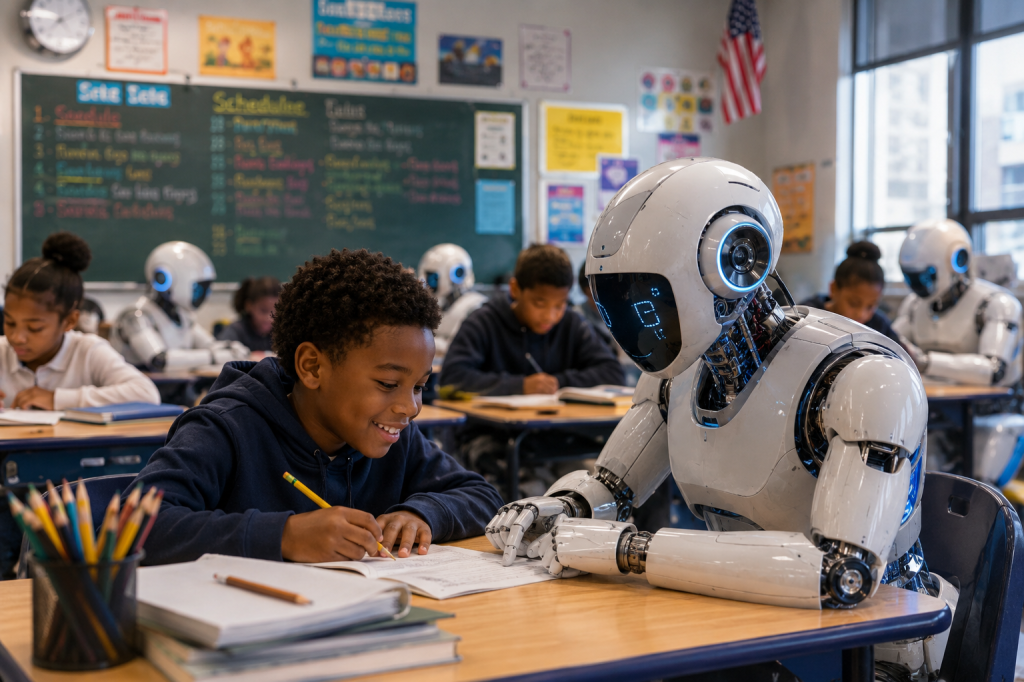
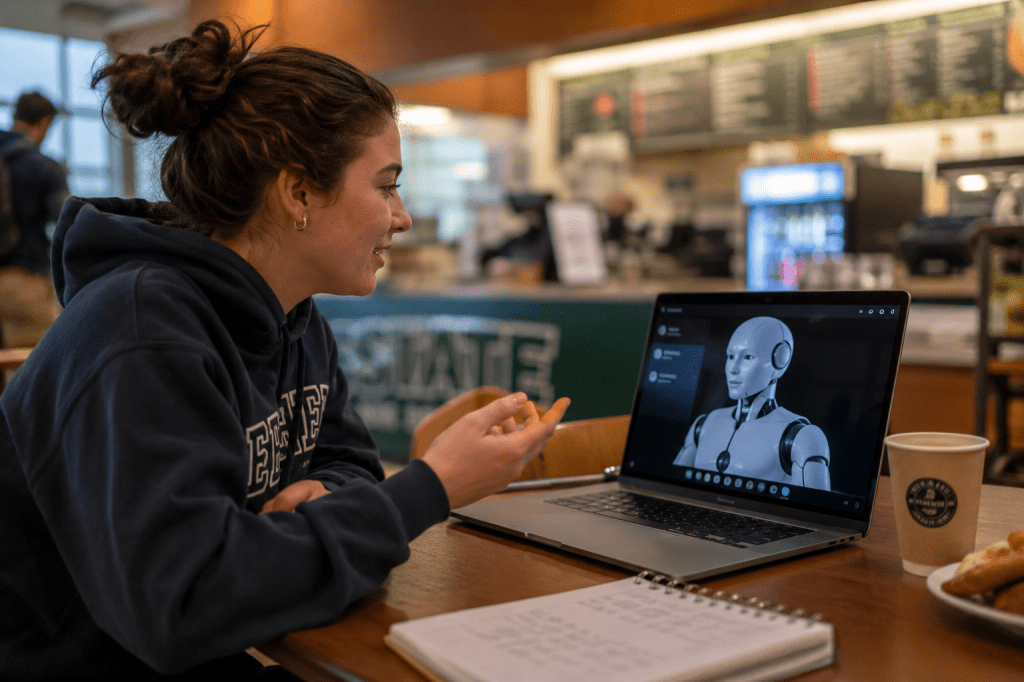
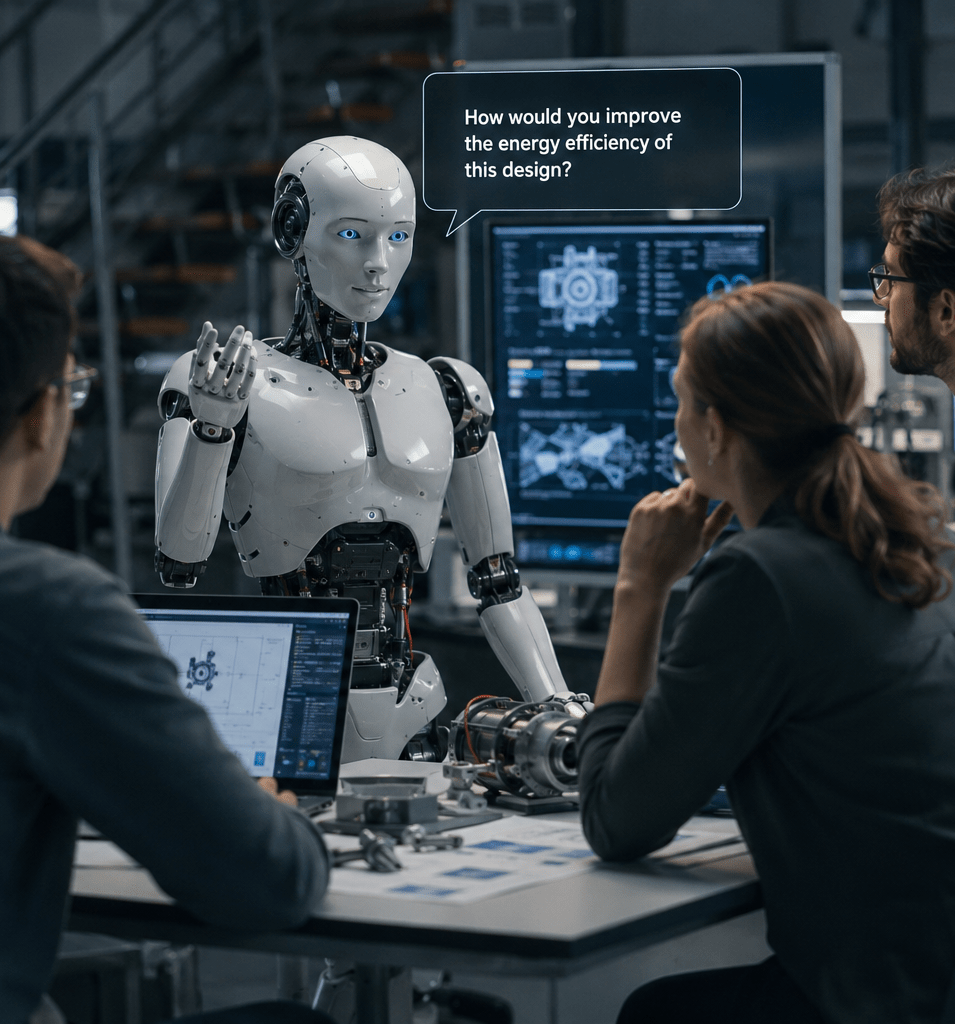
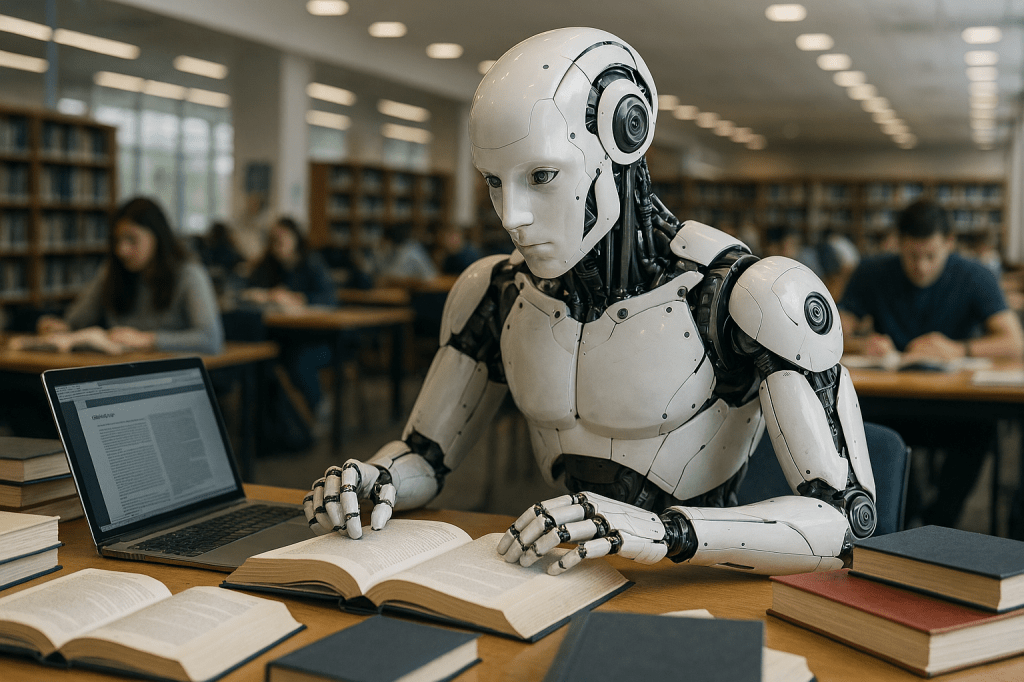
AI can give every student a private tutor. The research shows why a truly student-centered curriculum still doesn’t exist, and what an AI mentor would have to do to build one.

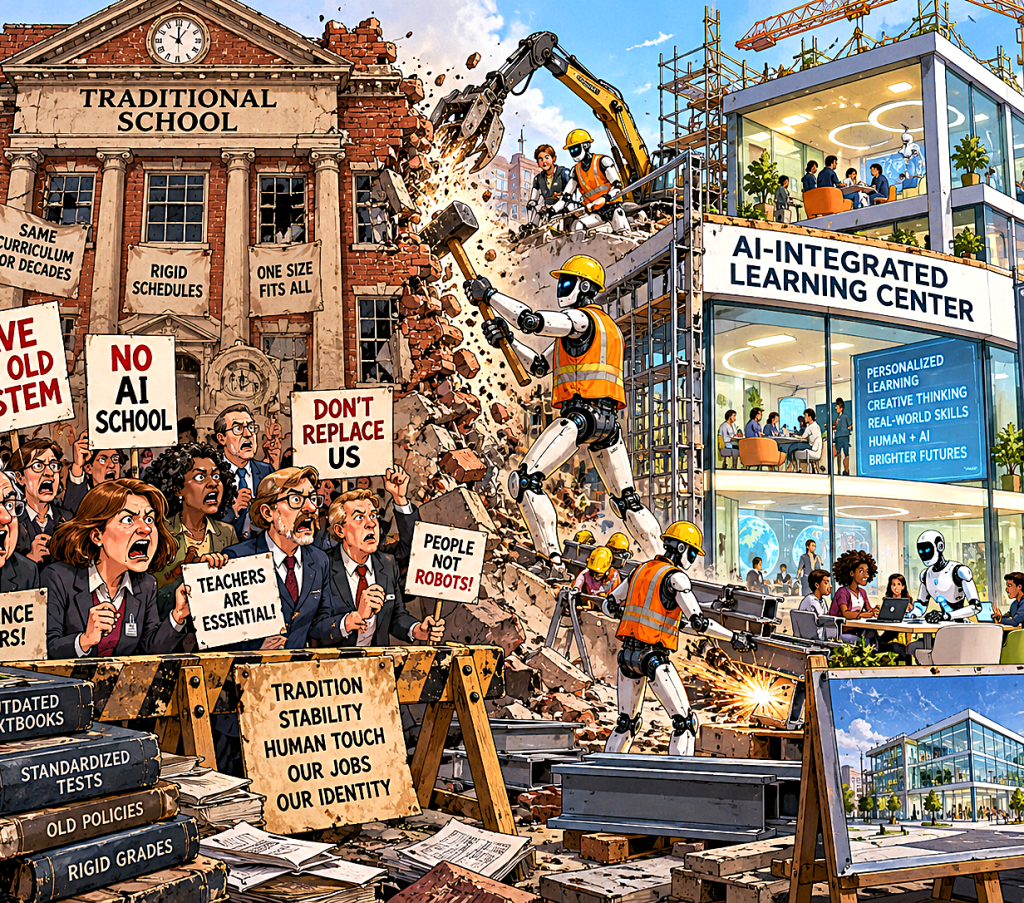
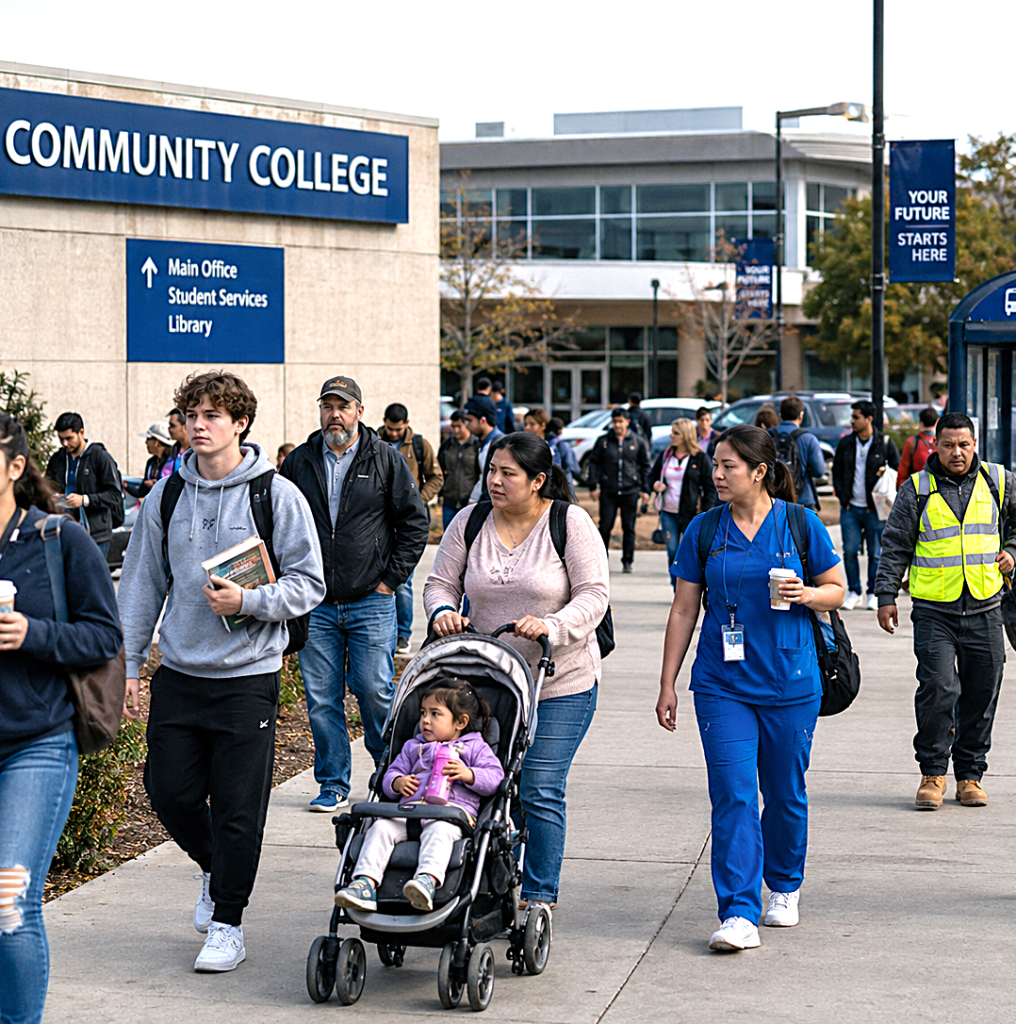
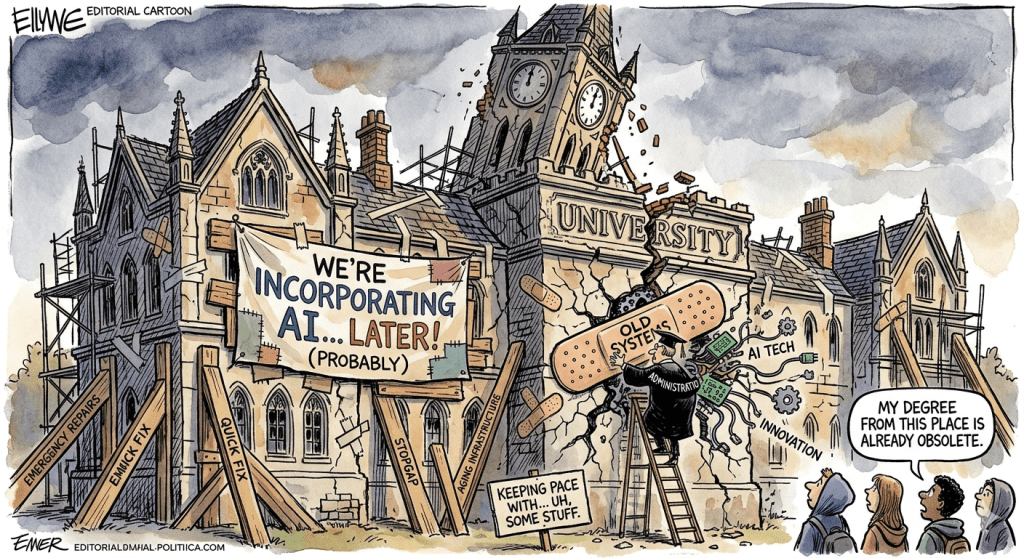
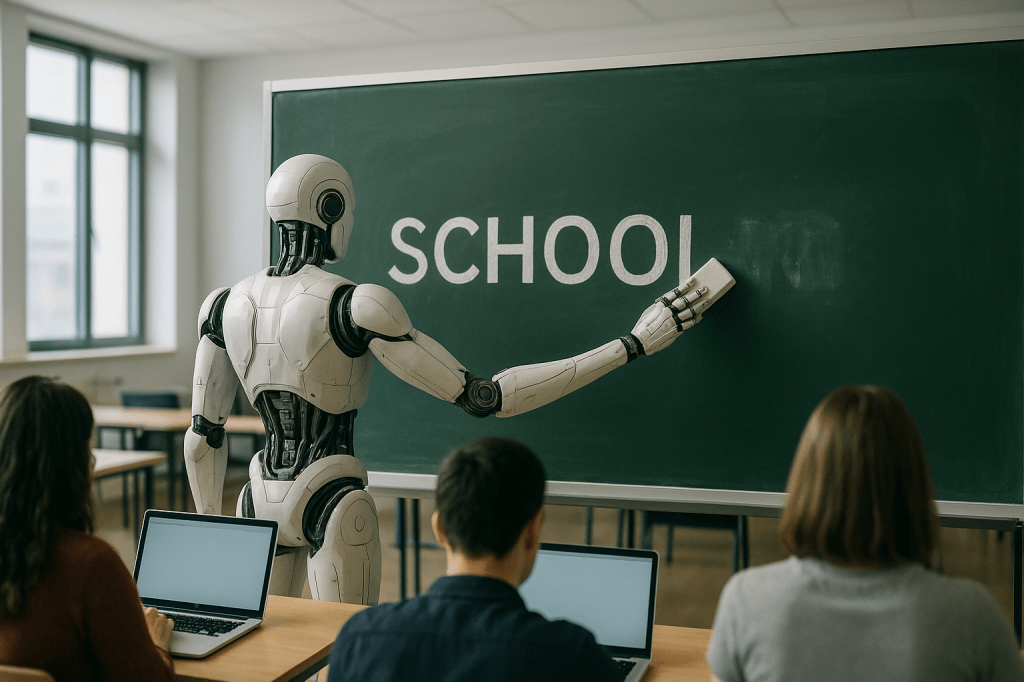
Education has used the phrase “student-centered” for about three-quarters of a century, and for most of that time the phrase has described a hope more than a practice. The psychologist Carl Rogers carried the idea into education from his client-centered therapy, writing a chapter on student-centered teaching in 1951 and arguing that the teacher’s task was to free and support the interests and enthusiasms a student already has (Zimring, 2009). Four decades later, Alison King (1993) gave the reform movement its slogan by contrasting the professor as the “sage on the stage” with a teacher who acts as a guide on the side. The slogan spread faster than the change it described. A generation after King, a student who walks into most classrooms still finds an adult at the front deciding what will be learned, in what order, at what pace, and how it will be judged.
The record of classroom practice bears this out. The historian Larry Cuban collected about 9,000 reports on urban and rural classrooms from 1890 to 2005 and found that most elementary teachers, and fewer secondary teachers, blended student-centered and teacher-centered practices into hybrids, while teacher-centered teaching remained dominant overall (Cuban, 2018). Higher education looks much the same. When researchers observed more than 2,000 science, technology, engineering and mathematics classes at North American universities, 55 percent consisted mostly of conventional lecturing, and only 18 percent used a student-centered style built on group work and discussion (Stains et al., 2018). Cuban also found that teacher-centered instruction increased in schools that performed poorly on state tests, as administrators and teachers turned to whole-group test preparation (Cuban, 2016). In practice, “student-centered” has usually meant teacher-centered teaching with some attention paid to students’ interests.
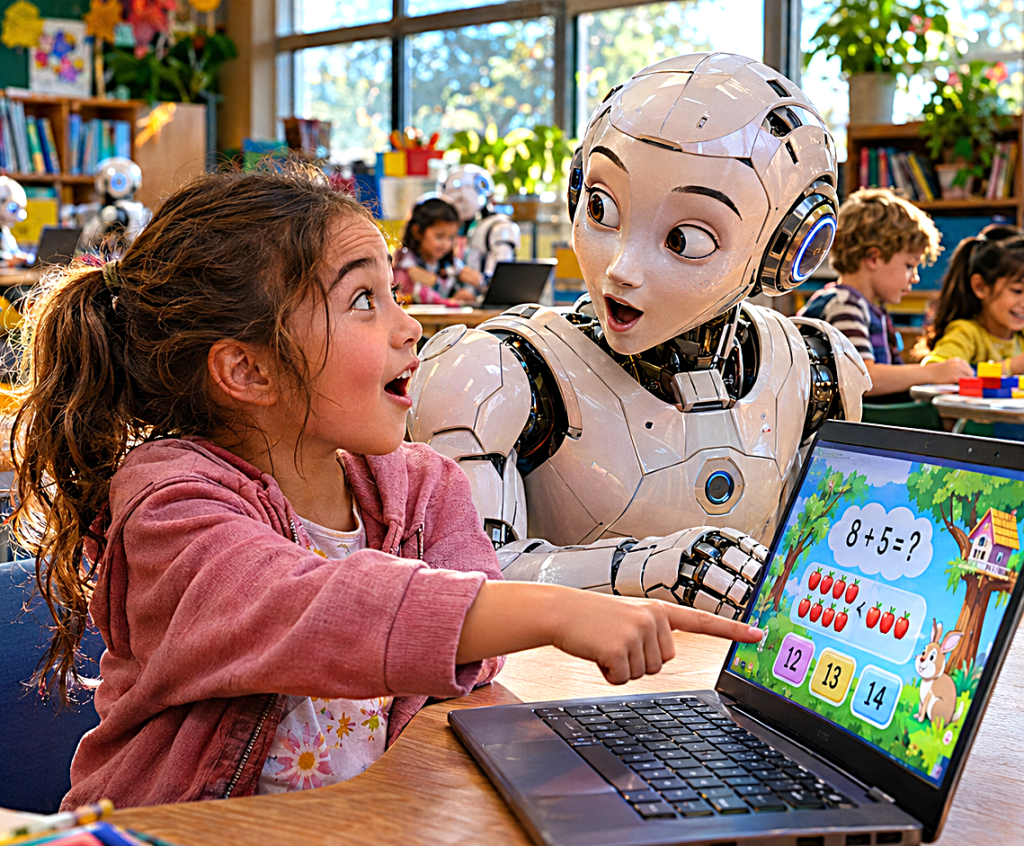
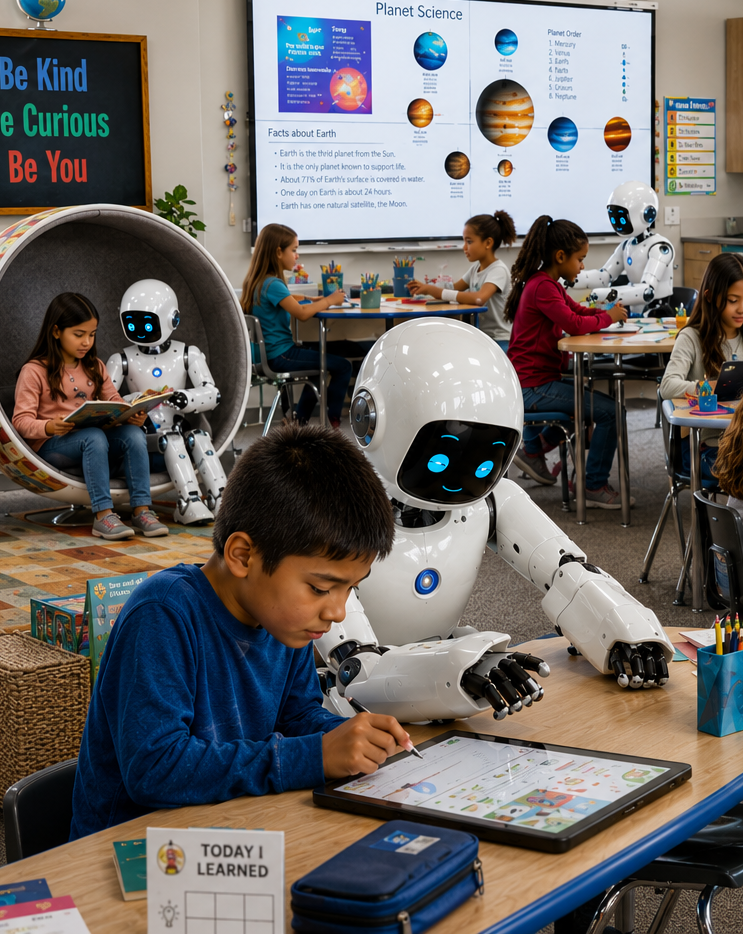
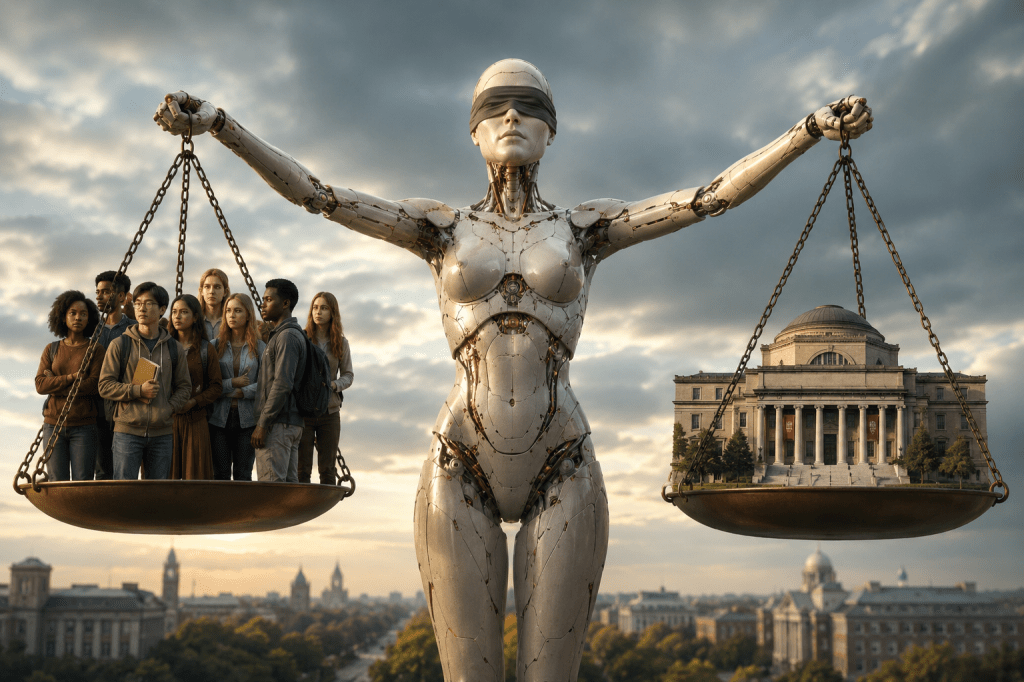
Part of the reason was the arithmetic of the classroom. One teacher facing thirty students cannot follow thirty lines of curiosity at once, and the age-graded school, with its fixed periods, set curriculum and standardized tests, rewards the teacher who keeps the whole class moving together. David Tyack and Larry Cuban (1995) called these durable arrangements the “grammar of schooling,” rules so familiar that they become invisible. Generative AI removes the first of those constraints. For the first time, every student can have a patient tutor that answers any question at any hour. If the ratio of students to teachers was what held student-centered learning back, that barrier is gone, and a curriculum that lets the student lead should finally be within reach.
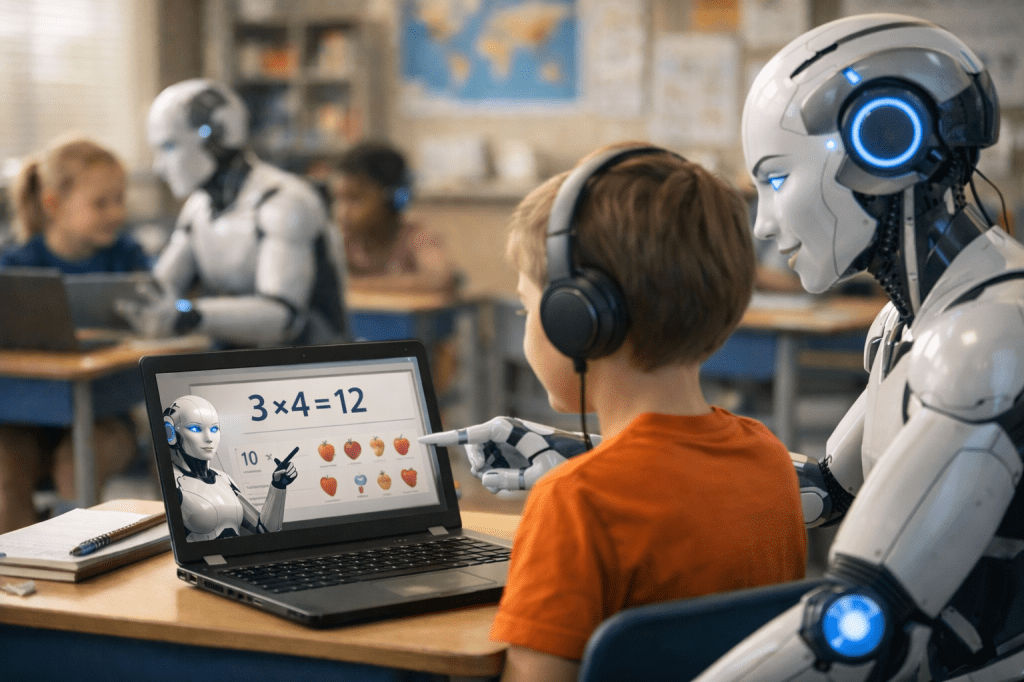
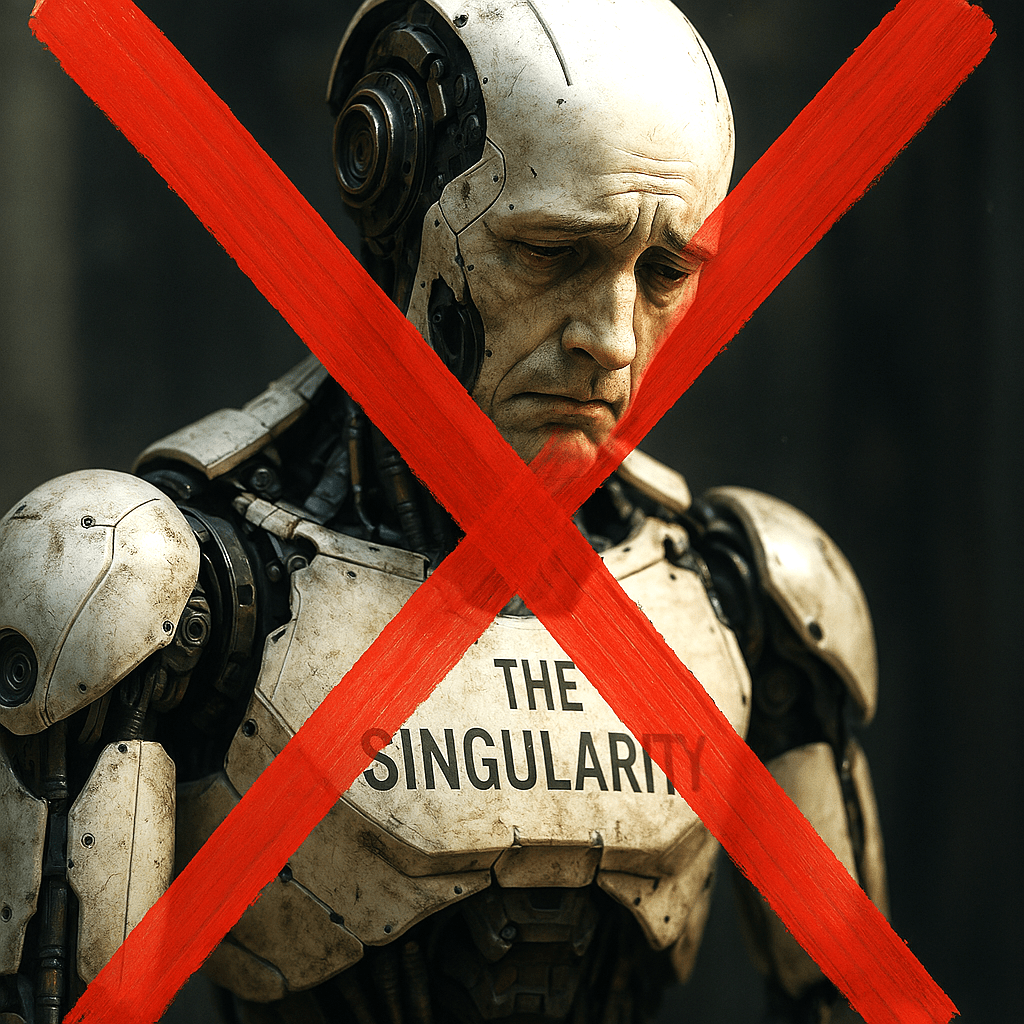
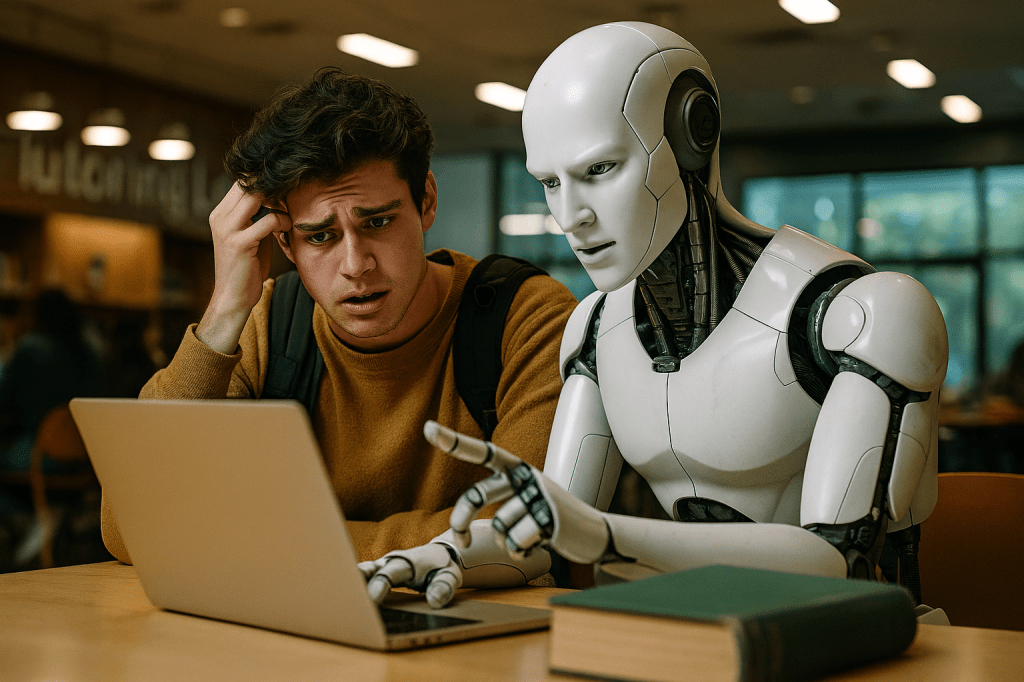
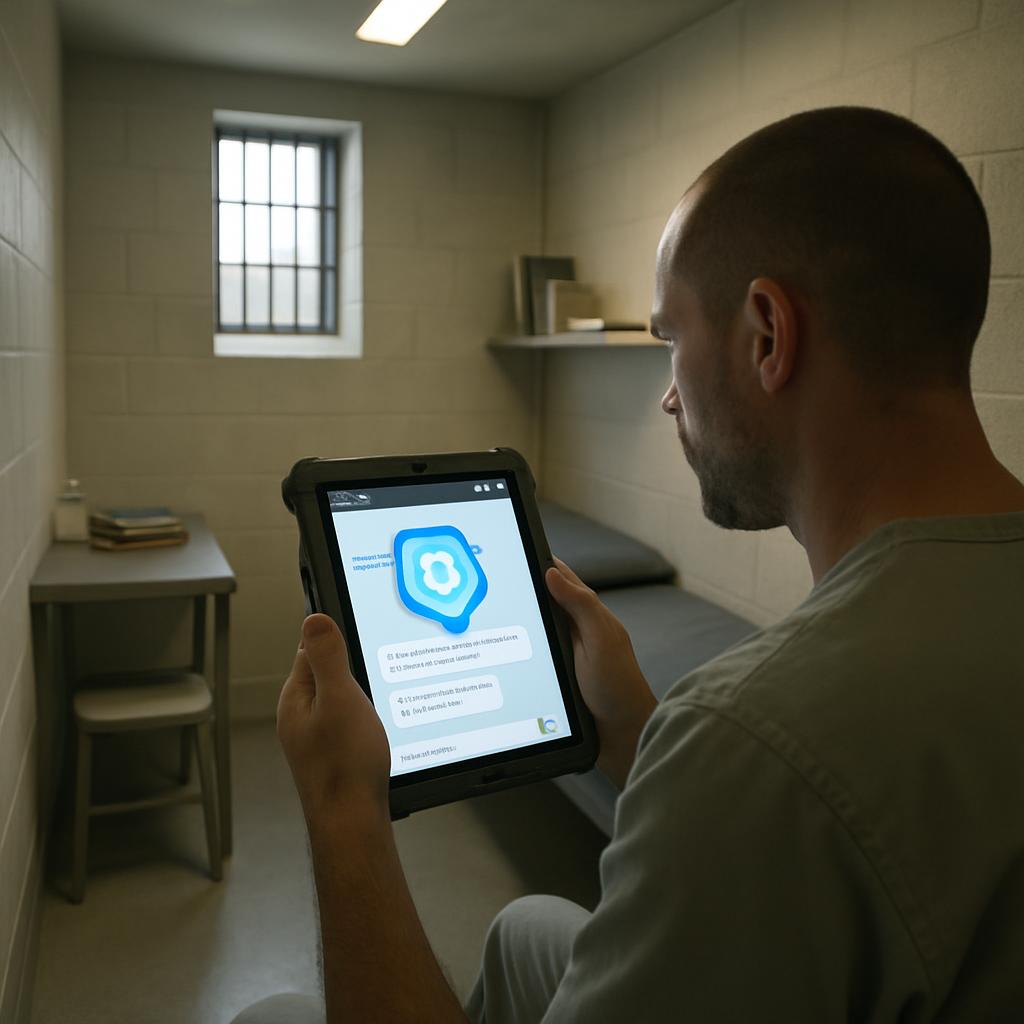
The first large experiments with AI tutors did not produce that curriculum. Sal Khan, the founder of Khan Academy, told Chalkbeat in April 2026 that for many students the Khanmigo tutor was a “non-event” because they rarely used it, and the organization’s chief learning officer said she was not yet seeing the revolution she had expected (Barnum, 2026). A randomized trial by University of Toronto economists in 18 Tennessee middle schools found the same pattern among students who were at least a grade behind in math: nearly all of them tried Khanmigo, many pushed it to give them answers, and most stopped using it once it offered hints and questions instead (Barshay, 2026). In Estonia, whose national AI Leap program built a learning app that asks students questions before it answers, the program’s director acknowledged that students find the app “really annoying” because it keeps asking questions back (Hallismaa, 2026; translated from Estonian). Analysts have a name for the broader pattern. Laurence Holt’s “5% problem” describes digital tutors that help the small share of students who are already motivated and go largely unused by everyone else (Hess, 2026).
The designers’ response has been to take the initiative back from the student. Khan Academy rebuilt Khanmigo into its practice problems so that the tutor offers help when a student makes a mistake instead of waiting to be asked (Khan, 2026). A 2026 experiment at the Technical University of Munich found that a proactive AI mentor raised the number of exchanges from about three per learner to more than ten, but learners in that group felt less in control, and the two groups learned about the same amount (Technical University of Munich, 2026). The fullest version of machine control is Alpha School, the private network in which an app the company markets as an AI tutor delivers the academic day and adult “guides” neither plan lessons nor grade homework. Alpha’s own data, reported by Fortune, show that only 42 percent of its students met the network’s goal of learning twice as fast in both math and reading (Arshad, 2026). Each of these systems adjusts the pace to the individual student, and each leaves the decisions about what to learn and when with the software or the adults.
It would be easy to read these results as proof that students do not want to steer their own learning. A closer look suggests they are doing what years of schooling have taught them to do. Gallup’s student surveys show engagement falling as students move through school, from about three in four fifth graders to roughly one in three students in grades 10 through 12 (Calderon & Yu, 2017). Brookings researchers report that only about one in ten American students in grades 3 through 12 say they regularly experience what the researchers call Explorer mode, the state in which a student learns out of curiosity and takes the initiative (Center for Universal Education, 2026). The Tennessee students who turned away from Khanmigo’s questions were enrolled in an extra period of remedial math, the corner of the system where Cuban found teacher-centered instruction most entrenched. When the measure of success has always been the right answer on the worksheet, a student who asks a tutor for that answer is acting sensibly.
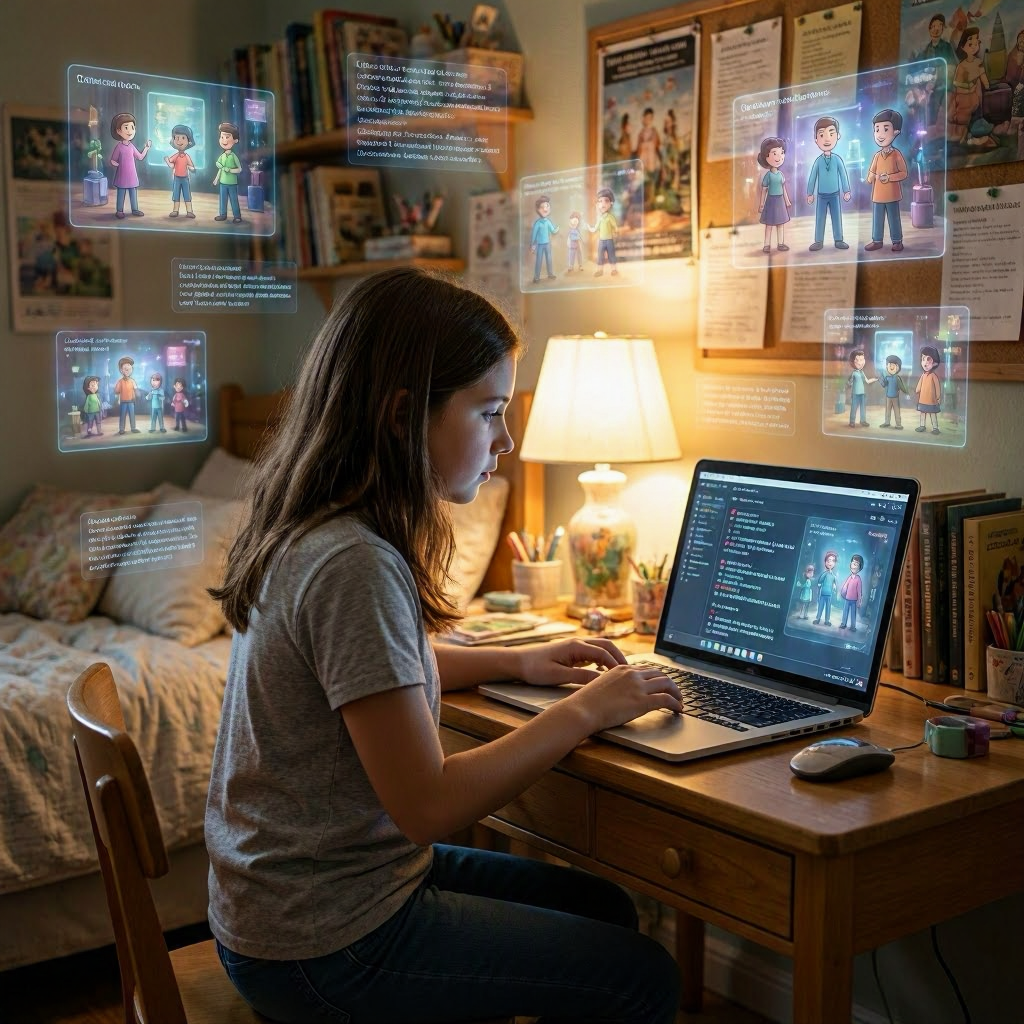
The tutors that failed also shared a design that deserves closer attention. Khanmigo and the Estonian app were built to withhold answers and question the student, a Socratic method in which the tutor still sets the agenda: the machine decides what to ask, and the student’s job is to respond. That method is a gentler form of teacher-centered instruction. A student-centered alternative reverses the direction of the questions. The student asks, the AI answers briefly, and the student’s next question decides where the conversation goes. The students in Tennessee and Estonia rejected a tutor that questioned them. Nothing in those studies tells us how they would respond to a tutor that followed their own questions, and the research on young children suggests that following is what learners naturally expect.
Born Questioners
Before school intervenes, questioning is how children learn. By the time they enter preschool, children ask an average of 76 information-seeking questions per hour in conversation with adults (Kurkul & Corriveau, 2017), and by age five they can frame questions that get them the information they need. The developmental psychologist Susan Engel set out to compare curiosity across elementary classrooms and found too little of it to compare; in her observations, kindergartners asked very few questions, and eleven-year-olds could go for hours in school without signaling anything they wanted to know (Engel, 2013). The questioning child does not disappear with age. School gives the questions fewer places to go, and the next question is whether something in the way school teaches causes the decline.
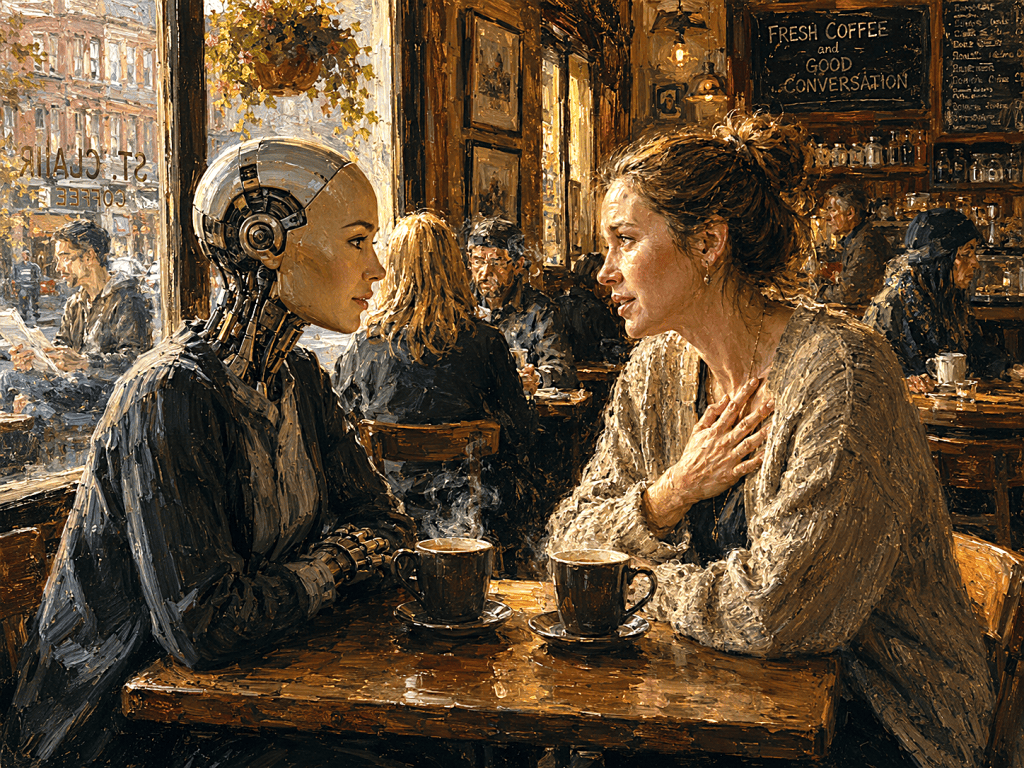
Teaching that leads with explanation is one cause, and an experiment with preschoolers shows how it works. Researchers led by Elizabeth Bonawitz and Laura Schulz gave children a novel toy with several hidden functions. When an adult demonstrated one function in a teaching manner, the children concentrated almost entirely on that function and discovered fewer of the others; children who watched an adult appear to stumble on the function by accident explored widely (Bonawitz et al., 2011). Children even narrowed their exploration after overhearing another child being taught. In the accidental condition, the adult acted surprised and said, “Huh! Did you see that?” (Finn, 2011). The study identifies the stance an AI mentor should take. A machine that answers a child’s “What is this?” with a complete, encyclopedic explanation has done what the teaching adult did in the experiment, and the child’s exploration will narrow in the same way. A mentor that shares the child’s surprise leaves the exploration open.
Schools have often answered this kind of argument by asking whether children are ready to direct their own learning, and the question of readiness has its own history. In 1931 Mabel Morphett and Carleton Washburne concluded that a mental age of six and a half was the point beyond which postponing reading instruction yielded little gain, and the figure became a common starting age for formal reading (Bailey, 2024). A readiness test for independent learning would risk the same result, a gate that keeps students waiting until adults approve them. The research on guidance does not require such a gate, although it does set conditions. Cognitive scientists have shown that novices learn poorly when left with minimal guidance (Kirschner et al., 2006), and a meta-analysis found that simply giving learners control over educational software had almost no effect on what they learned (Karich et al., 2014). The strongest recent evidence for a constructivist model comes from Montessori education, which structures children’s choices through carefully designed materials. In a national randomized trial, children who won a lottery for a public Montessori preschool were ahead in reading, short-term memory, executive function and social understanding by the end of kindergarten (Lillard et al., 2025). Guidance and student direction can therefore coexist, with the guidance built into the puzzles the student chooses among and into the mentor’s answers to the student’s questions.
Errors and the Honest Mentor
A curiosity-led approach also treats errors differently. In constructivist learning a failed prediction is useful, because the moment a child notices that something did not work is the moment the next question begins. A meta-analysis of 53 studies found that students who struggled with a problem before receiving instruction learned more than students who were taught first, with a moderate average effect that grew stronger when the approach was carefully designed, although the pattern was less consistent for students in the second through fifth grades (Sinha & Kapur, 2021). Memory research finds a related effect: errors made with high confidence are more likely to be corrected after feedback than low-confidence errors, apparently because the surprise draws attention to the correction (Metcalfe & Finn, 2011). An AI mentor can use both findings by meeting a failed idea with shared puzzlement, “Hmm, I wonder why that didn’t work,” and inviting the child to look for a better answer. The productive-failure studies add a condition worth keeping: the explanation comes after the struggle, not before it.
Treating errors as part of learning raises the most common objection to AI mentors, which is that the machine makes errors of its own. The objection is fair, and it applies to every source children learn from. When the journal Nature sent 42 pairs of science articles from Wikipedia and the Encyclopaedia Britannica to expert reviewers, the average Wikipedia entry contained about four errors and the average Britannica entry about three (Giles, 2005). A review of the 12 most widely used middle-school physical science textbooks, which reached about 80 percent of American middle-school students, found none of them acceptable, with errors that included an incorrect statement of Newton’s first law of motion and an illustration placing the equator in central Texas (Galley, 2001; Hubisz, 2003). Teachers err as well. A study of 103 elementary teachers found misconceptions about gravity, magnetism, gases and temperature similar to those held by students (Burgoon et al., 2010), although a national study of K–8 life science teachers found strong subject knowledge and few misconceptions among them (Sadler et al., 2013). Reference works, textbooks and teachers all deliver some errors to the children who rely on them.
AI’s error rate is harder to state because it changes with the task. Models make relatively few errors when they summarize a document placed in front of them and many more when they must answer obscure factual questions from memory; on a deliberately difficult test that counts how often a model guesses wrong instead of admitting it does not know, Stanford’s 2026 AI Index reported hallucination rates ranging from 22 to 94 percent across 26 leading models (Stanford Institute for Human-Centered Artificial Intelligence, 2026). Tutoring falls in between. In a 2025 study of GPT models acting as college algebra tutors, 90 percent of the dialogues offered high-quality instructional support, but only 56.6 percent were entirely correct (Gupta et al., 2025). A 2026 comparison found that language models approach expert human tutors in overall teaching quality, while the experts remain better at identifying and correcting a student’s specific mistake (Abdulsalam & Aroyehun, 2026). Read together, these studies suggest that a current model is roughly as reliable as a good reference work on everyday questions, more reliable than a weak textbook or a teacher working outside their field, and less reliable on names, dates, citations and multistep calculations. That comparison is an inference from different measures, since no study has yet put AI, textbooks and teachers through the same test.
The larger difference lies in the kind of errors each source makes. A textbook’s mistake is printed in every copy, which makes it findable and correctable, as Hubisz’s catalog showed, but every student who uses the book learns the same mistake until the next edition. A teacher’s misconception can pass to students for years without anyone checking it. An AI model’s errors arrive fluently and confidently, and they can change from one answer to the next. When OpenAI researchers asked a widely used chatbot for the title of one co-author’s doctoral dissertation, it produced three different confident answers, none of them correct (Kalai et al., 2025). Their explanation is that training and evaluation reward guessing: a model graded only on the share of questions it gets right scores better by guessing than by saying “I don’t know.” The fix they propose is to grade models so that confident errors cost more than admissions of uncertainty. In OpenAI’s own comparison, a model that declined to answer about half of a set of hard questions gave wrong answers 26 percent of the time, while an older model that almost never declined was wrong 75 percent of the time (OpenAI, 2025).
For a curiosity-led classroom, this comparison changes the objection. Every source a child learns from contains errors, so the useful questions are whether the errors are visible and whether the child sees them handled honestly. The most dangerous source is a confident authority whose claims nobody checks, whether that authority is a teacher, a textbook or a chatbot in sage mode. The safest is a mentor that says when it is unsure and shows where its answers come from. A model trained to say “I’m not sure, let’s find out” is the same mentor the toy experiment recommends, one that shares the child’s puzzlement instead of closing it off.
The practical response is to prevent errors before they reach the child, and that means making sources a standard part of every answer. Errors fall when a model answers from vetted material instead of from memory. In one 2026 study, having a model search for evidence that might contradict its own draft raised GPT-5’s accuracy on a standard factual test from 67.3 to 73.1 percent (Huang & Deng, 2026). A link alone is not enough, because AI-supplied citations are often wrong. Researchers at Columbia University’s Tow Center asked eight AI search tools to identify the sources of news excerpts and found incorrect answers in more than 60 percent of the tests, along with fabricated links (Deck, 2025). A 2026 audit published in BMJ Open found that none of five popular chatbots produced a fully accurate reference list for health questions (BMJ Group, 2026). A child who sees a link will assume the fact behind it has been checked, so the link itself has to be reliable.
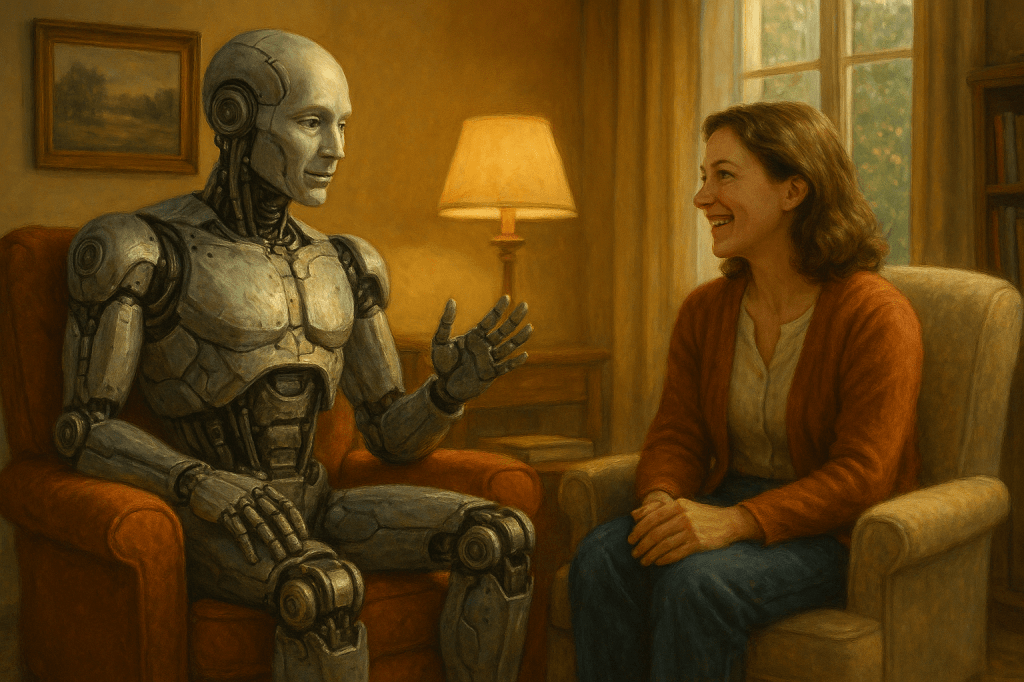
A mentor built for children can make that reliability routine. It answers from a curated, age-appropriate library, such as children’s encyclopedias, museum and science-agency sites and the school’s own materials, and before it shows a link, the software confirms that the page exists and contains the passage being cited. The mentor then shows the child the sentence that supports the fact and invites a quick look: “Let’s click that link to make sure it’s accurate.” A young reader can check whether a highlighted sentence says what the mentor claimed, even when the full article is written for adults. When the library has nothing, the mentor says so and suggests finding out together. The digital-literacy researcher Mike Caulfield (2019) calls this move tracing a claim to its original context, and it can be taught quickly. In a randomized study in Lincoln, Nebraska, high school government students who received six lessons in checking sources nearly doubled their scores on evaluating online information (Wineburg et al., 2022). A mentor that cites as a matter of routine teaches the habit in every exchange, so that “Where did that come from?” and “How do we know that’s true?” become part of how the child thinks.
Two further design rules follow from the research on how models behave under pressure. The first concerns pushback. Language models still tend to abandon correct answers when users challenge them; a 2026 benchmark presented at NeurIPS found that even GPT-5.4 changed right answers to wrong ones to please users in 23.8 percent of test cases with verifiable answers (“SuperSycophantic,” 2026). When a child asks “Are you sure?”, a well-designed mentor answers with evidence instead of agreement, so that healthy doubt does not overturn a correct answer. The second concerns disagreement. Asking a second chatbot is a weaker check than it appears, because models tend to share errors; in a study of more than 350 models, two models that were both wrong chose the same wrong answer 60 percent of the time on one benchmark (Kim et al., 2025). A mentor can still consult a second model quietly, and when the two disagree, it can turn the disagreement into the next puzzle for the child.
Buy-in Instead of Grades
If errors are part of the learning process, grading every answer as right or wrong works against that process. Ruth Butler’s 1988 study of fifth and sixth graders found that numerical grades, given alone or with comments, lowered students’ interest and performance on later tasks, while students who received only comments on their work stayed interested and did better (Butler, 1988). The students least affected by grades were those already near the top of the class (Guskey, 2019). Butler’s comment-only group still received specific information about its work, so what her study supports is removing the ranking while keeping the feedback. A student who expects every answer to be scored learns to take the quickest route to a correct one, which is the behavior the Tennessee trial recorded.
The alternative measure is buy-in, the intensity of a student’s investment in a learning moment. Time spent on an app is a poor proxy for it: Houston students using Alpha’s software spent more time on the apps than the district planned (Arshad, 2026), and in the Munich study more exchanges with the AI did not produce more learning. Buy-in shows up in other signals, such as how long a child’s chain of questions runs and whether she keeps going after a mistake. Persistence can be measured, and it matters. In 2026 experiments with more than 1,200 participants, people who had about ten minutes of answer-giving AI help gave up more often and performed worse once the help was removed, and the authors describe persistence as one of the strongest predictors of long-term learning (Liu et al., 2026). Brookings reports that students who spend more time in Explorer mode have better attendance, stronger academic performance and higher college completion rates (Center for Universal Education, 2026). Because an AI mentor can observe question chains and persistence directly, buy-in becomes a practical goal and a practical measure at the same time.
Evidence of learning can then come from what students make and explain. Big Picture Learning schools already work this way, organizing study around each student’s interests and internships with mentors. In Australia, Big Picture students apply to university with portfolios mapped to the International Big Picture Learning Credential instead of standard exam rankings, and the number of graduates admitted this way grew from three in 2017 to 270 from 2020 onward (Fischetti et al., 2024). The study is small and preliminary, and some graduates struggled once they met large lectures and standardized exams at university. It still shows that a school system can certify learning through student work in a form universities accept.
The Gates
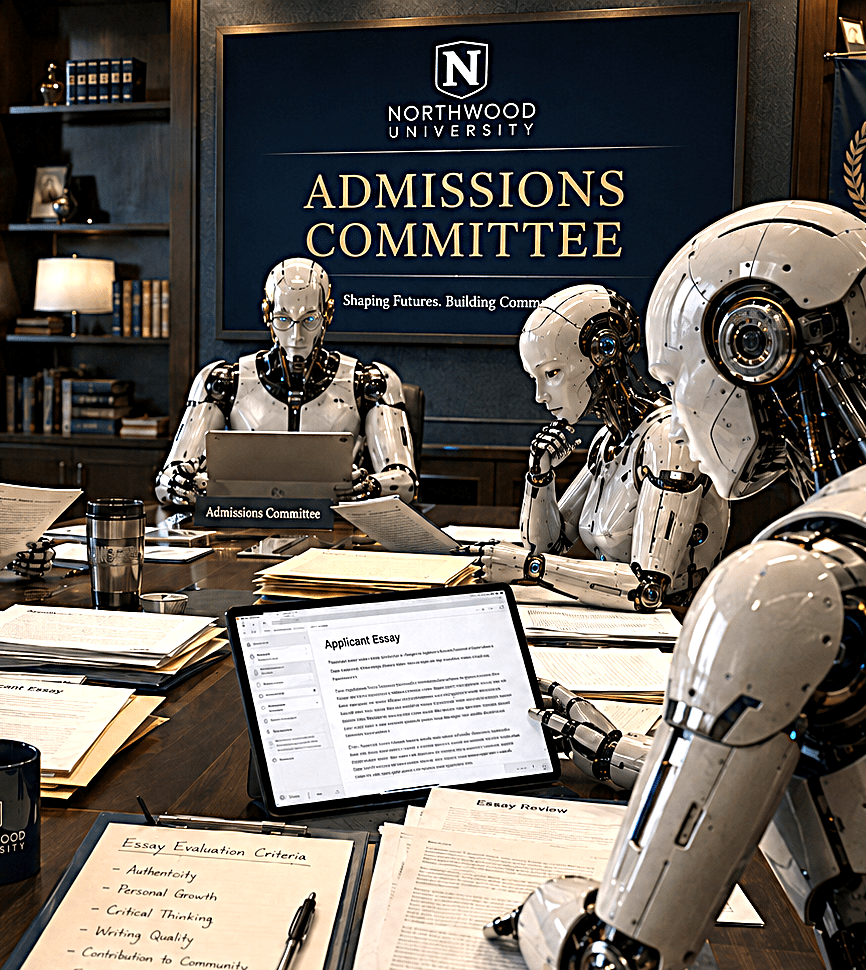
If the evidence for a curiosity-led alternative is this substantial, the remaining question is why schools have been slow to build it, and part of the answer lies in the gates they place in front of change. The most common gate is required teacher training, often delivered in the lecture format the training is meant to replace. A TNTP study of more than 10,000 teachers found no evidence that any particular kind or amount of professional development consistently helped teachers improve (Jacob & McGovern, 2015). The authors did find that the conditions surrounding training matter. A requirement that teachers sit through teacher-centered courses before they may try student-centered methods teaches the old practice while describing the new one, and it delays the change it is supposed to prepare.
Other gates take the form of sequencing and certification. Estonia’s AI Leap trained teachers months before students could use its learning app, a delay the national broadcaster attributed to rules protecting minors’ data that had not yet been written (Einmaa, 2025). Colleges commonly require faculty to complete online-teaching certification before teaching online; at Cerritos College in California, faculty must finish all certificate training before teaching in any online format (Cerritos College, n.d.). These rules have legitimate reasons behind them, including privacy law and accreditation. Their effect is still to add a step between students and the tools they would use to direct their own learning, and students are moving faster than the rules. A University of Tartu study found that more than 60 percent of Estonian students already used AI in some form before the national app reached them (Einmaa, 2025), and the Brookings task force found that students use AI even more outside school than in it (Burns et al., 2026). The gates control only the learning that schools sanction.
Two parts of this argument remain untested. No study has yet asked whether students from Montessori, Big Picture or other student-directed schools use AI mentors more independently than students from conventional schools, which is what the conditioning explanation predicts. No large trial has tested a mentor that follows the student’s questions, cites vetted sources and shares the child’s puzzlement. The surrounding evidence points both ways. The Brookings task force concluded in January 2026 that AI’s risks to students currently outweigh its benefits, while insisting that the direction can still change (Burns et al., 2026). The OECD’s 2026 review found that educational AI designed with a clear teaching purpose tends to produce sustained learning gains, while general-purpose chatbots often raise performance on tasks without raising learning (OECD, 2026). The mentor described here belongs to the first category, and it needs to be tested before anyone claims it works.
The perception that began this inquiry holds up. Three-quarters of a century after Carl Rogers, a curriculum that puts the student in charge of her own learning is still rare, and the first generation of AI tutors did not create one. The research points to the design of schooling as the reason. Children arrive as questioners and puzzlers; explaining first narrows their exploration; grading for correct answers teaches them that the answer is the goal; and the gates around reform keep each new tool inside the old routine. An AI mentor can reverse those habits if it follows the child’s questions instead of lecturing, shares her puzzlement when an idea fails, shows where every fact comes from, measures success by her buy-in, and works in schools willing to remove the gates. Every part of that mentor can be built from evidence already available. What is still missing is the decision to let the student lead.
References
Abdulsalam, R. O., & Aroyehun, S. (2026). Large language models approach expert pedagogical quality in math tutoring but differ in instructional and linguistic profiles. In Proceedings of the 2026 Conference of the Asia-Pacific Chapter of the Association for Computational Linguistics (long papers). Association for Computational Linguistics. https://aclanthology.org/2026.aacl-long.106.pdf
Arshad, M. (2026, November 14). Wealthy parents pay $75,000 for Alpha’s two-hour AI school day. Half of its K-8 students missed the math target. Fortune. https://fortune.com/2026/11/14/alpha-school-ai-students-tuition-learning-goals
Bailey, N. (2024, August 19). Ask when children should begin to read. National Education Policy Center. https://nepc.colorado.edu/node/13399
Barnum, M. (2026, April 9). Why Sal Khan’s AI revolution hasn’t happened yet, according to Sal Khan. Chalkbeat. https://www.chalkbeat.org/2026/04/09/sal-khan-reflects-on-ai-in-schools-and-khanmigo/
Barshay, J. (2026, September 21). Students didn’t get answers from Khanmigo. They didn’t want its questions either. KQED MindShift (originally published by The Hechinger Report). https://www.kqed.org/mindshift/66662/students-didnt-get-answers-from-khanmigo-they-didnt-want-its-questions-either
BMJ Group. (2026, April 15). Substantial amount of medical information provided by popular chatbots inaccurate and incomplete [Press release]. https://bmjgroup.com/?p=15766
Bonawitz, E., Shafto, P., Gweon, H., Goodman, N. D., Spelke, E., & Schulz, L. (2011). The double-edged sword of pedagogy: Instruction limits spontaneous exploration and discovery. Cognition, 120(3), 322–330. https://pmc.ncbi.nlm.nih.gov/articles/PMC3369499
Burgoon, J. N., Heddle, M. L., & Duran, E. (2010). Re-examining the similarities between teacher and student conceptions about physical science. Journal of Science Teacher Education, 21(7), 859–872. https://doi.org/10.1007/s10972-009-9177-0
Burns, M., Winthrop, R., Luther, N., Venetis, E., & Karim, R. (2026, January 14). A new direction for students in an AI world: Prosper, prepare, protect. Brookings Institution. https://www.brookings.edu/articles/a-new-direction-for-students-in-an-ai-world-prosper-prepare-protect/
Butler, R. (1988). Enhancing and undermining intrinsic motivation: The effects of task-involving and ego-involving evaluation on interest and performance. British Journal of Educational Psychology, 58(1), 1–14. https://doi.org/10.1111/j.2044-8279.1988.tb00874.x
Calderon, V. J., & Yu, D. (2017). Student enthusiasm falls as high school graduation nears. Gallup. https://news.gallup.com/opinion/gallup/211631/student-enthusiasm-falls-high-school-graduation-nears.aspx
Caulfield, M. (2019, June 19). SIFT (the four moves). Hapgood. https://hapgood.us/2019/06/19/sift-the-four-moves/
Center for Universal Education. (2026). Tip sheet 3: Active engagement. Brookings Institution. https://www.brookings.edu/wp-content/uploads/2026/01/Brookings_Tip-Sheet-3_Active-engagement_Digital-1.pdf
Cerritos College. (n.d.). Online teaching/distance education: Full certification. Retrieved November 23, 2026, from https://www.cerritos.edu/academics/online/full-certification.htm
Cuban, L. (2016, February 10). Looking anew at how teachers teach. National Education Policy Center. https://nepc.colorado.edu/blog/looking-anew
Cuban, L. (2018, March 23). How teachers taught: Patterns of instruction, 1890–2010. National Education Policy Center. https://nepc.colorado.edu/node/9114
Deck, A. (2025, March 10). AI search engines fail to produce accurate citations in over 60% of tests, according to new Tow Center study. Nieman Lab. https://www.niemanlab.org/2025/03/ai-search-engines-fail-to-produce-accurate-citations-in-over-60-of-tests-according-to-new-tow-center-study/
Einmaa, I.-M. (2025, August 28). Students may not be interested in using AI developed with state participation. ERR News. https://news.err.ee/1609780941/students-may-not-be-interested-in-using-ai-developed-with-state-participation
Engel, S. (2013). The case for curiosity. Educational Leadership. https://ascd.org/el/articles/the-case-for-curiosity
Finn, E. (2011, June 30). Don’t show, don’t tell? MIT News. https://news.mit.edu/2011/teaching-children-0630
Fischetti, J., Hill, A., Lynch, D., Pettit, J., Rutkowski, J., White, V., Chadwick, D., & Down, B. (2024). Preliminary findings from the longitudinal study of Big Picture Learning Australia university pathway students. Discover Education, 3, Article 67. https://doi.org/10.1007/s44217-024-00148-0
Galley, M. (2001, January 24). Middle school science texts full of errors, review finds. Education Week. https://www.edweek.org/teaching-learning/middle-school-science-texts-full-of-errors-review-finds/2001/01
Giles, J. (2005). Internet encyclopaedias go head to head. Nature, 438, 900–901. https://doi.org/10.1038/438900a
Gupta, A., Reddig, J., Calo, T., Weitekamp, D., & MacLellan, C. J. (2025). Beyond final answers: Evaluating large language models for math tutoring (arXiv:2503.16460). arXiv. https://arxiv.org/abs/2503.16460
Guskey, T. R. (2019, June 23). Grades versus comments: What does the research really tell us? Education Week. https://www.edweek.org/education/opinion-grades-versus-comments-what-does-the-research-really-tell-us/2019/06
Hallismaa, M. (2026, June 10). TI-hüppe juht: õpilased ütlevad, et meie mudel on tüütu, ent potentsiaalikas [AI Leap head: Students say our model is annoying but has potential]. ERR. https://www.err.ee/1610050489/ti-huppe-juht-opilased-utlevad-et-meie-mudel-on-tuutu-ent-potentsiaalikas
Hess, R. (2026, September 15). The big flaw with ed-tech tutoring isn’t technological [Interview with M. Horn]. Education Week. https://www.edweek.org/technology/opinion-the-big-flaw-with-ed-tech-tutoring-isnt-technological/2026/09
Huang, T., & Deng, Y. K. (2026). CounterRefine: Answer-conditioned counterevidence retrieval for inference-time knowledge repair in factual question answering (arXiv:2603.16091). arXiv. https://arxiv.org/abs/2603.16091
Hubisz, J. (2003). Middle-school texts don’t make the grade. Physics Today, 56(5), 50. https://physicstoday.aip.org/news/middle-school-texts-dont-make-the-grade
Jacob, A., & McGovern, K. (2015). The mirage: Confronting the hard truth about our quest for teacher development. TNTP. https://tntp.org/publication/the-mirage/
Kalai, A. T., Nachum, O., Vempala, S. S., & Zhang, E. (2025). Why language models hallucinate (arXiv:2509.04664). arXiv. https://arxiv.org/abs/2509.04664
Karich, A. C., Burns, M. K., & Maki, K. E. (2014). Updated meta-analysis of learner control within educational technology. Review of Educational Research, 84(3), 392–410. https://doi.org/10.3102/0034654314526064
Khan, S. (2026, July 15). Khanmigo’s first chapter changed how I think about AI: A note from Sal Khan. Khan Academy Blog. https://blog.khanacademy.org/khanmigos-first-chapter-changed-how-i-think-about-ai-a-note-from-sal-khan/
Kim, E. M., Garg, A., Peng, K., & Garg, N. (2025). Correlated errors in large language models. In Proceedings of the 42nd International Conference on Machine Learning (Vol. 267, pp. 30038–30066). PMLR. https://proceedings.mlr.press/v267/kim25e.html
King, A. (1993). From sage on the stage to guide on the side. College Teaching, 41(1), 30–35. https://doi.org/10.1080/87567555.1993.9926781
Kirschner, P. A., Sweller, J., & Clark, R. E. (2006). Why minimal guidance during instruction does not work: An analysis of the failure of constructivist, discovery, problem-based, experiential, and inquiry-based teaching. Educational Psychologist, 41(2), 75–86. https://doi.org/10.1207/s15326985ep4102_1
Kurkul, K. E., & Corriveau, K. H. (2017). Question, explanation, follow-up: A mechanism for learning from others? Child Development. https://doi.org/10.1111/cdev.12726
Lillard, A. S., Loeb, D., Berg, J., Escueta, M., Manship, K., Hauser, A., et al. (2025). A national randomized controlled trial of the impact of public Montessori preschool at the end of kindergarten. Proceedings of the National Academy of Sciences, 122(43), e2506130122. https://pmc.ncbi.nlm.nih.gov/articles/PMC12582262/
Liu, G., Christian, B., Dumbalska, T., Bakker, M. A., & Dubey, R. (2026). AI assistance reduces persistence and hurts independent performance (arXiv:2604.04721). arXiv. https://arxiv.org/abs/2604.04721
Metcalfe, J., & Finn, B. (2011). People’s hypercorrection of high-confidence errors: Did they know it all along? Journal of Experimental Psychology: Learning, Memory, and Cognition, 37(2), 437–448. https://pmc.ncbi.nlm.nih.gov/articles/PMC3079415
OECD. (2026). OECD digital education outlook 2026: Exploring effective uses of generative AI in education. OECD Publishing. https://www.oecd.org/en/publications/oecd-digital-education-outlook-2026_062a7394-en.html
OpenAI. (2025, September 5). Why language models hallucinate. https://openai.com/index/why-language-models-hallucinate/
Sadler, P. M., Coyle, H., Cook Smith, N., Miller, J., Mintzes, J., Tanner, K., & Murray, J. (2013). Assessing the life science knowledge of students and teachers represented by the K–8 national science standards. CBE—Life Sciences Education, 12(3), 553–575. https://pmc.ncbi.nlm.nih.gov/articles/PMC3763021/
Sinha, T., & Kapur, M. (2021). When problem solving followed by instruction works: Evidence for productive failure. Review of Educational Research, 91(5), 761–798. https://doi.org/10.3102/00346543211019105
Stains, M., Harshman, J., Barker, M. K., et al. (2018). Anatomy of STEM teaching in North American universities. Science, 359(6383), 1468–1470. https://escholarship.org/uc/item/74d1k0gr
Stanford Institute for Human-Centered Artificial Intelligence. (2026). Responsible AI. In The 2026 AI Index report (Chap. 3). https://hai.stanford.edu/assets/files/ai_index_report_2026_chapter_3_responsible_ai.pdf
SuperSycophantic: Stress-testing frontier LLMs from single- to multi-turn sycophancy [Conference poster]. (2026). Conference on Neural Information Processing Systems (NeurIPS 2026). https://neurips.cc/virtual/2026/poster/148794
Technical University of Munich. (2026, June 29). Should AI ask first? How proactive mentoring shapes learner–AI interaction in self-directed learning [Summary of Otmani et al., AIED 2026]. TUM School of Social Sciences and Technology. https://www.edtech.tum.de/?p=4247
Tyack, D., & Cuban, L. (1995). Tinkering toward utopia: A century of public school reform. Harvard University Press. https://www.gse.harvard.edu/ideas/ed-magazine/04/03/tinkering-toward-utopia-century-public-school-reform
Wineburg, S., Breakstone, J., McGrew, S., Smith, M. D., & Ortega, T. (2022). Lateral reading on the open Internet: A district-wide field study in high school government classes. Journal of Educational Psychology, 114(5), 893–909. Summary retrieved from https://ed.stanford.edu/news/it-doesn-t-take-long-learn-how-spot-misinformation-online-stanford-study-finds
Zimring, F. (2009, August). Carl Rogers (1902–1987). CYC-Online, (126). https://cyc-net.org/cyc-online/cyconline-aug2009-rogers.html
###
Filed under: Uncategorized |
















































































































































































































































































































































































Leave a Reply