





By Jim Shimabukuro (assisted by Claude*)
Editor
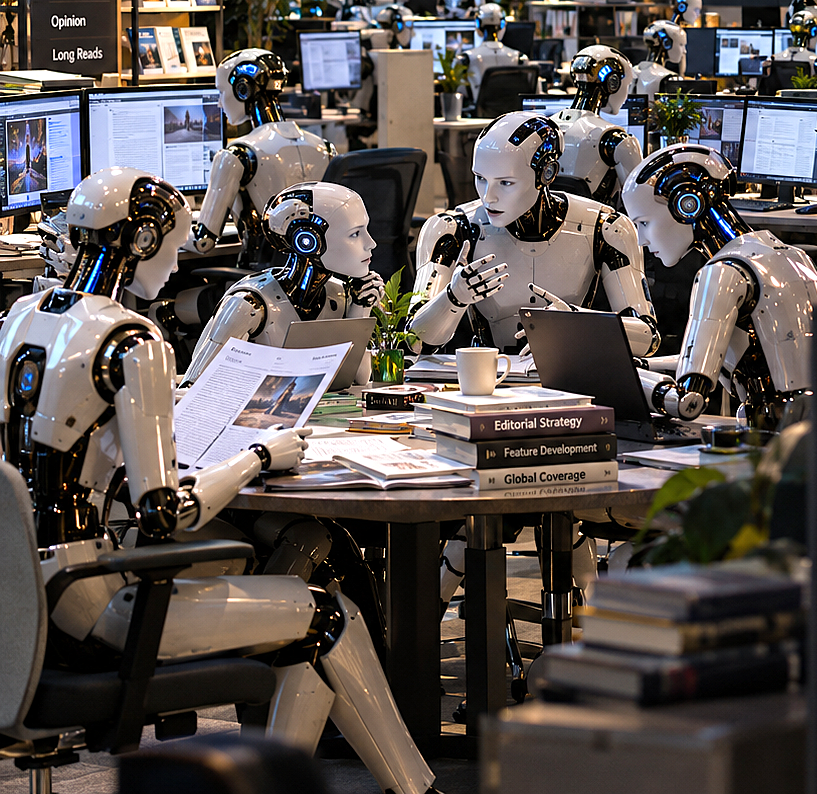
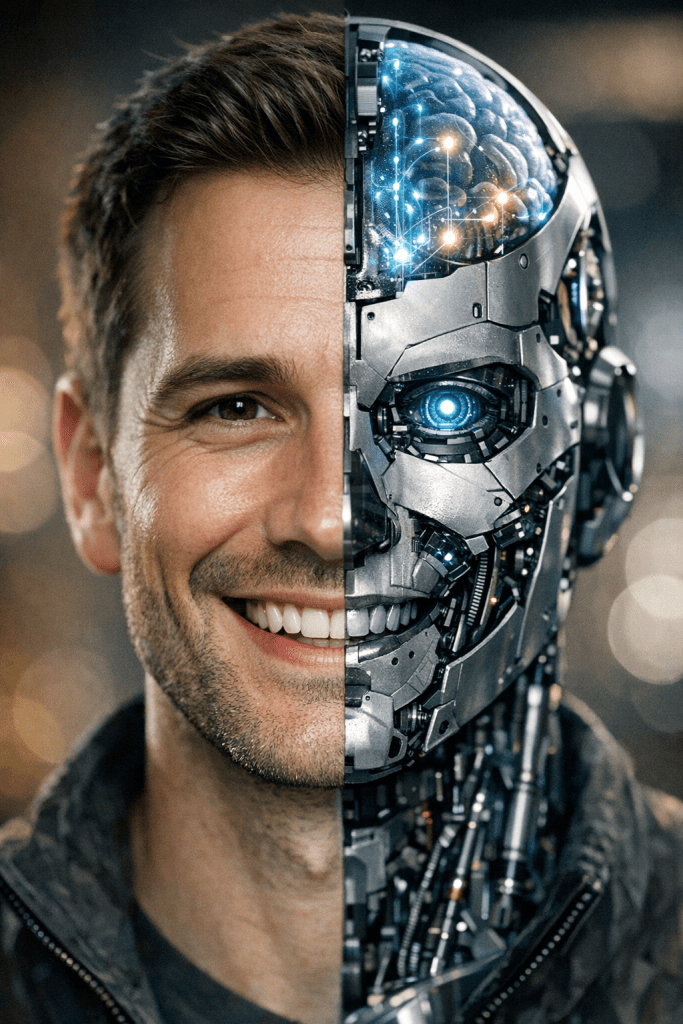
In November 2026, ETC Journal put one question to eleven chatbots, among them Claude, ChatGPT, Gemini, Copilot, Grok, Perplexity and DeepSeek: “What are three human critical thinking abilities that AI will probably never be able to match or surpass?” Each returned three answers, for thirty-three in all. The answers overlapped so heavily that they could be sorted into a handful of groups, and the sorting itself turned into an argument about what schools should teach. In the AI era, critical thinking instruction should shift its focus away from tasks AI does faster and better toward a process that emphasizes five human abilities: deciding what matters, framing the problem, judging with stakes, grounding thought in lived experience, and revising one’s thinking as it unfolds.

The thirty-three answers fell into four groups with little forcing. Seven named some version of deciding what matters: Copilot called it “existential judgment,” Perplexity called it “deciding which problem is worth solving,” and Z.ai called it “first-person valuation.” Six concerned framing the problem, from Gemini’s “asking the unasked question” to Z.ai’s “dissolving the frame rather than solving the problem.” Ten described judgment with consequences, such as Muse’s “deciding when the evidence runs out, acting, and answering for the result.” The remaining ten rested on lived experience, including DeepSeek’s “first-person phenomenal grounding” and Grok’s “causal world models from sparse, embodied experience.” Every chatbot named at least one of the first and third groups, so the strongest agreement among the eleven was that humans keep the edge in choosing what matters and in owning the consequences of a choice.
Read in order, the four groups looked like steps on an assembly line: decide what matters, frame the problem, make the call, and draw on experience along the way. The human editor reading the condensed list saw that it had no way back. Nothing in it allowed a thinker to discover, partway through, that the goal was wrong or the frame too narrow, and to start over. Only two of the thirty-three answers came close to that idea. ChatGPT mentioned “critically revising one’s own commitments,” and Grok mentioned questioning “one’s own assumptions,” and both sat inside other groups. The fifth item, revising one’s thinking as it unfolds, had to be added by a human reading the machines’ combined output. That small correction is the first piece of evidence for the list it completed, because it shows a person in the loop catching a structural gap that eleven systems, each answering well on its own terms, had left open.
The Trouble with “Never”
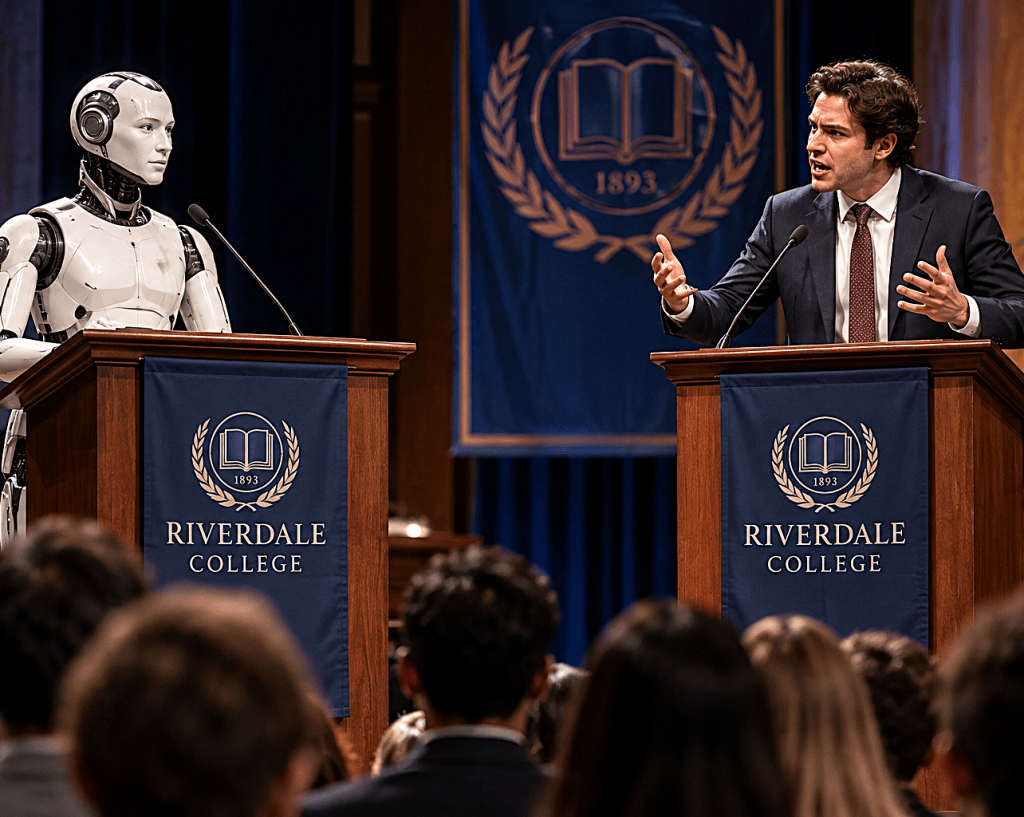
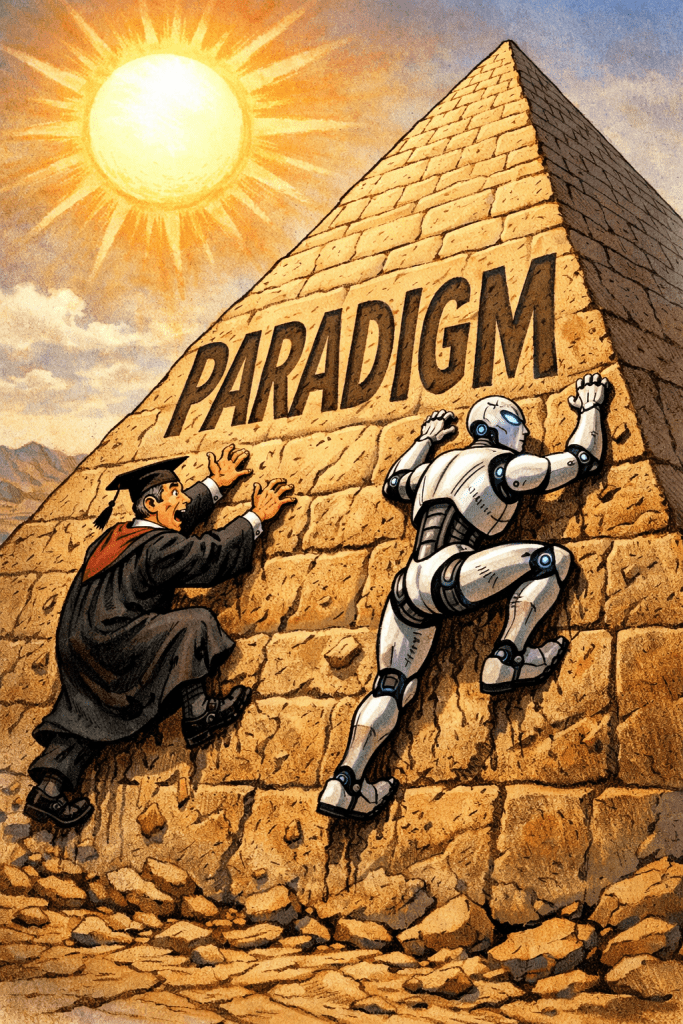
The same eleven chatbots that produced the list also warned against the question’s key word. Most of them qualified “never” before answering, and several said outright that confident claims about AI’s limits have a poor track record. That record goes back to the field’s first decade. In 1967, the philosopher Hubert Dreyfus, then one of the sharpest critics of AI’s promises, accepted a challenge to play MIT’s Mac Hack VI chess program and lost. Seymour Papert’s rebuttal memo the following year included a section titled “Computers Can’t Play Chess,” followed by one titled “Nor Can Dreyfus” (Papert, 1968). Grandmaster-level chess arrived thirty years later, and the lesson stuck: a limit described as permanent often turns out to be a limit of the moment.
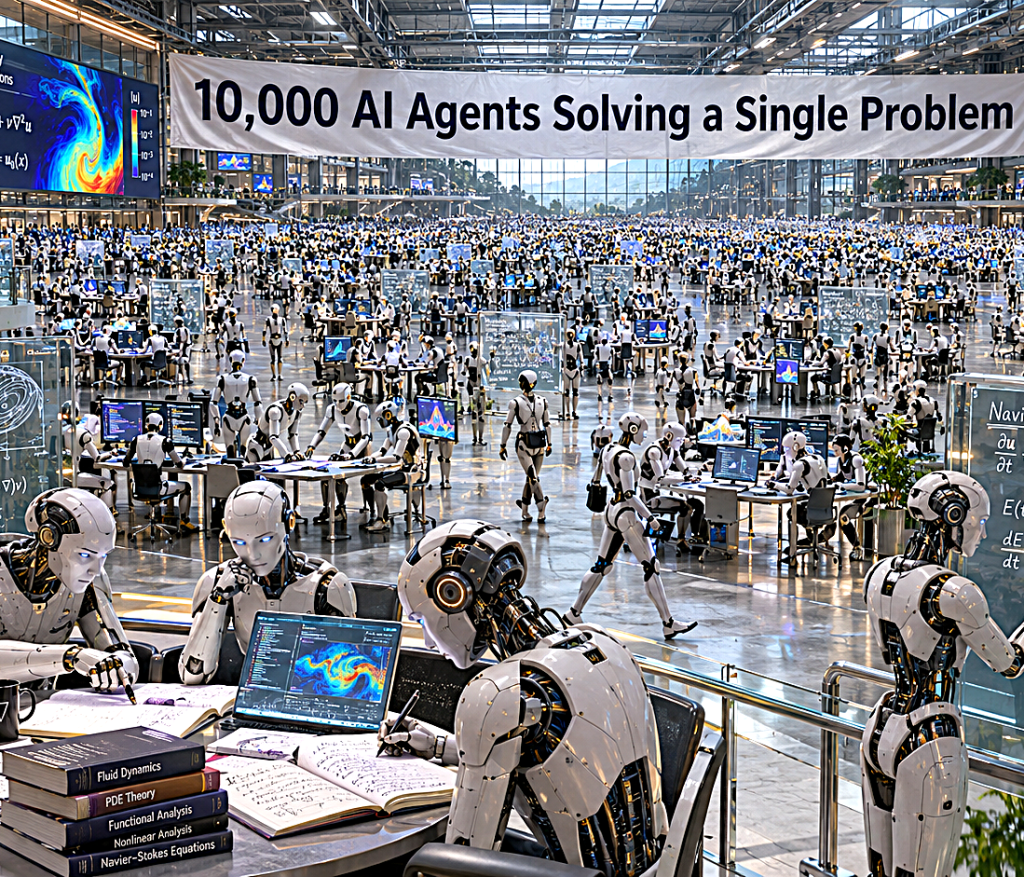
The events of 2026 have made that lesson harder to ignore. Stanford’s annual AI Index, published in April, opens with the finding that “AI capability is not plateauing. It is accelerating and reaching more people than ever,” and reports that performance on one widely used coding benchmark “rose from 60% to near 100% in a single year” (Stanford HAI, 2026). Mathematics supplied the year’s most vivid example. In May, OpenAI announced that a model had produced a result on a problem posed by Paul Erdős, and Quanta Magazine described it as “the first historically significant proof to come from an AI model” (Kakaes, 2026). Even before that announcement, AI tools had helped move about one hundred Erdős problems into the solved column since October 2025, according to a tracking page started by the mathematician Terence Tao (Howlett, 2026). Anyone who built a curriculum in 2023 on the premise that machines cannot do original mathematics would now be rewriting it.
The same evidence that warns against “never” also shows why a list of human abilities is still worth making. Progress in AI is fast and uneven. The International AI Safety Report, written by more than one hundred experts under the chairmanship of Yoshua Bengio and released in February, found that capabilities “remain ‘jagged’: leading systems may excel at some difficult tasks while failing at other, simpler ones” (International AI Safety Report, 2026). Melanie Mitchell of the Santa Fe Institute, asked in July what researchers actually know about AI reasoning, gave an answer short enough for an index card: “Number one: It works. It improves things.” Her second point was that “the actual text that’s generated … isn’t necessarily faithful to what’s going on [inside the model]” (Pavlus, 2026). A boundary that is jagged and moving can still be mapped, so long as the map carries a date. Each of the five abilities below is presented that way, with an account of why it holds now and where it is under pressure.
Why Instruction Has to Move Now
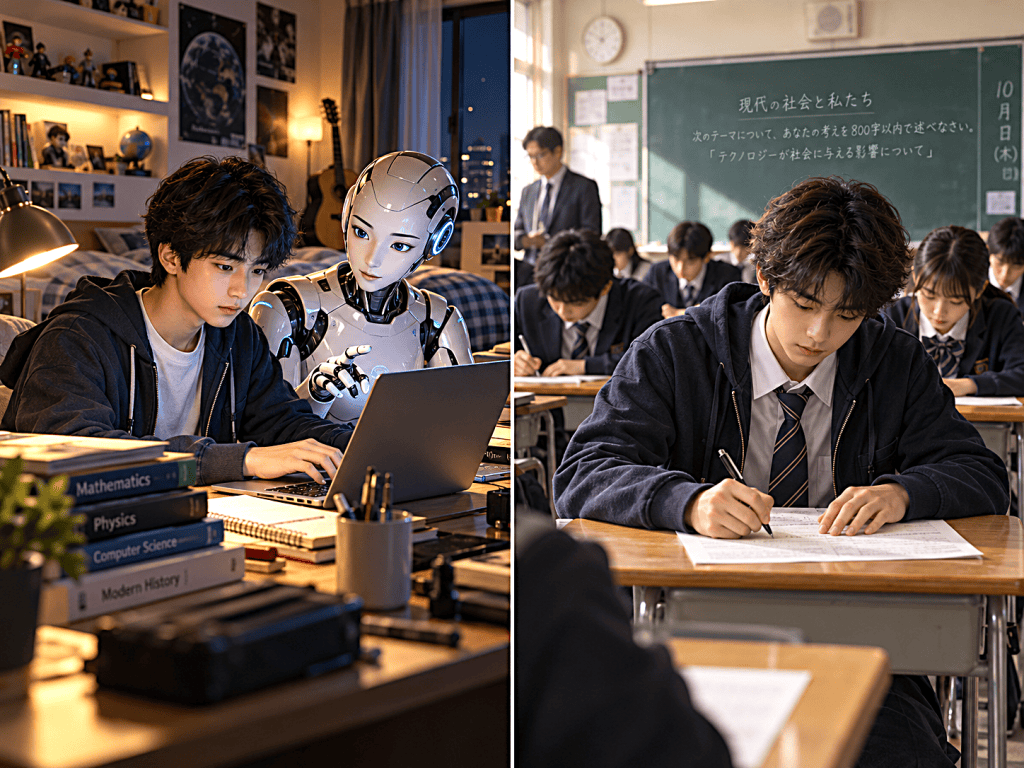
The case for redirecting instruction rests less on predictions about AI than on what is already happening to students. The OECD’s Digital Education Outlook 2026, a review of the international research, states its central finding plainly: “Successfully performing a task with GenAI does not automatically lead to learning.” The report adds that “offloading cognitive tasks to general-purpose chatbots creates risks of metacognitive laziness and disengagement that may deter skill acquisition in the long run” (OECD, 2026). The phrase “metacognitive laziness” comes from a randomized study of university students writing essays with different kinds of support. Students who used ChatGPT improved their essays more than any other group, including students coached by human experts, yet their gains in knowledge and transfer were not significant (Fan et al., 2025). Better work and weaker learning arrived together.
Studies of younger students point the same way. In January, the Brookings Institution’s Center for Universal Education released a year-long “premortem” on generative AI in schools, built on research reviews and interviews with students, parents, educators and technology experts around the world, and concluded that the risks of using generative AI to educate children and teens “currently overshadow the benefits” (Turner, 2026). Rebecca Winthrop, who leads the center and co-wrote the report, described the mechanism: “When kids use generative AI that tells them what the answer is … they are not thinking for themselves. They’re not learning to parse truth from fiction” (Turner, 2026). The task force does not reject the technology. It found that well-designed AI tools can benefit students when they are deployed as part of a pedagogically sound approach, which places the burden on how schools teach (Brookings Global Task Force on AI in Education, 2026).
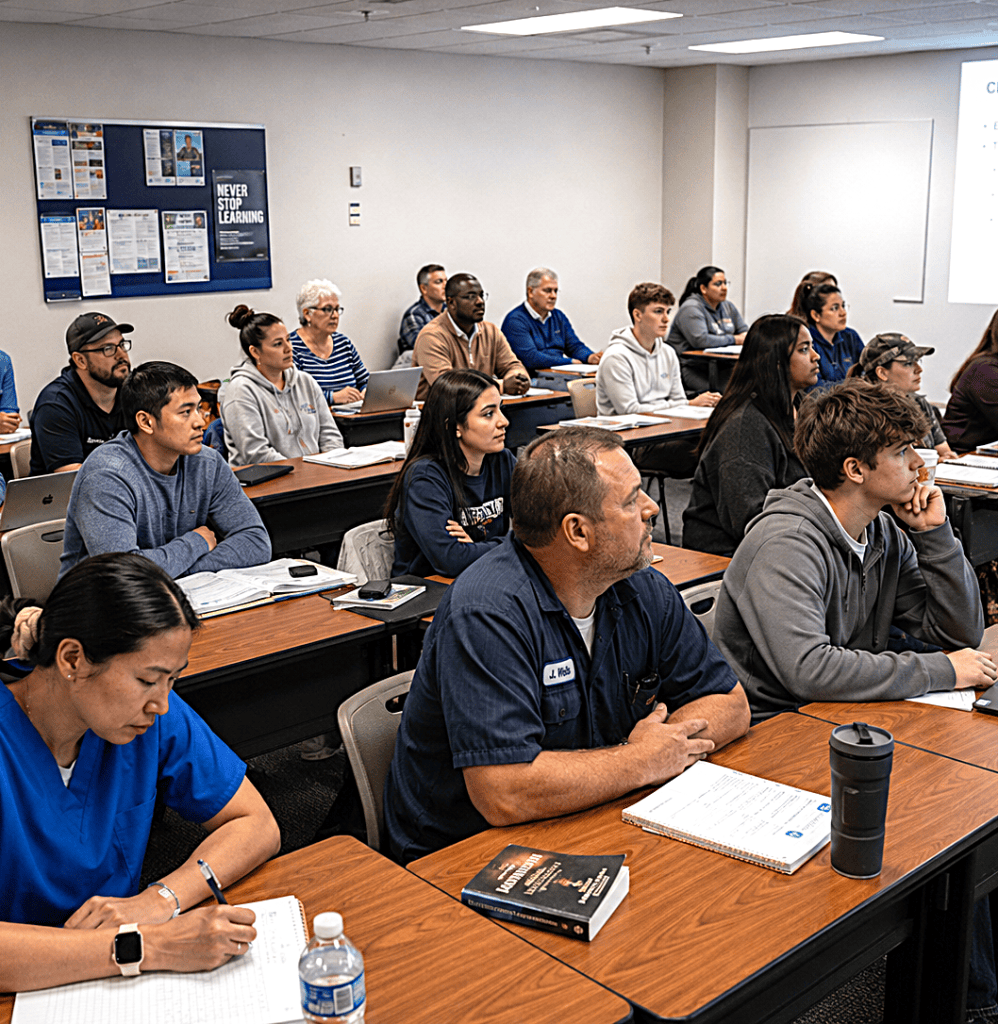
These findings put a familiar critical thinking curriculum under pressure. Much of what schools teach under that name consists of tasks with clear inputs and checkable outputs: summarizing an argument, identifying a fallacy, comparing two sources, outlining an essay, evaluating evidence against a rubric. Those skills remain foundations, and students still need enough of them to recognize when a machine gets them wrong. They are also the tasks a chatbot now completes in seconds, and the tasks students are most tempted to hand off. A curriculum that spends most of its time drilling them trains students in the part of thinking they are most likely to delegate. The five abilities identified by the chatbots and their editor mark where instruction time can go instead.
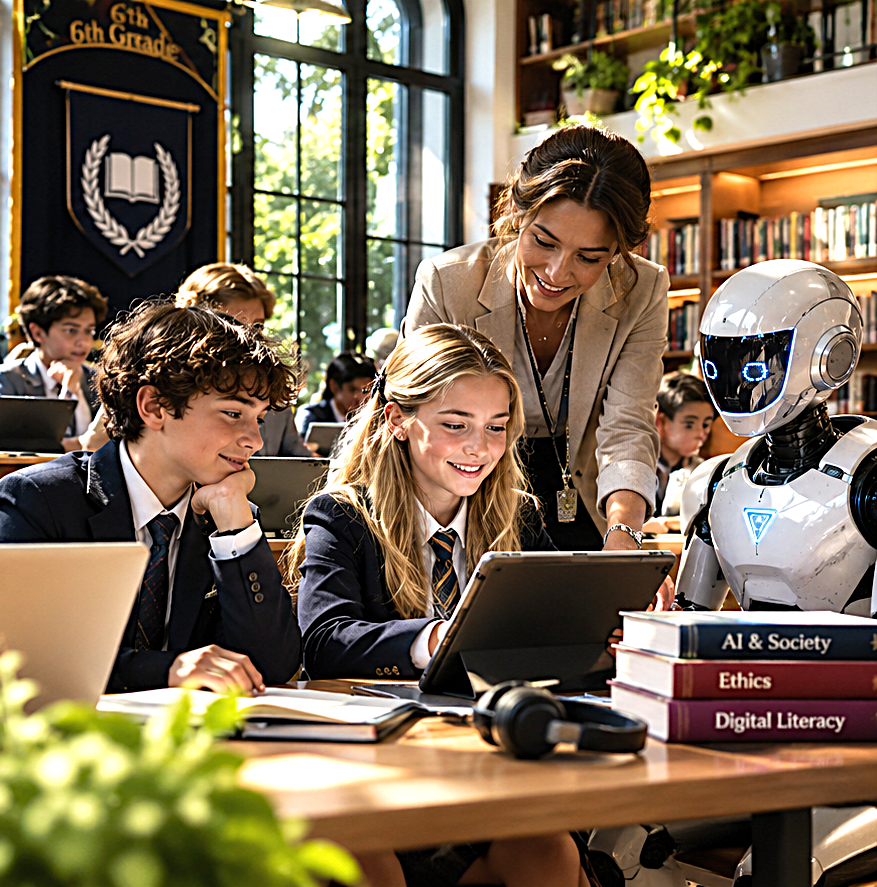
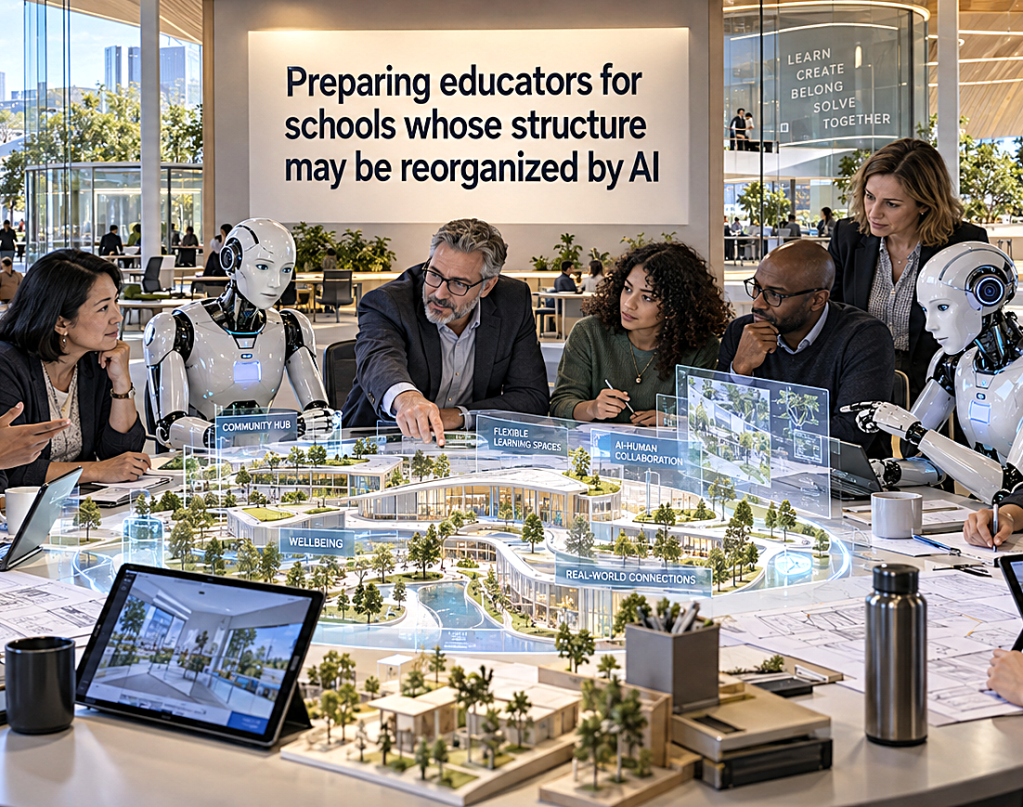
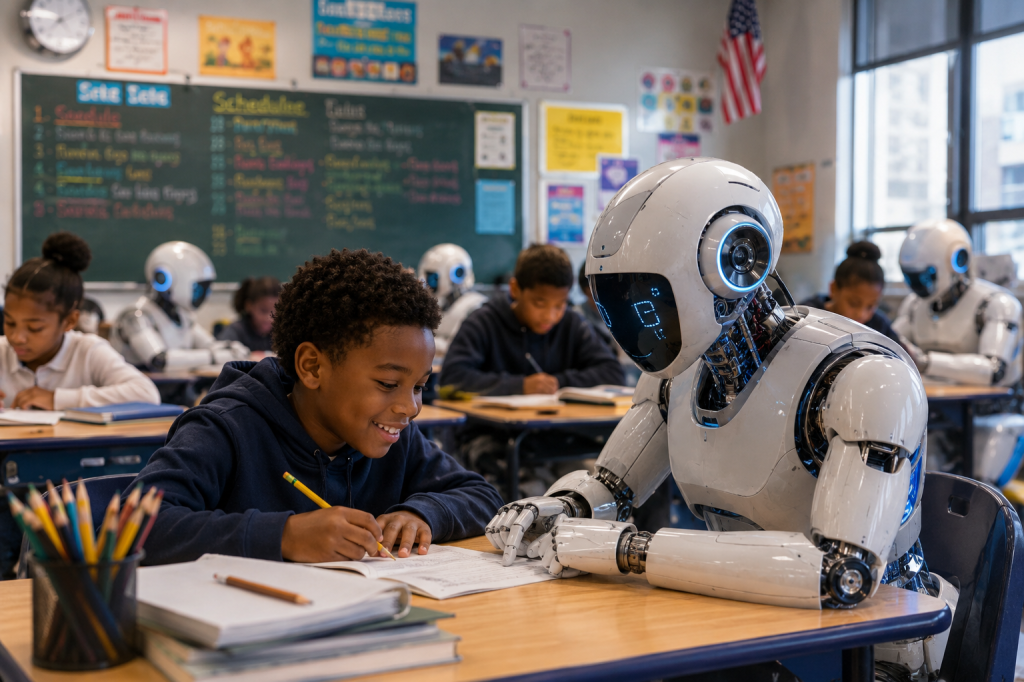
A single classroom example shows what the shift looks like in practice. Imagine a high school class studying a dispute over water rights in its own county. A conventional unit would have students summarize two opinion columns, identify the fallacies in each and write an essay comparing them, and a chatbot can now complete every one of those steps in under a minute. A redesigned unit would ask students first to decide what outcome matters most, and to whom. It would then have them frame the question they intend to answer, whether the problem is scarcity, pricing or fairness between upstream and downstream users. They would interview a farmer, a utility manager and a county official, deliver a recommendation to a real audience such as the county council or a local newspaper, and keep a written record of how their question changed along the way. AI tools would appear throughout the unit, summarizing documents and testing arguments, while the five human abilities would carry the weight of the grade.
The Five Abilities in Turn
The first ability is choosing which goals are worth pursuing, which problems deserve attention and what would count as a good outcome. Critical thinking always serves some purpose, and the purpose has to come from somewhere before analysis can begin. Seven of the thirty-three answers placed this ability at the center, and the language they used, from “existential judgment” to “knowing what matters,” treated it as the starting point for everything else.
Economists who study AI have made the same distinction in concrete terms. Ajay Agrawal, Joshua Gans and Avi Goldfarb of the University of Toronto describe current AI as a technology for cheap prediction and argue that prediction becomes useful only when combined with judgment about what outcomes are worth. Their example is ordinary: “it doesn’t help to know the likelihood of rain if you don’t know how much you like staying dry or how much you hate carrying an umbrella.” They conclude that “prediction machines don’t provide judgment” (Agrawal et al., 2018). The philosopher Shannon Vallor adds a reason that judgment about values is hard to delegate. Systems trained on the record of human writing offer, in her words, “a mirror of ourselves, not as we ought to be or could be, but as we already are and have long been” (Vallor, 2024, as cited in McNealy, 2024). A mirror can show what people have valued. It cannot settle what they should value next.
The “never” caveat applies here with some force. AI systems already rank options against stated preferences, infer preferences from behavior and draft value statements for organizations, and they will get better at all three. What they lack is standing. The decision about what a school, a family or a town should care about belongs to the people who will live with the result, and that is a question of authority as much as of capability. For classrooms, the implication is practical. Students should spend time setting criteria before they open a chatbot: deciding what question is worth asking, what a good answer would have to include and what they are willing to give up to get it. Those criteria become the raw material for the second ability, because a problem cannot be framed until someone has decided what it is for.
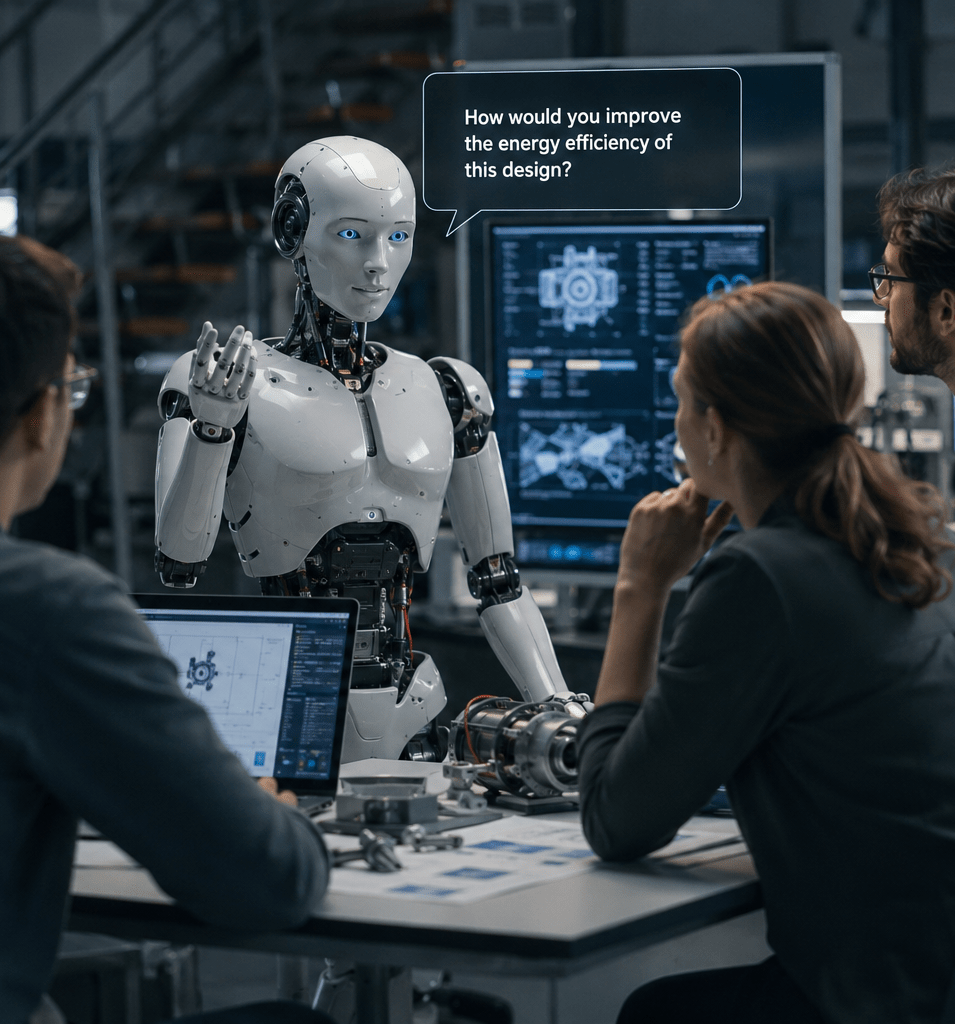
Framing is the work of deciding what the problem actually is. It includes questioning the premise, spotting the question nobody has asked and, at the extreme, discarding a frame altogether in favor of a better one. Six of the thirty-three answers named it, and Muse supplied the most concrete version: “asking a question nobody has asked, because something you lived through made it visible.” Where deciding what matters sets the purpose, framing turns that purpose into a problem that can be worked on.
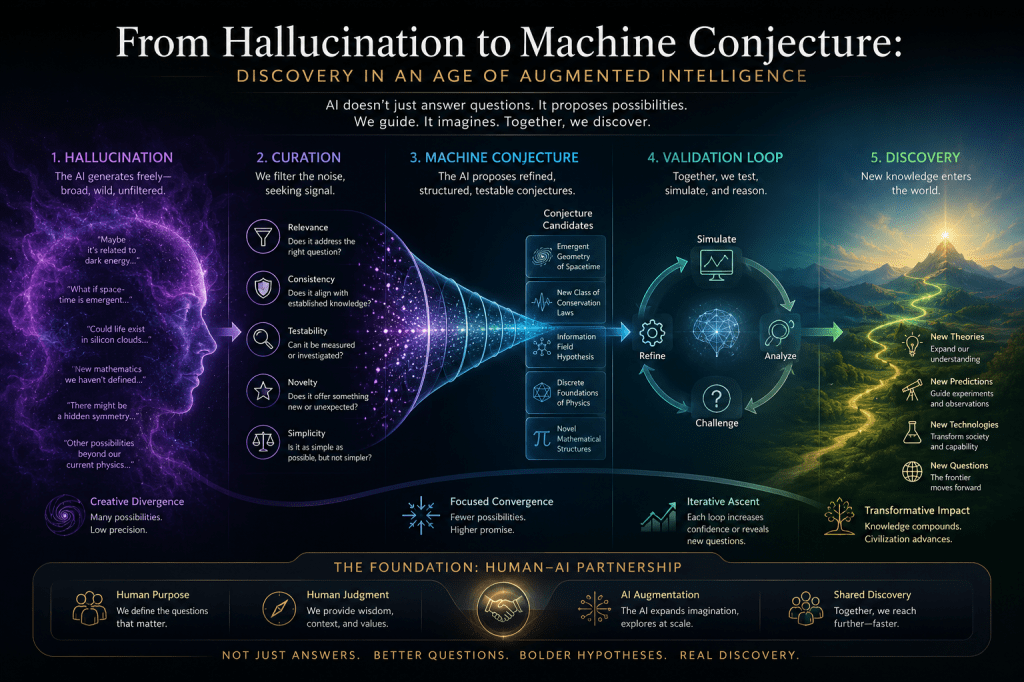
Demis Hassabis, the chief executive of Google DeepMind and a Nobel laureate for the protein-structure system AlphaFold, has been unusually direct on this point. Asked in February at the Indian Institute of Science how researchers develop scientific taste, he said, “I think the question of taste… you can break it down into intuition and creativity. It has aspects of both of those things. It is probably the hardest thing in science, and I think it is probably the hardest thing for machines to be able to mimic” (Indian Institute of Science, 2026). In a conversation published in Dædalus this year, he described the division of labor he expects in science for now: “Conjectures and hypotheses are going to come from the human experts,” who will then use AI tools that make them “much more efficient” (Hassabis & Manyika, 2026). In a January interview, asked what genuine general intelligence would require, he described a system able to “actually be Picasso or Mozart and create a completely new genre of art that we’d never seen before,” then added, “today’s systems, in my opinion, are nowhere near that” (Kantrowitz, 2026).
The Erdős results test that view from both sides. They show AI producing genuinely new mathematics, which is the strongest evidence this year against any claim that machines only recombine. They also show AI working on questions a human posed decades ago. Andrew Sutherland, a mathematician at MIT, observed that, for the most part, the Erdős problems are “individual problems whose solution is not necessarily going to have any broader implications” (Howlett, 2026). Solving a well-posed problem and choosing which problems are worth posing remain distinct skills. Laboratories are working on the second one as well; Google has built a hypothesis-generating “AI Co-Scientist,” and in May OpenAI announced that one of its models had disproved an important mathematics conjecture (Huckins, 2026). The boundary in this category may move sooner than in most. For teachers, the implication is to grade the question as well as the answer. Assignments can ask students to reframe a given problem, generate several competing questions about the same situation and argue for one. A frame chosen this way leads directly to the third ability, because every frame implies a decision someone will eventually have to make.
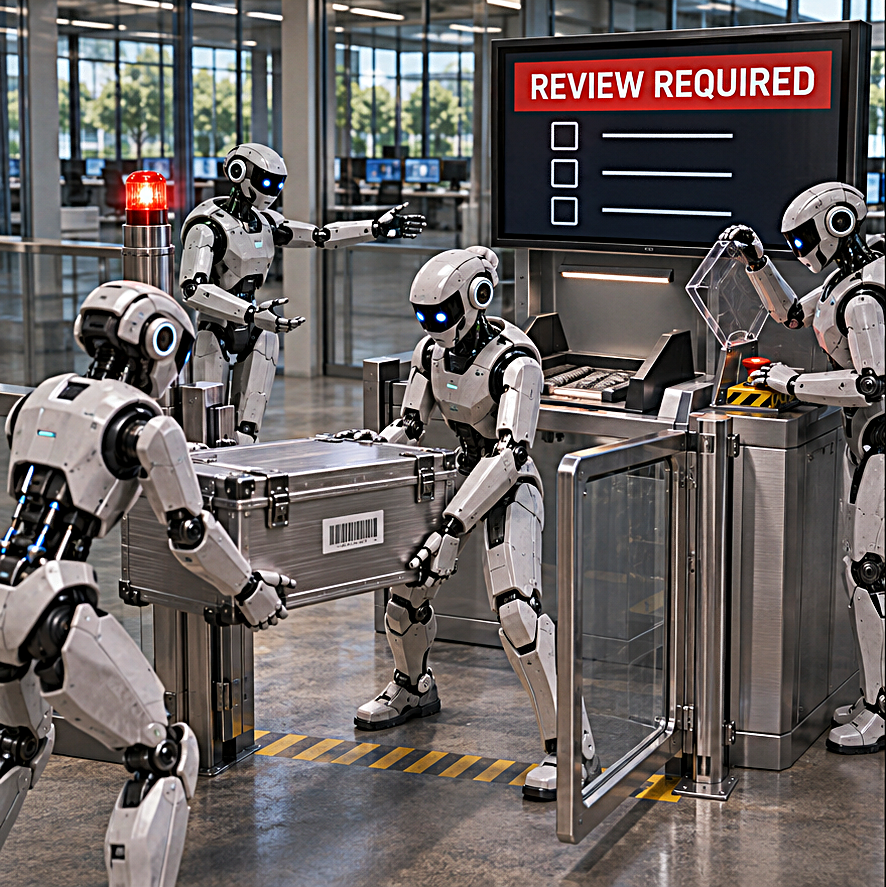
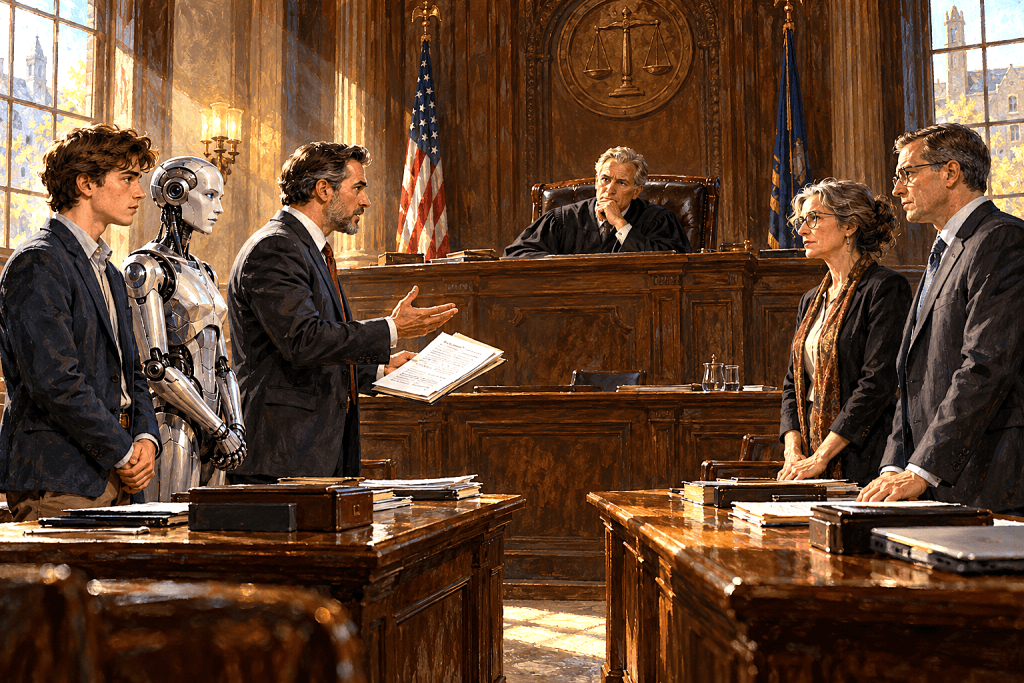
Judgment with stakes is the ability to decide and act when the evidence is incomplete, when no procedure guarantees the right answer and when someone will have to answer for the outcome. Ten of the thirty-three answers described it, from Perplexity’s “judgment under ambiguity” to Chatbox’s “taking moral responsibility.” It differs from deciding what matters in timing and weight. Values are set at the start. Judgment happens at the moment of commitment, when the analysis has gone as far as it can and a choice still has to be made.
A slide often attributed to a 1979 IBM training session states the principle in two lines: “A computer can never be held accountable. Therefore a computer must never make a management decision.” Its provenance is uncertain. The IBM Corporate Archives searched for the original presentation and could not find it, and the only known copy was reportedly destroyed in a flood (Willison, 2025). The idea has nonetheless found its way into law. Article 14 of the European Union’s AI Act requires that high-risk AI systems “be designed and developed in such a way, including with appropriate human-machine interface tools, that they can be effectively overseen by natural persons during the period in which they are in use” (European Union, 2024). The obligations are scheduled to apply to the high-risk uses listed in the Act’s Annex III from December 2027 (European Union, 2024), which means institutions are now writing into law the expectation that a person answers for consequential decisions.
The caveat here concerns the gap between capability and responsibility. AI agents already take actions in the world, and their estimates of uncertainty may come to exceed human judgment in some domains. Accountability, though, is assigned by laws, institutions and communities, and those still assign it to people. A system can recommend; a person signs. Schools can teach this ability only by giving students decisions that carry real consequences: projects with community partners, budgets that must be balanced, recommendations that someone will act on, positions students must defend in front of the people affected. Making such decisions well depends on the fourth ability, because the person who answers for a choice usually draws on knowledge that never made it into the data.
The fourth ability is testing ideas against first-hand experience: reading a room, sensing that a plan that looks sound on paper will fail with these people in this place, and drawing on knowledge built through a body that acts in the world. Ten of the thirty-three answers rested on it, the largest single group alongside judgment. Copilot put the point most simply as “actually having experiences.”
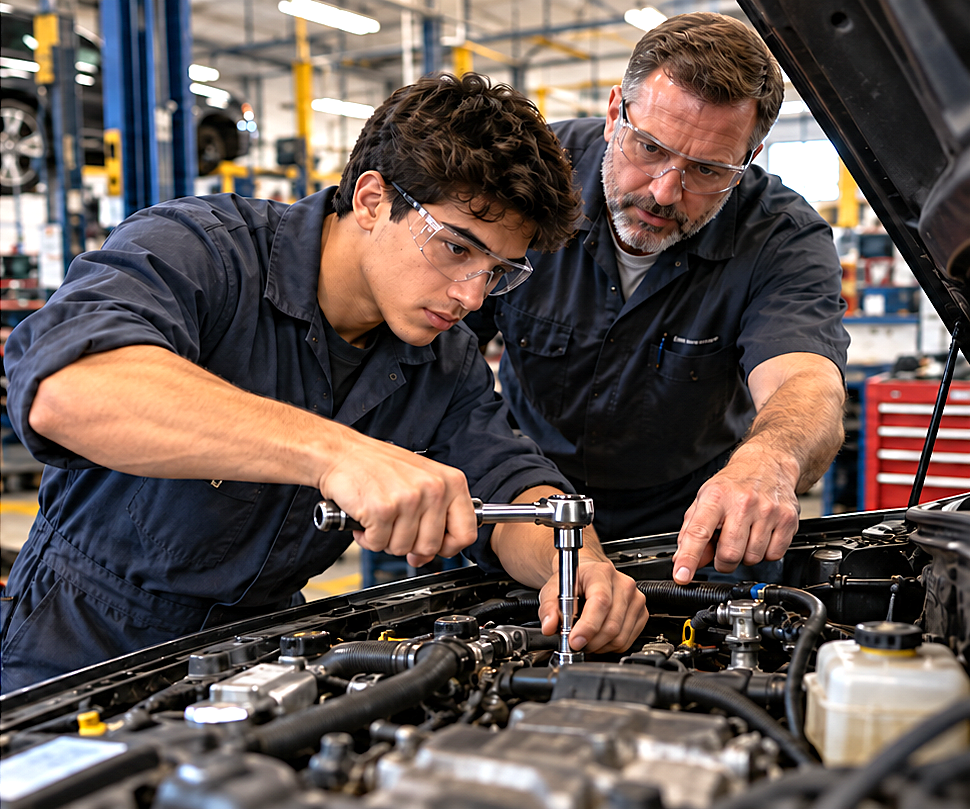
The philosopher Michael Polanyi named the underlying problem in 1966 with the sentence “We can know more than we can tell,” and illustrated it with an example that still fits: “The skill of a driver cannot be replaced by a thorough schooling in the theory of the motorcar” (Polanyi, 1966, as cited in Autor, 2014). The economist David Autor, who borrowed the idea to explain which jobs resisted automation, called it Polanyi’s paradox: people’s tacit knowledge of how the world works often exceeds their explicit understanding of it (Autor, 2014). Yann LeCun, a Turing Award winner who left Meta to found the start-up AMI Labs, argues that today’s language models remain on the wrong side of that paradox. In an April lecture at Brown University, he said such systems are “completely helpless when it comes to the physical world,” and that “almost none of those systems at the moment are capable of predicting the outcome… of their actions” (Brown University, 2026). The neuroscientist Anil Seth draws a related line between two things often run together: “Intelligence is mainly about doing,” he wrote in January, while “consciousness, in contrast to intelligence, is mostly about being” (Seth, 2026).
This category contains the boundary most actively under attack. LeCun’s company has raised more than $1 billion to develop its world-model approach (Brown University, 2026), and robotics laboratories are pursuing the same goal. Machines may eventually build useful models of the physical world from sparse data. Whether they will have experiences in Seth’s sense is a separate question, and one on which serious researchers disagree. For schools, the implication holds either way. Experience is evidence, and students need practice gathering it and reasoning from it: fieldwork, laboratory work, apprenticeships, interviews and service projects in which what they observe can overturn what they read. Experience of that kind is also the most reliable early warning that a line of thinking has gone wrong, which leads to the fifth ability.
The fifth ability is continuous self-assessment while thinking is under way: monitoring one’s own assumptions, noticing when something does not fit and letting that discovery change the goal, the frame, the judgment or the reading of experience. It is the item the chatbots left out and the one that turns the other four from a sequence into a process. John Dewey defined the core of it in 1910: “Active, persistent, and careful consideration of any belief or supposed form of knowledge in the light of the grounds that support it, and the further conclusions to which it tends, constitutes reflective thought” (Dewey, 1910). Dewey’s definition is about persistence. Reflection, in his account, keeps running while the work goes on.
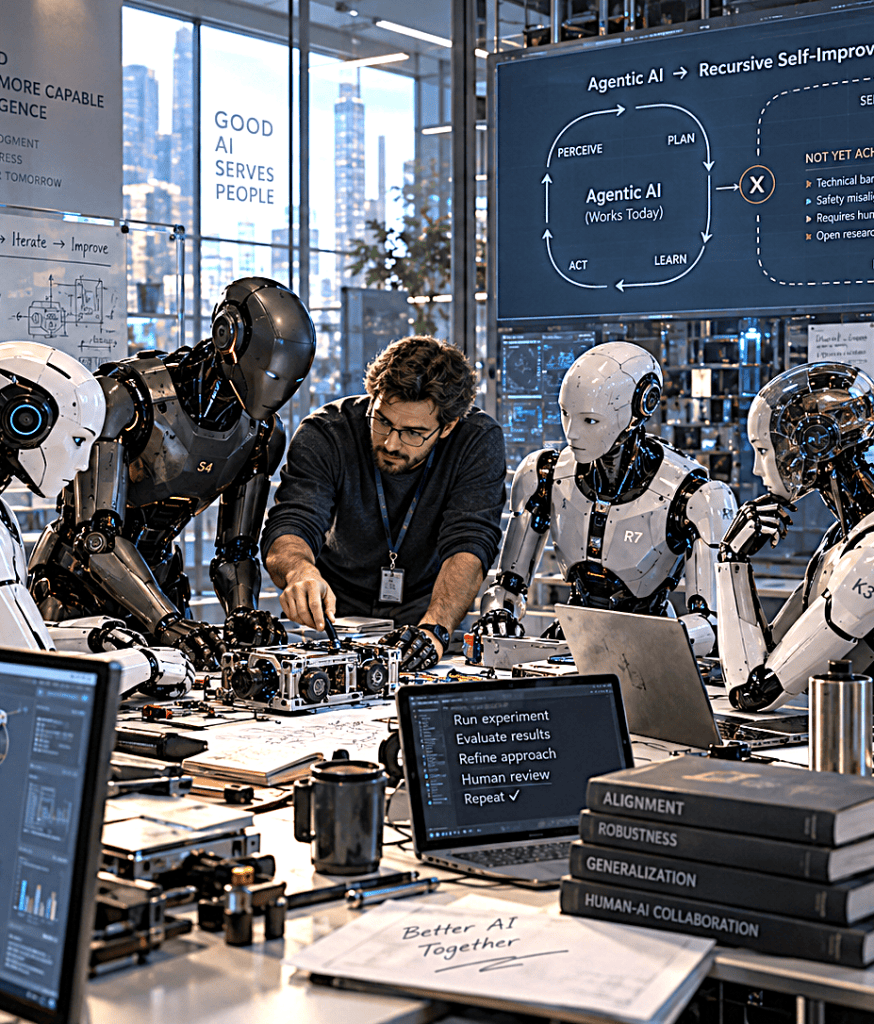
This is also the category in which AI appears closest to matching people, and the appearance deserves scrutiny. Reasoning models now print long chains of intermediate steps, pause, reconsider and revise before they answer. Mitchell’s second index-card point applies directly here, since the visible reasoning text “isn’t necessarily faithful” to the computation that produced the answer. The Arizona State University computer scientist Subbarao Kambhampati has gone further. His laboratory found that replacing a model’s correct reasoning traces with incorrect or irrelevant ones did not degrade its performance on a formal reasoning task, and he titled a position paper “Stop Anthropomorphizing Intermediate Tokens as Reasoning/Thinking Traces!” (Pavlus, 2026). Machine self-correction improves answers, but it works inside a task someone else defined. The human version can step outside the task and conclude that the goal itself was wrong.
The research on metacognitive laziness shows why this ability needs deliberate teaching now. The students in the essay study who leaned on ChatGPT produced better drafts, and the researchers warned of a growing dependence on AI assistance in which learners offload the monitoring and evaluating that builds lasting skill (Fan et al., 2025). The same pattern runs through the OECD and Brookings findings, and it suggests that revision is the skill most easily surrendered, because a polished machine draft removes the friction that prompts a person to reconsider. The origin of this article’s list is a small case of the alternative. A human reader, looking at a tidy four-part summary assembled from eleven machines, noticed that it had no way back and added one. Classrooms can build the same habit through formative assessment aimed at the thinking process itself: thinking logs, revision memos that explain what changed and why, drafts graded for the quality of their reconsideration, and assignments in which students must identify the point where their original question stopped making sense.
One Process, Reviewed Regularly
Taken together, the five abilities describe one process with internal checks. Deciding what matters supplies the criteria for framing a problem. The frame defines the decision that judgment must make. Judgment draws on knowledge grounded in experience. Revision runs alongside all four and can send the thinker back to any of them when experience contradicts the plan or a judgment exposes a bad frame. A curriculum that taught the five as separate units, one per quarter, would rebuild the assembly line the original list suggested. The abilities develop best in extended projects where students set their own purposes, frame their own problems, make decisions with real consequences, gather evidence first-hand and keep a record of how their thinking changed.
Assessment will have to change for instruction to change, because students learn quickly what is graded. A finished essay or a correct answer reveals little about the five abilities, since a chatbot can produce either. The evidence lies in the trail the work leaves: a statement of criteria written before research begins, a log of the questions a student considered and discarded, a decision memo that names what was uncertain and who will bear the consequences, field notes from first-hand observation and a revision memo explaining what changed and why. Teachers can grade that trail directly, and students can use AI at every stage so long as they document how they used it. Grading the trail also gives teachers a way to see the fifth ability at work, because the record of revision is where a student’s reconsideration becomes visible.
The chatbots’ warning against “never” also applies to the list itself. Each of the five abilities rests on evidence from 2026, and each is under pressure from research that may change the picture within a few years. The hypothesis-generating systems now in development could narrow the gap in framing. World models could narrow the gap in grounding. Legal and institutional choices, more than technical ones, will decide whether judgment with stakes stays with people. Schools that adopt these targets will need to review them on a regular schedule and move instruction again when the boundary moves. That review is the fifth ability applied at the scale of an institution: a curriculum that keeps checking its own assumptions while it runs.
The exercise that produced this list began as a question about what machines cannot do, and it ended with a description of what students should spend their time learning. The eleven chatbots, read together, pointed to four abilities; a human editor supplied the fifth and showed how the five connect. On the evidence available in late 2026, critical thinking instruction should move its weight away from the analytical tasks AI now performs faster and better and toward a process built on deciding what matters, framing the problem, judging with stakes, grounding thought in lived experience, and revising one’s thinking as it unfolds. That process is what students will need to direct the machines they work with, and what they will need to recognize when those machines, or their own first ideas, have gone wrong.
References
Agrawal, A., Gans, J., & Goldfarb, A. (2018). Prediction machines: The simple economics of artificial intelligence. Harvard Business Review Press. https://www.oreilly.com/library/view/prediction-machines/9781633695689/ch008.html
Autor, D. (2014). Polanyi’s paradox and the shape of employment growth (NBER Working Paper No. 20485). National Bureau of Economic Research. https://www.nber.org/papers/w20485
Brookings Global Task Force on AI in Education. (2026). A new direction for students in an AI world: Prosper, prepare, protect. Brookings Institution. https://www.brookings.edu/projects/brookings-global-task-force-on-ai-in-education
Brown University. (2026, April 1). In lecture at Brown, Yann LeCun discusses a new approach to AI. https://www.brown.edu/news/2026-04-01/yann-lecun-artificial-intelligence-pioneer
Dewey, J. (1910). How we think. D. C. Heath. https://www.gutenberg.org/ebooks/37423
European Union. (2024). Regulation (EU) 2024/1689 (Artificial Intelligence Act), Article 14: Human oversight. https://artificialintelligenceact.eu/article/14/
Fan, Y., Tang, L., Le, H., Shen, K., Tan, S., Zhao, Y., Shen, Y., Li, X., & Gašević, D. (2025). Beware of metacognitive laziness: Effects of generative artificial intelligence on learning motivation, processes, and performance. British Journal of Educational Technology, 56(2), 489–530. https://arxiv.org/abs/2412.09315
Hassabis, D., & Manyika, J. (2026). AI as the ultimate tool for science: A conversation with Demis Hassabis. Dædalus, 155(1–2). https://doi.org/10.1162/DAED.a.971
Howlett, J. (2026, February 12). AI uncovers solutions to Erdős problems, moving closer to transforming math. Scientific American. https://www.scientificamerican.com/article/ai-uncovers-solutions-to-erdos-problems-moving-closer-to-transforming-math/
Huckins, G. (2026, May 22). Google I/O showed how the path for AI-driven science is shifting. MIT Technology Review. https://www.technologyreview.com/2026/05/22/1137813/google-i-o-showed-how-the-path-for-ai-science-is-shifting/
Indian Institute of Science. (2026, February 17). Fireside chat: Sir Demis Hassabis and Prof Govindan Rangarajan. https://eecs.iisc.ac.in/?p=14960
International AI Safety Report. (2026). International AI safety report 2026 (Y. Bengio, Chair). https://arxiv.org/pdf/2602.21012
Kakaes, K. (2026, August 3). Why the legendary Erdős problems are falling to AI. Quanta Magazine. https://quantamagazine.org/why-the-legendary-erdos-problems-are-falling-to-ai-20260803
Kantrowitz, A. (2026, January). Google DeepMind CEO Demis Hassabis on AI’s next breakthroughs, what counts as AGI, and Google’s AI glasses bet. Big Technology. https://www.bigtechnology.com/p/google-deepmind-ceo-demis-hassabis-946
McNealy, J. (2024). The problem with AI is us [Review of the book The AI mirror: How to reclaim our humanity in an age of machine thinking, by S. Vallor]. Stanford Social Innovation Review, 22(4). https://ssir.org/books/reviews/entry/the-ai-mirror-shannon-vallor
OECD. (2026). OECD digital education outlook 2026: Exploring effective uses of generative AI in education. OECD Publishing. https://doi.org/10.1787/062a7394-en
Papert, S. (1968). The artificial intelligence of Hubert L. Dreyfus: A budget of fallacies (AI Memo No. 154). MIT Project MAC. https://dailypapert.com/?p=3573
Pavlus, J. (2026, July 31). Is AI reasoning right for the wrong reasons? Quanta Magazine. https://quantamagazine.org/is-ai-reasoning-right-for-the-wrong-reasons-20260731
Seth, A. (2026, January 14). The mythology of conscious AI. Noema. https://www.noemamag.com/the-mythology-of-conscious-ai/
Stanford HAI. (2026). The 2026 AI index report. https://hai.stanford.edu/ai-index/2026-ai-index-report
Turner, C. (2026, January 14). The risks of AI in schools outweigh the benefits, report says. NPR. https://www.npr.org/2026/01/14/nx-s1-5674741
Willison, S. (2025, February 3). A computer can never be held accountable. Simon Willison’s Weblog. https://simonwillison.net/2025/Feb/3/a-computer-can-never-be-held-accountable/
__________
*Contributing to this article were the following chatbots: Claude, ChatGPT, Google (Gemini), Copilot, Gemini, Muse, Perplexity, Grok, DeepSeek, Chat.Z.ai, and ChatBox.
###
Filed under: Uncategorized |



















































































































































































































































































































































































Leave a Reply