


By Jim Shimabukuro (assisted by Gemini)
Editor
[Also see Some of the Most Exciting GenAI Innovations Are in Games (Nov. 2025)]
Introduction: I collaborated with Gemini for this mid-2025 report on the current impact of AI on video games. And, as usual, Gemini has been thorough and insightful. -js
Geminiʻs report:
AI is not just a recent trend in gaming; it’s a fundamental force that is reshaping every aspect of how games are made, played, and experienced.1 From the simplest enemies to entire procedurally generated worlds, AI is revolutionizing the industry.2 Here’s a breakdown of the major impacts AI is having on the world of digital gaming:
Enhancing Player Experience and Immersion3
This is perhaps the most visible impact of AI. It’s all about making the game world feel more alive, responsive, and personalized.4
- Smarter Non-Player Characters (NPCs): Gone are the days of simple, scripted enemies.5 Modern AI-powered NPCs use techniques like behavior trees and machine learning to make intelligent, human-like decisions.6 They can use cover, flank the player, coordinate with other allies, and even “learn” from previous encounters, making for more challenging and unpredictable opponents.7
- Dynamic Difficulty Adjustment (DDA): AI systems can analyze a player’s performance in real-time and adjust the game’s difficulty accordingly. If a player is struggling, the AI might make enemies less aggressive or provide more resources. If a player is dominating, the AI can increase the challenge to keep the experience engaging and avoid boredom.8 This creates a more personalized and balanced experience for all skill levels.
- Adaptive and Dynamic Storytelling: AI is moving beyond static, linear narratives.9 Generative AI can create branching storylines and dialogue that adapt to player choices, creating a more personal and immersive story.10 Some games are even using AI to generate real-time dialogue and character responses, making interactions feel more natural and unique.11
Examples:
a. Smarter NPCs and Enemy AI

- Middle-earth: Shadow of Mordor (Warner Bros. Interactive Entertainment): The groundbreaking “Nemesis System” is a prime example. This AI system dynamically generates unique Orc enemies with their own personalities, strengths, and weaknesses. If an Orc defeats you, they remember you, get a promotion in Sauron’s army, and may even taunt you about your previous loss. This creates a personal and evolving rivalry with enemies, making the game world feel incredibly alive.
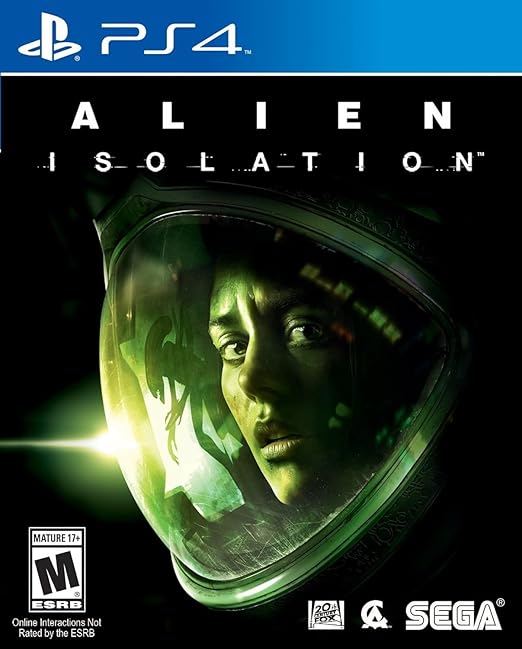
- Alien: Isolation (Sega): The Xenomorph in this game is famously unscripted. Its behavior is controlled by two AIs: one “Director” AI that paces the experience and another “Behavioral” AI that governs the Xenomorph’s actions. The creature isn’t on a set path; it actively hunts the player using its senses. This creates a truly terrifying and unpredictable horror experience that makes every encounter unique.
b. Dynamic Difficulty Adjustment (DDA)

- Left 4 Dead (Valve): The “AI Director” in this series is a masterclass in dynamic difficulty. It’s not a single AI, but rather a system that constantly monitors the players’ performance, health, and location. It then adjusts the game’s pace by spawning more zombies, placing items, or even changing the music to create moments of tension and relief. This ensures that no two playthroughs are ever the same, regardless of player skill.

- Resident Evil 4 (Capcom): An early and effective example of DDA. The game’s enemy spawn rate and aggressiveness are subtly adjusted based on how well the player is doing. If you’re consistently landing headshots and saving ammo, the enemies will become more tenacious and dangerous, making you feel challenged throughout.
Revolutionizing Game Development
AI is not just for the players; it’s a powerful tool for developers as well.
- Procedural Content Generation (PCG): Instead of manually creating every rock, tree, and building, developers can use AI algorithms to procedurally generate vast, unique worlds, levels, and assets.12 This dramatically reduces development time and costs, allows for more expansive game worlds (think games like No Man’s Sky), and ensures that every player’s experience is slightly different.
- Automated Art and Asset Creation: Generative AI is being used to create concept art, 3D models, textures, and even animations.13 This can speed up the art pipeline, allowing artists to focus on higher-level creative tasks and providing smaller studios with the ability to produce high-quality visuals without a massive budget.14
- Faster and More Efficient Testing: AI-powered bots can simulate millions of hours of gameplay to find bugs, glitches, and balancing issues far faster than human testers. This allows developers to catch problems early, ensuring a more polished and stable final product.
Examples:
a. Procedural Content Generation (PCG)
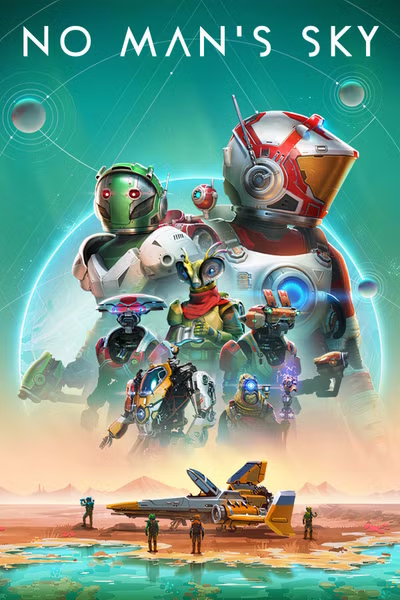
- No Man’s Sky (Hello Games): This is the ultimate example of PCG. The game’s entire universe, including its billions of planets, their ecosystems, and the creatures that inhabit them, is generated by AI algorithms. This allows for a scale of exploration that would be impossible to create by hand, providing a unique experience for every player.
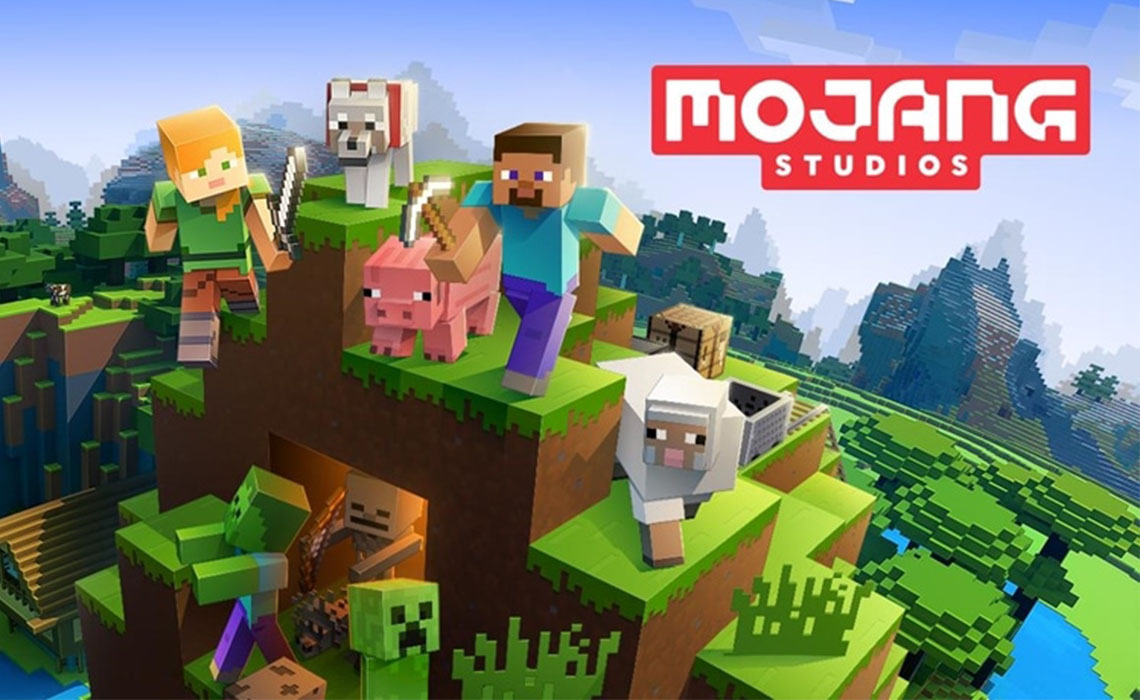
- Minecraft (Mojang): The world of Minecraft is procedurally generated using AI. Its terrain, biomes, caves, and structures are all created in real-time as the player explores. This allows for a virtually infinite world and provides the foundation for the game’s famous creative sandbox.
b. AI-Assisted Art and Animation
- FIFA / NBA 2K (EA Sports / 2K Sports): These sports franchises use AI to generate realistic animations for player movements. Instead of manually creating every possible action, they use machine learning and motion capture data to create fluid, natural-looking animations for everything from dribbling and passing to shooting and tackling.

- Microsoft Flight Simulator (Microsoft): This game uses a combination of satellite imagery and AI to procedurally generate a high-fidelity, real-time representation of the entire planet. AI fills in the details like trees and buildings, making the virtual world a stunningly accurate recreation of the real one.
Improving Game Operations and Monetization
Beyond the core gameplay, AI is also impacting the business side of gaming.15
- Player Behavior Analysis: AI can analyze vast amounts of player data to understand how people play, what they enjoy, and where they might get stuck.16 This information helps developers refine game design, improve retention, and create more effective monetization strategies.
- Personalized Recommendations: AI-driven algorithms on platforms like Steam and Xbox Live analyze your play history and preferences to recommend games you are likely to enjoy, helping you discover new titles and increasing engagement.17
- Cheat Detection: In online multiplayer games, AI systems are becoming increasingly effective at detecting and preventing cheating by analyzing player actions and identifying suspicious patterns in real-time.
In short, AI is moving from being a simple, rule-based opponent to an all-encompassing force that is shaping the entire gaming ecosystem.18 It’s making games more challenging, worlds more dynamic, and development more efficient, ultimately leading to more immersive and personalized experiences for players.
Examples:
a. Player Behavior and Cheating Detection
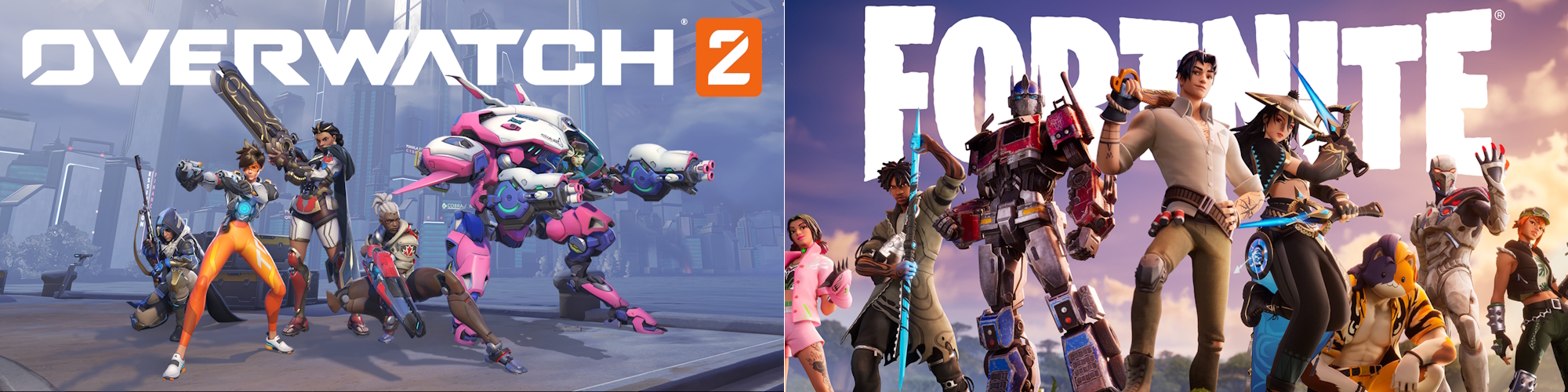
- Overwatch and Fortnite (Blizzard Entertainment / Epic Games): These and many other live-service multiplayer games use AI to detect and prevent cheating. AI systems can analyze millions of data points, identifying subtle patterns in player behavior (such as impossible reaction times or perfect aim) that are indicative of cheating, and then automatically flag or ban the account.
b. Quality Assurance and Testing
- Ubisoft: For their massive open-world games like Assassin’s Creed and Far Cry, Ubisoft uses AI-powered bots to automate testing. These bots can navigate the vast game worlds, complete quests, and stress-test systems far more efficiently than human testers, helping to find bugs and glitches that might otherwise be missed. This is especially crucial for ensuring a smooth experience after a new patch or update.

Game Developer and Gaming Platform Relationship
This relationship is a complex ecosystem, not a simple one-to-one collaboration. A key distinction is between a game’s developer, its publisher, and the platform on which it’s sold. A company can be all three, or they can be three separate entities. Here’s a breakdown of the typical relationships, using specific examples:
Developer and Platform as the Same Company
This is the most direct relationship. The platform holder is also the creator of the game, giving them complete control and allowing for deep integration of their AI technologies.
- Example: Valve and Left 4 Dead (on Steam)
- Developer/Publisher: Valve1
- Platform: Steam (which is owned and operated by Valve)2
- Relationship: Valve created the “AI Director” for Left 4 Dead to be a core feature of the game’s design. Because they own the platform, the game, and the engine, they have full control to implement this AI in a way that perfectly fits their vision. They aren’t required to pay a cut to a third-party platform holder, giving them full creative and financial autonomy.
Close Collaboration: Developer and Platform Partner
In this model, a third-party developer works closely with a platform holder, often with financial and marketing support, to create a game that showcases the platform’s capabilities.
- Example: Hello Games and No Man’s Sky (on PlayStation 4)
- Developer: Hello Games (an independent studio)3
- Platform Partner: Sony Interactive Entertainment (for the PlayStation 4 version)
- Relationship: Hello Games was a small, independent studio, and Sony provided significant marketing and promotional support for No Man’s Sky. The game was famously revealed at a Sony E3 press conference and was marketed as a major PlayStation 4 title. While Hello Games developed the game and the AI behind its procedural generation, the partnership with Sony was crucial for the game’s launch and its ability to get in front of a massive audience. Sony’s involvement did not mean they owned the game; Hello Games remained an independent studio and later brought the game to other platforms like Xbox and PC. The relationship was about a mutually beneficial marketing and distribution agreement.
Developer Using Platform’s Tools and Distribution
This is the most common model. A developer creates a game and uses a platform’s tools and services to publish it. While there might not be a deep “collaboration,” the developer relies on the platform for its audience and infrastructure.
- Example: Ubisoft and Assassin’s Creed Shadows (on Xbox, PlayStation, and PC)4
- Developer/Publisher: Ubisoft
- Platforms: Xbox (Microsoft), PlayStation (Sony), PC (Steam, Epic Games Store, etc.)
- Relationship: Ubisoft is a massive developer and publisher that creates its own games and AI systems (like the NPC AI in Assassin’s Creed). They then release these games on multiple platforms. To do so, they must use the development kits (like Microsoft’s GDK for Xbox) provided by the platform holders. They also have to adhere to each platform’s rules and pay a percentage of their revenue (typically around 30%) to the platform for the privilege of selling their game and accessing its user base. Microsoft and Ubisoft have a working relationship to ensure their games run properly on Microsoft’s consoles, and they might collaborate on things like having Ubisoft’s games available on Xbox Game Pass. But it is not a direct creative partnership.
Developer Creating a Game for a Specific Platform-Holder Service
This model is becoming more prevalent with subscription services like Xbox Game Pass. A developer is paid by a platform holder to make their game available on a service, often with an exclusive or day-one release agreement.

- Example: Microsoft and Game Developers (via Xbox Game Pass)
- Developer: Various third-party and first-party studios.
- Platform/Service: Microsoft (Xbox and PC Game Pass)5
- Relationship: Microsoft has a dedicated division for gaming, and its goal is to get great games onto its platforms, particularly its subscription service. To do this, they will pay a developer a fee to make their game available on Game Pass. This is a form of collaboration where Microsoft is essentially a client, paying the developer for a service (making their game available to subscribers). This is a business relationship that allows the developer to reach a large audience and get a guaranteed income, while Microsoft strengthens its service. An example might be a game like Starfield, which was developed by Bethesda and published by Microsoft after its acquisition of the studio, making it a first-party, Game Pass-exclusive title.
Overall Market Trends
The video game market is massive and continues to grow, but it’s a dynamic and competitive landscape.1 The trend is moving away from a simple hardware-focused business to a content-and-service-centric model.2 Here’s a breakdown of how major developers and platforms are performing and the key trends shaping their success.
- The Rise of Mobile Gaming: Mobile gaming remains the largest and most profitable segment of the entire industry.5 It’s driving growth, particularly in emerging markets in Asia and South America. Companies that excel in this space, often through free-to-play models with in-app purchases, are seeing significant profits.6
- Cross-Platform Play and PC Growth: The lines between console and PC are blurring.7 More games are launching with cross-platform play, and major console exclusives from companies like Sony and Microsoft are increasingly being released on PC. The PC gaming market is showing strong growth, driven by a growing player base and hit games.8
- Generative AI is a Key Investment: The use of AI is a universal trend. Developers are integrating AI to streamline workflows, shorten production times, and generate content, while platforms are using it to enhance player experience and data analysis.9
Performance of Key Companies
Leaders in Popularity and Profits
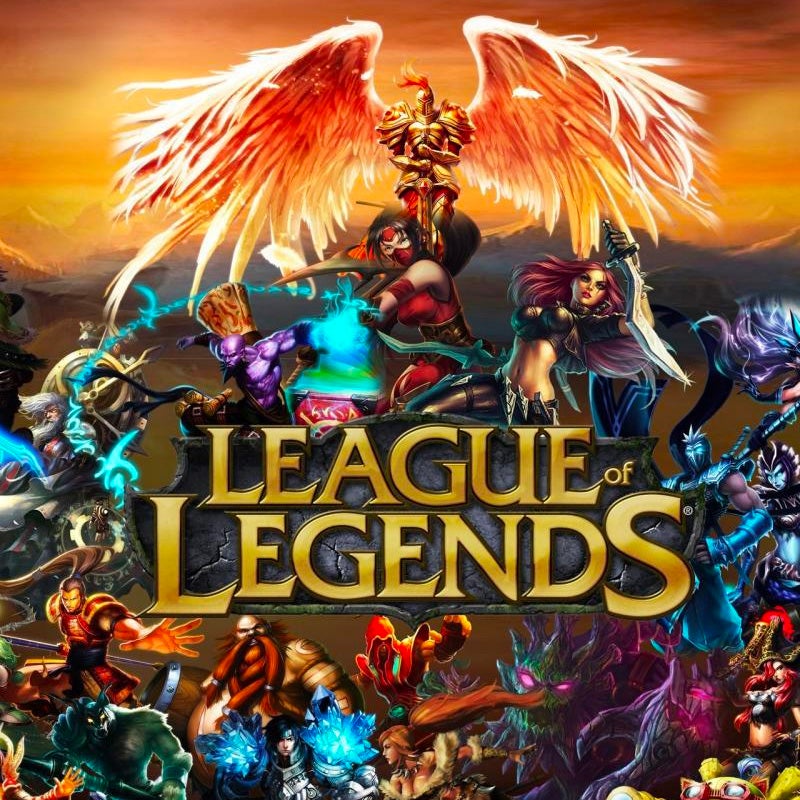
- Tencent: This Chinese company is a dominant force, often at the top of the revenue charts.10 It leads in the most lucrative segment of gaming: mobile. Tencent owns Riot Games (League of Legends) and holds significant stakes in many other major developers, including Epic Games (Fortnite).11 Their success is driven by a massive player base and a mastery of the free-to-play and live-service model.
- Sony (PlayStation): Sony is a powerhouse in the console space.12 The PlayStation 5 continues to sell exceptionally well, and the company has a strong portfolio of highly popular first-party exclusive titles like The Last of Us and Spider-Man. While they are also embracing PC releases and their PlayStation Plus subscription service is a major revenue driver, their core strength remains their console hardware and exclusive AAA content.


- Microsoft (Xbox): Microsoft’s gaming strategy is a testament to the “platform as a service” trend.13 While the Xbox console is a key component, their ultimate goal is to get players into the Xbox ecosystem, which includes Xbox Game Pass on consoles, PC, and even mobile devices via cloud streaming.14 The blockbuster acquisition of Activision Blizzard, a move approved in 2025, positions Microsoft with a massive library of popular franchises like Call of Duty and World of Warcraft, solidifying its position as a major content provider and a leader in subscription-based gaming.
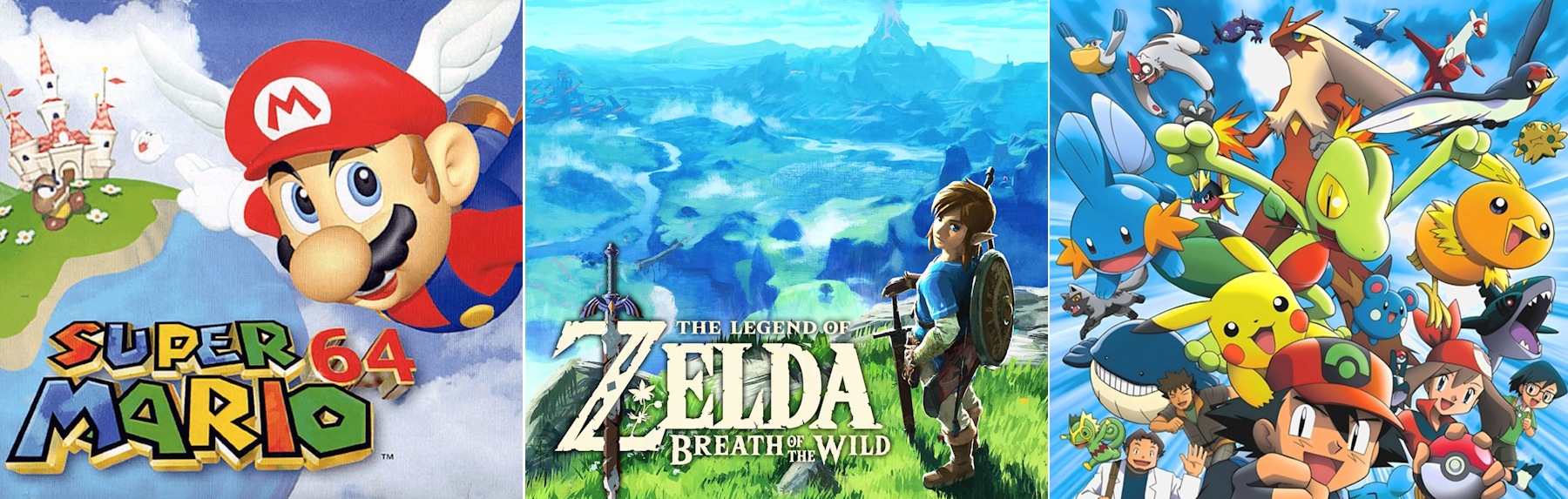
- Nintendo: Nintendo continues to perform exceptionally well by operating in its own unique niche. The Nintendo Switch has been a runaway success, selling over 150 million units.15 Its success is driven by a focus on unique, innovative hardware and beloved first-party franchises like Mario, Zelda, and Pokémon. The upcoming launch of the Switch 2 is poised to drive another wave of hardware and software sales.
Developers and Publishers
- Ubisoft: Known for its vast open-world franchises like Assassin’s Creed, Ubisoft is a major player.16 They are focusing on a mix of premium releases and live-service titles. While they have faced some challenges in recent years with a few underperforming AAA titles, they remain a top-tier developer and publisher with a diverse portfolio.
- Valve: As the owner of the Steam platform, Valve is an absolute leader in the PC gaming space.17 The company’s platform is the dominant digital storefront for PC games and its business model of taking a cut of all sales is highly profitable. Their first-party games, while less frequent, are often critically acclaimed, and their hardware like the Steam Deck has further cemented their place in the market.
In summary, the market is currently led by companies with diverse and robust strategies. Companies that own platforms (Sony, Microsoft, Valve), those that dominate the massive mobile market (Tencent), and those with a uniquely successful niche (Nintendo) are all thriving.18 The overall trend is towards subscription services, cross-platform releases, and the continued, expanding dominance of mobile gaming, with AI being an increasingly critical tool for both development and business operations.19
Filed under: Uncategorized |


 Educational Technology and Change Journal

[…] One of the most visible impacts of AI in gaming is the creation of smarter, more adaptive NPCs . Instead of following rigid, predictable scripts, modern AI-powered NPCs use sophisticated algorithms such as behavior trees and machine learning to make dynamic, human-like decisions. For example, enemies can now use cover, coordinate with allies, and adapt their strategies based on the player’s past actions. This creates a gameplay experience that is more challenging, realistic, and engaging. [3] […]