





By Jim Shimabukuro (assisted by Claude, Gemini, Copilot, and Perplexity)
Editor
Introduction: I collaborated with Claude, Gemini, Copilot, and Perplexity on this report. The purpose of government is to make its services more accessible and responsive, and the hope is that AI can help to achieve this purpose. -js
Combined responses from Claude, Gemini, Copilot, and Perplexity
Why California Leads in State AI Innovation
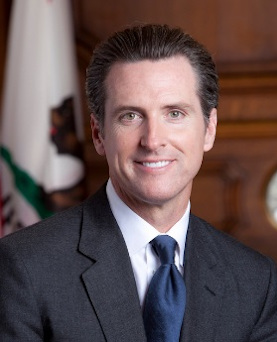
Comprehensive AI Strategy: California partnered with NVIDIA to launch a first-of-its-kind AI collaboration in August 2024, signed by Governor Gavin Newsom and NVIDIA founder & CEO Jensen Huang, aimed at training students, educators and workers; supporting job creation and promoting innovation; and using AI to solve problems. This represents one of the most significant public-private AI partnerships at the state level. California also collaborates with companies like Microsoft and Google to test AI tools for data analysis, fraud detection, and predictive modeling in areas like wildfire response and unemployment insurance.
Comprehensive Framework for Study: The framework was designed for the study, testing, training, and evaluation of AI in state government, demonstrating a strategic and proactive approach to the technology. It emphasizes equity, civil rights, and transparency, setting a gold standard for ethical AI use.
First-in-Nation Government Implementation: California deployed first-in-the-nation GenAI technologies to improve efficiency in state government and California is one of the first states to issue guidelines for state agencies seeking to use generative AI tools. This demonstrates practical implementation rather than just policy development. A prime example is the use of GenAI by the California Department of Transportation (Caltrans) to analyze complex data to improve traffic pattern analysis, address bottlenecks, and enhance roadway safety.
Pilot Projects Across Agencies: California launched AI pilot programs in departments like Health and Human Services, DMV, and Employment Development to streamline services, reduce wait times, and improve citizen engagement. These programs enable the state to test, iterate, and scale the most successful technologies quickly, creating models for other governments to follow.
AI Risk Assessments & Inventories: Agencies are required to conduct impact assessments and maintain inventories of AI tools in use — a move toward accountability and governance.
Innovative Procurement Method: The state is utilizing an innovative procurement method called “Request for Innovative Ideas (RFI2),” which allows it to quickly adopt new projects and work with a wider range of AI innovators. This method is a key factor in California’s ability to move faster than other states.
State tax authorities are integrating AI to streamline customer service, making government more accessible for residents.
State-Wide Digital Assistance: California has launched a pilot program for a “State Digital Assistance AI tool” through the California Department of Technology, which is being deployed to eight state departments. This initiative aims to streamline processes and improve operational efficiencies across the government.
Customer Service Enhancements: The California Department of Tax and Fee Administration is testing AI to assist customer service agents with inquiries, with the goal of reducing call lengths and wait times, and improving accuracy. This demonstrates a practical, user-focused application of AI to improve constituent services.
Educational Innovation: The California State University system announced a landmark initiative to become the nation’s first and largest AI-empowered university system, with AI tools and training available to all 460,000 students and 63,000 faculty and staff.
Regulatory Leadership: California has introduced 30 new AI proposals and is developing comprehensive regulatory frameworks, with the state leading the way as the US develops AI laws at the state level rather than federally.
Tech-Ecosystem Integration: No other state matches California in proximity and access to AI talent and companies. As of 2025, 32 of the world’s top 50 AI companies are headquartered in California, providing unparalleled workforce, thought leadership, and industry collaboration opportunities.
Nation-Leading Regulation and Policy: California’s AI approach is not just about adoption but responsible governance. Newsom’s executive orders require all state agencies to actively identify opportunities for AI use, streamline operations, and reduce red tape, while also focusing on transparency, accountability, and public good.
Key Leaders
Governor Gavin Newsom issued the executive order on generative AI (2023) that set the comprehensive framework for AI exploration and deployment. He has been the primary driver of California’s AI initiatives, personally signing partnerships and announcing major programs. Jensen Huang, NVIDIA’s founder and CEO, has been the key private sector partner in California’s AI transformation.
Toks Omishakin, California Transportation Secretary has been a key figure in the state’s use of AI for transportation and traffic management, highlighting the potential of this technology to improve public safety and mobility.
Trista Gonzalez, CDTFA Director, has been instrumental in the pilot programs to use GenAI to improve customer service in the Department of Tax and Fee Administration.
Amy Tong, Secretary of Government Operations, oversees AI implementation across state agencies, ensuring ethical use and interagency coordination.
Yolanda Richardson, Former GovOps Secretary, helped lay the groundwork for digital transformation and AI readiness in California’s bureaucracy.
Nick Maduros, Secretary, Government Operations Agency, was instrumental in overseeing cross-departmental AI deployments and championing the use of GenAI to improve government service delivery.
Pedro Nava, chair, Little Hoover Commission: California’s independent performance review agency, the Little Hoover Commission, has conducted oversight, issued policy recommendations, and advocated for robust state-wide AI strategies.
Assessment
California’s approach is succeeding because it combines practical government implementation, educational transformation, regulatory innovation, and strategic private partnerships. Their efforts are critically important because they’re establishing precedents for how state governments can harness AI responsibly while maintaining public trust through transparency and regulation.
The state is essentially creating a blueprint for AI governance that balances innovation with protection, which other states will likely follow. Given California’s economic influence and tech sector leadership, their AI policies and implementations will significantly shape how AI is integrated into American public administration and education systems nationwide.
Critical Importance
Improve Efficiency and Productivity: AI can automate mundane tasks, allowing government employees to focus on more complex and strategic work, which in turn leads to better service delivery.
Enhance Public Services: From improving traffic flow to making government services more accessible and responsive, AI can directly benefit citizens and improve their quality of life.
Set a Standard for Responsible Innovation: As a leader in both technology and governance, California has an opportunity to set a precedent, a blueprint, for the responsible and ethical use of AI in the public sector. By establishing a comprehensive framework, the state is addressing concerns about data privacy, bias, and transparency from the outset.
Tech Ecosystem Leverage: Harnessing the proximity to leading AI companies ensures California’s public sector benefits from world-class expertise—and that regulatory lessons feed back into industry best practices.
Drive Economic Growth: By actively engaging with the AI industry, California is fostering a fertile environment for innovation and economic growth within its borders, solidifying its position as a global technology hub.
Filed under: Uncategorized |


 Educational Technology and Change Journal

Leave a comment