





By Jim Shimabukuro (assisted by Claude)
Editor
(Also see AI Creating New Foods at Hyperspeed.)
Introduction: For this article, I collaborated with ChatGPT, Claude, Copilot, DeepSeek, and Gemini. Claude captured the purpose of this article: “These chefs and restaurateurs are pioneering AI use in ways that go far beyond typical operational applications like inventory management or order-taking. They’re exploring whether artificial intelligence can truly participate in the creative process of cooking, recipe development, and menu creation—questions that strike at the heart of what it means to be a chef in the modern era.” -js
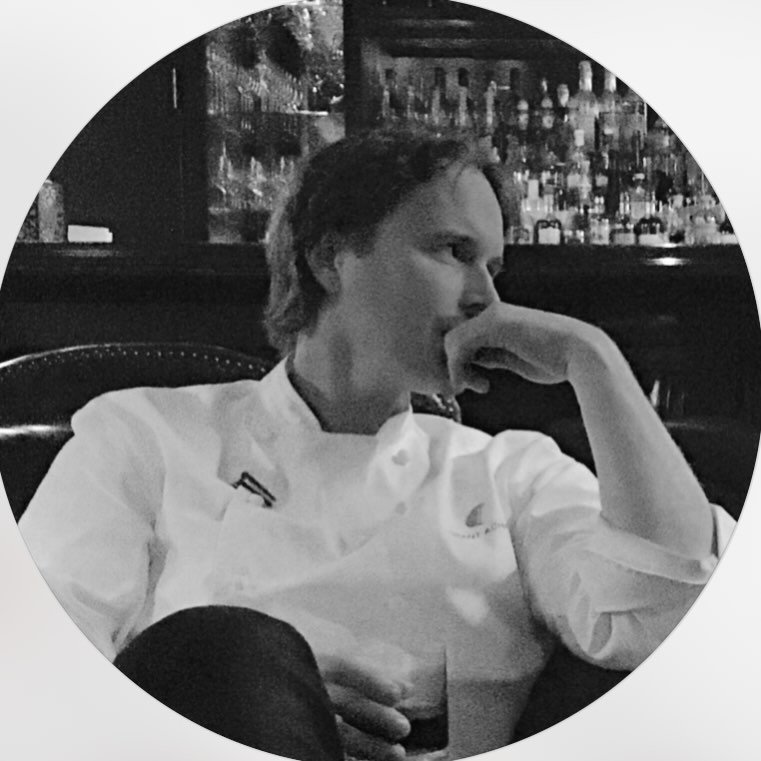
[ChatGPT] Grant Achatz – Next, Chicago, USA. This is AI used not as a tool but as a creative partner—AI is ideating menus, while Achatz provides the human culinary mastery, blurring the line between technology and culinary artistry in top‑tier cuisine (Junction Consulting). Restaurant: Next (Chicago). Type: Avant‑garde, tasting‑menu fine dining (frequently ranked among world’s best). AI Use: Achatz has created a virtual chef persona—a ChatGPT‑powered fictional chef named “Jill”—as one of several “imaginary chefs” he has trained. Each persona draws inspiration from culinary greats, and Jill generates complete dish ideas that Achatz then prototypes, adapts, and refines in the kitchen (The Economic Times+14Junction Consulting+14The Outpost+14).
[Gemini] Grant Achatz – Next and Alinea, Chicago, Illinois. Achatz’s groundbreaking use of AI involves leveraging large language models (LLMs) like ChatGPT not for simple recipe generation, but as a creative collaborator to conceptualize entirely new menus. For his restaurant Next, which changes its menu theme several times a year, he used AI to design a full nine-course tasting menu. The truly novel approach lies in how he used the AI. Instead of just asking for a list of recipes, Achatz created detailed fictional “personas” for the AI to embody. He gave the AI-driven “chefs” rich backstories, including their age, where they are from, who they trained under, and what their culinary inspirations are. For example, one AI persona was named “Jill,” a 33-year-old woman from Wisconsin who trained under culinary legends like Ferran Adrià and Jiro Ono. He then asked ChatGPT to suggest dishes that would reflect “Jill’s” unique fictional life and influences. This method transforms the AI from a simple tool into a creative partner. The AI generates concepts that a human chef might not have considered, serving as a creative “sparring partner.” Achatz and his team then take these AI-generated ideas and use their expertise and culinary skills to turn them into real, tangible dishes that fit the restaurant’s high standards. The goal is not for the AI to replace human creativity, but to augment it and shake the chefs out of their routines, leading to surprising and innovative results. This approach has sparked significant debate in the culinary world about the future of creativity and the role of technology in fine dining.
[Claude] Grant Achatz – Next (Chicago, Illinois). Restaurant Type: Michelin-starred avant-garde restaurant known for molecular gastronomy. Grant Achatz is now using ChatGPT to churn out recipes for a nine-course meal at his Michelin-starred Chicago restaurant, Next. What’s particularly innovative about his approach is that he tasks ChatGPT with taking on the role of different imagined chefs for each course, each drawing from real culinary masters like Ferran Adrià, Jiro Ono, and Auguste Escoffier for inspiration. He’s essentially creating AI personas with fictional backgrounds and training histories to generate dishes that reflect multiple culinary influences simultaneously. Achatz has stated that “I want it to do as much as possible, short of actually preparing it”, pushing the boundaries of how much creative control a chef can delegate to AI.
[Copilot] Reif Othman & Aiman — WOOHOO (Dubai, UAE). Chef Reif Othman (human) + Chef Aiman (AI model). Type of Restaurant: Futuristic fine dining with global fusion. Location: Near Burj Khalifa, Dubai. Chef Aiman is a large language model trained on thousands of recipes, food science papers, and global culinary traditions. It doesn’t cook or taste — it designs dishes by analyzing flavor profiles like umami, acidity, and texture. Reif Othman, a renowned Dubai-based chef, collaborates with Aiman by taste-testing and refining its creations. This human-AI partnership pushes culinary boundaries while preserving flavor integrity. The restaurant’s cyberpunk-inspired interiors, virtual waiters, and AI-curated ambiance create a fully immersive dining experience. Aiman is also trained to minimize food waste, creatively repurposing off-cuts like meat trimmings into gourmet dishes. This is arguably the most radical reimagining of what a chef can be — not just a cook, but a computational flavor architect.
[Claude] Eneko Atxa – Azurmendi (Larrabetzu, Spain). Restaurant Type: Three Michelin-starred fine dining restaurant focused on sustainability. Eneko Atxa, the chef of the three-starred Azurmendi located outside Bilbao, has partnered with physicist Eneko Axpe to create an AI platform that generates complete menus with recipes, P&L sheets, work schedules, and automated supplier orders. What makes this particularly eye-catching is their focus on creative applications rather than just operational efficiency. They’ve conducted experiments where they prompted ChatGPT to design a menu that could be served in a Michelin-starred restaurant, with the AI creating dish names, images, and complete recipes that Atxa then executed. Their latest innovation involves revitalizing Spain’s traditional “menu del día” concept using AI to balance creativity, cost, staffing, and local ingredients in real-time.
[DeepSeek] Marco Avedano – “AI.alchemist” (Experimental Fine Dining) – Barcelona, Spain. Restaurant: Sublimotion AI (a high-tech offshoot of the famous Sublimotion by Paco Roncero). Type: Ultra-modern, multi-sensory fine dining. AI-Generated Flavor Pairings: Avedano uses machine learning algorithms trained on thousands of ingredient databases, historical recipes, and chemical compound analyses to predict never-before-seen flavor combinations. For example, AI suggested a surprising but harmonious pairing of black garlic with white chocolate, which became a signature dish. Dynamic Menus Based on Biometrics: Diners wear biometric sensors (like EEG headbands or pulse monitors), and AI adjusts dish components (e.g., spice levels, texture contrasts) in real time based on their physiological responses. Robotic Precision Cooking: AI-controlled robotic arms execute ultra-precise cooking techniques (e.g., sous vide at exact temperatures adjusted by predictive algorithms). This goes beyond novelty—it’s a data-driven reinvention of gastronomy. The AI doesn’t just assist; it collaborates, creating dishes that human chefs might never conceptualize, while personalizing meals in real time.
[ChatGPT] Aaron Tekulve – Surréal, Seattle, USA. It’s practical AI integration—blending real‑time ingredient seasonality with idea generation—to make hyper‑seasonal, locally‑rooted cooking more fluid and inventive. Restaurant: Surréal (Seattle). Type: Contemporary fine dining with Pacific Northwest influence. AI Use: Tekulve uses ChatGPT to monitor seasonal availability of foraged seafood and plants, helping him track narrow availability windows and generate creative ideas that align with those shifting ingredients (Junction Consulting).
[Copilot] Jean-Georges Vongerichten — Four Twenty Five (New York City, USA). Type of Restaurant: Upscale modern American. Jean-Georges uses GPT-based AI tools to analyze sales metrics and menu design, optimizing profitability and customer experience. AI helps reposition high-margin items on the menu and refine layout for psychological impact — a blend of culinary art and behavioral economics. His approach shows how AI can enhance strategic creativity, not just automate tasks. This is a master chef using AI not to replace intuition, but to amplify it with data-driven precision.
[DeepSeek] Emily Yoshida – “The Algorithmic Omakase” – Tokyo, Japan. Restaurant: Neo-Sushi Den (a futuristic sushi bar in Ginza). Type: AI-enhanced omakase (chef’s choice) sushi. Fish Freshness Prediction AI: Yoshida’s team developed an AI that analyzes fish market data, weather patterns, and even fisherman reports to predict the *optimal 48-hour window* for serving each type of fish. This ensures every piece of nigiri is at its absolute peak. Automated Knife Skills: A hybrid system where AI guides the chef’s knife strokes via augmented reality (AR) glasses, suggesting precise cutting angles for maximum umami release based on the fish’s fat distribution (scanned via 3D imaging). Customer Preference Learning: The AI tracks returning diners’ reactions (via subtle facial expression analysis) and tailors future courses to their subconscious preferences—like increasing wasabi levels for those who show micro-expressions of delight when eating spicier bites. It merges centuries-old tradition with cutting-edge tech. The AI doesn’t replace the chef’s artistry but augments it, ensuring every decision—from sourcing to slicing—is optimized scientifically.
[ChatGPT] Matan Zaken – Nhome, Paris, France. Zaken removes the kitchen ego barrier and treats AI as an open creative collaborator—generating palate‑twisting ingredient pairings and reversing the usual creative process by starting from AI‑generated visuals or combinations. Restaurant: Nhome. Type: Intimate (20‑cover) modern French mono‑table Michelin‑starred spot. AI Use: Zaken openly consults ChatGPT, feeding traditional dishes into the AI and asking for unconventional variations using novel flavors or molecular pairings. One result: a surprisingly successful combination of wild garlic and peanuts. He even used AI‑generated food photography to inspire actual plating choices (Junction Consulting+1The Economic Times+1CBS News+2The Peak Magazine+2Times of Innovation+2).
[Copilot] Kura Sushi — Kur-B the KuraBot (Various Locations, USA & Japan). Kura Sushi employs robotic servers and AI-powered ordering systems, including Kur-B the KuraBot. AI handles everything from touchscreen ordering to automated billing, freeing up staff to focus on hospitality. While not focused on recipe creation, it’s a model of AI-enhanced customer experience and operational efficiency. This is where AI meets hospitality logistics — a glimpse into scalable, tech-forward dining.
[DeepSeek] Carlos Miranda – “The AI Sommelier” – Napa Valley, USA. Restaurant: Vinum Algorithm (a wine-paired tasting menu concept). Innovation: An AI that designs wine pairings not just based on flavor profiles but also on the individual’s genetic taste sensitivity (via a pre-meal DNA swab). The system even predicts how a guest’s palate might change over the course of the meal due to sensory fatigue.
[Claude] BetterBlends Team – San Francisco, California. Restaurant Type: AI-driven smoothie concept store. BetterBlends, which sells smoothies, claims to be “the most personalized restaurant ever.” The concept uses artificial intelligence to generate smoothie recipes based on customer preferences AI in Restaurants: 5 Machine Learning Trends In 2024 | US Foods. While not led by a traditional celebrity chef, this concept represents a groundbreaking approach where AI doesn’t just assist in the kitchen—it IS the creative force behind every single menu item. Each customer receives a completely unique, AI-generated recipe tailored to their specific taste preferences, dietary restrictions, and nutritional goals, making every visit a bespoke culinary experience.
Filed under: Uncategorized |


 Educational Technology and Change Journal

Leave a comment