


By Jim Shimabukuro (assisted by ChatGPT-5)
Editor
(Also see Chefs Using AI in Exciting New Ways.)
Introduction: ChatGPT-5 provides a ranked, up-to-the-minute snapshot (August 2025) of five AI innovations that are genuinely changing how the world invents food and beverages. -js
1) AI recipe–optimization engines at global CPG scale (Mondelez/Thoughtworks)
What it is.
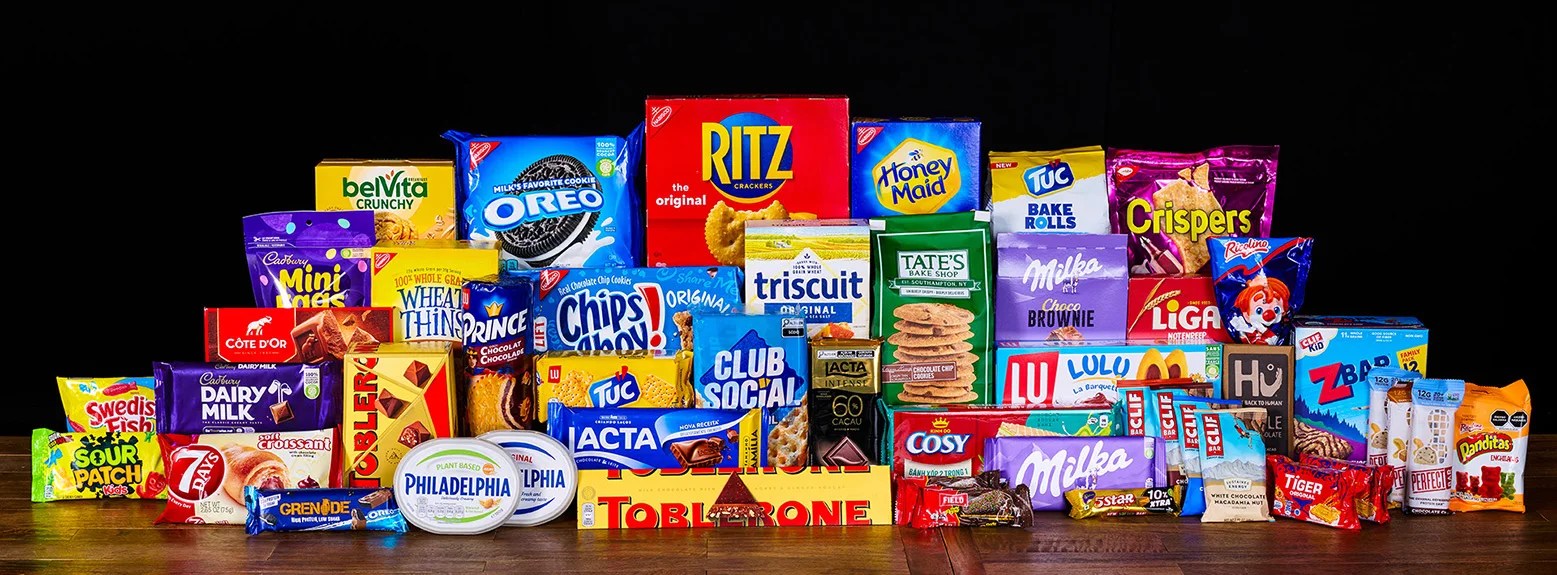
Mondelez International (Oreos, Chips Ahoy, Cadbury, etc.) runs an AI engine that proposes new recipes and reformulations, then scores each option across taste targets, ingredient cost/availability, nutrition constraints, sustainability impact, and manufacturability. Human developers and sensory panels still make the final calls, but the “front end” search through a massive recipe space is automated and much faster. (Wall Street Journal, Thoughtworks)
Key people/companies.
The system originated in collaboration with Fourkind—a Finnish ML consultancy acquired by Thoughtworks in 2021—then matured inside Mondelez’s R&D workflow. Thoughtworks has profiled the approach publicly as an exemplar of “AI as creativity catalyst.” (Thoughtworks)
What success looks like.
By late-2024 the tool had been used in 70+ projects and credited with compressing concept-to-launch timelines by roughly four-to-five-fold, with outcomes like Gluten-Free Golden Oreos and recipe tweaks that held brand essence while meeting new consumer and regulatory requirements. The Wall Street Journal and other outlets documented the speedups and scope. The point isn’t to replace chefs or food scientists; it’s to eliminate weeks of trial-and-error by pre-screening promising formulas that are likely to delight panels and scale on real lines. (Wall Street Journal)
Industry impact.
Mondelez demonstrated that enterprise-grade AI can be embedded in stage-gate product development without breaking brand guardrails. The visible wins (faster launches, resilient supply choices, cleaner labels) have pushed peers to adopt similar platforms for snacks, confectionery, and bakery, with trade coverage in 2025 noting AI’s growing role across the confectionery sector. Expect more multimodal inputs (flavor chemistry, LCA data, volatile-aroma signatures) and tight integration with demand-sensing so that the same stack that invents a cookie also forecasts when and where to ship it. (ConfectioneryNews.com)
2) Gen-AI–accelerated front-end innovation at Nestlé (“NesGPT” + proprietary tools)
What it is.
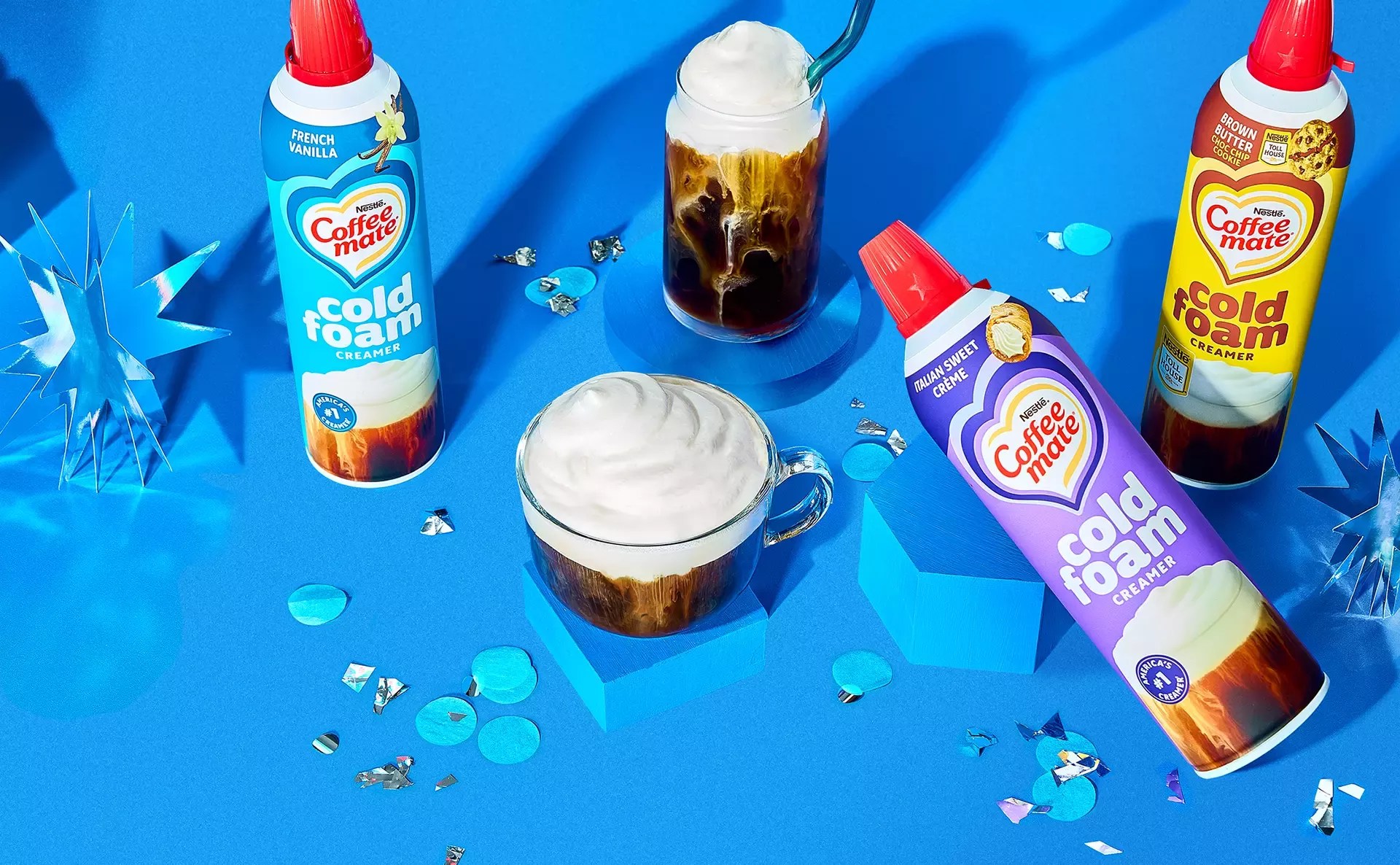
Nestlé has rolled out internal generative-AI tools to the front end of innovation: mining consumer insight, generating/iterating product concepts, and pre-testing ideas before committing pilot-plant resources. Think of it as a “co-pilot” for cross-functional teams that connects insights, formulation know-how, and brand constraints to produce tighter concept briefs and faster first prototypes. (Nestlé USA)
Key people/companies.
While Nestlé doesn’t publicize every vendor, the company has described a proprietary gen-AI tool embedded in its end-to-end innovation process, alongside the widely reported internal “NesGPT.” Independent industry analyses (EMERJ, DigitalDefynd, Klover) have chronicled both the scope and aims of Nestlé’s AI push. (Nestlé USA, Emerj Artificial Intelligence Research, DigitalDefynd, Klover)
What success looks like.
The headline result: meaningful acceleration of ideation and concept screening, with public statements emphasizing faster, more efficient generation and testing of ideas. Beyond speed, teams report better fit—concepts that debut with sharper positioning and clearer reasons-to-believe because the tool marries consumer language with feasibility and nutrition constraints early. There’s also measured productivity gain from day-to-day “knowledge chores” (summaries, comparisons, doc prep), which frees specialists for higher-value experimental work. (Nestlé USA, BigRio)
Industry impact.
Nestlé’s scale matters: when the world’s largest food company operationalizes gen-AI in stage-gate R&D, it normalizes the practice for everyone else—from regional dairies to beverage startups. Expect the next step to be closed-loop learning as sales/usage signals flow back to the front end automatically, allowing continuous concept regeneration. For suppliers and co-packers, this means earlier visibility into likely spec ranges and, ultimately, smoother commercialization. (IFT)
3) “Digital twins” of consumers for virtual product testing (Foodpairing)
What it is.
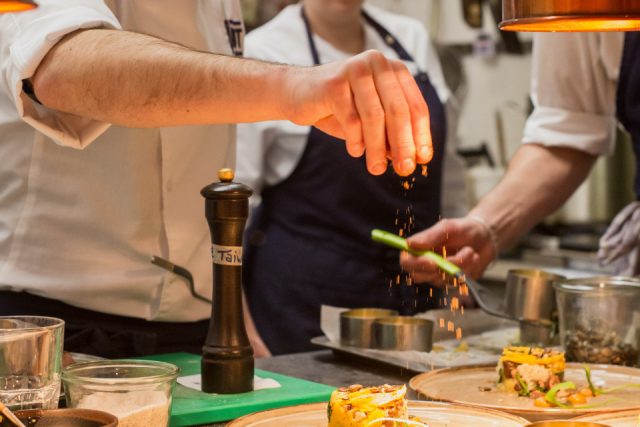
Foodpairing builds AI “digital twins” of target consumers—virtual representations that can “taste” millions of formula variations and predict preference for specific audiences. The platform blends molecular flavor chemistry, sensory science, and behavioral/market signals to test ideas in hours, not months—before a single expensive pilot run. (Foodpairing)
Key people/companies.
Foodpairing was founded by Bernard Lahousse (bio-engineer), Peter Coucquyt (chef), and Johan Langenbick (entrepreneur), who are known for bridging lab-grade aroma analysis with practical product development. In mid-2025, trade and industry coverage continued highlighting Foodpairing’s AI + flavor-science approach to reducing waste and misses. (Forward Fooding, Amazon, Complete AI Training)
What success looks like.
Two concrete wins: (1) massive pruning of the formulation search space by surfacing only the variants a twin predicts will win with, say, “Gen-Z cola-mixers in Southeast Asia,” and (2) better first-time-right rates when those candidates reach physical sensory panels. Teams report cutting time-to-concept by 30–50% and avoiding costly dead-ends thanks to pre-test signals on liking, distinctiveness, and even optimal launch territories. (Foodpairing’s own materials emphasize hours-scale testing of “millions of ideas.”) (Foodpairing)
Industry impact.
Digital twins are redefining “consumer-in” R&D. Traditional central-location tests are slow and geographically narrow; twins let you stress-test a kombucha or snack line against exact psychographic niches worldwide, then align claims, packaging, and price packs accordingly. As more CPGs connect these twins to live retail and social data, the virtual tasting room will become a persistent asset—updated as tastes shift, and invaluable for personalization and limited-time runs. (Headspace Blog)
4) AI discovery of bioactive compounds for functional foods (Brightseed’s Forager®)
What it is.
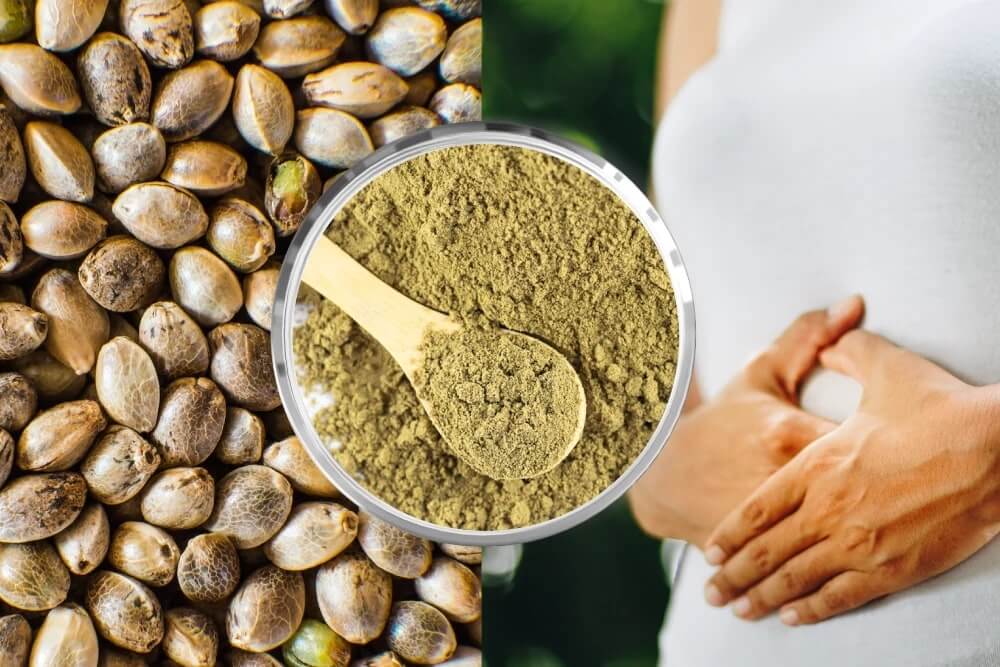
Brightseed’s Forager® is an AI platform that maps plant (and other natural) compounds and predicts their effects on human biology, drastically compressing the discovery of health-relevant bioactives. It pairs deep-learning models with multi-omics data and then validates promising hits biologically—turning obscure phytonutrients into novel ingredients for gut, metabolic, and cognitive health. (Brightseed)
Key people/companies.
Co-founders include CEO Lee Chae, PhD, and President/CCO Sofia Elizondo; Brightseed partners with large food companies (notably Danone North America) to scout bioactives for applications like gut health (e.g., chicory-root molecules). Public materials and recent government/tech snapshots note Forager’s scale (millions of compounds mapped; tens of thousands of predicted bioactives). (Brightseed, Nutraceutical Business Review, Northland Regional Council)
What success looks like.
What used to take years of wet-lab fishing can now be triaged in months: Forager filters candidate molecules, flags likely mechanisms, and points R&D to targeted validation—faster identification of clinically meaningful ingredients and clearer health narratives for consumer products. The platform has already produced novel, clinically supported bioactives that are commercialized, with partners using Forager directly to accelerate time-to-market. (Brightseed)
Industry impact.
AI-first bioactive discovery is a bridge between food and “light pharma,” expanding the palette of efficacious, naturally derived ingredients with substantiated benefits. As regulatory landscapes evolve, expect more foods-with-function claims grounded in mechanism-of-action evidence, and a new procurement dynamic: brands will license or co-develop specific molecules (or botanical fractions) the way they once licensed flavors. Forager-like stacks could also help regional agriculture valorize underused plants by proving out their health chemistry. (IFT)
5) Combinatorial ingredient mapping for animal-free analogs (NotCo’s “Giuseppe”)

What it is.
NotCo’s “Giuseppe” is an AI engine that learns the relationships between animal-based foods’ sensory signatures and plant ingredients’ molecular/functional properties, then proposes plant-only combinations that mimic the target. It treats formulation like a search through a near-infinite combinatorial space—far beyond what a human chef could enumerate—and returns shortlists that are achievable with today’s supply chains. (notco.com)
Key people/companies.
Founded by Matías Muchnick (CEO), computer scientist Karim Pichara (creator of Giuseppe), and plant scientist Pablo Zamora, NotCo has deployed the platform across milks, burgers, mayos, and ice creams—and in 2024 made headlines with a plant-based “NotTurtle” soup that reproduced the dish’s flavor without turtle, illustrating the system’s power and ethics-first storytelling. Reuters’ reporting detailed how Giuseppe explored “260 quintillions” of combinations to land on a five-protein blend. (notco.com, Reuters)
What success looks like.
NotCo has launched in a dozen markets, formed co-branding and licensing deals, and positioned Giuseppe as an engine for either stand-alone products or joint development with incumbents. The speed isn’t only in ideation—Giuseppe helps right-size formulas for cost and supply resilience (e.g., swapping ingredients while preserving target texture/volatiles), which matters in the volatile plant-protein market. Media profiles and company materials consistently underscore the tech’s scale and versatility. (Reuters, Reuters Connect)
Industry impact.
By showing that AI can back-cast from a beloved animal-based experience to a feasible plant formula, NotCo reframed plant-based as a search problem rather than a sequence of culinary hacks. That lens now informs dairy-free, seafood-free, and egg-free pipelines across the industry. Longer term, expect “Giuseppe-like” engines to co-optimize for nutrition density and carbon intensity—so the best replica isn’t just tasty and cheap, it’s objectively healthier and lower-emissions by design. (Reuters)
Why these five—and why this order?
- Scale + repeatability (Mondelez, Nestlé) carry the broadest industry impact today—thousands of SKUs and global brands are touched.
- New capability (Foodpairing twins, Brightseed Forager) unlocks tests and discoveries that weren’t feasible at speed.
- Category reinvention (NotCo) shows AI’s power to re-platform entire product spaces (animal → plant), with measurable sustainability upside.
Filed under: Uncategorized |


 Educational Technology and Change Journal

Leave a comment