


By Jim Shimabukuro (assisted by Gemini*)
Editor
Introduction: Based on the trends and innovations in audiophile equipment, here are five of the most important innovations for Gen Z in 2025. -Gemini
1. AI-Powered Personalized Audio Profiles
The most significant innovation for Gen Z is the integration of artificial intelligence to create a truly personalized listening experience. Rather than relying on a one-size-fits-all equalizer, modern headphones and all-in-one desktop units use on-board AI to analyze a user’s unique hearing profile and listening habits.1 The technology, spearheaded by companies like Masimo (through its collaboration with Denon’s PerL earphones) and Apple’s Personalized Spatial Audio, uses on-device microphones to conduct a brief, in-ear hearing test. It measures how a user’s eardrum responds to different frequencies and then intelligently adjusts the sound signature to compensate for any dips or peaks, ensuring the audio is perfectly tailored to their ears. This process is automatic, affordable, and, most importantly, doesn’t require a deep knowledge of audio engineering. It’s a disruptive path that rejects the old-school audiophile’s pursuit of a “flat” frequency response, instead prioritizing a sound that is uniquely ideal for the individual, delivered through a sleek, lightweight form factor.
2. The All-in-One AI Desktop Hub
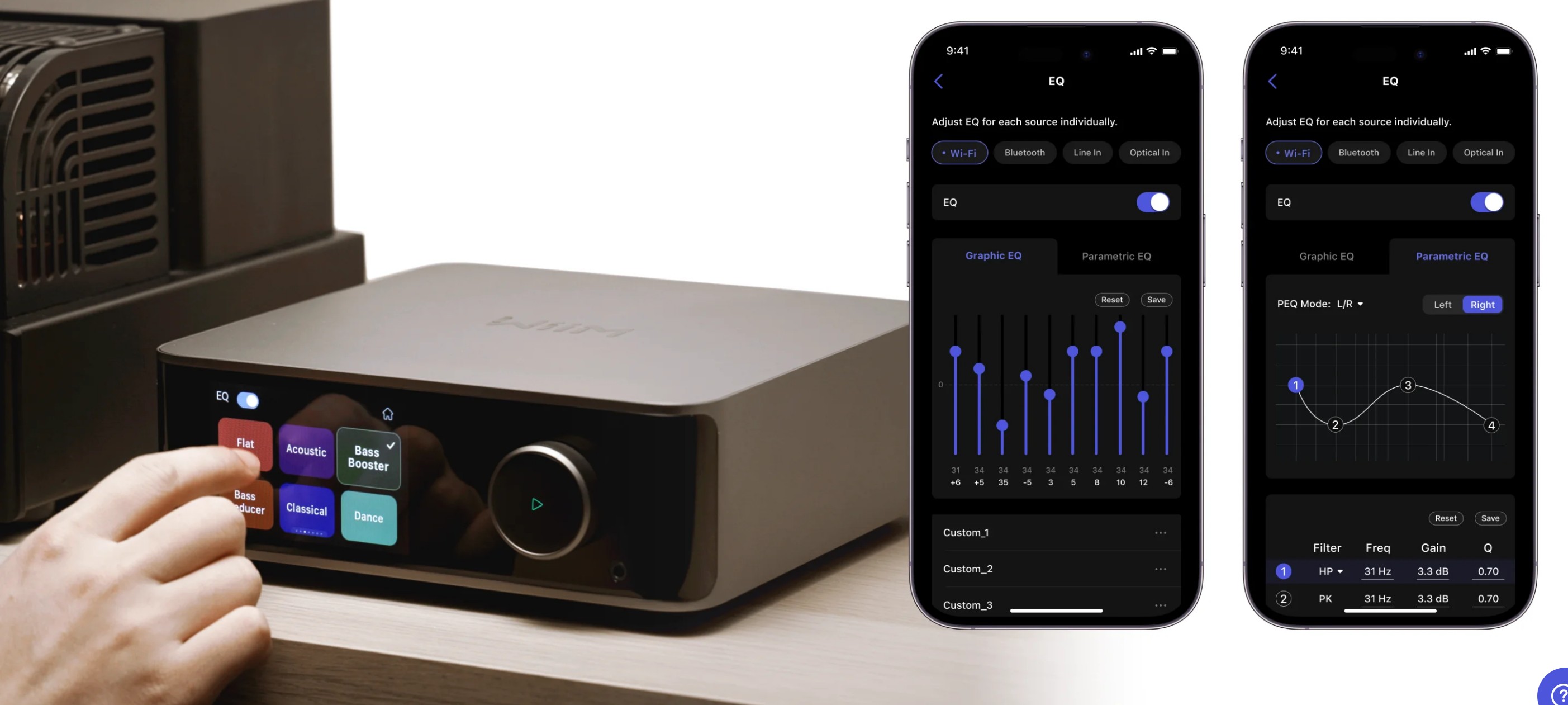
Gen Z’s embrace of a small-footprint, minimalist lifestyle has led to the rise of the All-in-One AI Desktop Hub. These devices, like the WiiM Ultra Streamer Preamp, are the antithesis of the multi-component stereo rack. They combine a high-resolution DAC (Digital-to-Analog Converter), a powerful headphone amplifier, a music streamer, and AI-powered room correction software into a single, compact box. This innovation, championed by new players and some legacy brands, eliminates the need for bulky components and tangled cables. The AI within the hub, a trend also seen in products from companies like Sonos, automatically analyzes the acoustics of a room (or a desktop setup) and adjusts the sound output to eliminate unwanted bass resonances or harsh treble reflections. This provides a clean, clear, and audiophile-grade sound from a single, stylish unit that integrates seamlessly with a laptop or desktop computer, making high-fidelity audio accessible and practical for a generation that lives and works in smaller spaces.
3. High-Resolution Lossless Wireless Audio
While Bluetooth has long been considered a compromise for audiophiles, 2025 sees the maturation of high-resolution lossless wireless audio, a game-changer for Gen Z.2 Protocols like aptX Lossless and Bluetooth LE Audio are now capable of transmitting CD-quality and even high-resolution audio files with minimal compression and latency. This innovation, with key players like Qualcomm and Sony leading the way, effectively cuts the cord on high-end listening. It allows Gen Z to use their lightweight, portable headphones without sacrificing the fidelity that was once the exclusive domain of bulky wired setups. This trend is crucial because it aligns with a generation that values mobility and convenience. It signals the end of the clunky, wired-headphone-and-external-DAC setup, making truly high-fidelity sound a wireless, on-the-go reality that fits into the fast-paced, digital-first lives of Gen Z.
4. Sustainable and Modular Audio Components
Sustainability is a core value for Gen Z, and the audiophile market is responding with a move toward eco-friendly and modular equipment. Instead of expensive, non-repairable components, brands are releasing products with user-replaceable parts and a focus on recycled materials. This innovation, though less about a specific technology and more a shift in design philosophy, is championed by companies like House of Marley and some emerging startups. It offers a disruptive path that challenges the “built to fail” culture of consumer electronics. Products are designed for longevity, with swappable earcups on headphones or modular components in a desktop hub that can be upgraded rather than replaced entirely. This approach not only reduces e-waste but also appeals to Gen Z’s desire for products that are both high-quality and ethically made.
5. Immersive Spatial Audio with Head Tracking
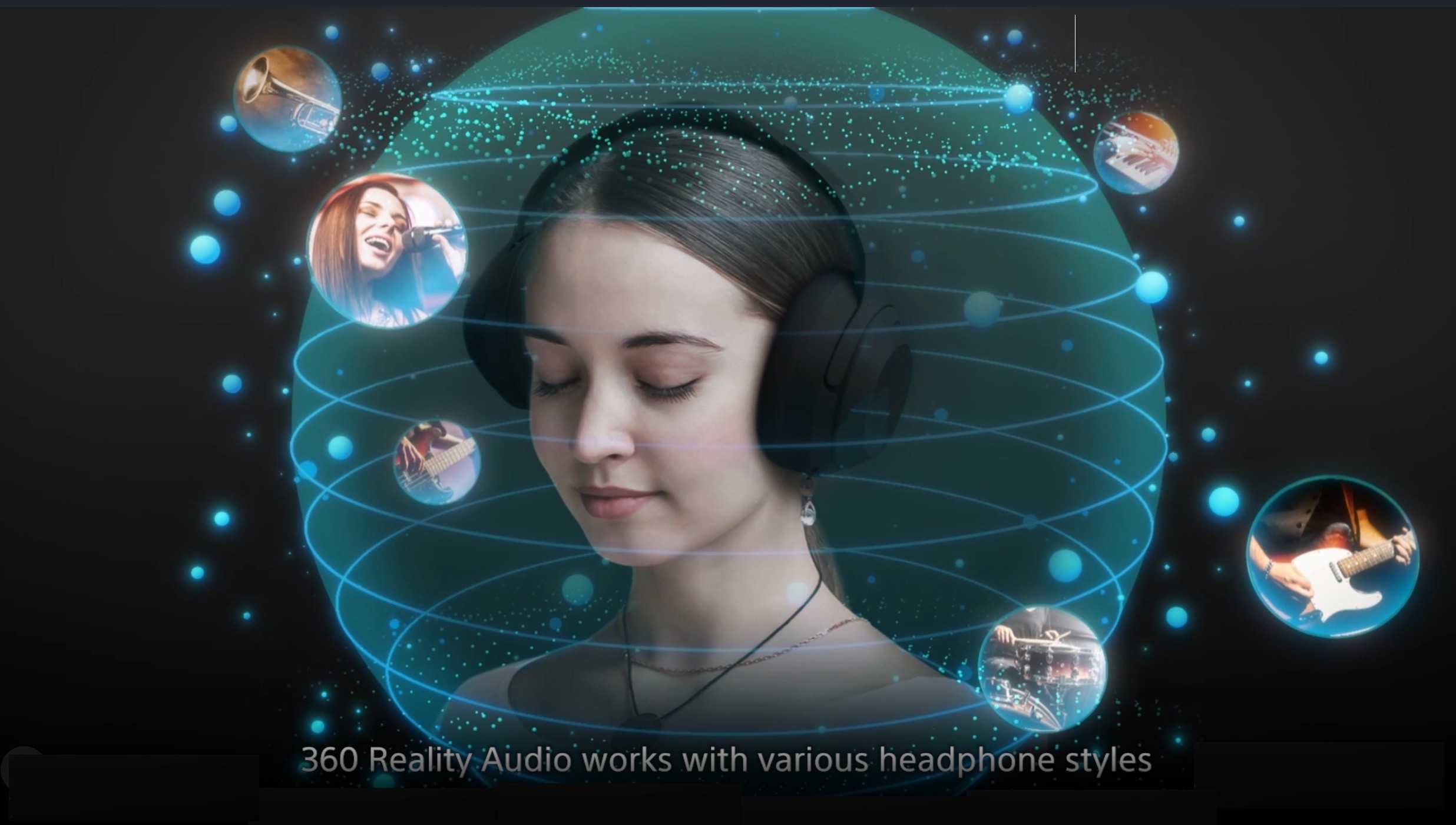
Spatial audio is not new, but in 2025, its accessibility and seamless integration are a major innovation for Gen Z, particularly for gaming and content consumption. This technology, perfected by companies like Apple with its AirPods Max and Sony with its 360 Reality Audio, goes beyond traditional stereo sound.3 It creates a three-dimensional soundscape that places sounds in a virtual space, making a listener feel as if they are in the middle of a concert or a game environment.4 The latest iteration includes head tracking, where the audio landscape remains fixed in space even as the user turns their head. This enhances the sense of realism and immersion. For a generation that values immersive experiences in gaming and media, this technology is a crucial, affordable, and all-in-one solution that delivers a premium sound experience without the need for a complex and expensive multi-speaker surround sound system.
__________
* Prompt: In the field of audiophile equipment in 2025, what are the five most important innovations for Gen Z (born 1997-2012)? I’m assuming they’re taking a disruptive path that rejects the expensive components that much earlier generations prized. I’m also assuming that they prize small footprint, lightweight, all-in-one, affordable AI-facilitated equipment that works in tandem with laptops and desktops, outputs excellent sound to lightweight on-ear or over-ear headphones. In 300-word essays for each of your five picks, please identify the innovation and highlight key people and companies.
Filed under: Uncategorized |


 Educational Technology and Change Journal

Leave a comment