


By Jim Shimabukuro (assisted by Grok)
Editor
Several companies have played significant roles in accelerating Intel’s decline through fierce competition, technological advancements, market share erosion, and strategic shifts that exposed Intel’s weaknesses in manufacturing, design, and emerging markets like AI and mobile. Intel’s challenges, including manufacturing delays, product failures, and financial losses, have been compounded by these rivals’ successes. Below is a breakdown of key companies involved, based on their contributions to Intel’s struggles.
1. AMD (Advanced Micro Devices)
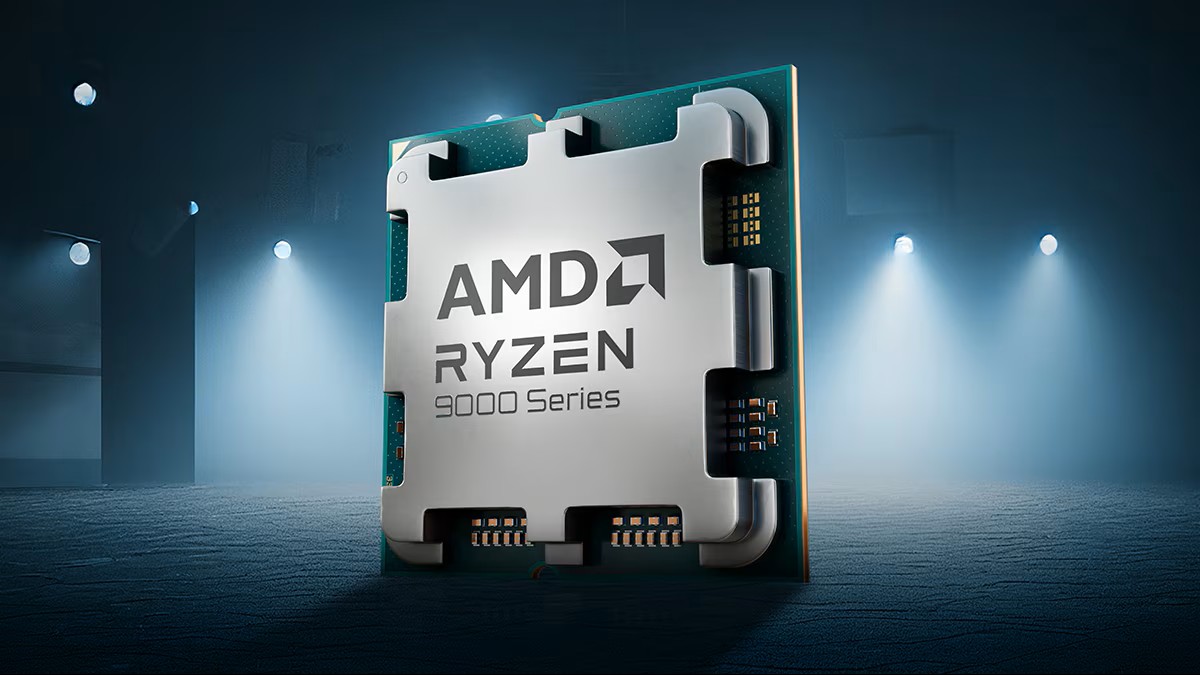
- AMD has directly challenged Intel’s dominance in the CPU market, particularly with its Ryzen processors launched in 2017, which offered superior performance-per-dollar and multi-core efficiency. This eroded Intel’s x86 market share from over 80% to around 60% by 2024. AMD’s adoption of a fabless model (relying on external manufacturers like TSMC) allowed it to innovate faster while Intel struggled with internal foundry issues.
- Recent discussions of a potential AMD-Intel merger highlight how AMD’s strength has positioned it as a possible savior—or absorber—of Intel’s assets.
2. Nvidia
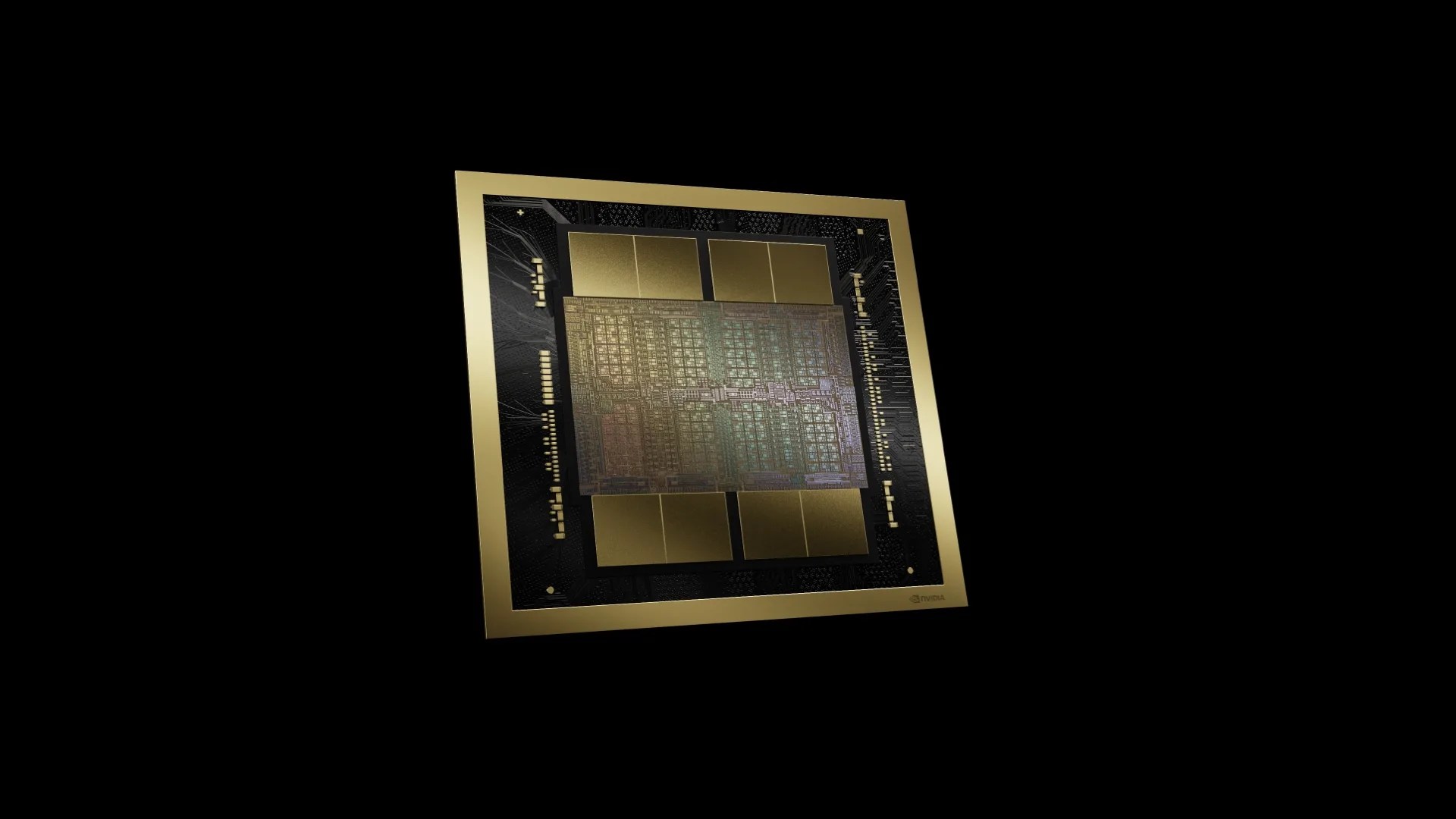
- Nvidia’s leadership in GPUs and AI accelerators has overshadowed Intel’s efforts in data centers and AI, where Intel’s Xeon CPUs and Gaudi chips have failed to gain traction. Nvidia’s CUDA ecosystem and rapid AI innovation have captured the exploding demand for generative AI, leaving Intel behind in a market projected to grow exponentially.
- Nvidia’s push into PC CPUs (e.g., via Arm-based designs) further threatens Intel’s core business.
3. TSMC (Taiwan Semiconductor Manufacturing Company)
- As the world’s leading foundry, TSMC’s advancements in process nodes (e.g., 3nm and below) have outpaced Intel’s manufacturing capabilities, forcing Intel to outsource production and abandon its vertical integration advantage. Many of Intel’s competitors (e.g., AMD, Nvidia, Apple) rely on TSMC, amplifying its indirect role in Intel’s erosion.
- Reports indicate TSMC is exploring deals to acquire or partner with parts of Intel’s foundry business, potentially breaking up the company.
4. Samsung
- Samsung (South Korea) has competed aggressively in foundries, closing the technology gap with Intel during its 14nm struggles. It has also poached Intel talent amid recent layoffs, further weakening Intel’s workforce and innovation pipeline.
5. Apple
- Apple’s shift from Intel processors to its own Arm-based M-series chips in 2020 decimated Intel’s revenue from MacBooks and highlighted Intel’s failure in mobile and power-efficient computing. This move influenced broader industry trends away from x86 architecture.
6. Broadcom (AVGO)
- Broadcom has gained ground in networking, data center, and custom silicon, areas where Intel once led. Its acquisition strategy and high-margin focus have pressured Intel’s enterprise segments. Recent reports suggest Broadcom is eyeing acquisitions of Intel’s data center or networking divisions, which could dismantle key parts of Intel.
7. Qualcomm
- Qualcomm dominated the mobile chip market that Intel largely missed, especially after declining to supply chips for the iPhone in 2007. Its Arm-based designs have influenced PC markets (e.g., Snapdragon for Windows), challenging Intel’s x86 stronghold. Qualcomm has also made buyout offers for Intel, signaling its weakened state.
8. Amazon (via AWS) and Google (Alphabet)
- These hyperscalers have developed custom silicon (e.g., AWS Graviton, Google TPUs) for cloud and AI, reducing reliance on Intel’s data center chips. This in-house shift has cut into Intel’s high-margin server business.
Other entities like SoftBank (Japan) and Apollo Global Management have recently invested in Intel (e.g., $2B from SoftBank in 2025), but these are more about attempted rescues amid decline rather than direct causes. The U.S. government’s involvement (e.g., potential equity stake via CHIPS Act) underscores Intel’s strategic importance but also its vulnerability. Overall, these companies have collectively exploited Intel’s missteps, leading to a market cap drop from over $200 billion in 2020 to around $80 billion by mid-2025.
Filed under: Uncategorized |


 Educational Technology and Change Journal

Leave a comment