


By Jim Shimabukuro (assisted by Grok)
Editor
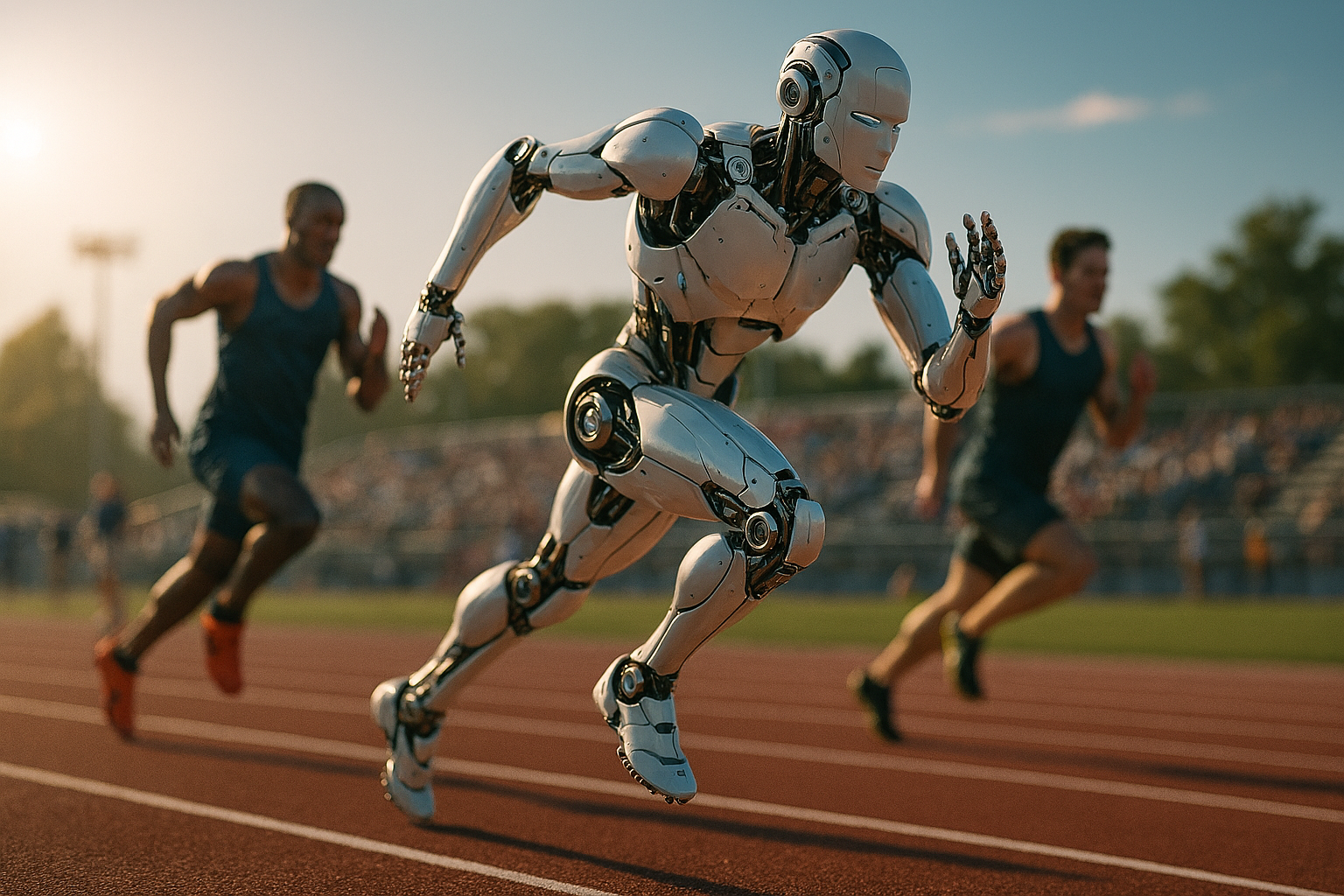
The concept of a tipping point in education—where AI surpasses traditional schools as the dominant learning medium—is increasingly plausible based on current trends, technological advancements, and expert analyses. While schools have long served multifaceted roles beyond pure knowledge transfer (like socialization, emotional development, and childcare), AI’s rapid evolution in personalization, accessibility, and efficacy could shift the balance. I’ll break this down step by step, drawing on recent data and discussions.
Current Trends in AI Adoption in Education
AI is already infiltrating classrooms and home learning at scale. The global AI education market has exploded from $2.5 billion in 2022 to projections of $88 billion by 2032, driven by tools that adapt to individual student needs and boost outcomes like exam scores by up to 62%. In the U.S., nearly a third of K-12 teachers use AI weekly for tasks like creating assignments or grading, while platforms like MagicSchool AI have reached 2.5 million educators. Student usage is even higher: 86% of college students and about half of K-12 pupils rely on tools like ChatGPT weekly for homework, essays, and study aids. This isn’t just supplementation; in some districts, like Miami’s public schools, AI chatbots like Google’s Gemini are deployed for tutoring and interactive simulations. On social platforms, educators and parents report widespread cheating, with over half of high school students using AI for assignments, often “humanizing” outputs to evade detection.
These shifts highlight AI’s edge in efficiency: it provides 24/7 availability, infinite patience, and data-driven personalization that traditional one-size-fits-all classrooms struggle to match. For instance, AI tutors can analyze vast datasets to identify misunderstandings and tailor lessons, potentially outperforming human instructors in rote or conceptual subjects.
Factors Driving Toward a Tipping Point
A tipping point could occur when AI’s advantages become undeniable and widespread, making traditional schools secondary for core learning. Key drivers include:
- Superior Learning Outcomes: Pilot programs show dramatic gains. In Alpha Schools’ AI-first model, students master core curricula in just two hours daily, scoring in the 99th percentile nationally, freeing time for life skills and collaboration. Another study found six weeks of AI tutoring equating to two years of traditional gains. Nobel laureate Geoffrey Hinton predicts AI tutors will make undergraduate universities “less necessary” for learning, reserving them for research.
- Cost and Accessibility: AI education is scalable and affordable—often $20/month for premium tools—compared to traditional schooling’s high costs (e.g., potentially $200,000 savings per student over K-12). This could accelerate adoption in underserved areas, like low-resource classrooms in India where AI tools cut planning time and boost engagement. Homeschooling families are already integrating AI, producing “far smarter” students and prompting a potential exodus from public systems.
- Technological Momentum: As AI improves (e.g., integrating immersive AR/VR), it could handle everything from lesson planning to grading, reducing teachers to mentors focused on motivation and human skills. Predictions from experts like UC Berkeley’s Stuart Russell suggest high-quality AI education could reach every child globally by the end of the decade. Multiple observers forecast traditional schools having “less than 10 years left,” with AI home tutoring becoming the norm.
Challenges and Counterarguments
Not everyone agrees a full overtake is inevitable. AI risks weakening critical thinking, as over-reliance can “hijack our ability to think” and lead to cognitive decline. Cheating remains rampant, with schools struggling to draw lines—some ban AI, but enforcement is uneven, especially in rural areas. Critically, schools provide irreplaceable social functions: building communities, emotional support, and real-world interaction, which AI can’t replicate (as evidenced by remote learning struggles during COVID). Skeptics argue past tech hype (e.g., computers in classrooms) didn’t end schools, and AI’s current flaws—like hallucinations or lack of emotional connection—limit it to a supplementary role. For hands-on fields like medicine or trades, human mentorship will likely persist.
Stakeholder views vary: Tech optimists (e.g., from xAI or Microsoft) push for integration via partnerships like the American Federation of Teachers’ $23 million AI expansion plan. Educators and parents worry about equity and job losses, while policymakers (e.g., recent U.S. executive orders) promote AI to modernize systems.
Will There Be a Tipping Point?
Yes, a tipping point seems likely within 5–10 years, when AI achieves cost-effective superiority in knowledge delivery, prompting a hybrid future: AI as the primary medium for academic learning (at home or via apps), with schools evolving into hubs for socialization, projects, and mentorship—perhaps meeting just a few days a week. This isn’t total replacement but a redefinition, where AI “upends” the system by making learning agentic and self-motivated. For most subjects, especially for IQs below 125, traditional higher education already feels “pointless” due to AI’s devaluation of degrees. However, regulatory hurdles, ethical concerns, and cultural resistance could delay it. The genie is out, though—once parents see AI-educated kids outperforming peers, the shift could accelerate rapidly.
Filed under: Uncategorized |


 Educational Technology and Change Journal

[…] outcomes: A 2026 report found that students using AI-powered personalized systems saw a 62% increase in test scores because the tech caught learning gaps […]
[…] Jim Shimabukuro pushed that question further for me. The argument is that AI's personalization, accessibility, and efficacy could shift the balance away from traditional schools as the dominant medium for academic learning, potentially within the next decade. The numbers cited are hard to sit with neutrally: some AI-first schools report that students master core curricula in two hours a day and score in the 99th percentile nationally. In my digital literacy coursework, we talk constantly about the difference between access to information and genuine understanding, and I find myself wondering whether those test scores reflect deep learning or something more like optimized performance. Mary Burns and Rebeca Winthrop speak directly to this tension, and it's the piece I'll probably be citing in my next assignment. Their research found that AI tools prioritize speed and engagement over learning and well-being, and that cognitive offloading and dependency can atrophy students' mastery of foundational knowledge and critical thinking, which in essence is the exact skill set a digital literacy education is supposed to build. There's something deeply ironic about that. […]