





By Jim Shimabukuro (assisted by Grok)
Editor
The top 10 countries whose K-12 educational systems produce the greatest number of students accepted into and graduating from top AI university programs in 2025 are ranked below based on available data from global AI talent trackers, reports on PhD production in AI/ICT fields, and international student flows into top programs (predominantly U.S.-based, which host ~60% of elite AI graduate programs worldwide).
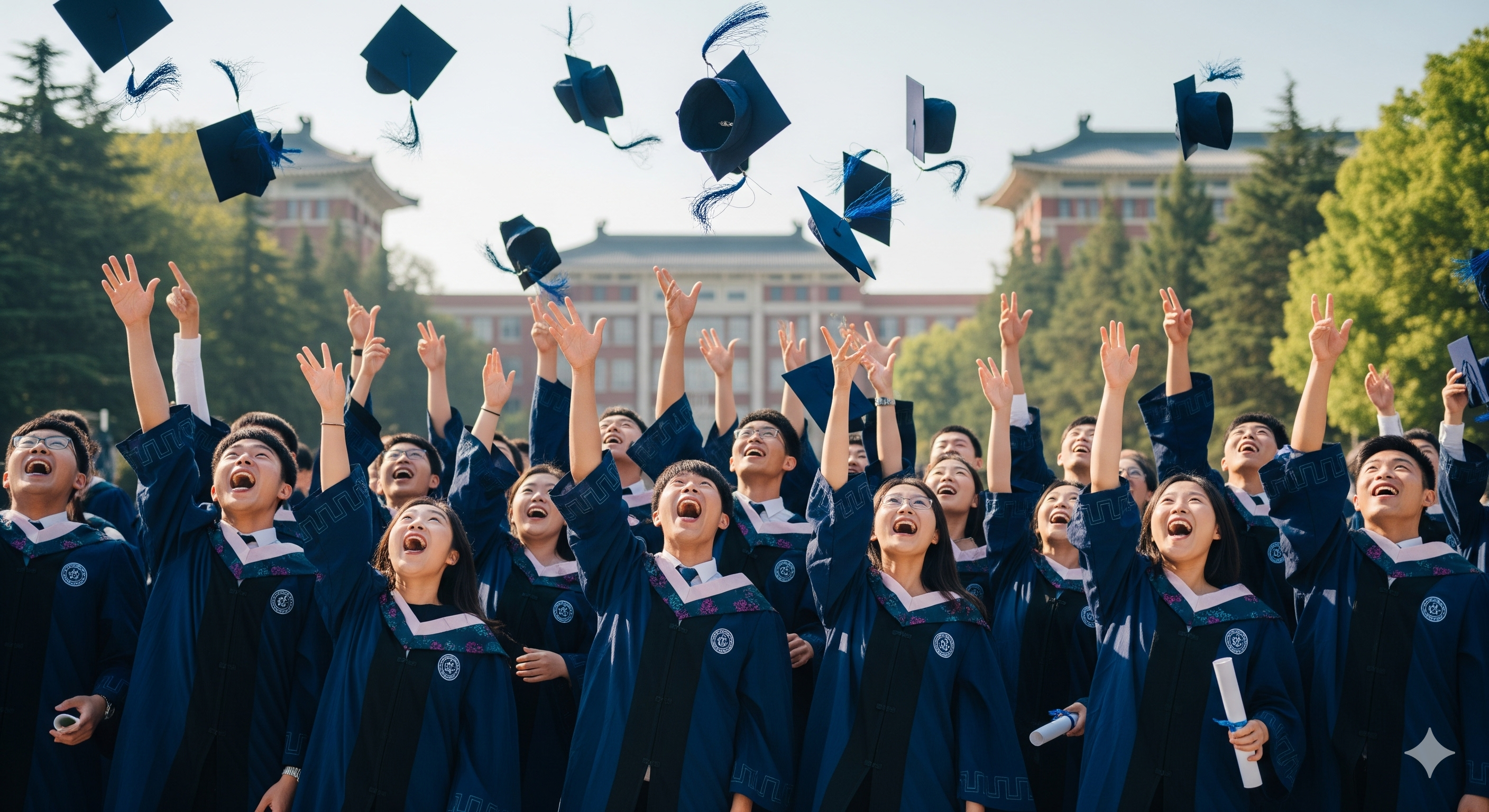
This ranking focuses on absolute numbers by student origin (i.e., where they completed K-12 education), accounting for both domestic and international students. Data proxies include undergraduate origins of top AI researchers (as a leading indicator of K-12 preparation for elite programs) and international enrollment in AI-related graduate fields like computer science. Large-population countries with strong STEM pipelines dominate due to sheer volume.
| Rank | Country | Key Notes on Production Volume |
|---|---|---|
| 1 | China | Produces ~47% of top AI researchers by undergraduate origin (proxy for K-12); many graduate from domestic programs like Tsinghua or U.S. programs; high volume of AI/ICT PhDs (~double U.S. in overall S&E [Science & Engineering] but fewer “top” AI PhDs). |
| 2 | United States | Significant domestic pipeline into top U.S. programs (e.g., MIT, Stanford); ~20-25% of top AI researchers by origin; leads in “top” AI PhD production (90% more than China). |
| 3 | India | High volume of graduates from U.S. AI programs (leading international origin country overall, with ~30-40% of intl CS/AI grad students); ~6-7% of top AI researchers by origin; produces more bachelor’s in computing than U.S. |
| 4 | United Kingdom | Strong domestic and international flows; 2nd in ICT PhDs granted (1,156 in 2022); ~4-5% of global AI talent. |
| 5 | Germany | 3rd in ICT PhDs granted (1,008 in 2022); notable origin for European and U.S. programs; ~3% of top AI researchers. |
| 6 | Canada | High retention and export to U.S. programs; 6th in ICT PhDs (425 in 2022); ~3% of global AI talent. |
| 7 | France | 4th in ICT PhDs granted (733 in 2022); strong EU pipeline; ~2% of top AI researchers. |
| 8 | South Korea | Growing export to U.S. programs (3rd top intl origin overall); emphasis on AI R&D; ~2% of top talent. |
| 9 | Australia | 5th in ICT PhDs granted (617 in 2022); high per-capita AI focus. |
| 10 | Israel | Notable for AI innovation; exports to U.S. programs; high concentration of AI talent per capita. |
Your assumption is largely correct: A majority of graduates from top AI programs do go on to work at the most powerful AI companies (e.g., Google DeepMind, OpenAI, Anthropic, Meta AI, or xAI), as these firms aggressively recruit from elite programs through internships, campus hiring, and partnerships. However, not all do—some pursue academia (e.g., faculty positions), found startups, or work in non-AI sectors, with retention varying by origin (e.g., more Chinese graduates returning home post-2020).
10 Shared Characteristics of K-12 Systems That Set Them Apart
The 10 shared characteristics of these K-12 systems that set them apart include a strong orientation toward preparing students for STEM careers, based on analyses of high-performing education systems in AI talent pipelines. These traits are not universal across all schools within each country but are prevalent in systems producing AI-bound students:
- Rigorous STEM Curriculum: Early and intensive focus on mathematics, science, and computing from primary grades, often exceeding global averages in depth and hours dedicated.
- Competitive Assessment Systems: Frequent standardized testing and high-stakes exams (e.g., gaokao in China, SAT/AP in U.S.) that emphasize analytical skills and filter top talent for university admissions.
- High-Quality Teacher Training: Teachers in STEM subjects receive specialized training, competitive pay, and ongoing professional development, leading to better instruction quality.
- Investment in Educational Resources: Above-average public and private funding per student, including access to labs, computers, and advanced tools for hands-on learning.
- Integration of Technology: Widespread use of digital tools, coding classes, and AI exposure in curricula to build computational thinking from young ages.
- Emphasis on Critical Thinking: Beyond rote learning, programs promote problem-solving, innovation, and project-based learning to foster AI-relevant skills.
- Support for Gifted Students: Specialized programs, magnet schools, or acceleration tracks for high-achieving STEM students to accelerate their progress.
- Cultural Value on Education: Societal emphasis on academic success and STEM careers, encouraging parental involvement and extracurricular tutoring/enrichment.
- Equity and Access Initiatives: Efforts to reduce disparities (e.g., scholarships, outreach to underrepresented groups) to broaden the talent pool.
- Industry and University Partnerships: Collaborations with tech firms and higher education for mentorship, internships, and career guidance starting in secondary school.
Filed under: Uncategorized |


 Educational Technology and Change Journal

Leave a comment