





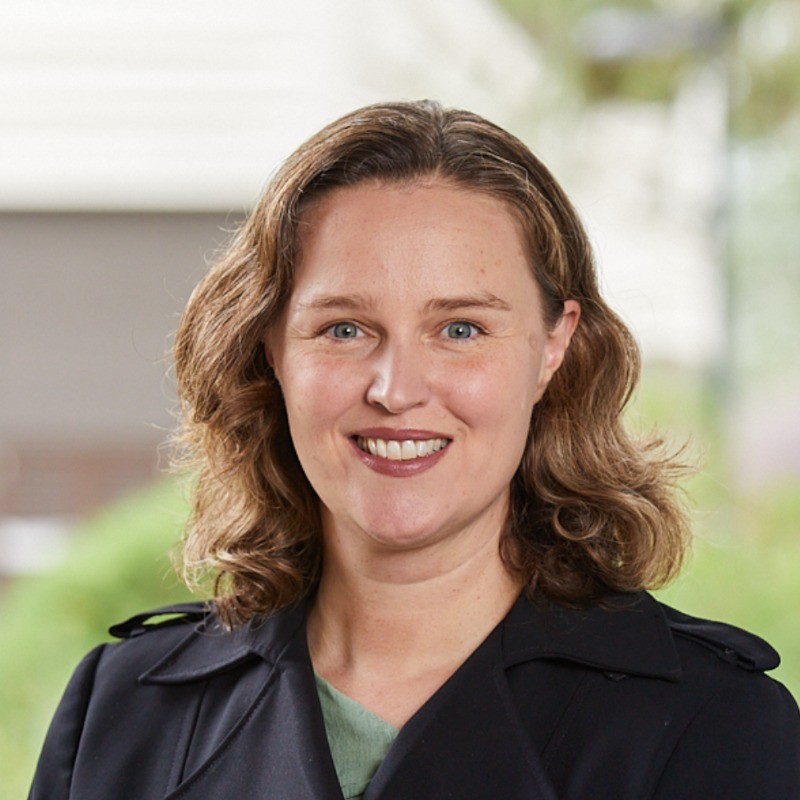
“Anthea Roberts, a visiting professor at Harvard Law School and founder and CEO of the AI tool Dragonfly Thinking,” said, “Where previously knowledge production was ‘the actor on the stage, the athlete on the field, the writer of the book,’ the next generation must be trained to orchestrate a team of AIs. ‘You become the director of the actor, you become the coach of the athlete, and you become the editor of the writer,’ she said. ‘It requires actually having very strong faculties in terms of how you’re engaging,’” Sy Boles, “In Ed School panel, Howard Gardner says tech could make ‘most cognitive aspects of mind’ optional for humans,” The Harvard Gazette, 19 Sep. 2025.
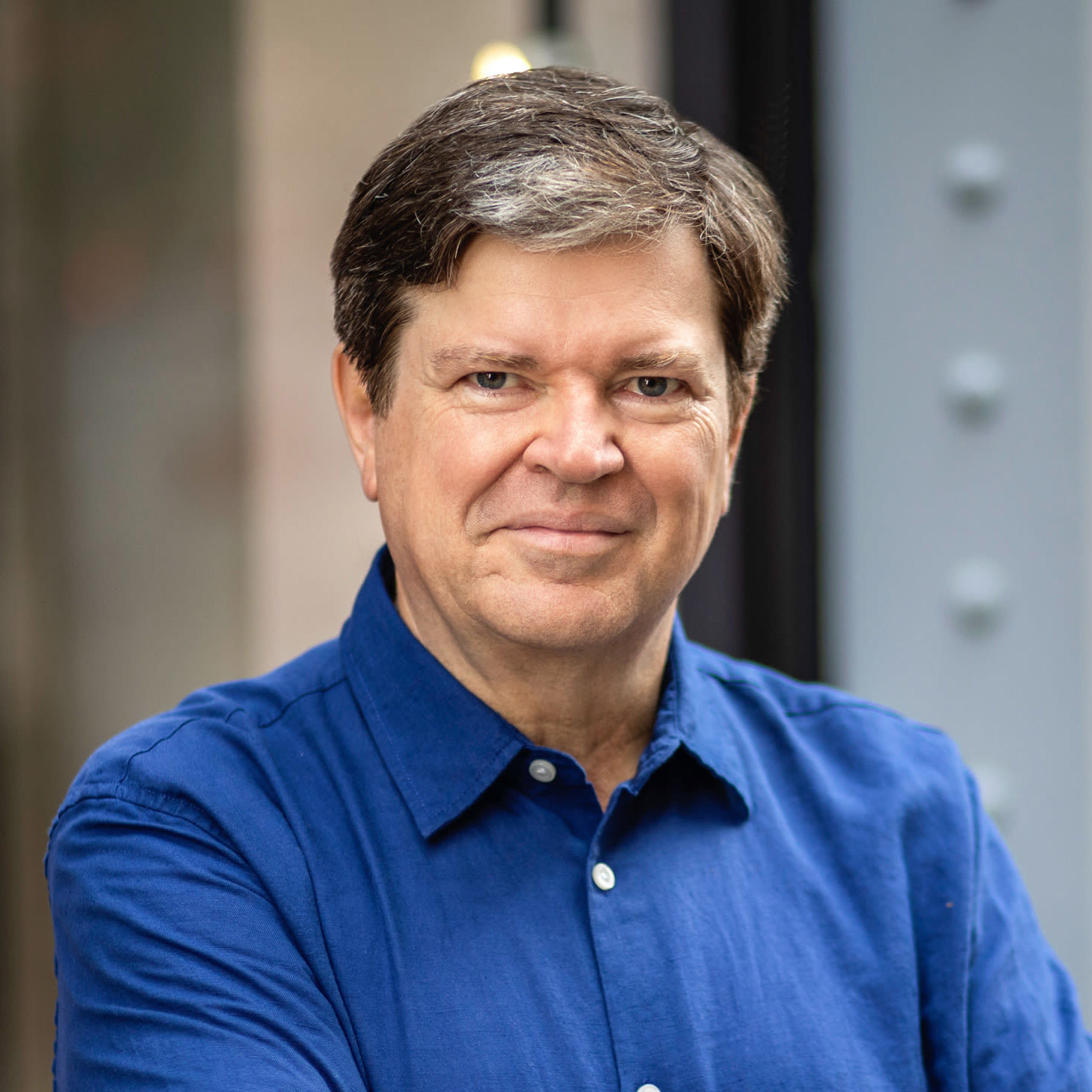
Yann LeCun, chief AI scientist at Meta, says, “The most exciting and significant advances in generative AI will most likely not come from continued improvements or expansions of large language models like Llama, GPT, and Claude. Through training, these enormous generative models learn patterns in huge datasets to produce new outputs. Instead, LeCun and others are working on the development of ‘world models’ that learn the same way an infant does — by seeing and interacting with the world around them through sensory input. ‘A 4-year-old has seen as much data through vision as the largest LLM.… The world model is going to become the key component of future AI systems,’ he said. A robot with this type of world model could learn to complete a new task on its own with no training. LeCun sees world models as the best approach for companies to make robots smart enough to be generally useful in the real world,” Adam Zewe, “What does the future hold for generative AI?” MIT News, 19 Sep. 2025.
Anthea Roberts: “’I now spend almost all my time in constant dialogue with LLMs,’ said Roberts, who is also a professor at the School of Regulation and Global Governance at the Australian National University. ‘In all my academic work, I have Gemini, GPT, and Claude open and in dialogue. … I feed their answers to each other. I’m constantly having a conversation across the four of us’” (ibid. Boles).
“Howard Gardner, originator of the theory of multiple intelligences[:] ‘I don’t think going to school for 10 or 15 years as we’ve done it makes sense…. I think most cognitive aspects of mind — the disciplined mind, the synthesizing mind, and the creative mind — will be done so well by large language machines and mechanisms that whether we do them as humans will be optional,’ he said. ‘On the other hand, I don’t believe for a minute that aspects of respect — how we deal with other human beings — and ethics — how we deal with difficult issues as citizens, as professionals — can or should be consigned to even the most articulate and multifaceted, intelligent machines’” (ibid. Boles).
Filed under: ETC Wrap |


 Educational Technology and Change Journal

Leave a comment