



Introduction: The following explanation is provided by Copilot.
Extended reality (XR) is the umbrella term for immersive technologies like augmented reality (AR), virtual reality (VR), and mixed reality (MR), each offering different levels of interaction between digital and physical worlds. Here’s a breakdown of each concept and how they differ:
Extended Reality (XR)
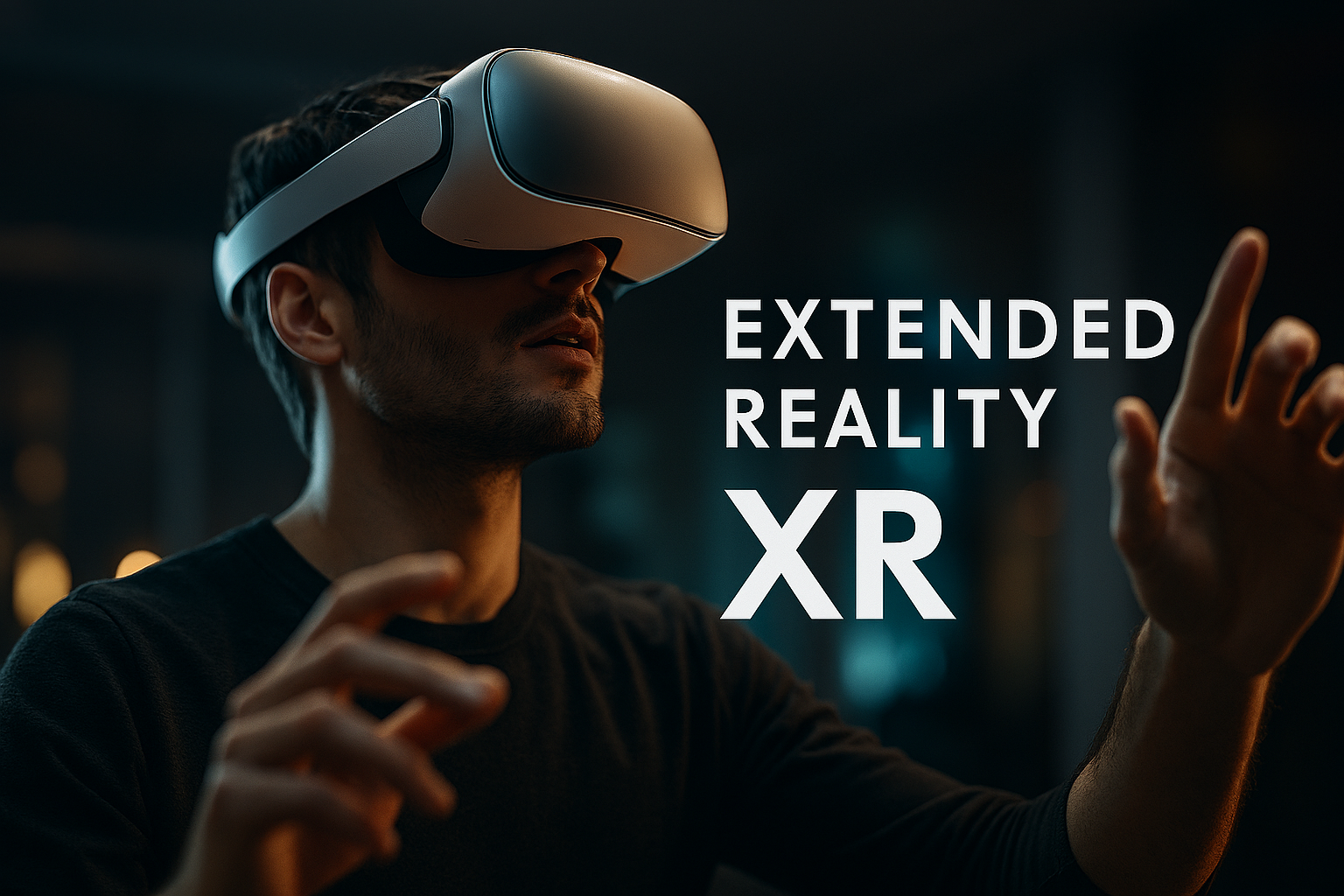
- Definition: XR encompasses all immersive technologies that merge or simulate reality—AR, VR, and MR.
- Purpose: It’s a catch-all term used to describe the spectrum of experiences that blur the line between the physical and digital.
- Example: A company offering training simulations using both VR headsets and AR overlays would be working within XR.
Virtual Reality (VR)

- Definition: VR creates a fully digital environment that replaces the real world. Users are completely immersed and typically wear headsets like Meta Quest or HTC Vive.
- Interaction: No view of the real world; everything is simulated.
- Example: Beat Saber, a rhythm game where players slash blocks to music in a virtual space.
Augmented Reality (AR)

- Definition: AR overlays digital content onto the real world, enhancing it without replacing it.
- Interaction: Users see the real world with added digital elements via smartphones, tablets, or AR glasses.
- Example: Pokémon GO, where players see Pokémon superimposed on real-world locations through their phones Reason Future Tech.
Mixed Reality (MR)
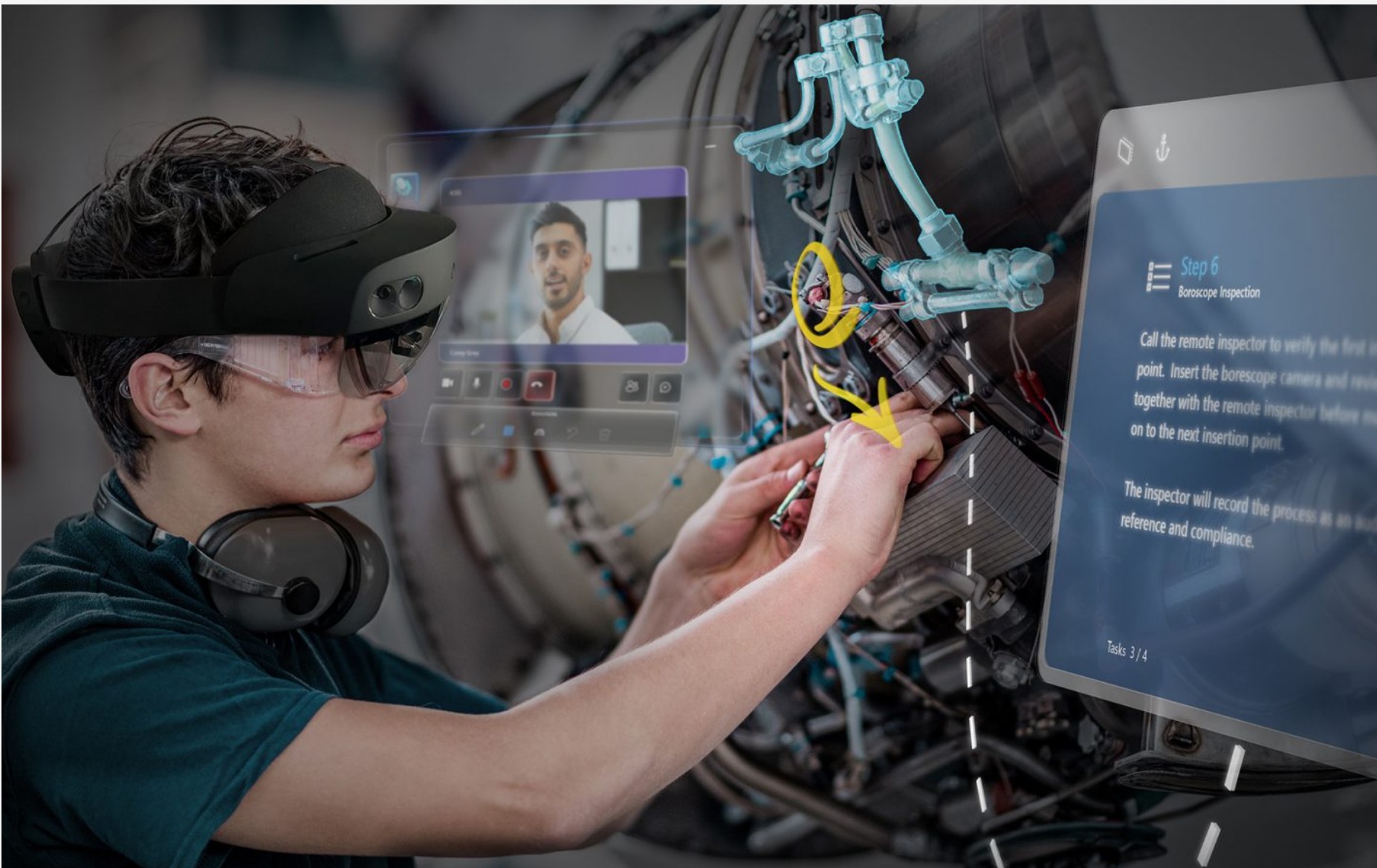
- Definition: MR blends real and virtual worlds, allowing digital and physical objects to interact in real time.
- Interaction: Users can manipulate virtual objects anchored in the real world, often using devices like Microsoft HoloLens.
- Example: An engineer using HoloLens to visualize and interact with a 3D model of a machine overlaid on a physical workspace newsroom.arm.com.
Immersive Technologies
- Definition: These are technologies that deeply engage users by simulating or enhancing reality. XR, AR, VR, and MR are all immersive because they alter perception and interaction.
- Impact: Used in education, healthcare, entertainment, and industry to create more engaging, effective experiences.
- Example: Medical students using VR to practice surgeries or AR to study anatomy on a live model.
🔍 Summary Table
| Term | Reality Level | Device Used | Real-World Example |
|---|---|---|---|
| XR | All immersive types | Varies | Training platform using AR + VR |
| VR | Fully virtual | Headset (e.g., Quest) | Beat Saber, Google Earth VR |
| AR | Real + digital layer | Phone, AR glasses | Pokémon GO, IKEA Place app |
| MR | Real + interactive digital | HoloLens, Magic Leap | Industrial design with holograms |
Sources: Reason Future Tech newsroom.arm.com
Filed under: Uncategorized |


 Educational Technology and Change Journal

Leave a comment