“‘Human and AI creativity may not be so different,’ said Benjamin Hoover, a machine learning researcher at the Georgia Institute of Technology and IBM Research who studies diffusion models. ‘We assemble things based on what we experience, what we’ve dreamed, what we’ve seen, heard or desire. AI is also just assembling the building blocks from what it’s seen and what it’s asked to do.’ Both human and artificial creativity, according to this view, could be fundamentally rooted in an incomplete understanding of the world: We’re all doing our best to fill in the gaps in our knowledge, and every now and then we generate something that’s both new and valuable. Perhaps this is what we call creativity.” Webb Wright, “Researchers uncover hidden ingredients behind AI creativity,” LiveScience, 27 Sep. 2025.
Ina Fried: “‘If we can evolve ChatGPT the right way, if we can let people build into it, then maybe you will be spending a lot of time in ChatGPT, the sort of operating system,’ Turley [Nick Turley, ChatGPT head] told Axios in a follow-up interview. ‘But it won’t feel like you’re in a chatbot.'” (“OpenAI’s push to make ChatGPT the new OS,” Axios Communications, 6 Oct 2025)
NY Times Writers Embracing AI: “Using AI for research and investigations is ‘by far the biggest use of our resources and I think the biggest opportunity right now when it comes to AI in media,’ [Zach] Seward NY Times editorial director of A.I. initiatives] said. His team mostly works by helping a reporter use AI technology for one project, and then creating a repeatable process from that experience for others in the newsroom to use.” -Joshua Benton, NiemanLab, 23 Sep. 2025.
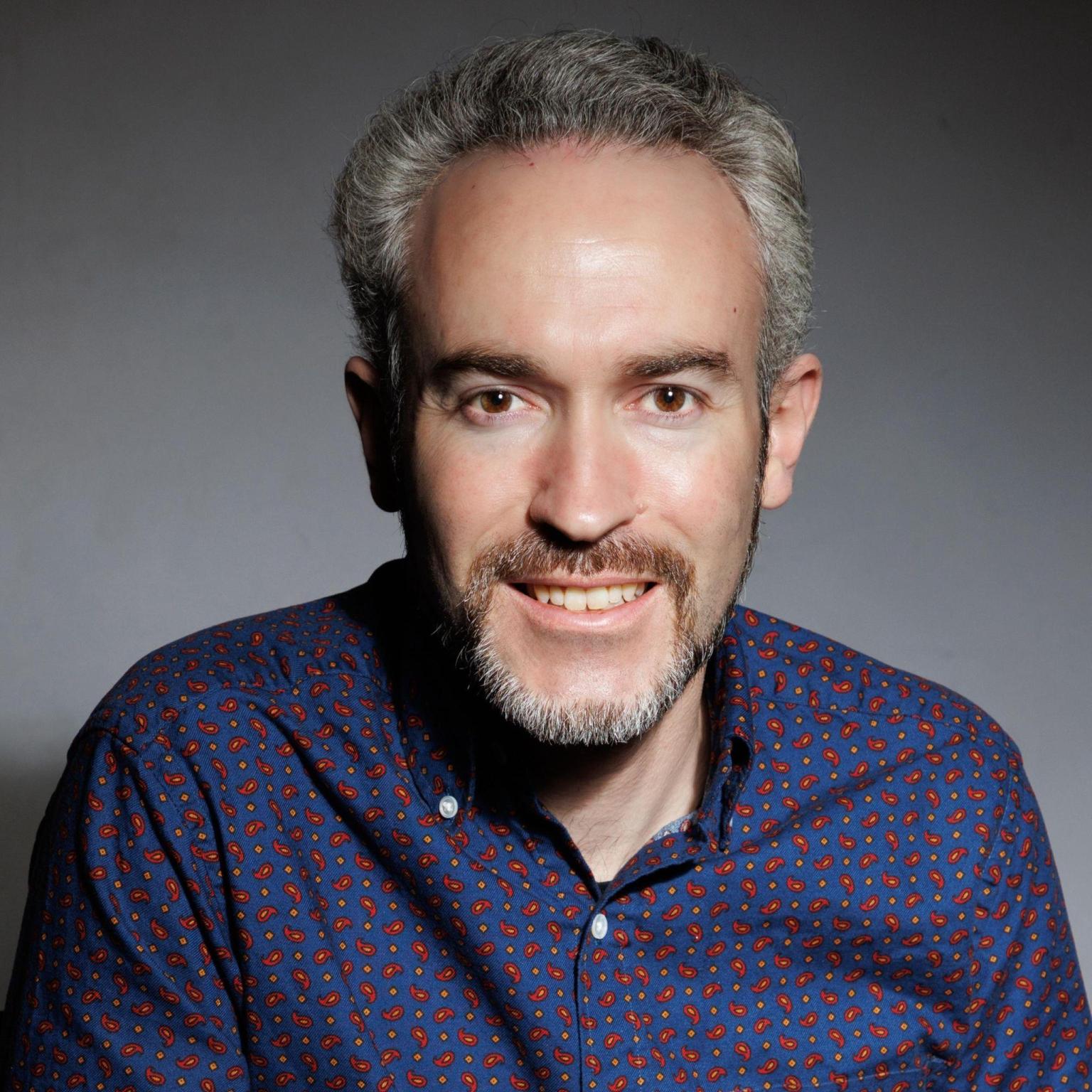
Zach Seward, NY Times Editorial Director of A.I. Initiatives. (NY Times Co.)












 Educational Technology and Change Journal
