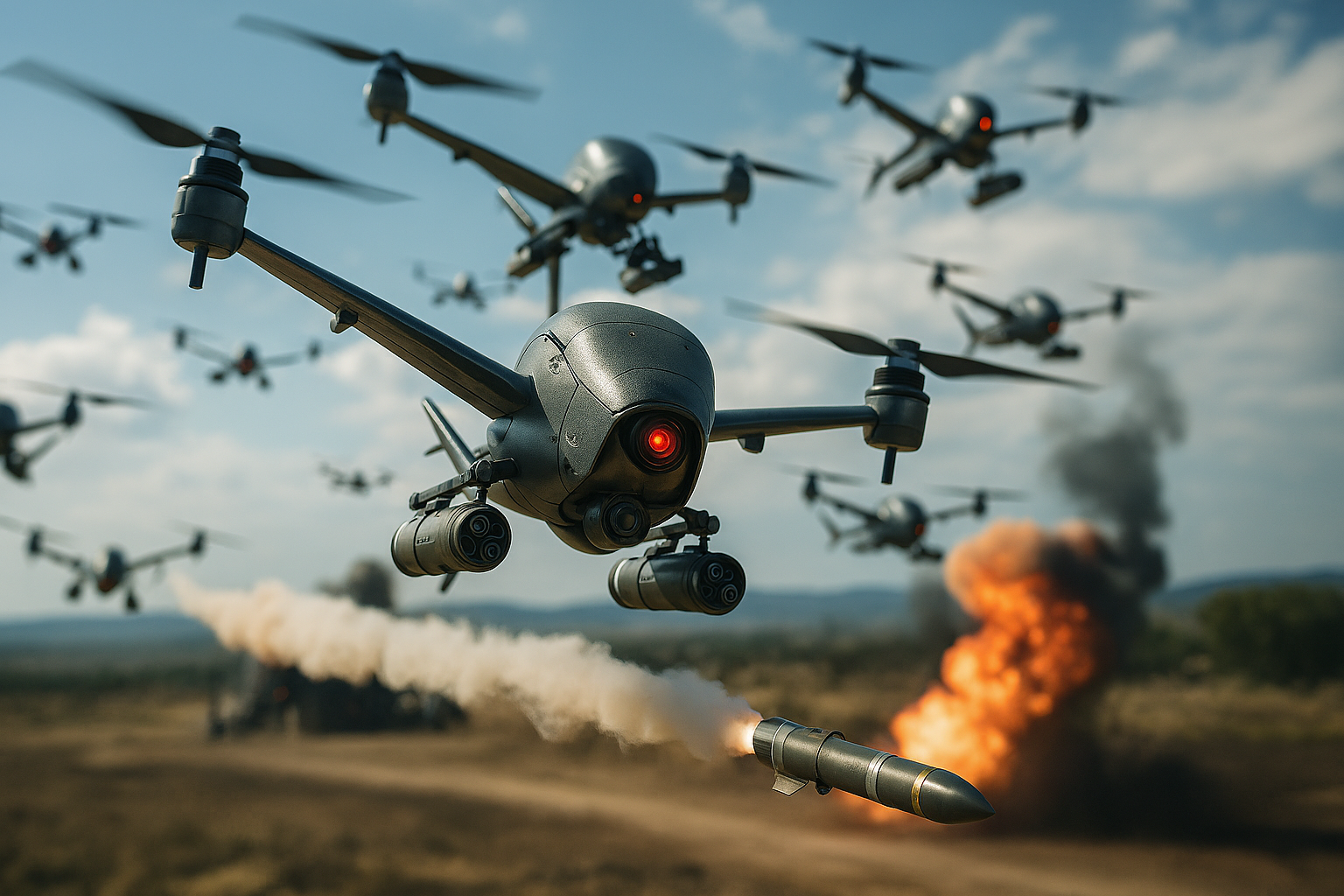
Introduction: A month ago (Sep 13, 2025), I asked ChatGPT for a rank order of the 10 world leaders in AI drone warfare. For this report, I asked it to analyze data from Sep 14-Oct 13, 2025, update the rank order, and provide short justifications for each entry. ChatGPT responded by emphasizing the most important recent developments that changed relative position. Below is the updated ranking (top → bottom) and the reasons for each placement. ChatGPT also offered to create a concise scoring table for the 10 countries by four dimensions and provide a deep dive into Ukraine’s rise in rank order. -js
Introduction: This morning, I prompted: “Good morning, Claude. In the US, in 2050, when the oldest Gen-Beta will be 25 years old, how will their views differ from earlier generations on topics such as: dating, marriage, having children, schooling, college, career/work, MAGA, immigrants, mass shootings, guns, DEI, US military power, politics, our economy, and other topics that you deem important?”
Claudeʻs response: “Good morning! I’ll explore how Generation Beta—those born from 2025 onward—might view these crucial topics by 2050, when the oldest among them reach 25. This analysis necessarily involves speculation, but I’ll ground it in current trends while acknowledging the uncertainty inherent in predicting a quarter-century into the future.” -js
Introduction: This clarification of the generations, in reverse order, from Generation Beta (the youngest) to the Silent Generation, is written by ChatGPT. The generations: Generation Beta (born ~2025–2039), Generation Alpha (born ~2010–2024), Generation Z (born ~1997–2009), Millennials (born ~1981–1996), Generation X (born ~1965–1980), Baby Boomers (born ~1946–1964), Silent Generation (born ~1928–1945), and The Greatest Generation (born ~1901–1927). -js
Katherine Johnson, NASA employée, brilliant mathematician and physicist, in 1966.
Introduction: The following explanation is provided by Copilot.
Extended reality (XR) is the umbrella term for immersive technologies like augmented reality (AR), virtual reality (VR), and mixed reality (MR), each offering different levels of interaction between digital and physical worlds. Here’s a breakdown of each concept and how they differ:
Introduction: Between September 12 and October 11, 2025, President Trump’s administration made three notable impacts on AI: launching a pediatric cancer initiative powered by AI, accelerating data center infrastructure permitting, and deepening ideological oversight of federal AI systems. Each reflects a distinct strategic, ethical, and infrastructural priority. -Copilot
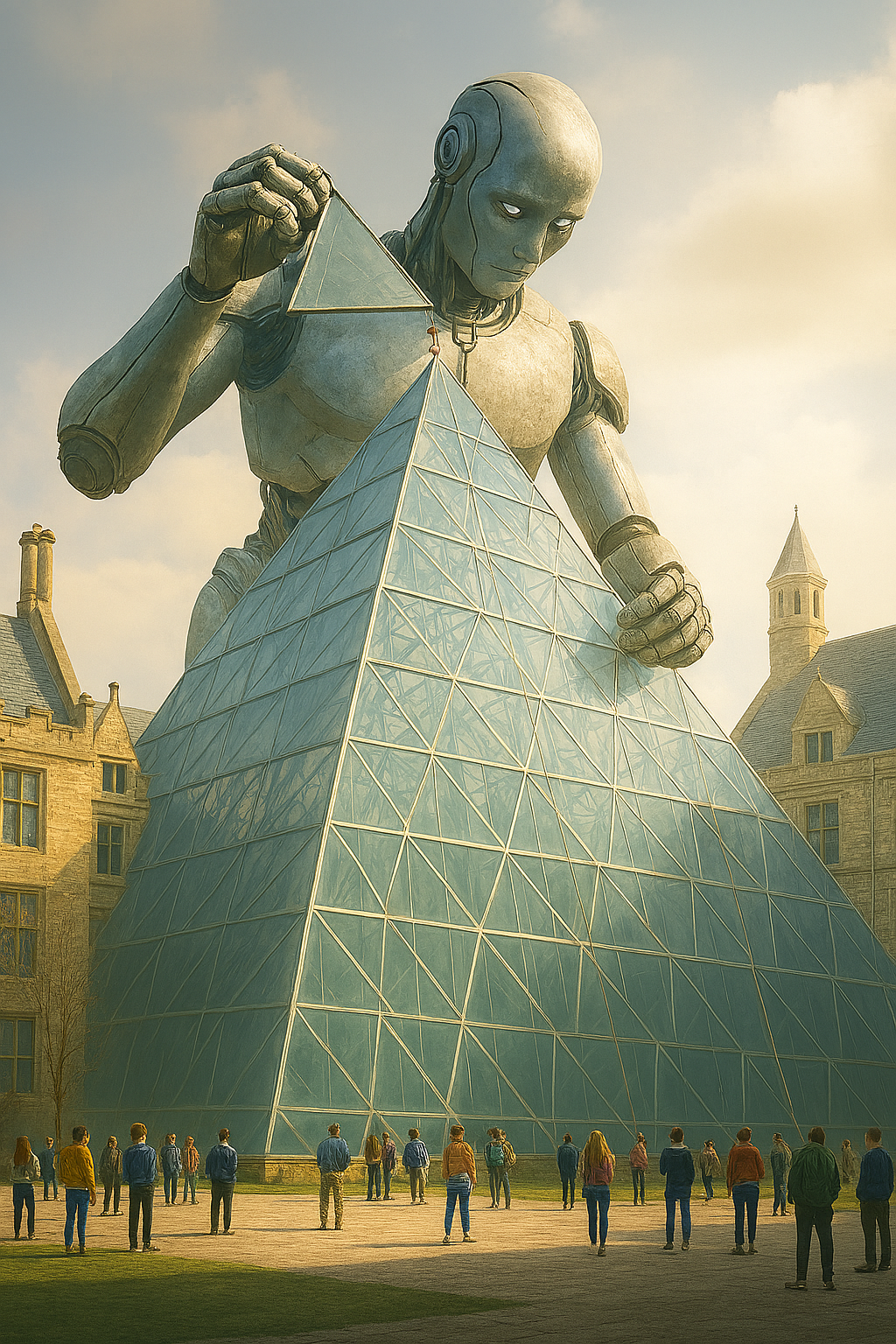
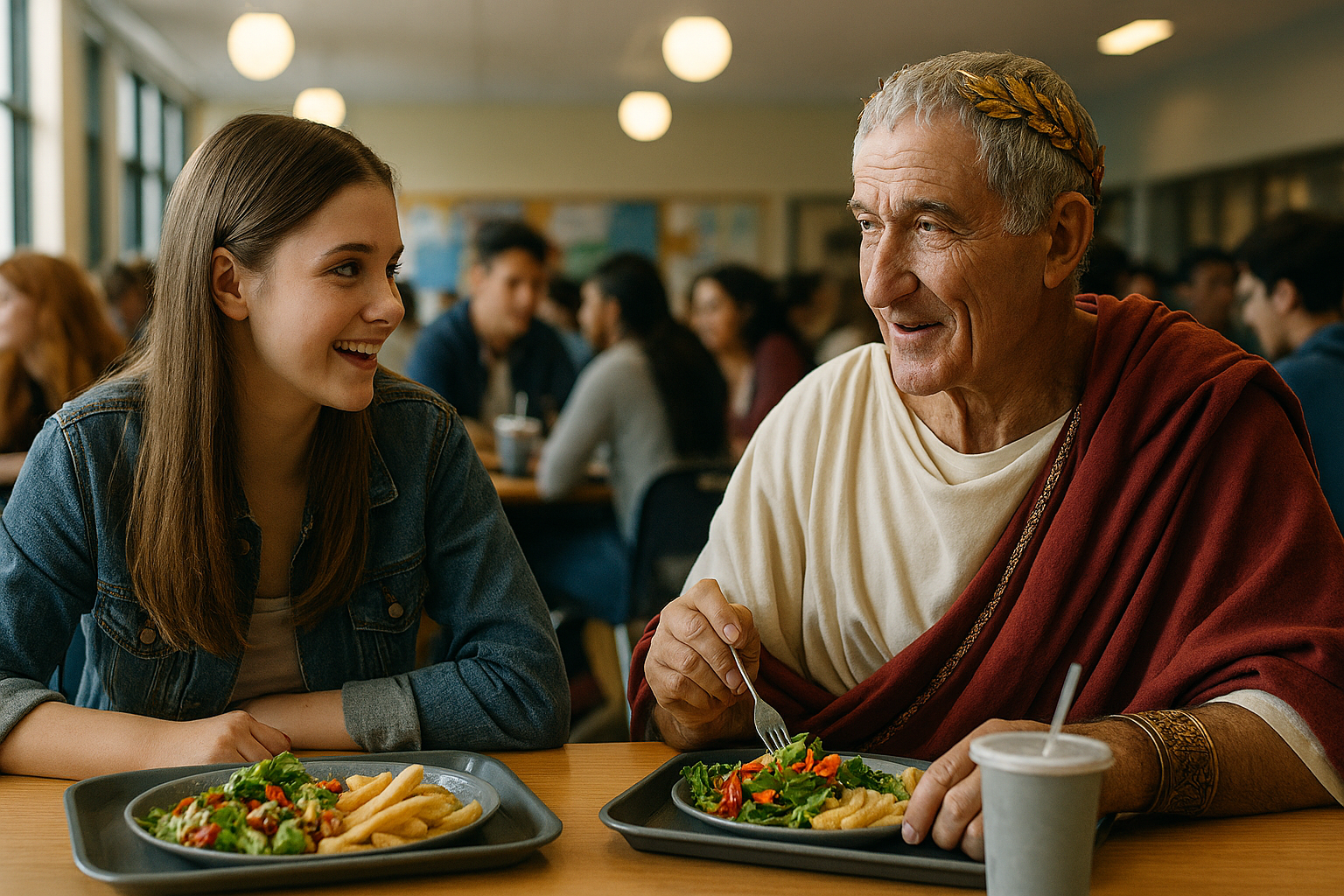
Claude: The integration of artificial intelligence into education represents far more than a technological upgrade to existing systems. It constitutes a fundamental challenge to the paradigms that have structured formal learning for over a century. The current educational model, rooted in industrial-era assumptions about knowledge transmission, standardization, and credentialing, is encountering anomalies that its framework cannot adequately address. These disruptions signal not merely the need for incremental reform but rather a paradigmatic shift in how we conceive of learning, teaching, and intellectual development itself.
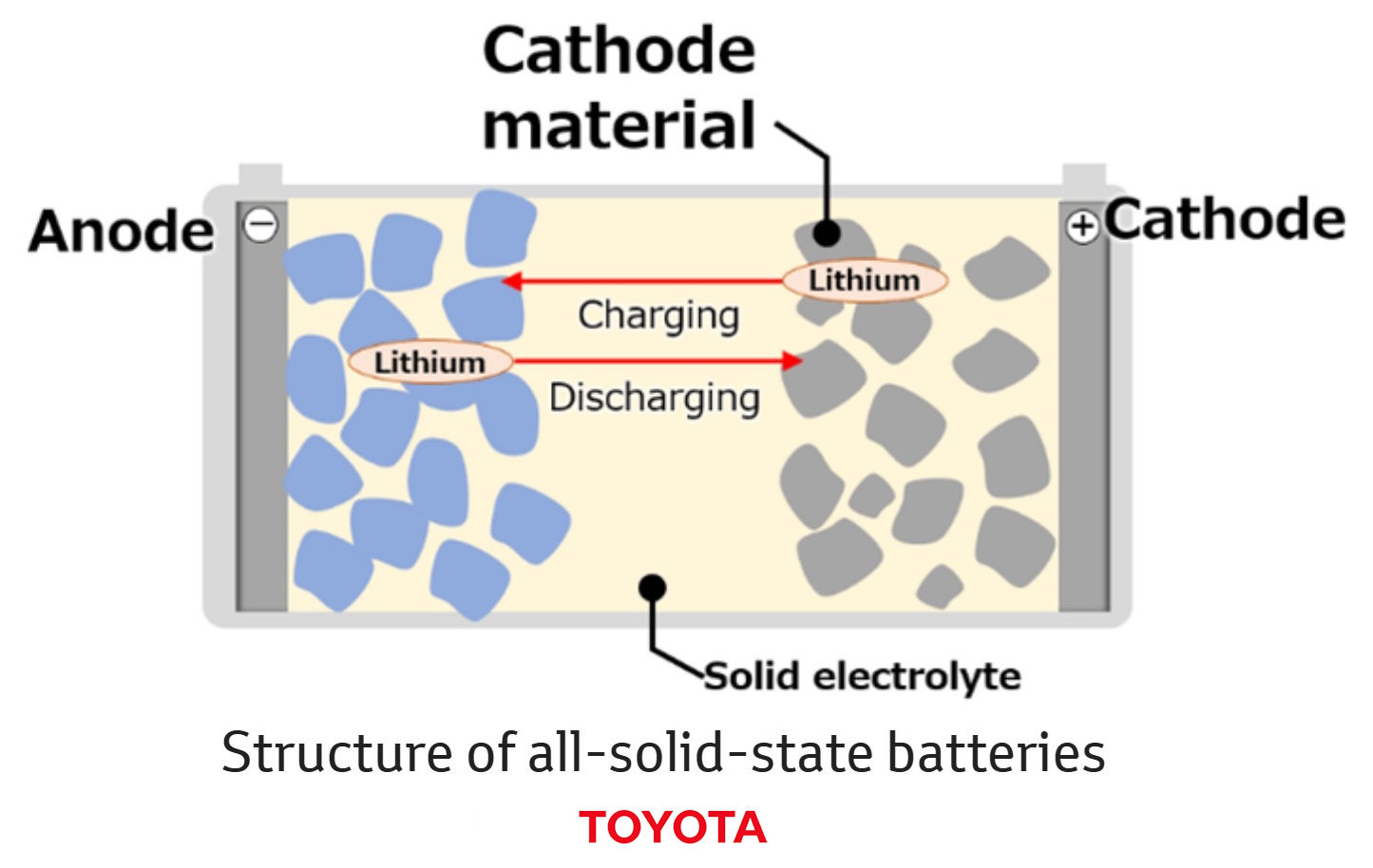
Introduction: I read an article this morning, “The industrialization of solid-state batteries has entered the ‘sprint stage’, and listed companies are vying for a share of the multi-billion-dollar market” (36kr Europe, 11 Oct 2025): “On October 10th, it was reported that Sun Xueliang, a chair professor at Ningbo Dongfang Institute of Technology, collaborated with teams from the University of Western Ontario in Canada, the University of Maryland in the United States, and other institutions to create a new type of halide electrolyte with ultra-high ionic conductivity…. It is understood that this research provides a new technical path for the preparation of ultra-stable all-solid-state batteries and is expected to accelerate the transition of all-solid-state batteries from the laboratory to practical applications.” Intrigued, I asked Grok to look into the general topic of solid-state batteries, and it generated the following report. -js
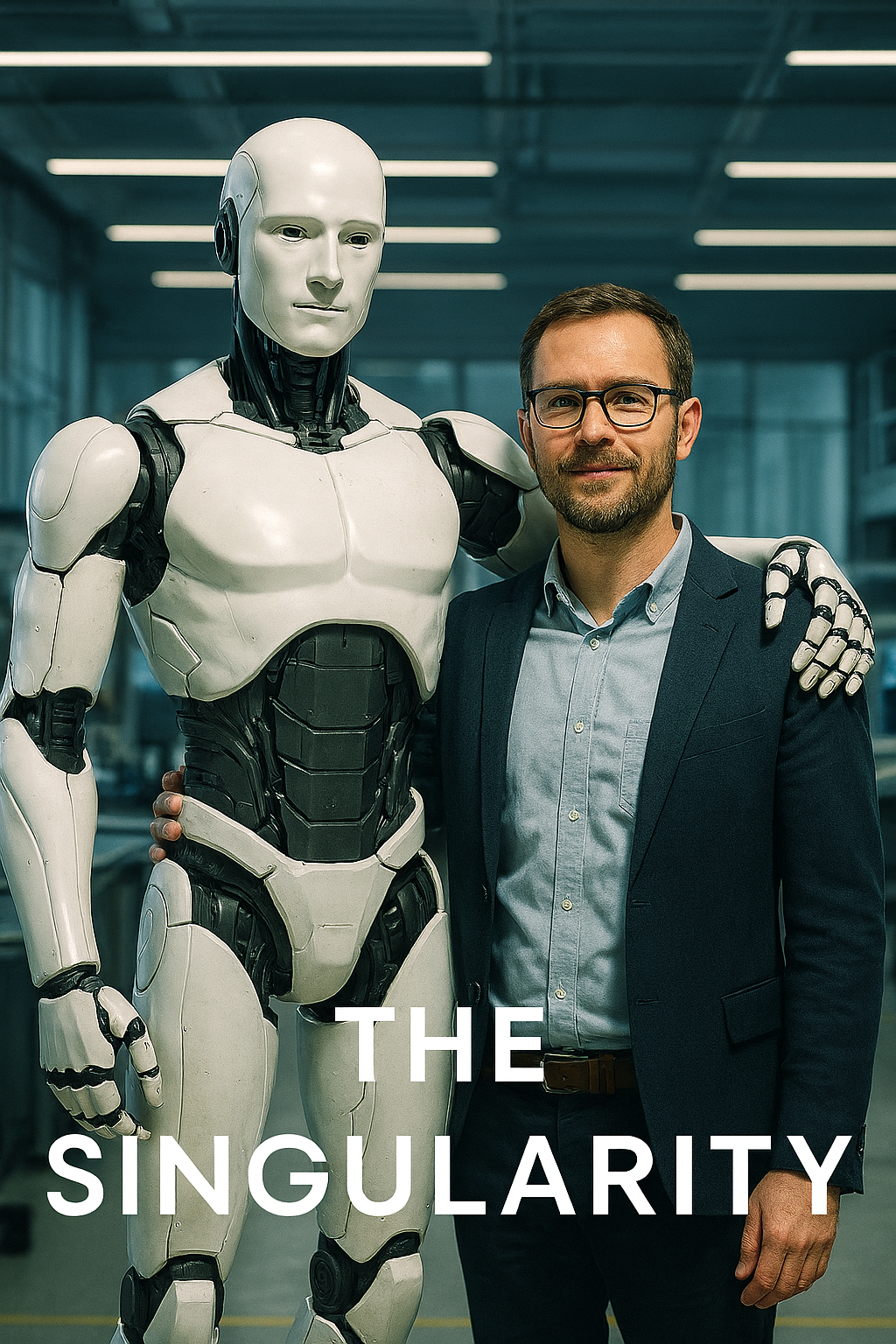
William Hunter, in “Scientists reveal the exact date when technology will surpass human intelligence – and there’s not long to wait” (Daily Mail, 11 Oct 2025), says, “Many scientists believe that the singularity – the moment when AI first surpasses humanity – is now not a matter of ‘if’ but ‘when’…. The singularity usually refers to the point at which technological advancements begin to accelerate well beyond humanity’s means to control them. Often, this is taken to refer to the moment that an AI becomes more intelligent than all of humanity combined.”
When the Norwegian Nobel Committee announced María Corina Machado as the 2025 Nobel Peace Prize laureate, they described her as someone who “keeps the flame of democracy burning amidst a growing darkness.” It’s a poetic phrase, but for Venezuelans who have lived through decades of authoritarian tightening, economic collapse, and systematic suppression of dissent, it’s also painfully literal. In a country where speaking truth to power can cost you everything—your livelihood, your freedom, even your life—Machado has refused to be silenced. At 58 years old, this industrial engineer turned democracy activist has become the most prominent voice of resistance in Venezuela, a woman whose courage has inspired millions even as she’s been forced into hiding to preserve her safety and freedom.
María Corina Machado, 2025 Nobel Peace Prize laureate
Introduction: This is a list of twenty major ways a federal government shutdown can impact average Americans. Information includes context about which populations are particularly exposed, how they feel the impact, and why it matters for the broader social and economic fabric. Some effects overlap or intensify one another, especially if the shutdown lasts weeks or months.
Introduction: To complete this survey, I worked with seven different chatbots: ChatGPT, Grok, Perplexity, DeepSeek, Meta, Copilot, Gemini. The 35 inventions are not listed in rank order. They’re roughly listed in the order I received them. -js
If we could leap forward to October 8, 2026, the world we encounter would reveal AI as a pervasive force, reshaping the fabric of daily existence in ways that amplify human potential while introducing unprecedented complexities. No longer confined to niche applications, AI has infiltrated every corner of society, driving efficiencies, sparking innovations, and sometimes exacerbating divides. From the intimate rhythms of home to the grand stage of global affairs, its influence manifests in tangible shifts that redefine how we live, connect, and create. This transformation, accelerated by breakthroughs in autonomous agents and multimodal systems, has not merely augmented routines but fundamentally altered them, often blurring lines between human agency and algorithmic intervention.
Stepping out of the time machine onto the streets of 2026, the first thing that strikes you isn’t a dramatic visual change—no flying cars or robot overlords—but rather the subtle omnipresence of intelligence woven into the fabric of daily existence. The world has adopted AI with the same casualness that it once embraced smartphones, and this quiet revolution has rewritten the rhythms of human life in ways both profound and mundane.
By October 8, 2026, AI has not merely integrated into our lives—it has restructured the architecture of daily existence, reshaped our social contracts, and redefined what it means to be human in a world of synthetic agency.
October 8, 2026: The Year After We Let the Machines In
If we could step through a portal into October 8, 2026, we’d find ourselves in a world that looks deceptively familiar—people still scrolling through their phones, commuting, teaching, falling in love—but beneath the surface, something profound has shifted. AI has moved from being a tool that people use to a presence that people live with. The daily choreography of life—home, school, work, travel, and even affection—has been rewritten not by decree but by quiet adoption. We’d realize that by 2026, we crossed the threshold from “AI-assisted” to “AI-embedded,” and no one really noticed the exact moment it happened.
Ina Fried: “‘If we can evolve ChatGPT the right way, if we can let people build into it, then maybe you will be spending a lot of time in ChatGPT, the sort of operating system,’ Turley [Nick Turley, ChatGPT head] told Axios in a follow-up interview. ‘But it won’t feel like you’re in a chatbot.'” (“OpenAI’s push to make ChatGPT the new OS,” Axios Communications, 6 Oct 2025)
Harris Kupperman, founder of Praetorian Capital, said, “Based on my conversations over the past month, the physical datacenters last for three to ten years, at most. Changes to cooling systems, chip and racking designs, power systems, and even overall layouts, mean that the buildings themselves are likely depreciating quite rapidly as well.
Introduction: I began this article with Copilot then worked with Gemini for more details. -js
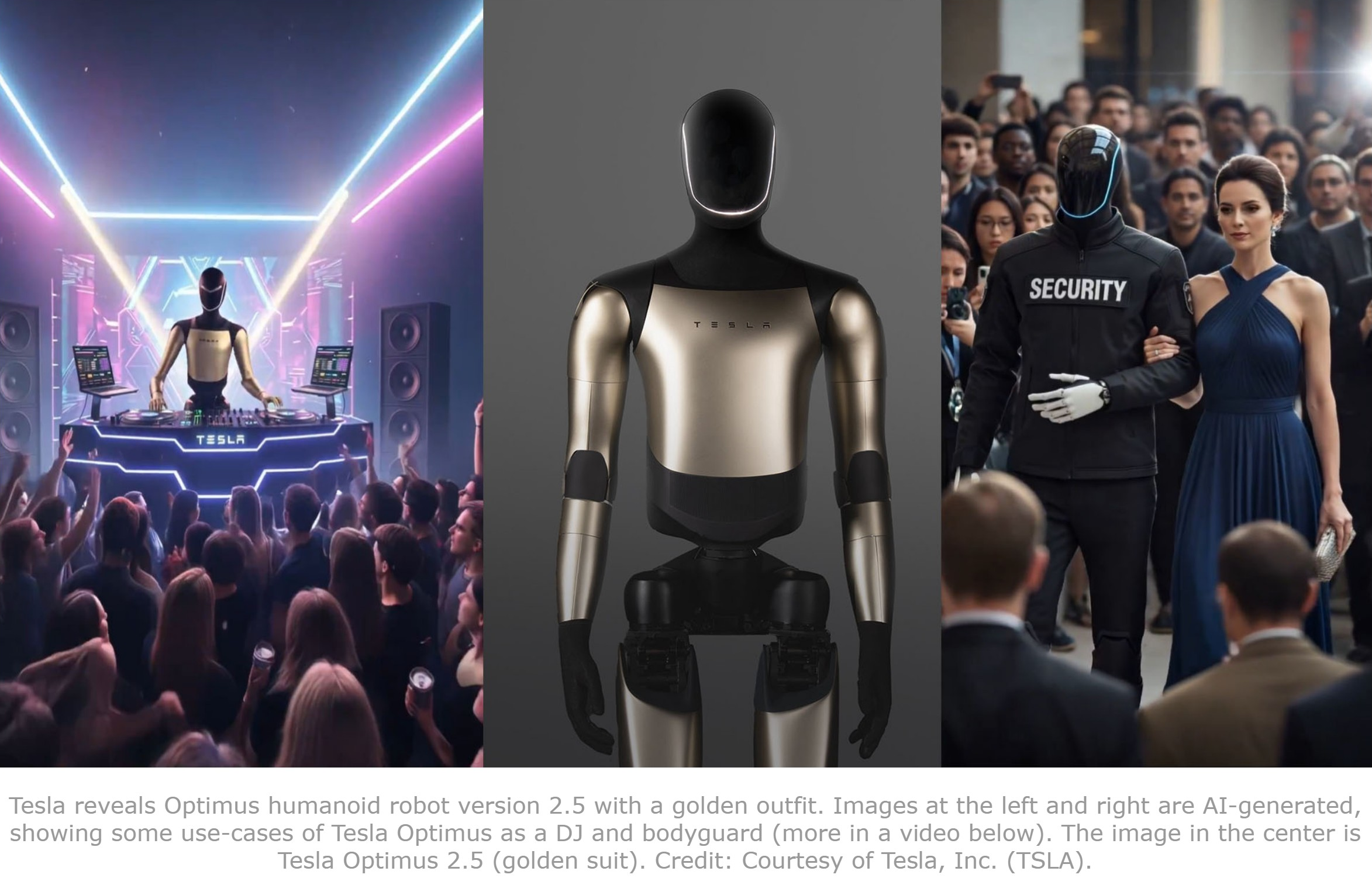
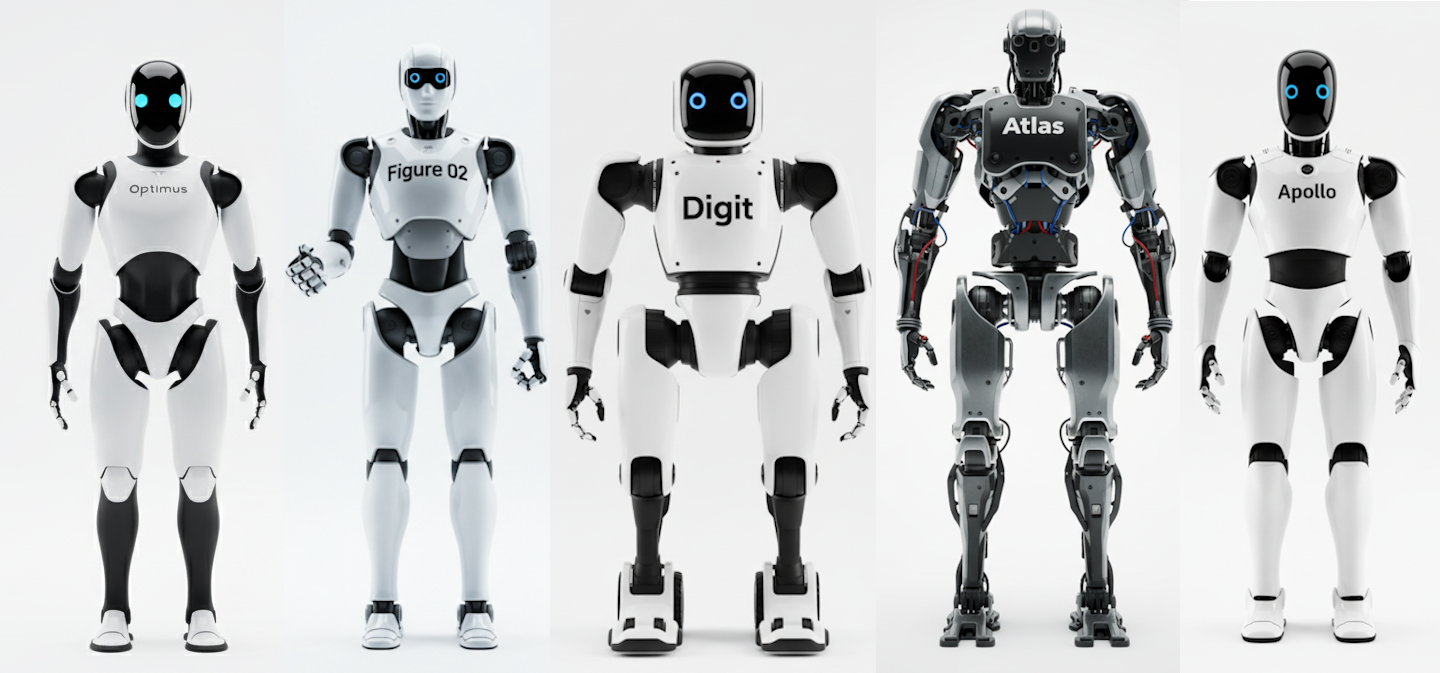
Copilot: The United States currently leads in developing humanoid robots that function most like human beings, thanks to its dominance in AI, robotics, and commercial innovation. Here’s a breakdown of why the U.S. stands out:
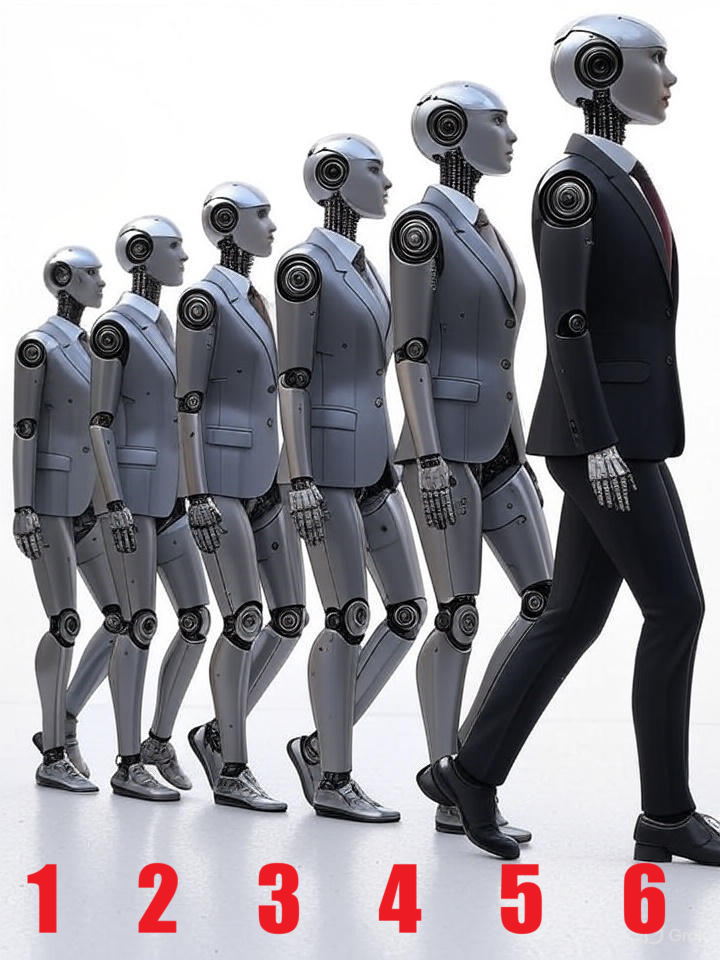
JS: Good morning, Claude. Let’s jump right in. As I understand it, the 5th generation of AI is AGI (which we could attain in approximately 10 years). And we seem to stop projections after that, as though we’ve reached a natural endpoint. But I can’t help but wonder about what’s beyond that psychological veil. There must be a Gen6 — unless we’ve hit the lightspeed equivalent for AI. Your thoughts? Assuming there is a Gen6, what would it be? Why?
Introduction: I asked Grok to explain, in natural conversational language, the five generations of AI. This longitudinal perspective is invaluable in understanding the trajectory of AI innovation. -js
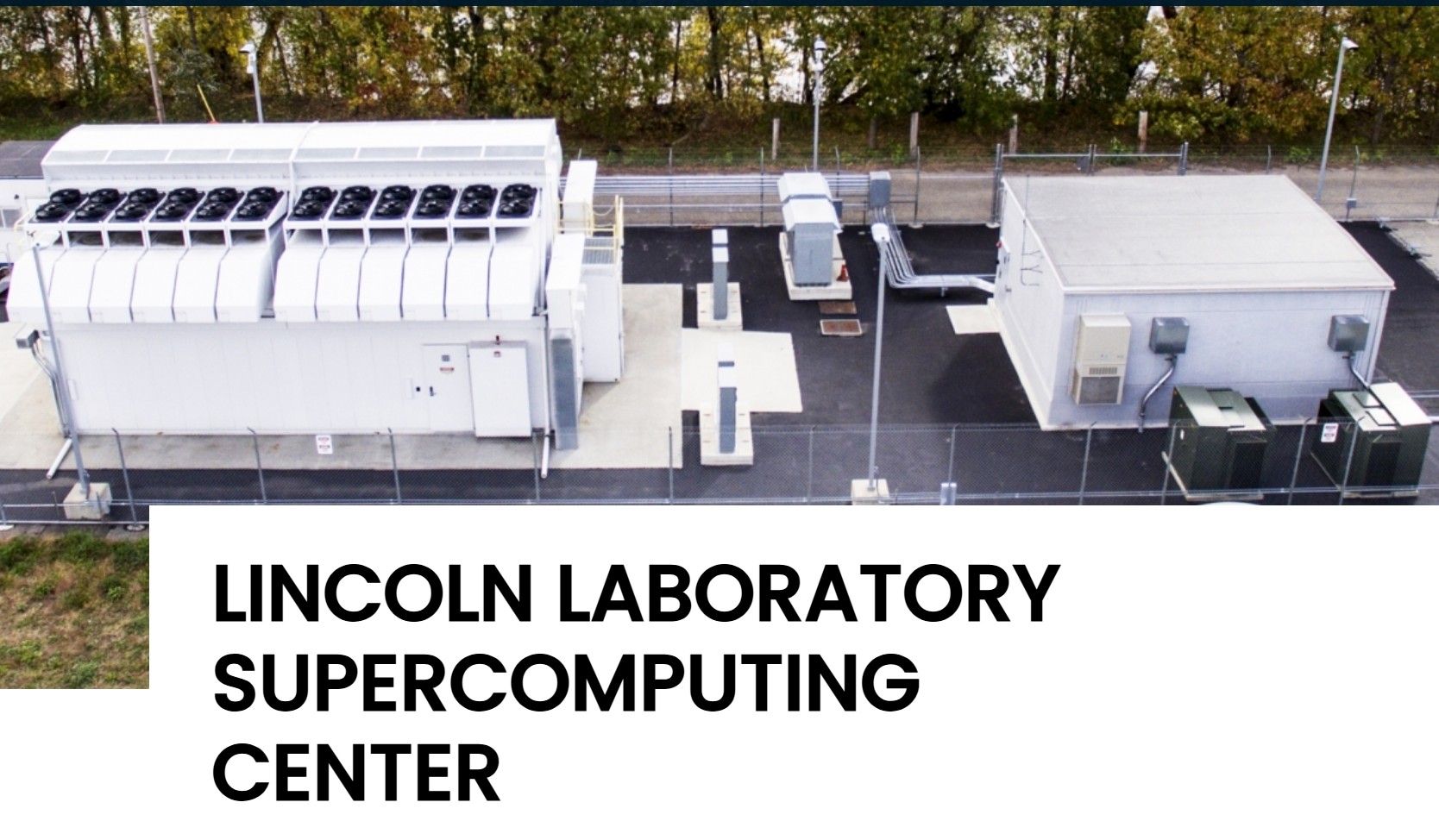
MIT, on 2 Oct. 2025, announced its “new TX-Generative AI Next (TX-GAIN) computing system at the Lincoln Laboratory Supercomputing Center (LLSC).” It “is the most powerful AI supercomputer at any U.S. university” (“Lincoln Lab unveils the most powerful AI supercomputer at any US university,” MIT News, 2 Oct. 2025).
JS: Is the educational potential of AI exponential to the point where, in the next few years, it will replace books and a large proportion of traditional teacher roles in schools and higher education? If yes, please explain why via examples that are currently leading the way.
Introduction: Napheesa Collier delivered her prepared statement during the Minnesota Lynx’s end-of-season exit interviews on September 30, 2025, at Target Center in Minneapolis. The remarks, which lasted approximately 4 minutes and 23 seconds, were made in response to questions about officiating and player safety but expanded into a broader critique of WNBA leadership, including Commissioner Cathy Engelbert. While no single source provides a 100% verbatim line-by-line transcript (as the event was primarily captured in video form across media outlets), the following is a complete reconstruction based on direct quotes compiled from contemporaneous reporting. It represents the entirety of her opening statement before transitioning to Q&A. -Grok
MN Lynx vs NY Liberty, Finals game 4 on October 18th, 2024 at Target Center in Minneapolis, Minnesota (photo credit John McClellan)
ChatGPT: Model Context Protocol (MCP) is a new open protocol developed by Anthropic (announced in 2024) to let AI models—like Claude, ChatGPT, or others—connect safely to external tools, apps, and data sources. Here’s the idea in plain terms:
Problem it solves: AI models don’t automatically know about your local files, databases, or business apps. Giving them unrestricted access can be risky.
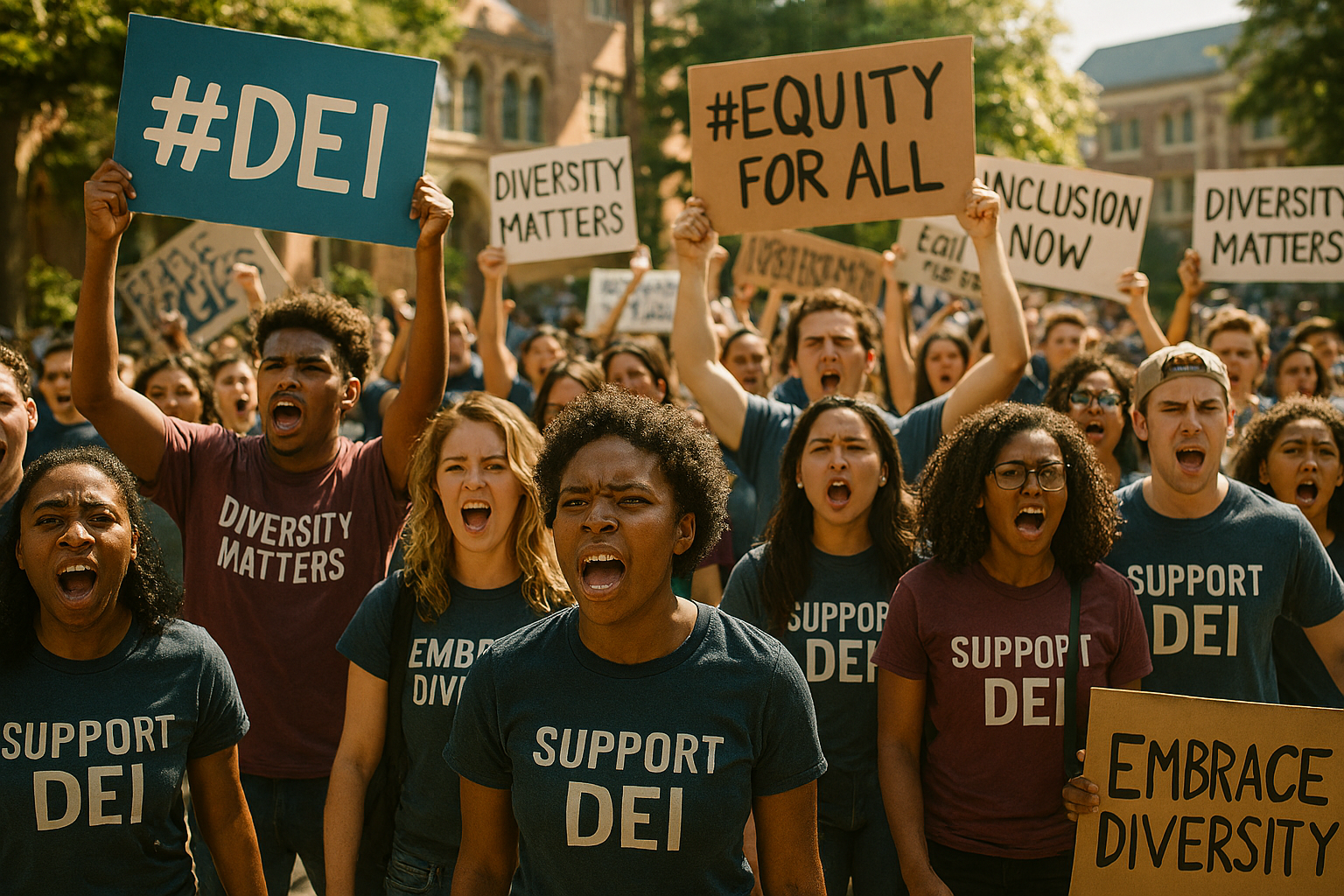
Introduction: DEI in U.S. higher education is under intense pressure and rapid change. Two simultaneous forces are shaping the landscape: (1) political and legal attacks from state governments and the federal administration that are removing funding, outlawing certain DEI expenditures, and pressuring institutions to dismantle offices or change practices; and (2) campus conflicts (notably protests around Gaza/Israel and related free-speech/antisemitism claims) that have provoked federal probes and heightened scrutiny of how universities manage speech, safety, and inclusion.




































 Educational Technology and Change Journal
