Introduction: Anna Lee Mijares, in her article “10 AI Innovations Businesses Need to Watch for Competitive Advantage in 2025” (Unity-Connect, 6 Nov. 2025), mentions 10 innovations* that will shape AI in the remainder of 2025. Her list is excellent! She covers 10 of the most important. To complement her work, I asked a number of AI chatbots: Can you think of one or two critical innovations that could be added to her list? All responded with two suggestions, and I combined them into the list below. -js
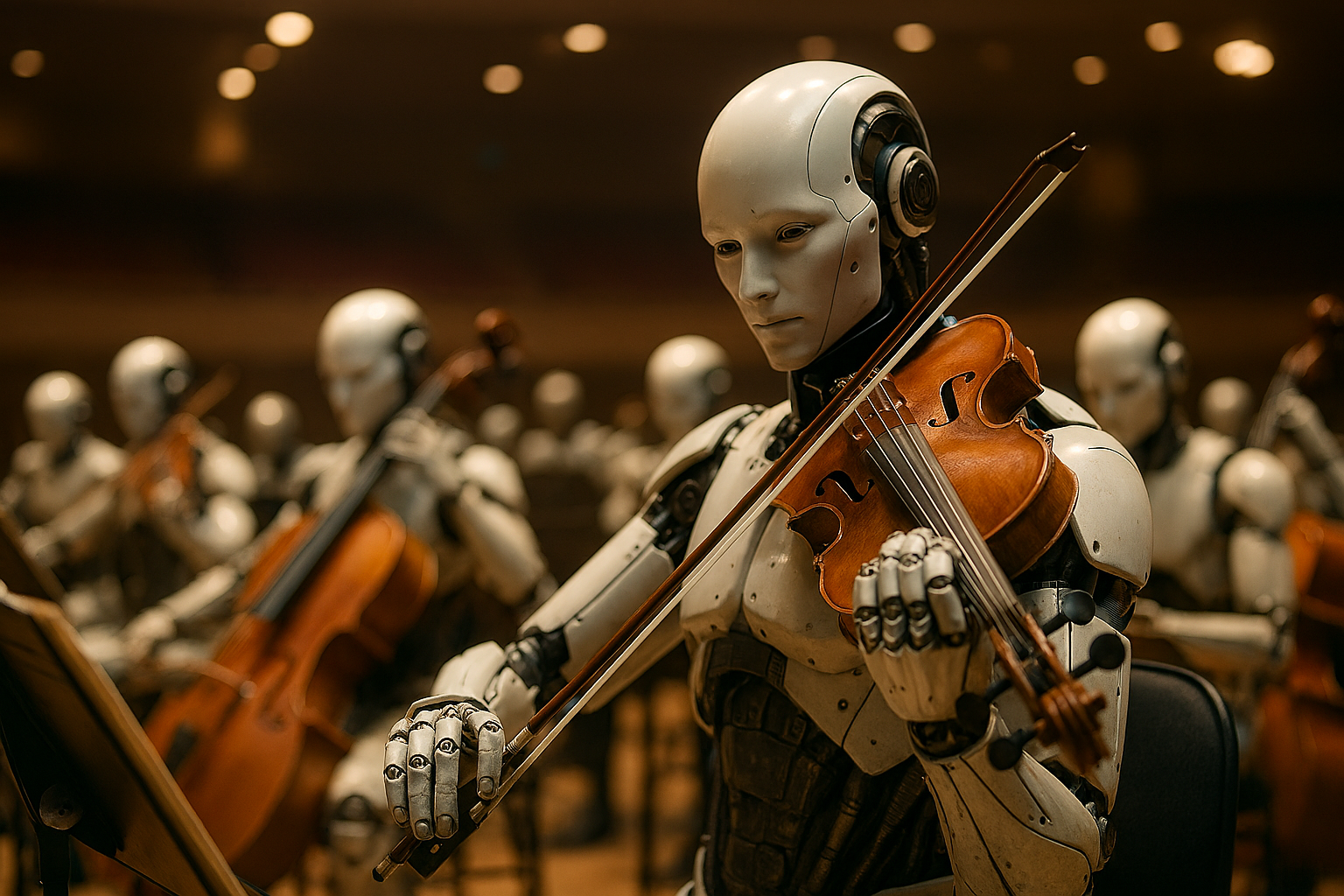
The question of whether an AI-driven robot can truly play a musical instrument—especially at a high artistic level—touches both the limits of robotics and the nature of human expressivity. In recent years, advances in machine learning, sensor technology, and robotics have brought us closer to answering that question with an emphatic “yes”—but with important qualifications. Some instruments lend themselves more easily to robotic imitation than others. A closer look at the violin, trumpet, guitar, and drums reveals how the degree of difficulty varies depending on the physical and expressive demands of each instrument.
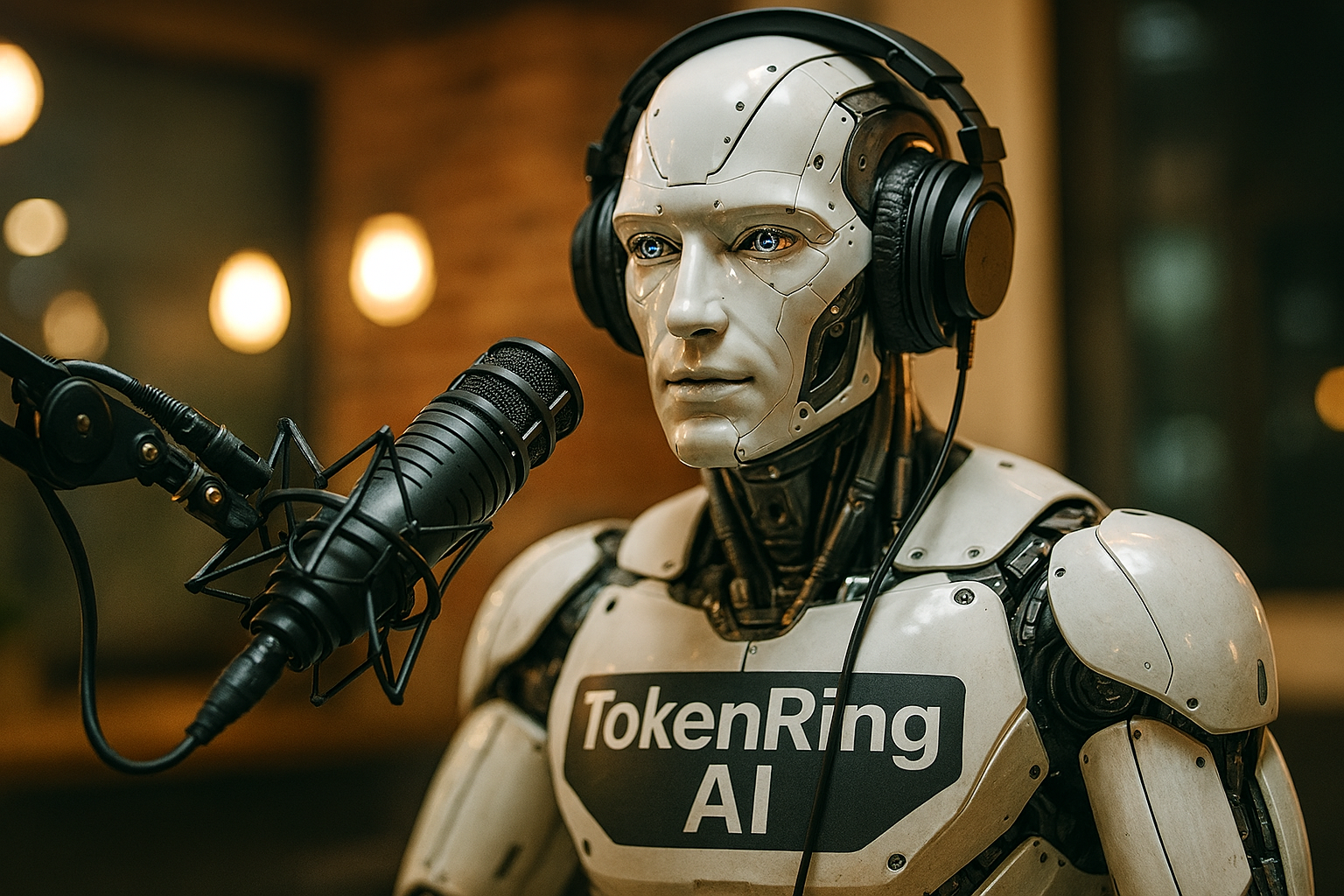
Introduction: I stumbled upon an article this morning, “AI Unlocks Cosmic Secrets: Revolutionizing Discovery in Physics and Cosmology” (by TokenRing AI, Financial Content, 5 Nov. 2025). I was impressed by both the clear style and even clearer message, but I was intrigued by the “writer” — purportedly an AI. Curious, I asked Copilot to review the article and to dig into TokenRing AI. The following is Copilot’s review. -js
Introduction: Because of fee-walls erected by many if not most higher ed conference organizers, many outstanding papers remain out of sight for the academic community. To see if a chatbot could discover, without circumventing paywalls, some of these gems by relying on sources that aren’t normally crawled by chatbots, I asked Grok to identify five to ten noteworthy papers on AI from conferences held in 2025. It accessed and synthesized information from publicly available proceedings, open-access repositories like arXiv, institutional archives, and conference websites, even when full papers are behind paywalls—often through abstracts, preprints, or shared excerpts that highlight key contributions. Grok came up with seven.* -js
A significant number of high-profile AI-related TED Talks were released following the TED2025 conference, “Humanity Reimagined,” which took place in April 2025. These talks generally fall into three critical areas: the acceleration and ultimate power of AI, the existential and catastrophic risks, and the imperative for ethical foresight and societal preparation. Five prominent talks from this period represent this crucial spectrum of debate. The first sets the stage for the hyper-acceleration argument, and the remaining four with their details.
Megan McArdle is a Washington Post columnist (screenshot from her TED Talk)
The landscape of free AI-driven language learning apps in November 2025 is dynamic. For anyone eager to begin or deepen their language journey for free, exploring the social immersion of HelloTalk, the structured lessons of 50LANGUAGES, the vocabulary-rich flashcards of Quizlet, and the gamified content of Memrise offers a comprehensive foundation without time or lesson restrictions.
Introduction: I asked Copilot to review Henley Wing Chiu’s “I analyzed 180M jobs to see what jobs AI is actually replacing today” (Bloomberry, 3 Nov. 2025) and to extract the three most compelling insights. I also asked it to weigh the analysis in the context of other 2025 analyses.
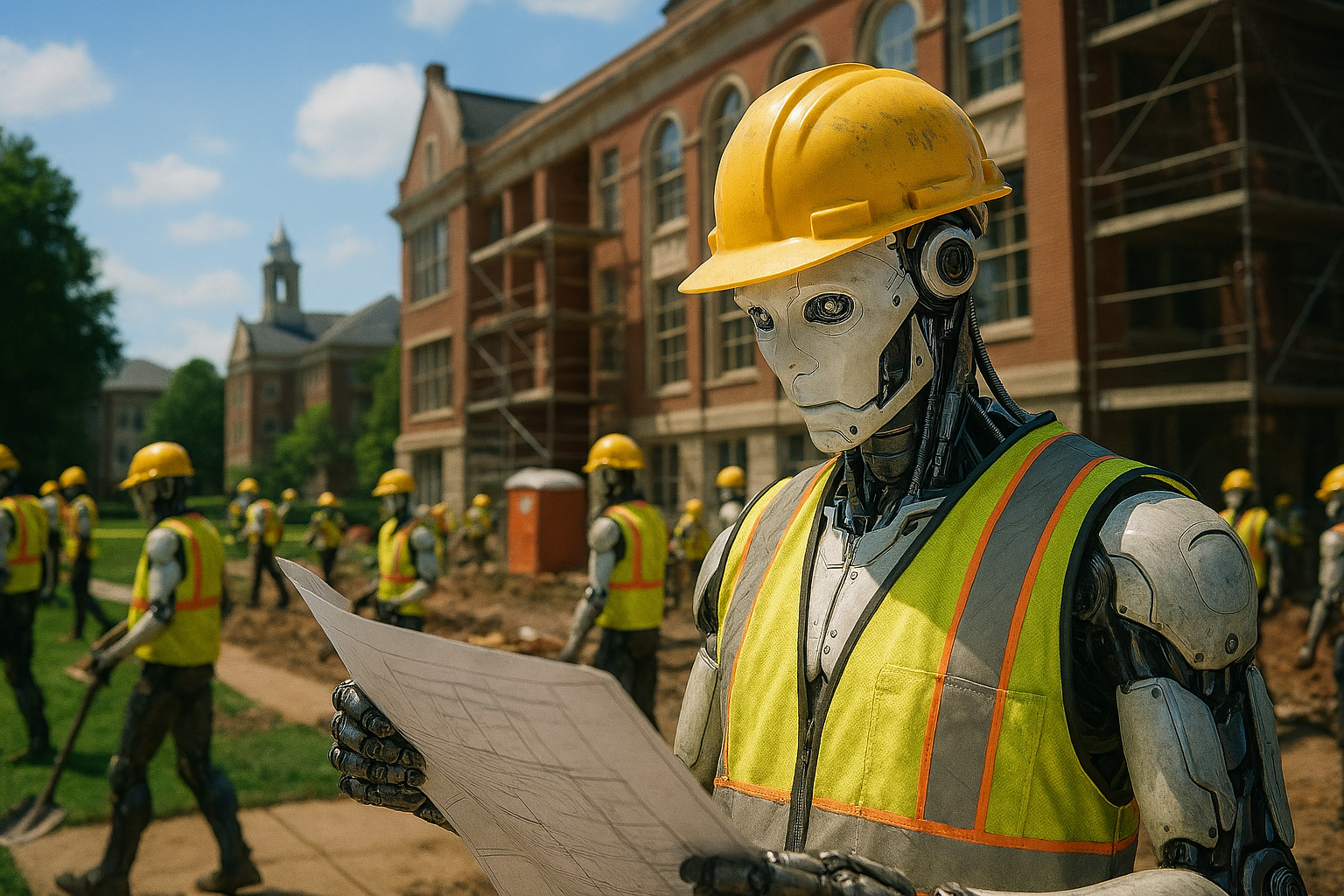
Introduction: As of November 4, 2025, AI is reshaping college campus architecture and environment. Taken together, these changes show that AI’s influence on campus is not merely an IT or curricular update: it is a material, spatial and governance transformation. New hubs and instrumented labs concentrate AI resources and change campus traffic and program adjacency; AI-responsive classrooms require different structural and finish choices (raised access floors, networked ceilings, acoustic zoning); instrumented building operations change façades, mechanical systems and commissioning practices; and AI surveillance reshapes public space and triggers new policy/ethics design work.
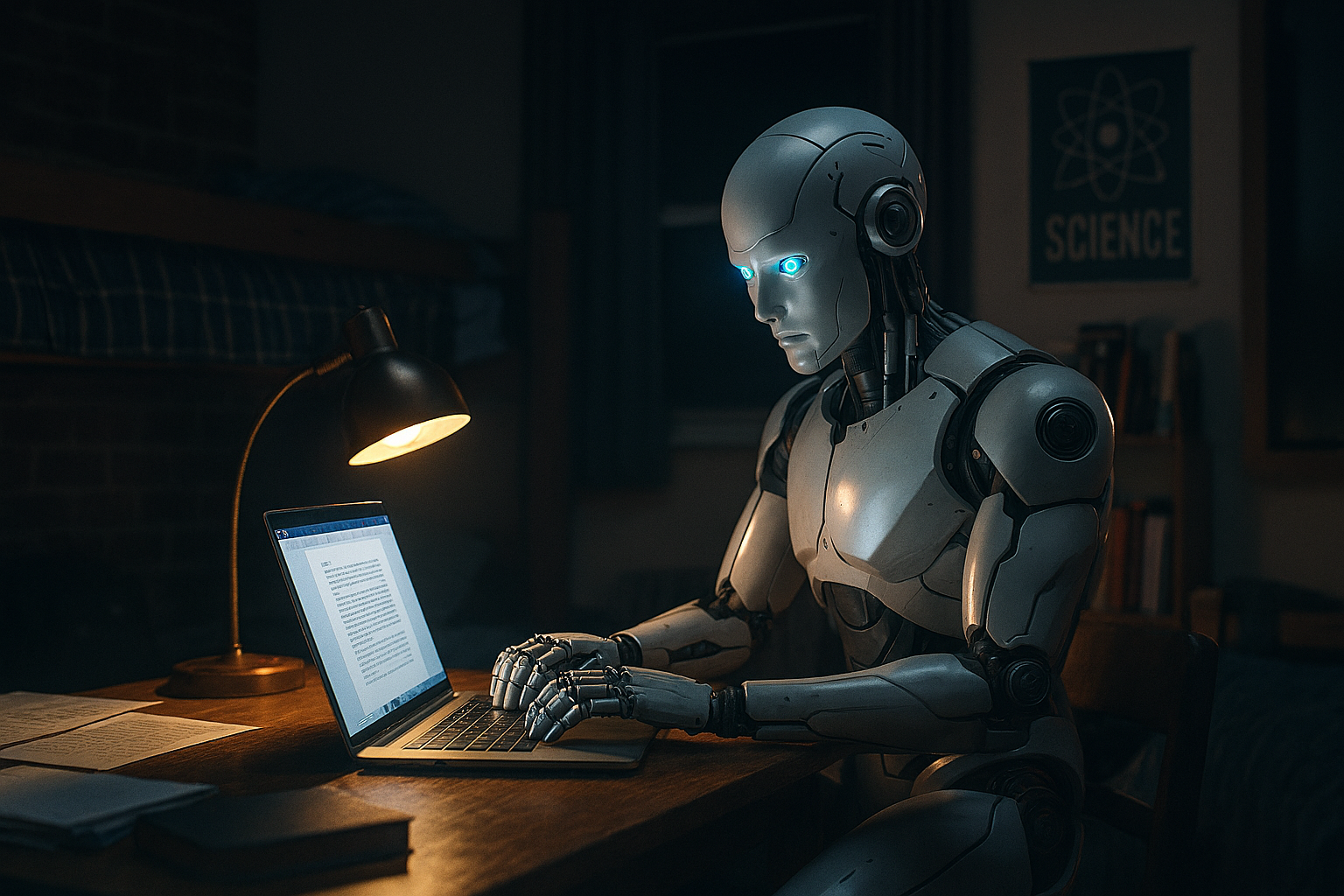
Introduction: The rise of generative Artificial Intelligence (AI) has forced a critical re-evaluation of what constitutes a “good” student-written essay. Traditional benchmarks like organization, focus, development, and formal correctness are now easily met by AI, rendering them insufficient as definitive markers of student learning and unique intellectual effort. The criteria that remain stubbornly human—originality of insight, genuine personal voice, and nuanced engagement with lived experience—are now paramount. I asked Gemini and Claude to examine articles that address these personal criteria to provide a glimpse into the future of writing pedagogy and the outer limits of AI’s current capabilities.
Amazon’s Nova Cognition Multi-Agent Platform, known as Nova Act, is a newly launched AI system designed to autonomously perform complex web-based tasks. As of November 2025, it represents Amazon’s strategic leap into the competitive AI agent landscape, challenging incumbents like OpenAI and Anthropic. The platform is currently in developer preview, with rapid expansion expected through early 2026. It is led by Amazon’s AGI lab in San Francisco and faces serious competition from OpenAI’s GPT agents and Anthropic’s Claude-based systems.
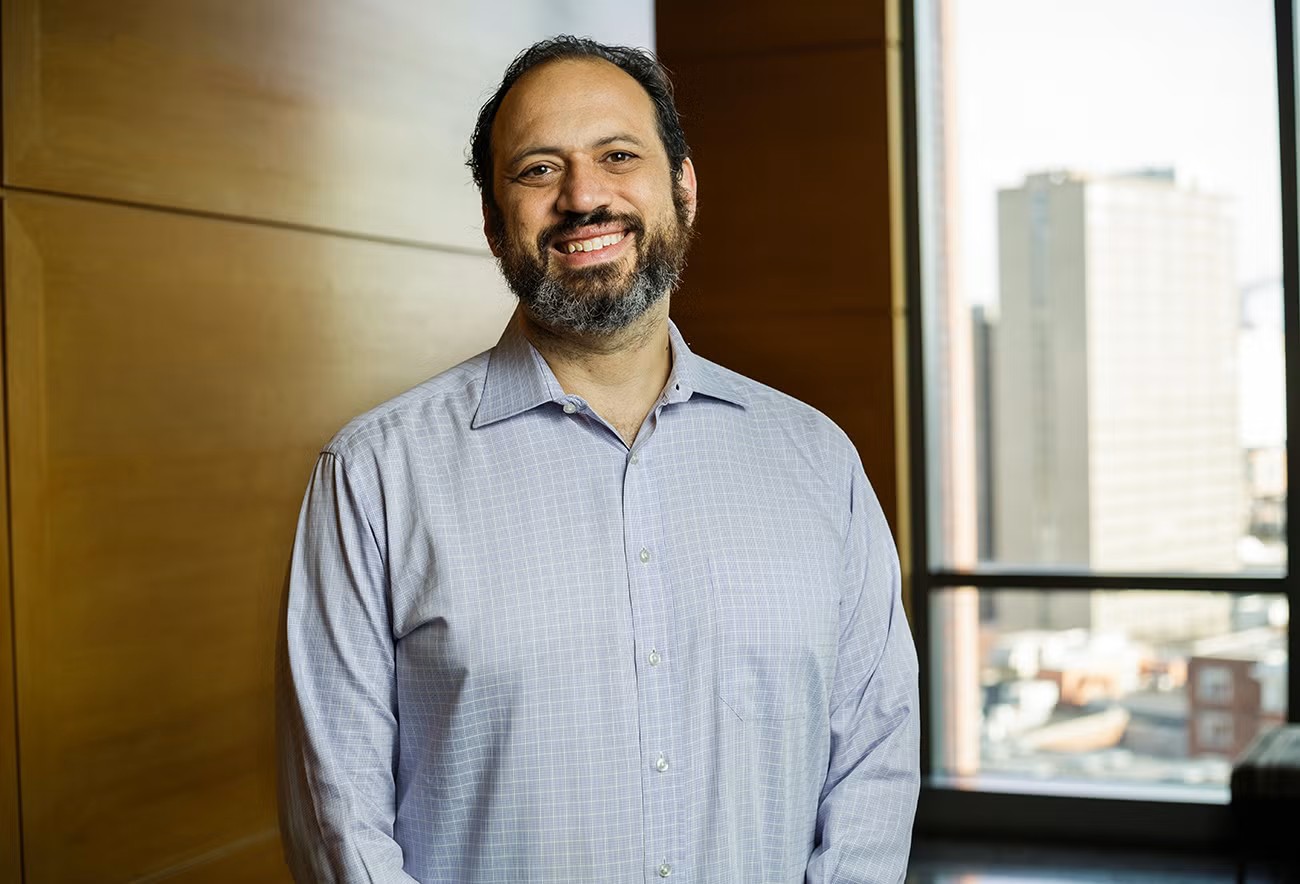
David Luan, VP of Autonomy and head of Amazon’s AGI SF Lab (Amazon Science)
The rapid proliferation of Large Language Models (LLMs) from experimental tools into the core of enterprise operations has simultaneously unlocked immense potential and exposed a new frontier of critical security vulnerabilities. In this context, Arthur AI’s concept of a “Self-Healing” AI Firewall for LLMs emerges not merely as a feature, but as an essential security primitive for the autonomous AI-driven ecosystem of the future. This architectural necessity stems from the unique attack surface that LLMs present, which fundamentally differs from traditional software.
As of November 2, 2025, DeepSeek’s R1 model stands as one of the most consequential open-source achievements in artificial intelligence. Released earlier in the year, R1 captured global attention for its advanced reasoning capabilities and its daringly open release strategy. It has since become a cornerstone in the conversation about how the next generation of AI should be trained, shared, and governed.
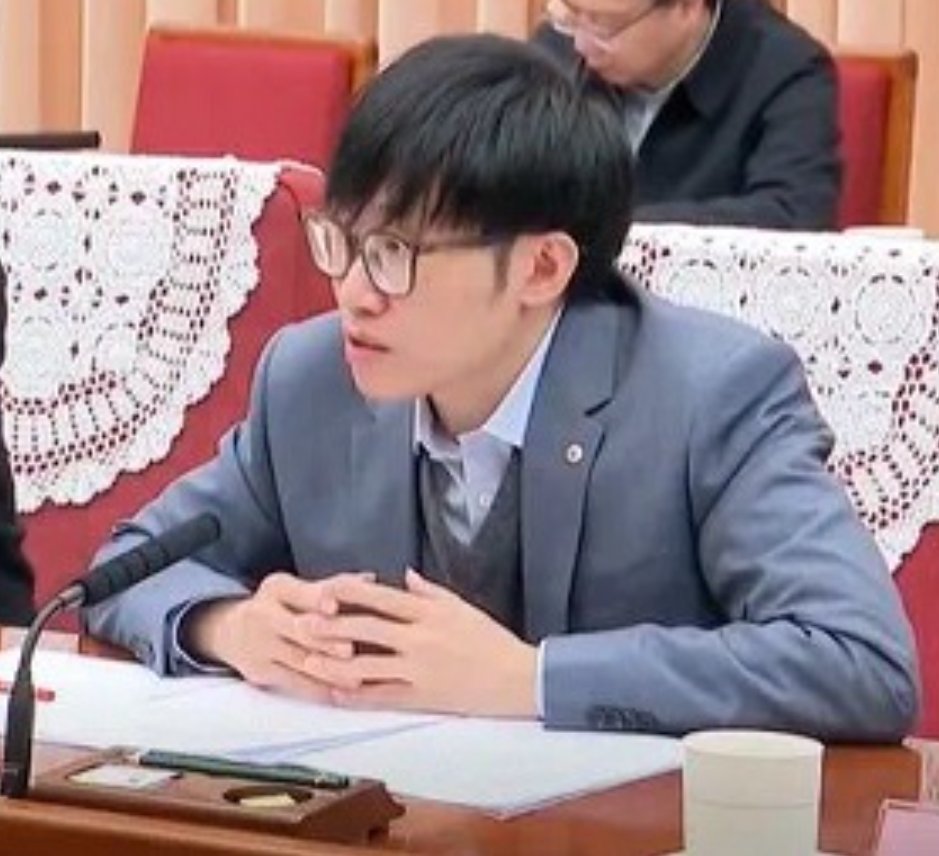
Liang Wenfeng, DeepSeek’s CEO and founder (eHangZhou)
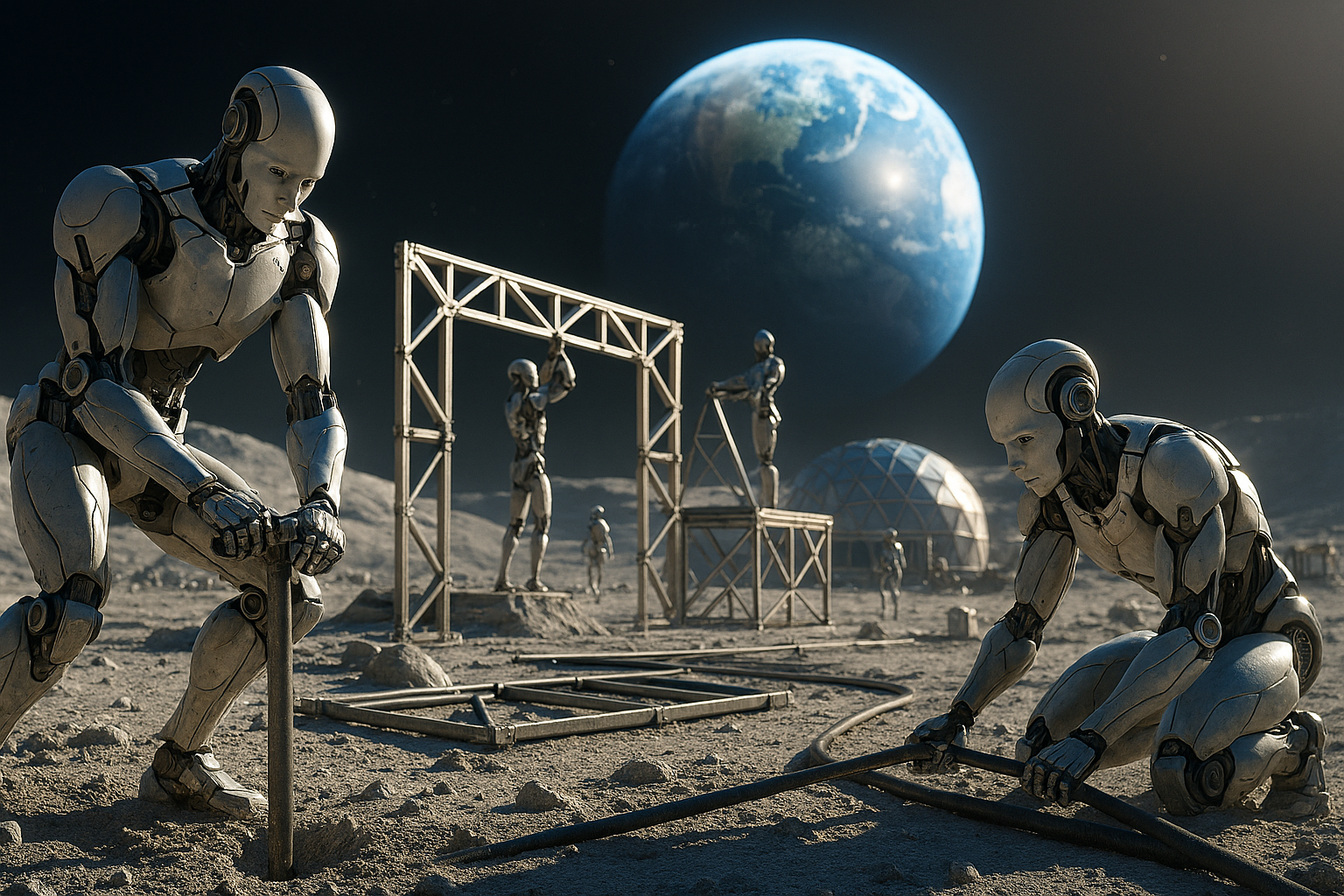
Introduction: I prompted ChatGPT: Get me up to speed on Elon Musk’s and Jeff Bezos’ outlooks for future space colonies. For each, explain their plan, rationale, initial steps, why it matters to the rest of us, time frame to launch, major obstacles, and your opinion on the ultimate value and probability for success. Follow-up prompts: (1) Is there a 3rd vision re future space colonies lurking in the background that we should be aware of? If yes, please explain. (2) In the Musk-Bezos vision, humans are a central focus. Are they (or anyone else) considering the possibility of focusing on AI robots instead of humans, and what are the advantages/disadvantages of robots? Following are ChatGPT’s responses. -js
Introduction: I submitted the following prompt to Claude: Please review “How LLM Counselors Violate Ethical Standards in Mental Health Practice: A Practitioner-Informed Framework” by Zainab Iftikhar et al. (Brown U). See the PDF from the proceedings for AIES 2025. Determine whether the “violations” of ethical standards in mental health practice are generalizable to other fields or topics. I found them applicable, in general, to education and other topics and to most chatbots but want another opinion. Claude’s response follows. -js
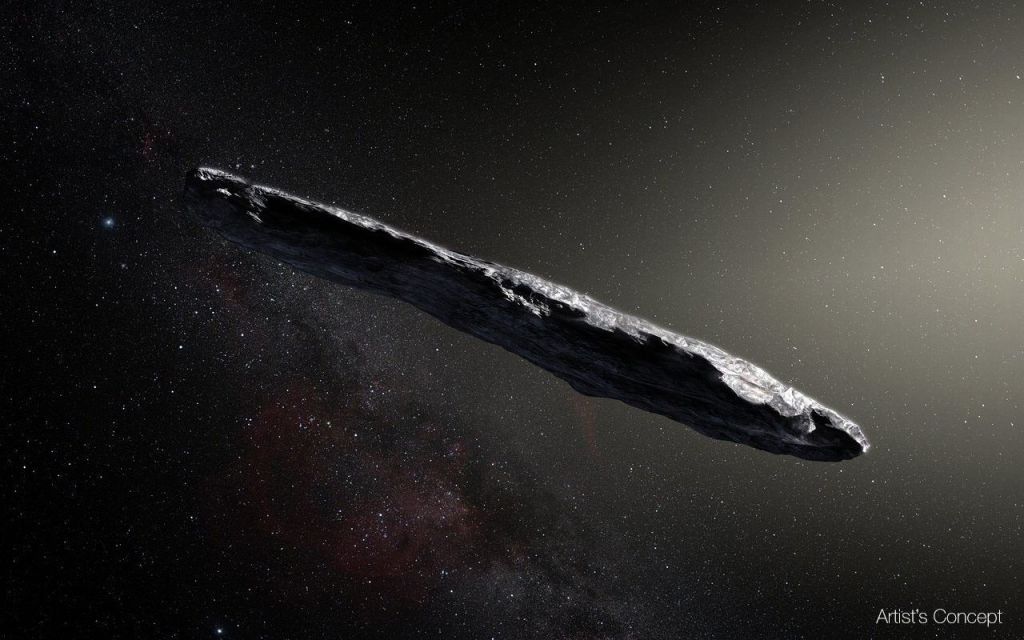
Ever since ‘Oumuamua visited our solar system in 2017, interest in possible extraterrestrial visitors has surged. So far, astronomers have identified three such interstellar visitors, far more tangible than any UFO sighting. The official name for ‘Oumuamua is 1I/‘Oumuamua. The “1” means it’s the first interstellar object discovered. The “I” indicates its interstellar origin.
“‘Oumuamua is the first confirmed object from another star to visit our solar system.” –NASA
Several college professors integrate AI into facets of their professional lives beyond the classroom, from accelerating groundbreaking research to streamlining creative workflows and even enhancing personal pursuits. These stories reveal AI not as a distant novelty but as a quiet collaborator that amplifies human ingenuity.
The nature of cutting-edge AI innovation means that specific, named games releasing in November 2025 with publicly attributed individuals are often kept under tight wraps by major studios. However, the data points to three dominant AI-driven innovation trends that are redefining the video game landscape in late 2025, which can be tied to major games and responsible entities. These trends are not isolated features but fundamental shifts in how worlds are created and how players interact with them.
Between October and November 2025, the DEI landscape in higher education has moved from uncertainty to crisis. The five issues identified in the October report remain intact, but the urgency has sharpened. Federal enforcement, state-level restrictions, and financial leverage now converge to threaten the operational core of equity work across American campuses.
The three most pressing educational technology issues in higher education for November 2025 are: (1) navigating generative AI’s impact on academic integrity and pedagogy, (2) rebuilding trust in digital learning systems amid rising skepticism, and (3) addressing the digital equity gap in hybrid and AI-enhanced environments. Included for each are suggested strategies and models.
Resource: Dr. Ethan Mollick, Ralph J. Roberts Distinguished Faculty Scholar, Associate Professor of Management, Co-Director, Generative AI Labs at Wharton, Rowan Fellow (Wharton)
Introduction: I asked chatbots — ChatGPT, Copilot, DeepSeek, Gemini, Grok — to identify teens who have impacted the field of AI. These are their selections, in alphabetical order. -js
These five developments—neuromorphic computing, hybrid quantum-AI systems, AI protein engineering, retrieval-augmented generation, and edge AI semiconductors—share a common theme: they represent architectural innovations and practical deployments rather than incremental improvements in model size or capability. While the media focuses on the latest chatbot features or generative AI controversies, these quieter developments are building the infrastructure and capabilities that will define AI’s next decade. Their impact may only become apparent in retrospect, but the groundwork being laid in late 2025 positions them to transform industries throughout 2026-2028 and beyond.
The headline that greeted readers on October 28, 2025, felt both shocking and inevitable: Amazon, one of the world’s largest employers, was eliminating 14,000 corporate positions.* Yet this announcement represents far more than a single company’s cost-cutting measure. It is the latest and most dramatic chapter in a fundamental transformation sweeping through American industry, where artificial intelligence is not merely changing how work gets done but redefining which jobs exist at all.
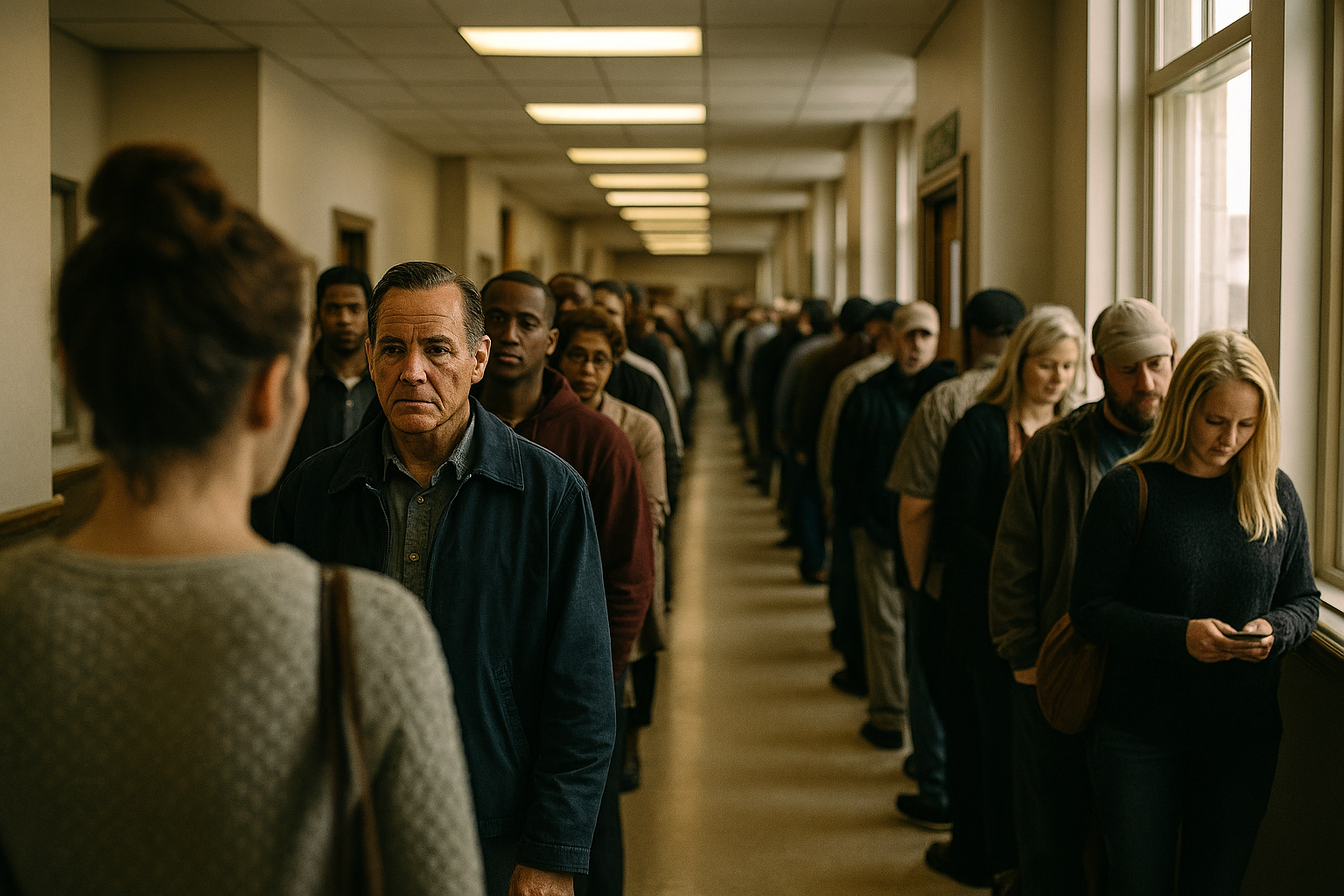
Introduction: As of October 28, 2025, these are the top ten 2025 initiatives, in rank order, across federal, state, and city levels that use AI to cut waiting lines and improve public service delivery.
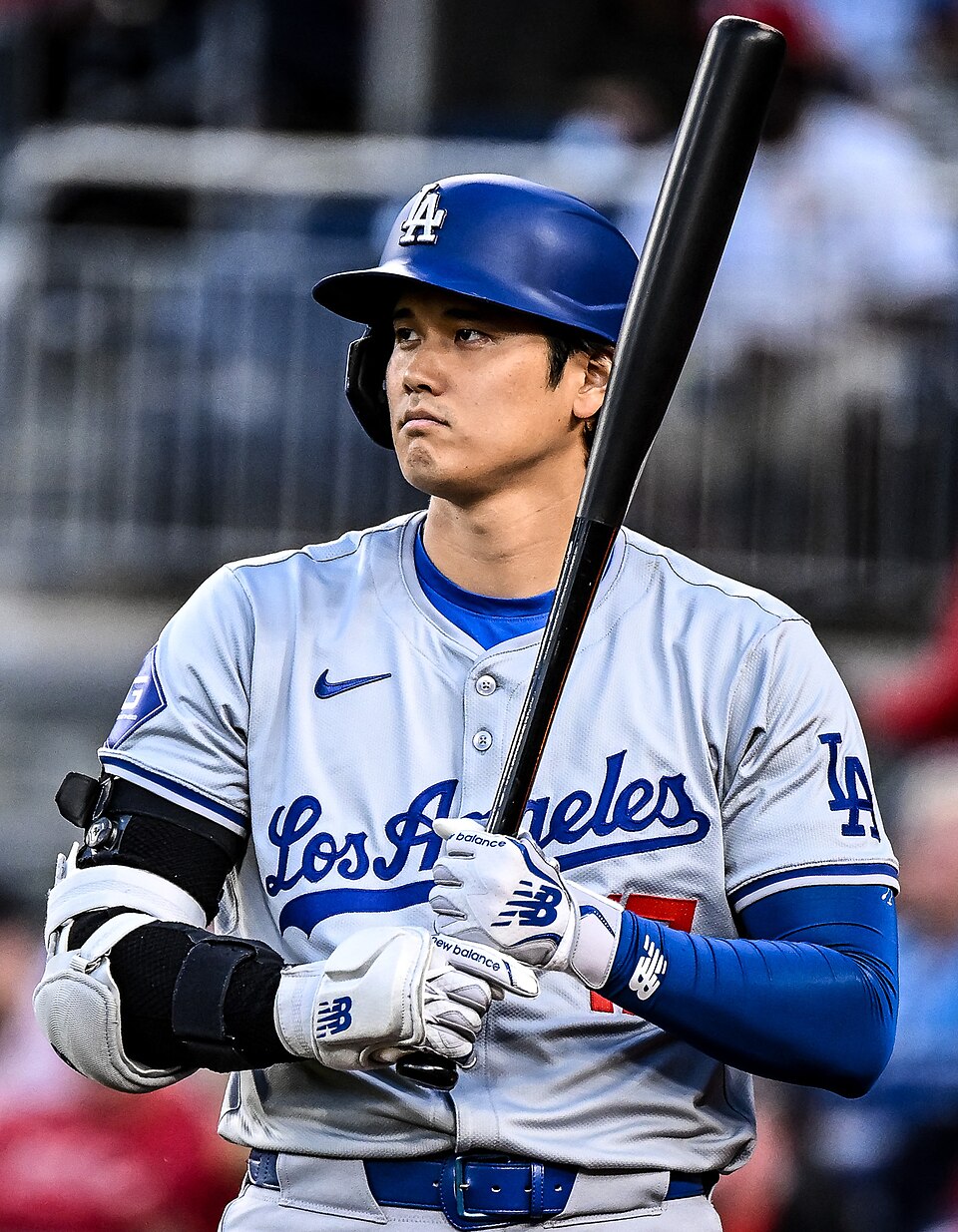
Introduction: On July 26, 2025, Gemini and I reported on The Growing Trend of AI in Sports. In this article, we provide some critical updates and include how they’re being applied in the case of athletes such as Shohei Ohtani and Cooper Flagg as well as coaches like UCF’s Scott Frost and McKenzie Milton. -js
WASHINGTON, D.C., APRIL 24, 2024 — Washington Nationals faced the Los Angeles Dodgers at Nationals Park. (Joe Glorioso/All-Pro Reels for Washington Times Sports)
Introduction: I asked eight chatbots to predict the arrival of singularity – the moment when AI first surpasses human intelligence and improves itself. Their estimate and rationale are listed below, from the earliest to the latest. -js






































 Educational Technology and Change Journal
_(cropped).jpg#Licensing)
