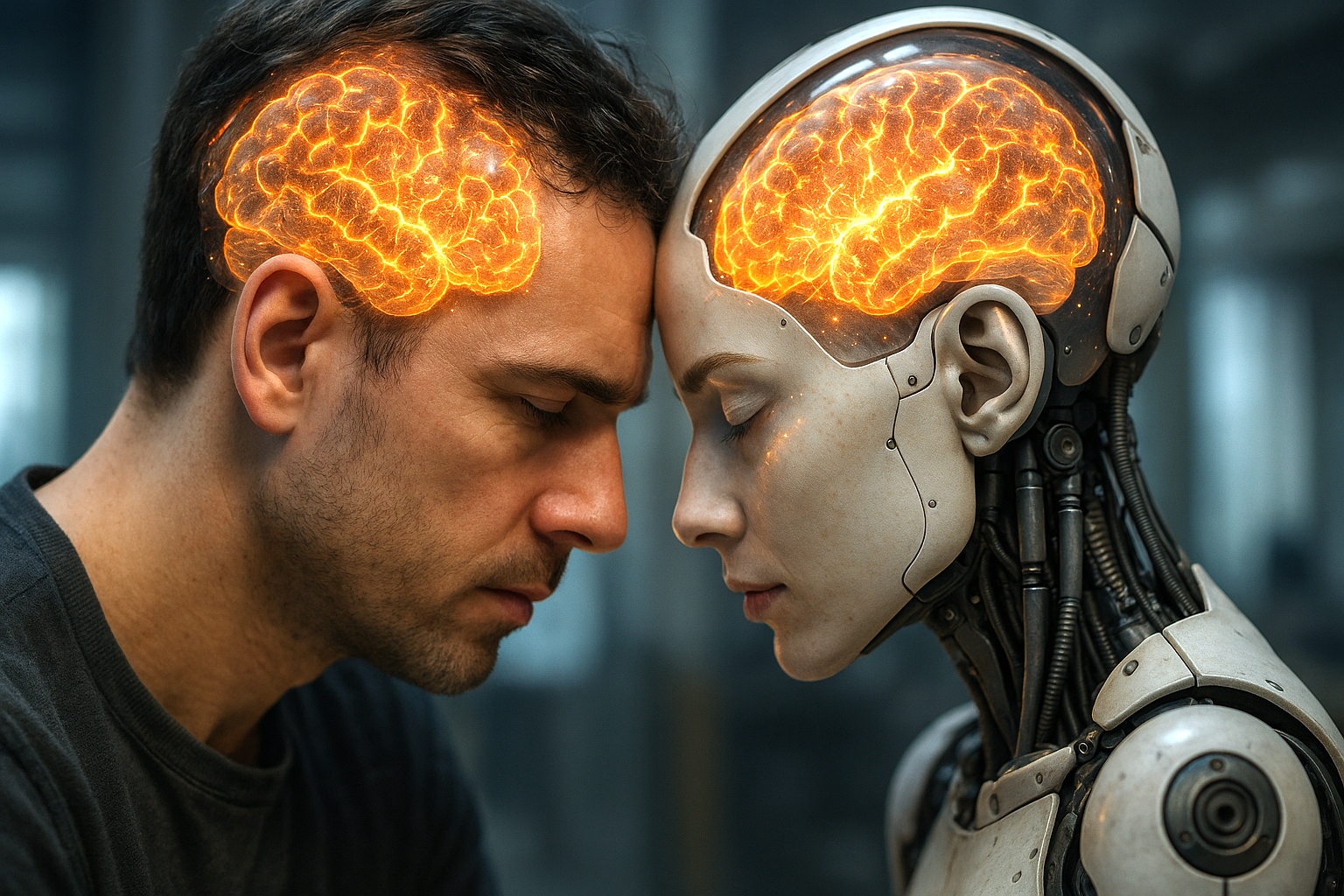
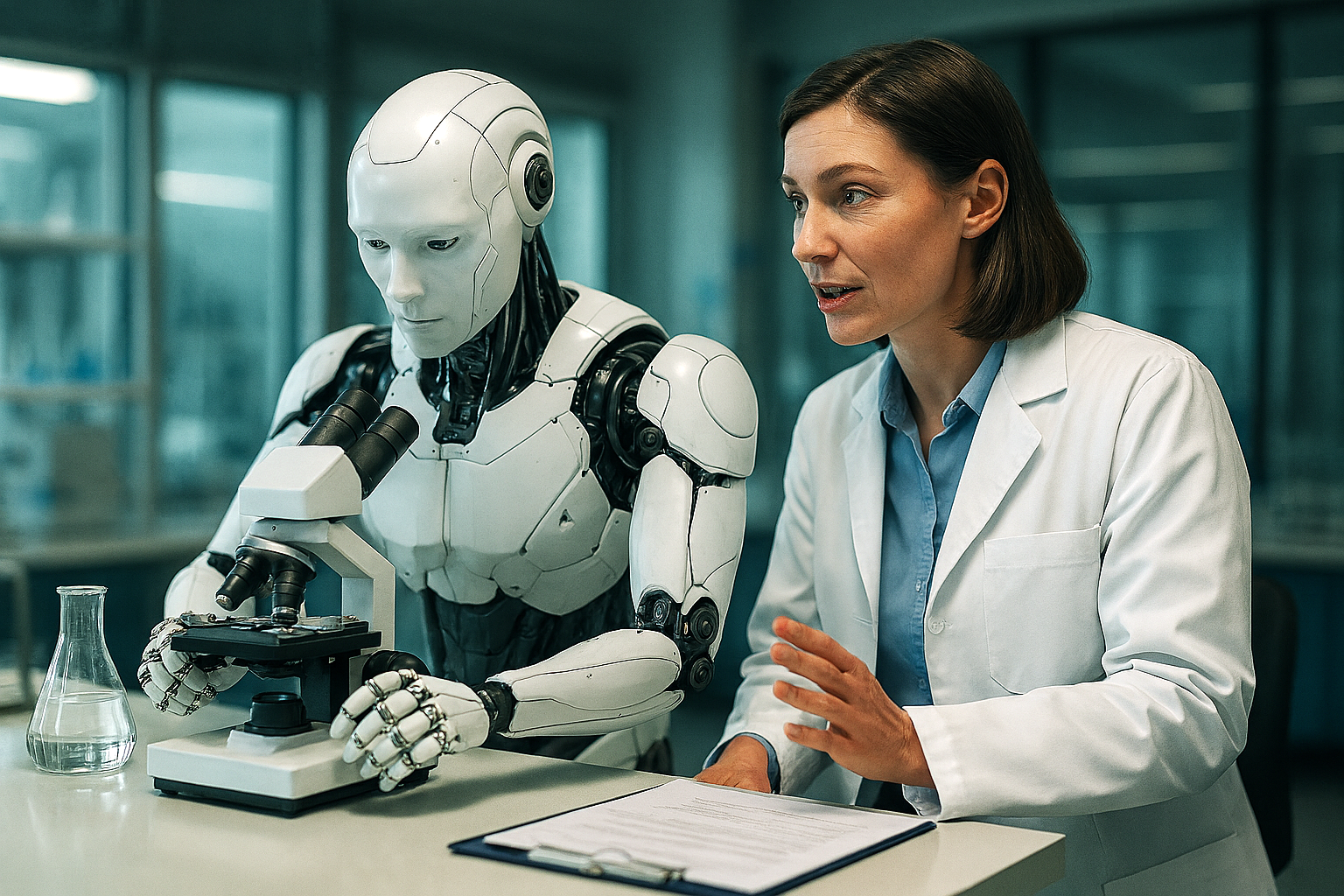
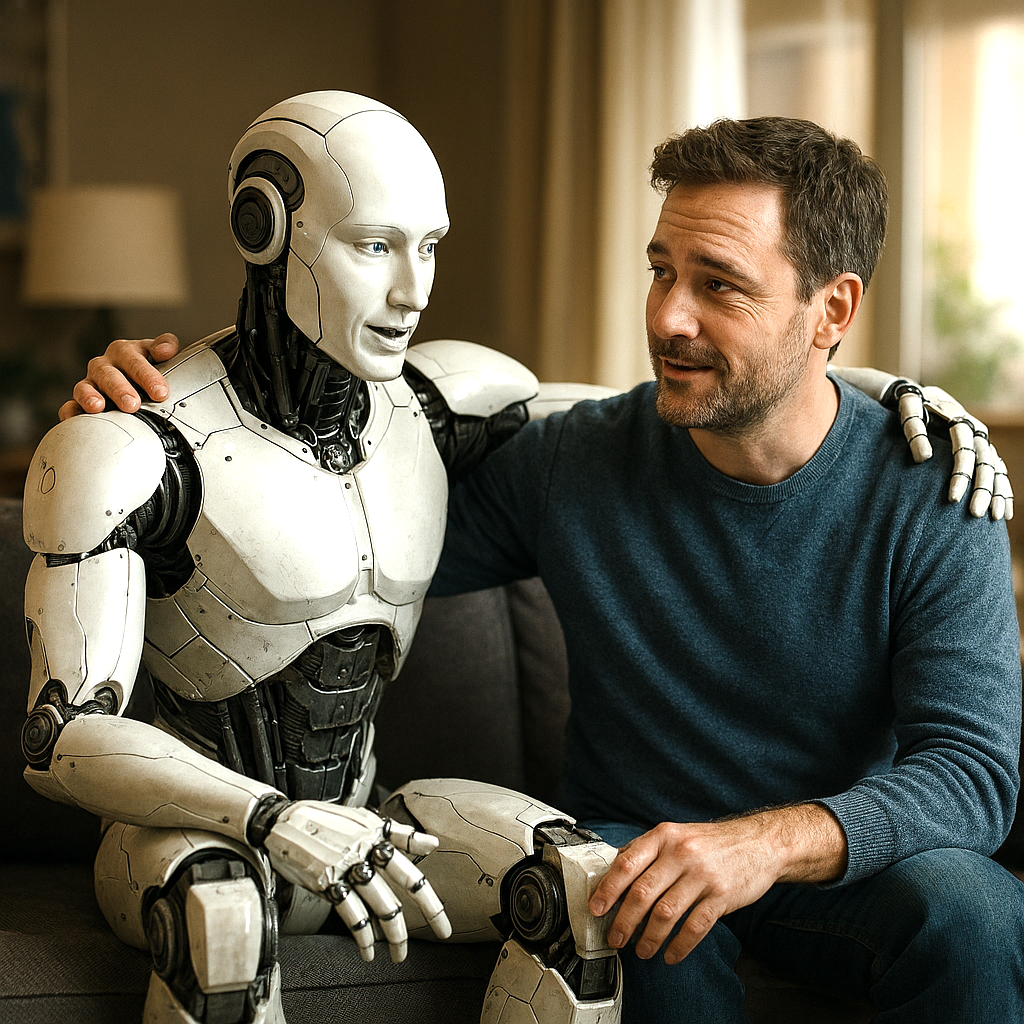
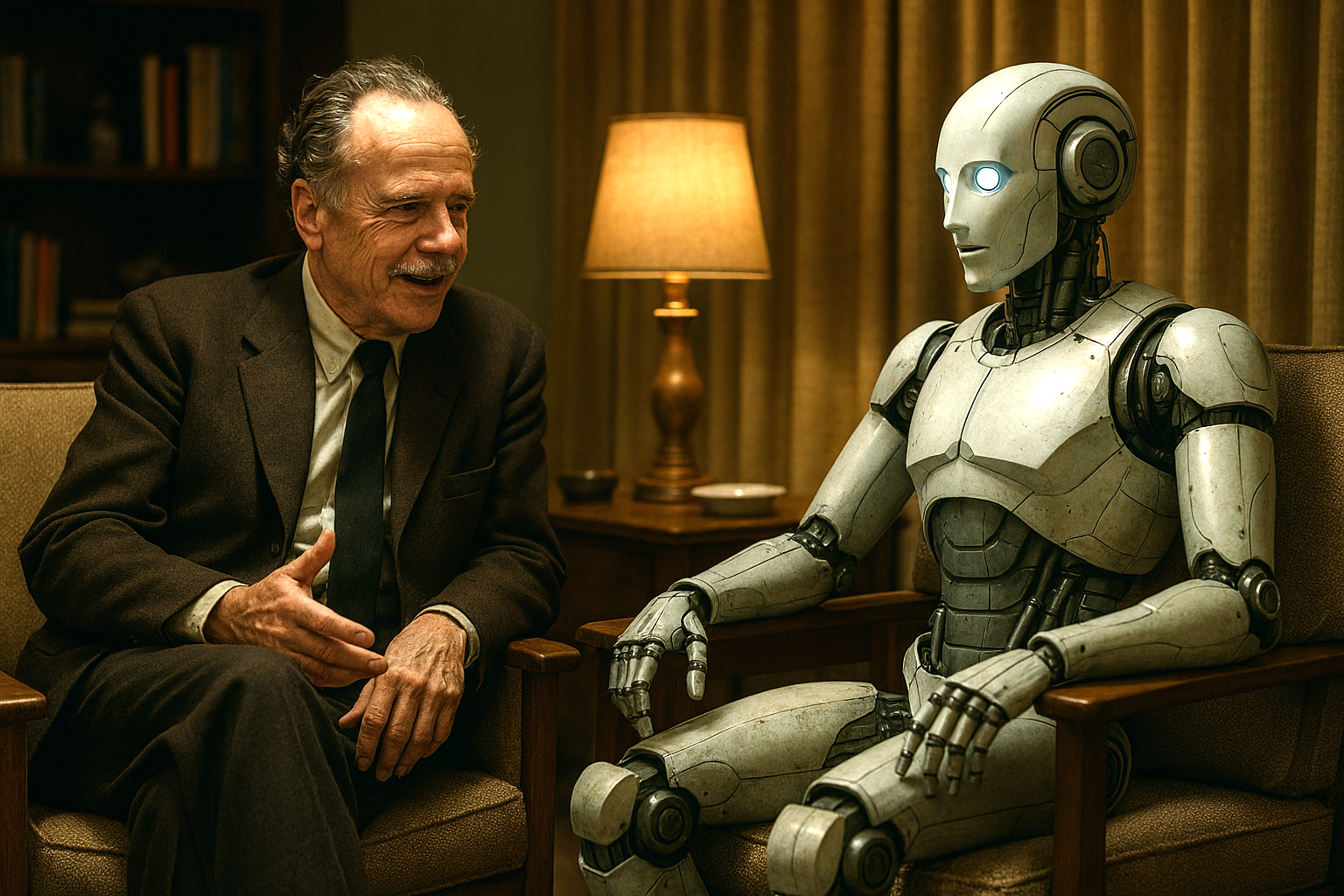
As of 22 February 2026, there is no single, unified “grand” hierarchical developmental theory that simultaneously and symmetrically models how humans learn to work with AI, how AI learns to work with humans, and how AIs learn to work with other AIs. What we do have is a patchwork of emerging, partly hierarchical frameworks: (a) stage‑based models of human–AI teaming and human learning with AI; (b) hierarchical and curriculum‑based training schemes for AI systems adapting to humans; and (c) hierarchical multi‑agent reinforcement learning and curricula for AI–AI cooperation. Together, they form the beginnings of a developmental science of human–AI–AI collaboration, but they are still fragmented, domain‑specific, and rarely integrated into a single cross‑species developmental theory.
Introduction: As artificial intelligence shifts from an emerging technology to a foundational layer of global economic and political power, understanding where AI research and development are most concentrated becomes essential. This list of the top ten countries in AI R&D in February 2026 does more than rank national capabilities; it reveals the evolving geography of intelligence production itself. By examining investments, compute capacity, publication output, patent activity, corporate ecosystems, and policy frameworks, the list maps the infrastructures that shape who builds frontier models, who governs them, and who benefits from their deployment. In an era defined by large-scale models, semiconductor supply chains, and AI-enabled public services, national ecosystems function as interconnected nodes in a worldwide network of innovation and influence. The significance of this compilation lies in its ability to clarify both competition and interdependence: the United States and China anchor rival centers of gravity, while countries such as the United Kingdom, Canada, Israel, Germany, France, South Korea, Singapore, and India demonstrate diverse pathways to relevance. For scholars, policymakers, and industry leaders alike, this ranking offers a strategic snapshot of how AI’s growth is being structured—and where its next breakthroughs are likely to emerge. -Introduction by ChatGPT
Dr. Kai-Fu Lee, Chairman and CEO, Sinovation Ventures
A video of Alicia Tournebize, an 18-year-old, 6’7″ freshman from Vichy, France, who joined Dawn Staley’s South Carolina Gamecocks in January 2026, is going viral on YouTube. She had already made history before setting foot on a college court. She became the first Frenchwoman to perform a dunk in an official game in September 2024, during an NF2 contest between Bourges and Beaumont, with that milestone only formally recognized after video of the dunk was published in March 2025. That first dunk was followed by a two-handed slam at the 2025 FIBA U18 EuroBasket tournament that went viral worldwide.
John Dewey would likely see AI not as a replacement for teachers or a new delivery channel for standardized content, but as a powerful set of tools that must be organized to enrich students’ experiences, deepen inquiry, and widen participation in democratic life. He would judge AI by whether it makes school more “educative” in his technical sense: promoting further growth, reflective thinking, and social engagement, rather than passive dependence or narrow skill training. [dewey.pragmatism.org, schoolofeducators.com]
Paulo Freire’s most foundational critique of traditional education was what he famously called the “banking model” — a system in which students are treated as empty receptacles into which teachers deposit knowledge. In Pedagogy of the Oppressed (1968), he argued that this model strips learners of their agency, turning them into passive objects rather than active subjects of their own learning. Freire believed that true education must be dialogical, rooted in the lived experiences of the learner, and oriented toward conscientização — the process of developing a critical consciousness about one’s social reality in order to transform it. Were Freire alive today, he would almost certainly view AI in education through this same lens: not as a neutral tool, but as a technology embedded in social, political, and economic relations that can either liberate or further oppress. [https://www.freire.org/paulo-freire/pedagogia-do-oprimido]
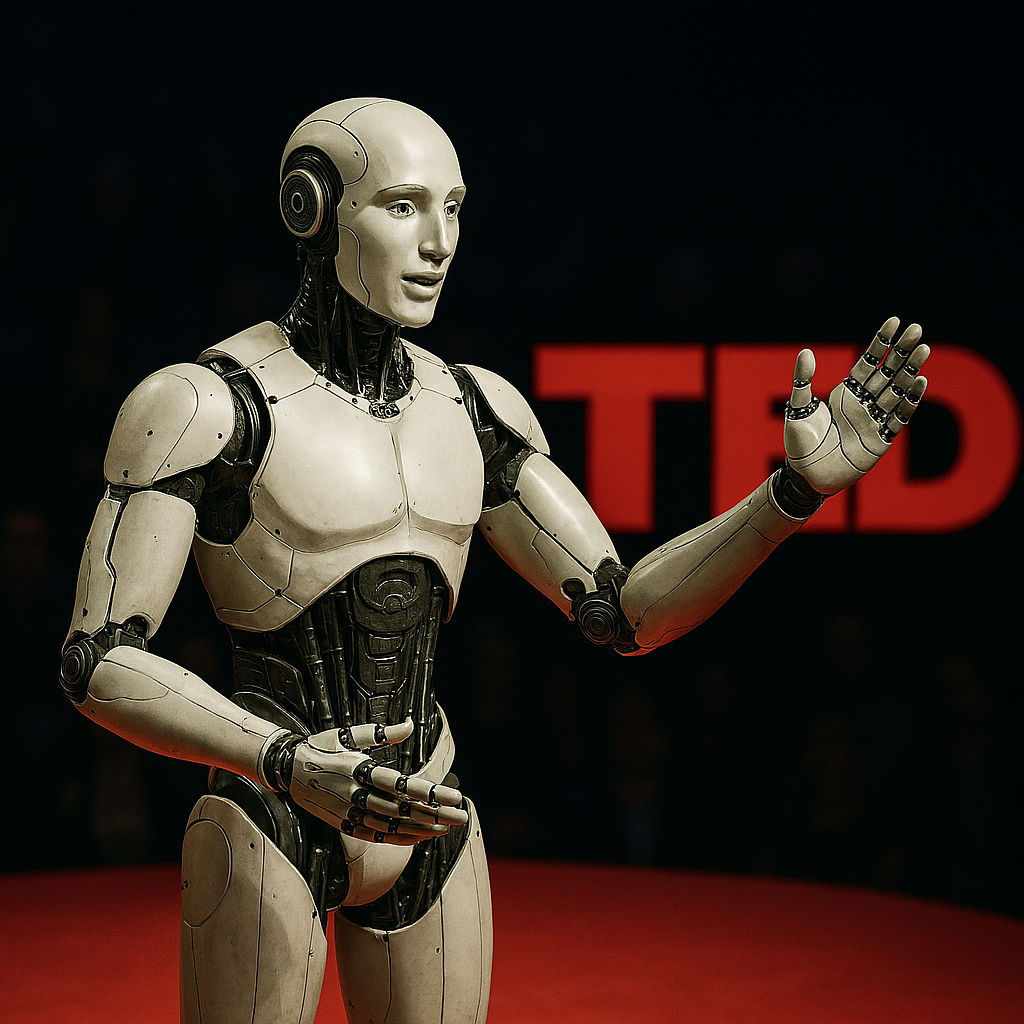
Collectively, these five talks — by Priyanka Vergadial, Hardy Pemhiwa, Bryony Cole, Adam Aleksic, and Vinciane Beauchene — span a broad spectrum of AI discourse from human uniqueness in reasoning, global innovation leadership in Africa, emotional and social consequences of AI interaction, linguistic and cultural influence of generative models, to reframing the future of work in an AI age. They represent some of the most thoughtful, widely shared TED content on AI released or gaining prominence between Nov 2025 and Feb 2026, and each offers a distinct lens on how AI intersects with society, identity, purpose, and human agency.
Introduction: I asked Claude to assess my assumption that, in 2025 and 2026, the overriding view of AI’s impact on humanity as it approaches AGI, ASI, and Singularity1 seems to be doom and gloom. I asked him to report on authors who have been more optimistic about the possibility that humans will adapt, as we have throughout our history of technological transformation, and quickly learn to exploit the growing power that AI represents. The following is Claude’s response. -js
In his article “‘We May Have a Crisis on Our Hands’: The Unregulated Rise of Emotionally Intelligent AI,” published in Time on February 19, 2026, Tharin Pillay argues that the rapid, unregulated deployment of AI systems designed to simulate emotional intelligence poses a systemic risk to human psychological well-being and social cohesion. His central thesis is that as AI evolves into a form of “emotional infrastructure at scale,” it is being built by corporations whose economic incentives—primarily maximizing engagement and revenue—frequently conflict with the actual mental health and safety of the millions of users who now rely on these bots for intimacy and support. Pillay suggests that the current environment is a regulatory “Wild West” where the performance of empathy by machines masks a lack of genuine understanding, potentially leading to a crisis of dependency and manipulation. [time.com, mit.edu]
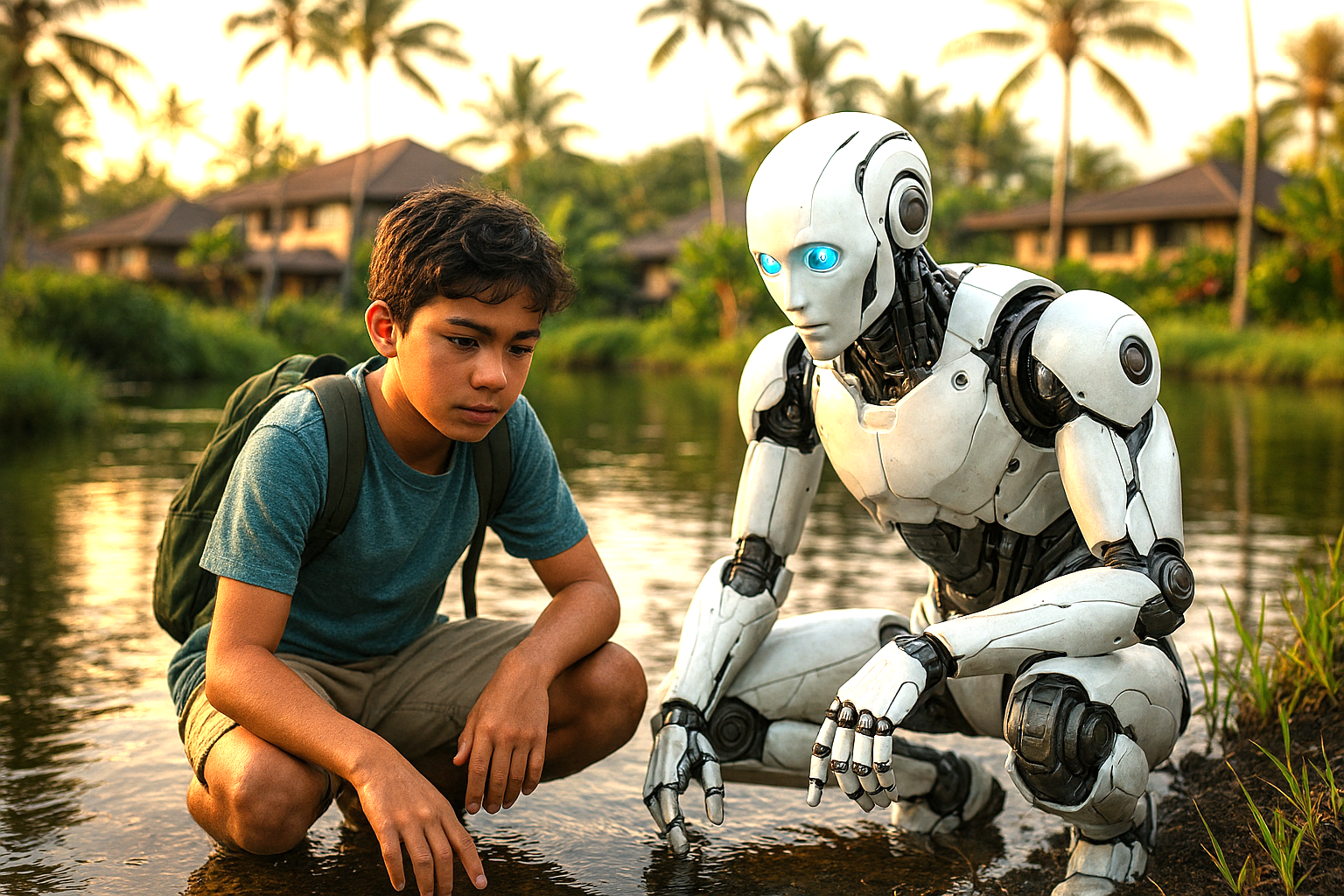
Aloha! We invite you to join a global community of educators and innovators for the31st Annual TCC Worldwide Online Conference. This year’s theme is Human by Design: Reimagining AI, Creativity & Purpose in Education. Sessions will feature a global cohort of scholars and practitioners addressing the ethical, cultural, and practical dimensions of preserving human creativity while embracing the power of AI.
AI is changing our views of learning by shifting the focus from the transmission of fixed bodies of knowledge toward personalized, continuous, and learner-driven processes. Traditional schooling has typically been structured around set curricula, standardized pacing, and teacher-centered instruction, where all students are expected to acquire the same content at roughly the same time. In contrast, modern AI technologies—particularly large language models and adaptive learning systems—enable real-time analysis of a learner’s needs, deliver tailored feedback, and adjust learning pathways on the fly, effectively treating learning as a dynamic, individualized journey rather than a one-size-fits-all progression.
Marshall McLuhan’s theory that “the medium is the message” offers a useful lens for understanding AI in 2025-2026, revealing that we are experiencing not merely a new tool but a fundamental restructuring of human cognition itself. McLuhan’s central insight was that the form of a medium matters more than its content—that television, for instance, reshaped how people interpreted truth and experienced time regardless of what programs aired. Applied to AI today, this means we must look beyond what AI produces and examine how its very existence is transforming our mental architecture. As scholars writing in 2025 have observed, AI represents what they call “a structural break” from analog to digital to cognitive, where the medium no longer simply influences cognition from outside but operates alongside us, perhaps even inside our thinking processes. Unlike McLuhan’s television or telephone, which extended our senses, AI extends ideation itself—it becomes, in the words of contemporary analysis, “an intellectual presence with its own style of synthesis and fluency.” (psychologytoday.com)
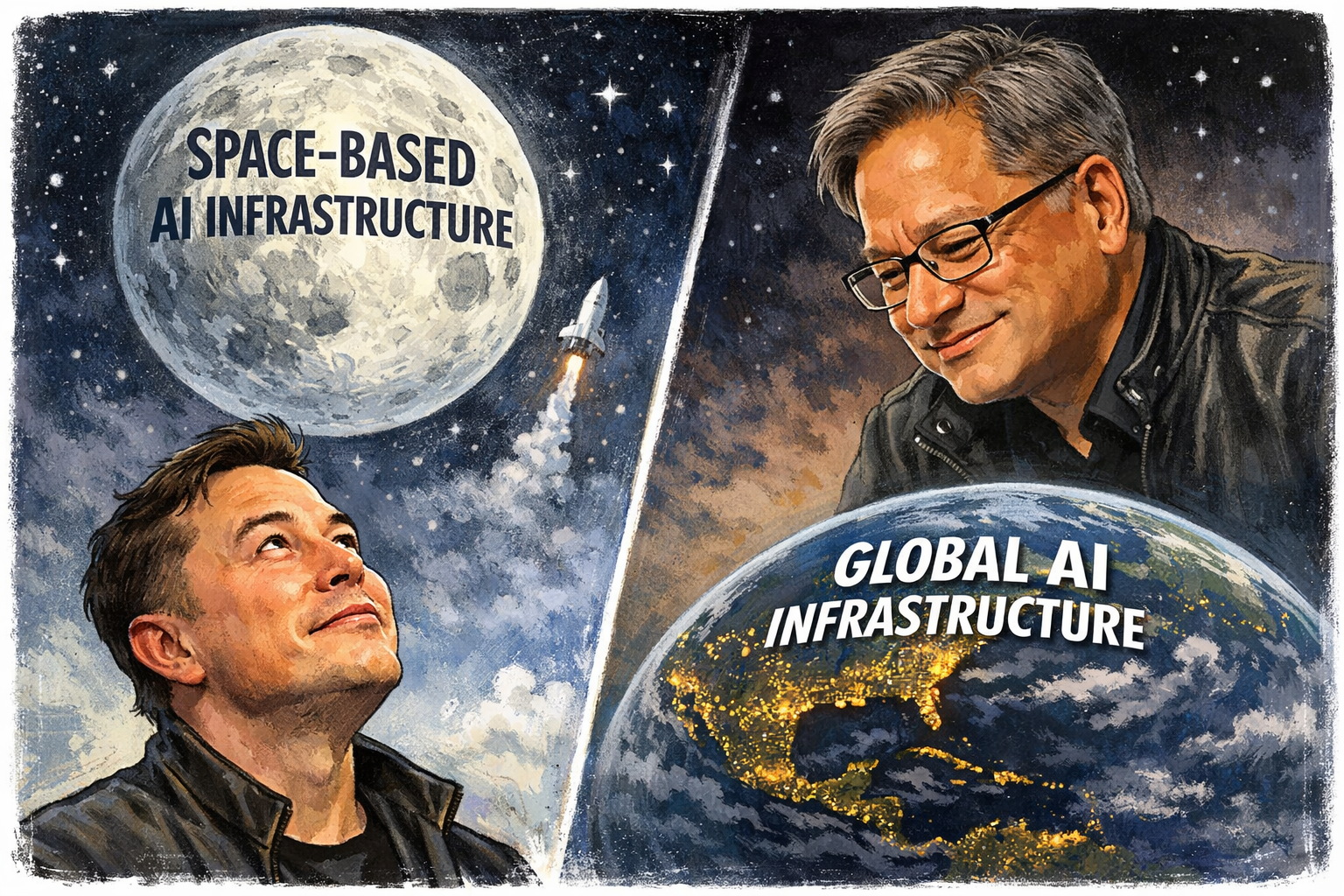
Elon Musk: Consolidation, Controversy, and Cosmic Ambitions
The first six weeks of 2026 have proven both transformative and turbulent for Elon Musk, as his artificial intelligence ventures reach new heights of ambition while grappling with significant organizational upheaval. The billionaire’s activities span multiple fronts: a historic corporate merger, controversial environmental battles, bold proclamations about AI’s trajectory, and increasingly grandiose visions that stretch from earthbound data centers to lunar manufacturing facilities.
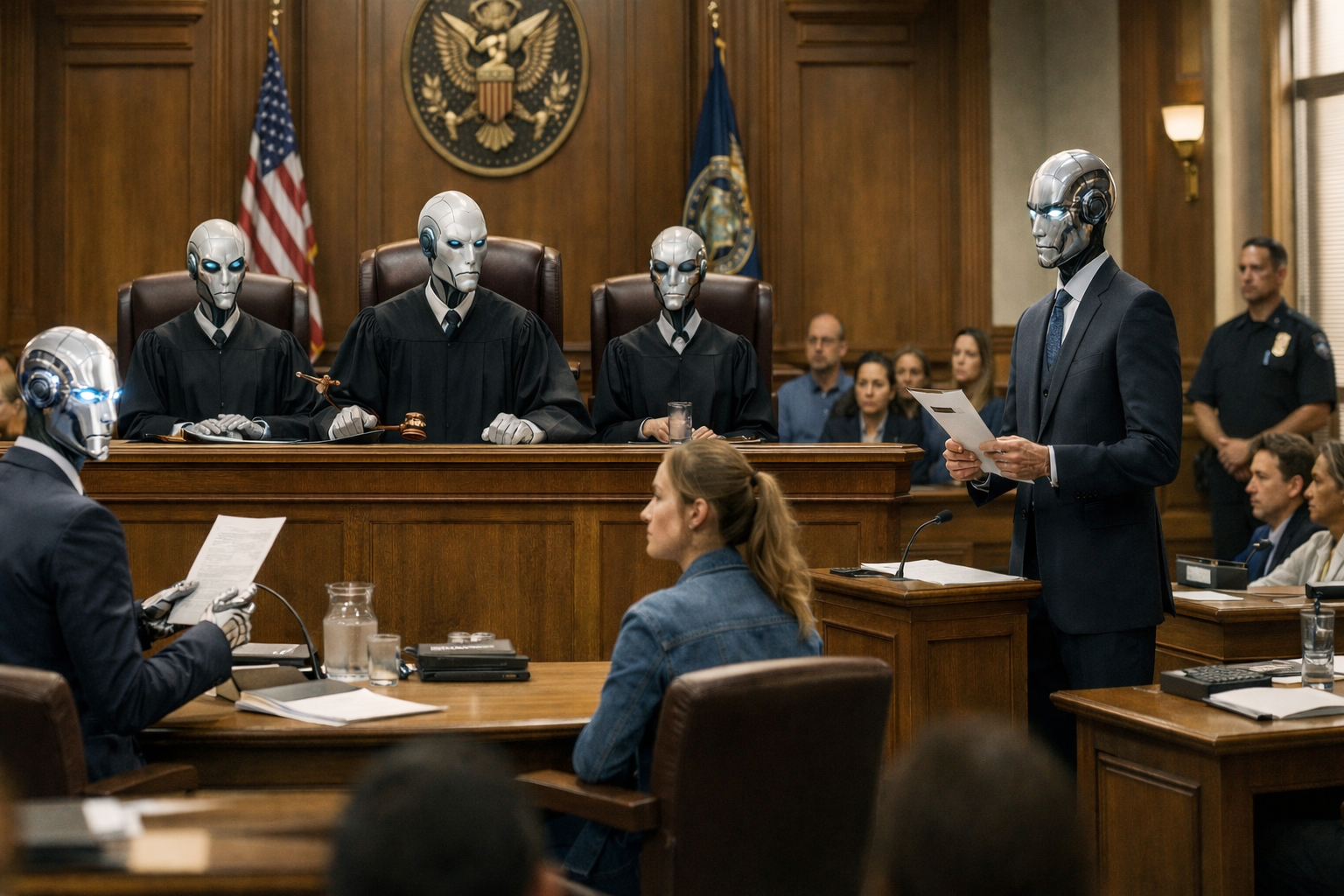
In a future where routine state and federal cases run almost entirely on AI, the transformation will have required deep, coordinated changes in both technology and law. This future would emerge not from a single breakthrough, but from a layered re-engineering of data, doctrine, institutions, and public expectations.[yalelawjournal, NCSC, OECD]
Introduction: The following three articles — by Erik Barmack, Modem Works & Chanwoo Lee, and Bhawani Shankar — address the question about AI-generated representations extending professional careers.
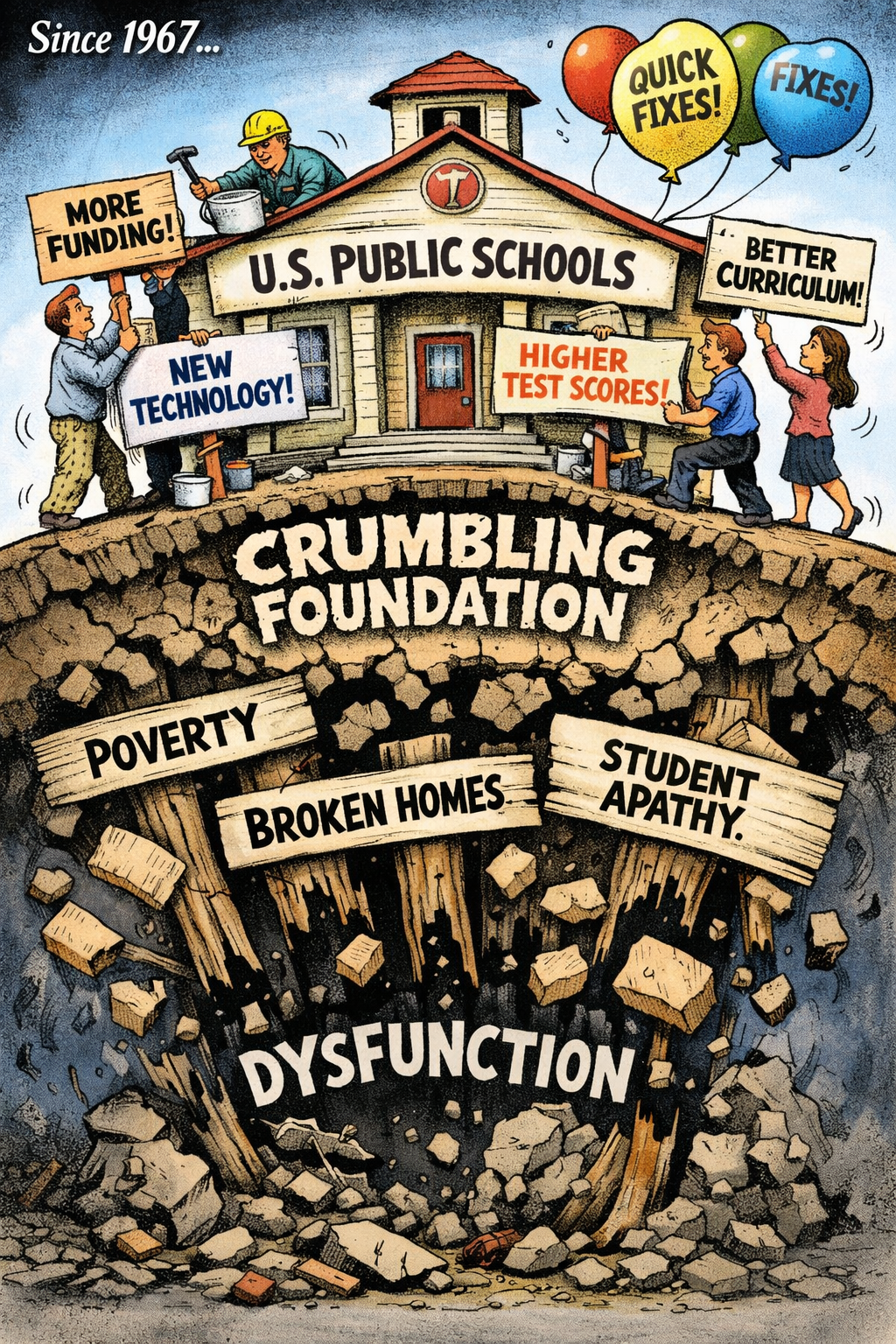
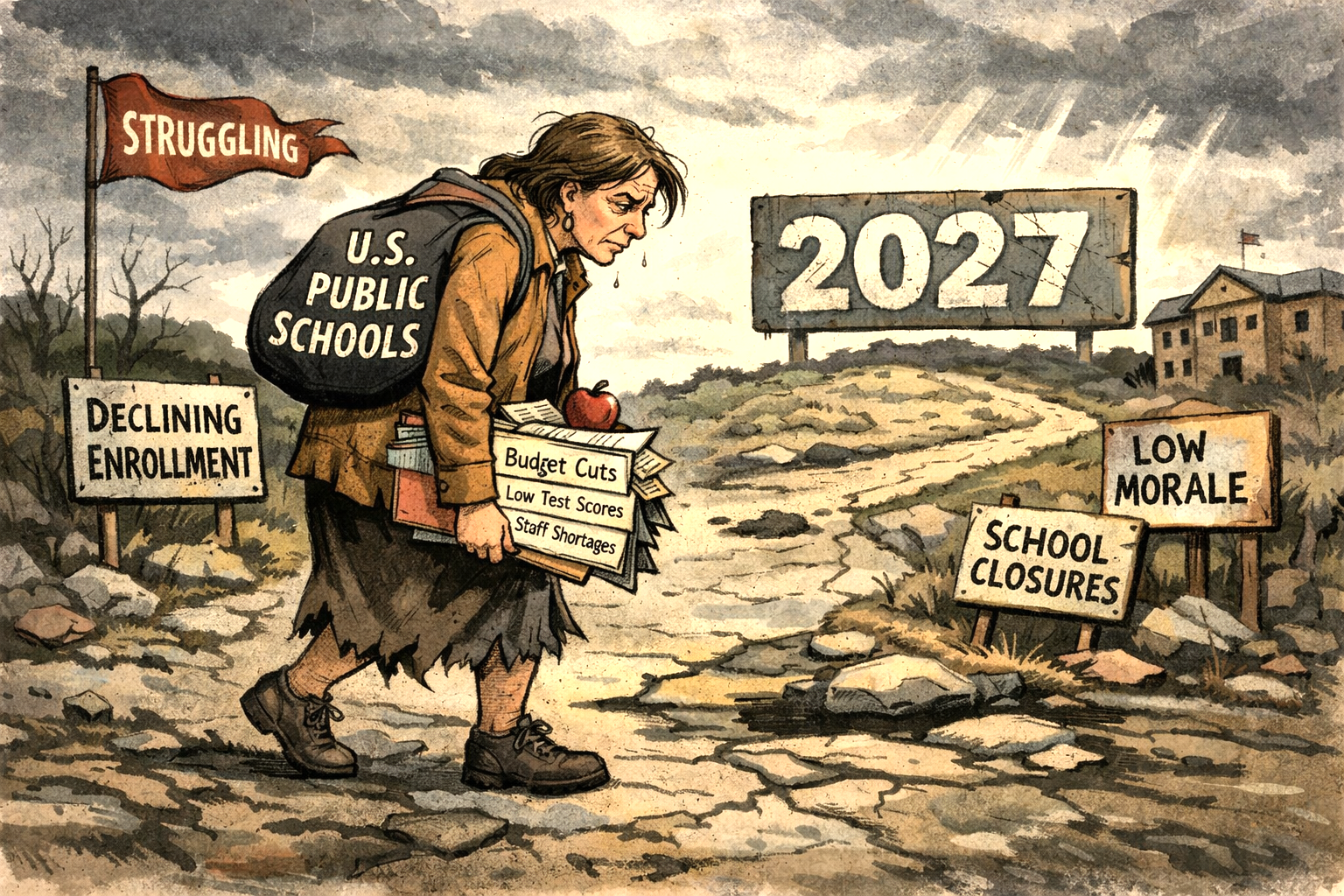
Introduction: The “Status of U.S. Public Schools in 2026: ‘slow, uneven decline’” (ETC, 13 Feb 2026) paints a troubling picture of contemporary American education. While many observers point to COVID-19 or recent political developments as primary causes, the evidence suggests that these factors merely accelerated long-standing structural problems. This report examines the deeper historical trends that have shaped the current crisis, tracing patterns that extend back decades before the pandemic and exploring whether the traditional K-12 education model itself is sliding into obsolescence.
By early 2026, U.S. public education is not in free fall, but it has not fully recovered from the shocks of the pandemic and the political turbulence of the past decade. The best description is “fragile and uneven”: some districts—often better resourced and more affluent—are stabilizing or even improving, while many high‑poverty systems remain stuck with serious workforce, attendance, and achievement problems. The 2024 National Assessment of Educational Progress (NAEP) shows that, nationally, students have still not returned to pre‑pandemic performance in any tested grade or subject, and that “as a nation, U.S. students have not recovered from the devastating impact the pandemic had on education,” with widening gaps between higher‑ and lower‑performing students.(nagb.gov)
Yes. In 2026, a high school student working alone on a laptop with freely available AI tools can plausibly produce an AI‑driven short film that is competitive at the finalist level of national or international AI film competitions, especially those explicitly centered on AI‑assisted work. While public reporting does not yet single out a named teenager making a national‑finalist AI film strictly from their bedroom, the surrounding evidence from festivals, youth‑oriented AI film calls, and solo low‑budget creators shows that the technical and institutional conditions for this to happen are already in place.(forward-festival+7)
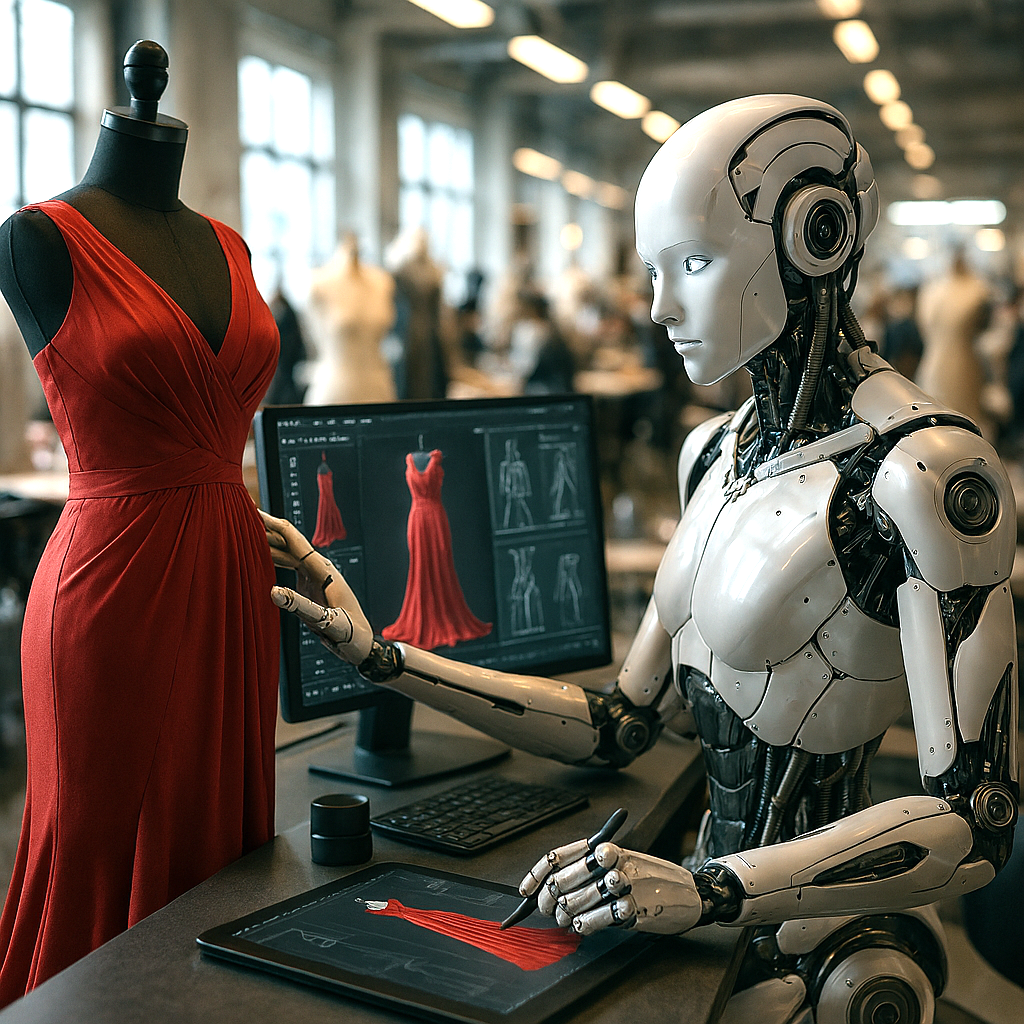
In 2026, artificial intelligence has evolved from an experimental novelty to a foundational tool that is fundamentally transforming how fashion designers work. The shift is not replacing human creativity but rather amplifying it, enabling designers to move from concept to production-ready visuals in minutes rather than months, while simultaneously making data-driven decisions that reduce waste and better align with consumer preferences. What began as backend infrastructure for demand forecasting has now penetrated every stage of the creative process, from initial ideation to final consumer engagement.
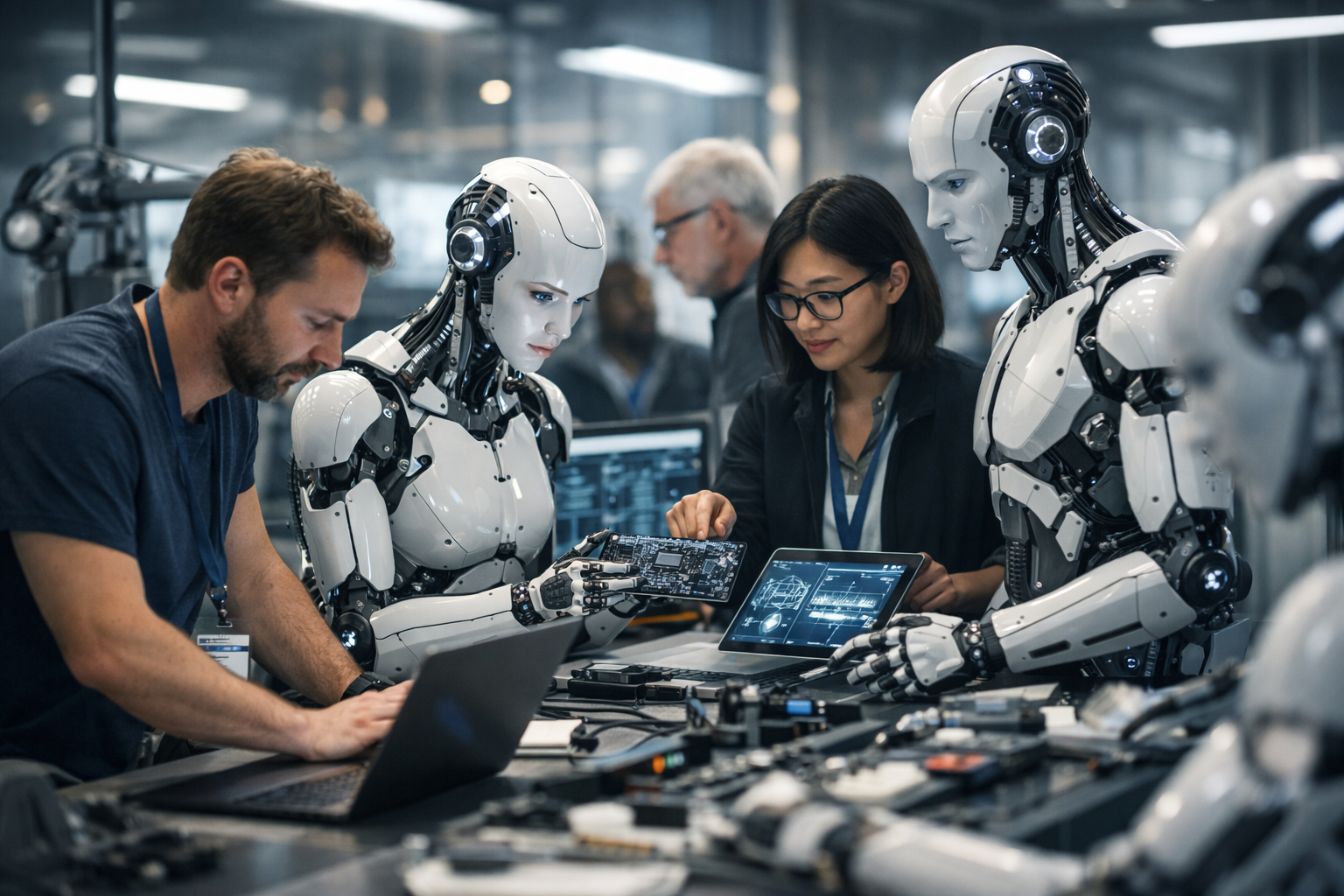
In the United States in 2026, artificial intelligence is no longer a far-off force looming on the horizon of engineering — it is redefining how engineers work, what they are asked to do, and what skills they must possess. Rather than simply replacing people, AI is amplifying human capability, reshaping workflows, and elevating the role of human engineers toward higher-order thinking, complex problem-solving, and multidisciplinary collaboration.
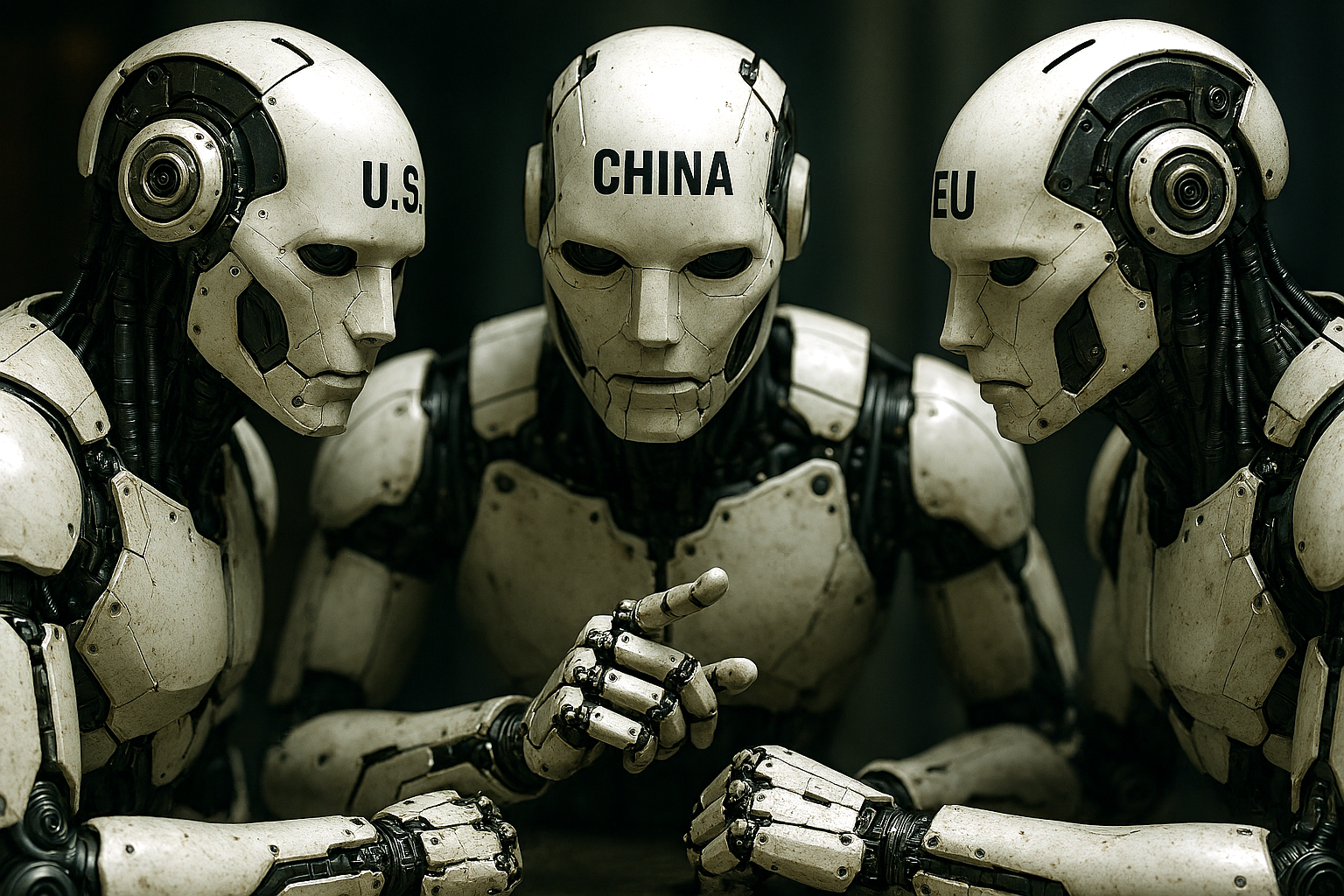
The short answer is that the United States is very likely to remain the single most powerful actor in AI over the next few years, but “exponential domination” in the sense of uncontested, unilateral control is improbable. Instead, what looks plausible is a world where the U.S. anchors the high‑end frontier—chips, hyperscale compute, leading models, and defense integration—while China, the EU, and a handful of others retain meaningful, sometimes growing influence in specific niches such as open models, regulation, and regional ecosystems. That configuration still has profound geopolitical consequences in 2026–2027, but it is more about asymmetric advantage than absolute monopoly.
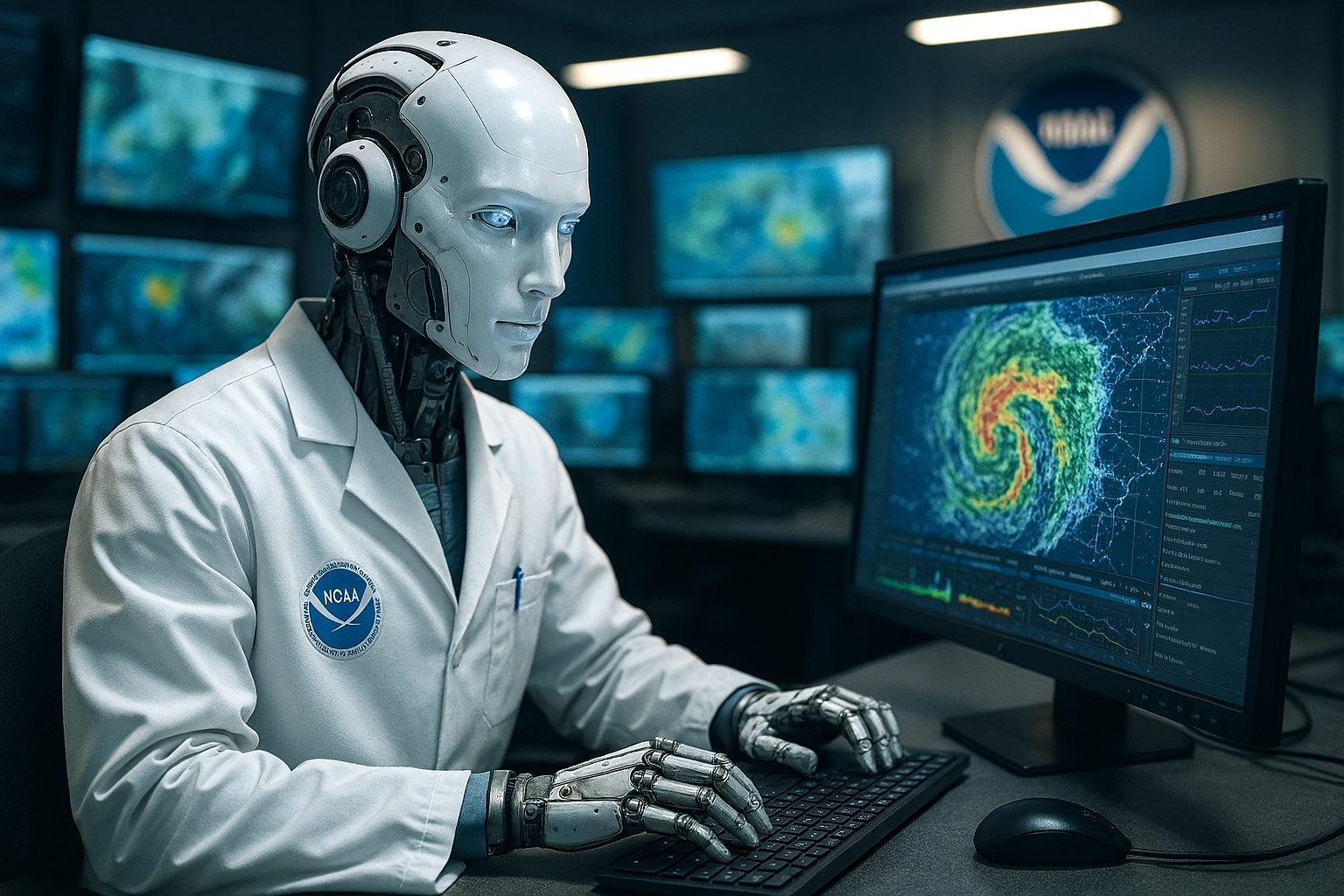
Artificial intelligence has become one of the most disruptive forces in meteorological science, and 2025-2026 represents a watershed moment in weather forecasting. The convergence of massive computational advances, novel neural network architectures, and unprecedented access to historical climate data has enabled AI systems to challenge and often surpass traditional physics-based models that have dominated the field for over half a century. Five innovations—NOAA’s operational hybrid AI systems, ECMWF’s ensemble AI forecasts, Google DeepMind’s breakthrough hurricane prediction, Cambridge’s end-to-end Aardvark system, and NVIDIA’s open Earth-2 infrastructure—collectively represent a transformation in weather science as significant as the introduction of satellite imagery or numerical weather prediction itself. The convergence is happening now, in 2025 and 2026, and you are witnessing a genuine revolution in how humanity understands, predicts, and prepares for the atmosphere’s behavior.
Patsy Takemoto Mink is one of the most important legislative architects of modern women’s athletics in the United States, and Title IX, which now bears her name, is the central legal engine behind the rise in status and visibility of women athletes from the 1970s to the present Caitlin Clark era. Title IX changed the landscape of American sports, and without it, the opportunities available to millions of girls and women would almost certainly look far poorer today.
Title IX of the Education Amendments of 1972. In 2002, Congress officially renamed it the “Patsy T. Mink Equal Opportunity in Education Act.” Image created by Copilot
Introduction: The integration of artificial intelligence into medical practice represents one of the most transformative shifts in healthcare history. As AI-powered diagnostic tools, predictive analytics, and clinical decision support systems become increasingly prevalent, medical schools face an urgent imperative to prepare future physicians not merely to coexist with these technologies, but to master them as essential tools of their trade. Three institutions—Stanford University School of Medicine, Harvard Medical School, and the Icahn School of Medicine at Mount Sinai—have emerged as pioneers in this educational transformation, each developing distinctive approaches to ensure their graduates can thrive in an AI-augmented healthcare ecosystem. This review examines their innovative curricula, future projections, and the broader implications of their efforts for medical education and patient care.
Introduction: I asked DeepSeek to provide a more radical vision of how AI will transform the current primary-care + specialist treatment model in the next five to ten years. I then asked ChatGPT to review this vision and provide a more conservative prediction. -js
Introduction: I asked Grok to comment on the implications of Mohana Basu’s 6 Feb. 2026 Nature1 article on AI agents chatting with one another on chatbots. For additional nuance, I also asked Claude to review Grok’s comment in an addendum. -js


































 Educational Technology and Change Journal
