Zipei Ouyang’s article, “Self-regulated learning and engagement as serial mediators between AI-driven adaptive learning platform characteristics and educational quality: a psychological mechanism analysis,” was published in Frontiers in Psychology on 19 October 2025. The study offers a compelling psychological framework for understanding how AI-driven adaptive learning platforms enhance educational quality, revealing that self-regulated learning and engagement act as critical mediators. This research is both methodologically sound and socially relevant, making it valuable to educators, technologists, and general readers interested in the future of learning.
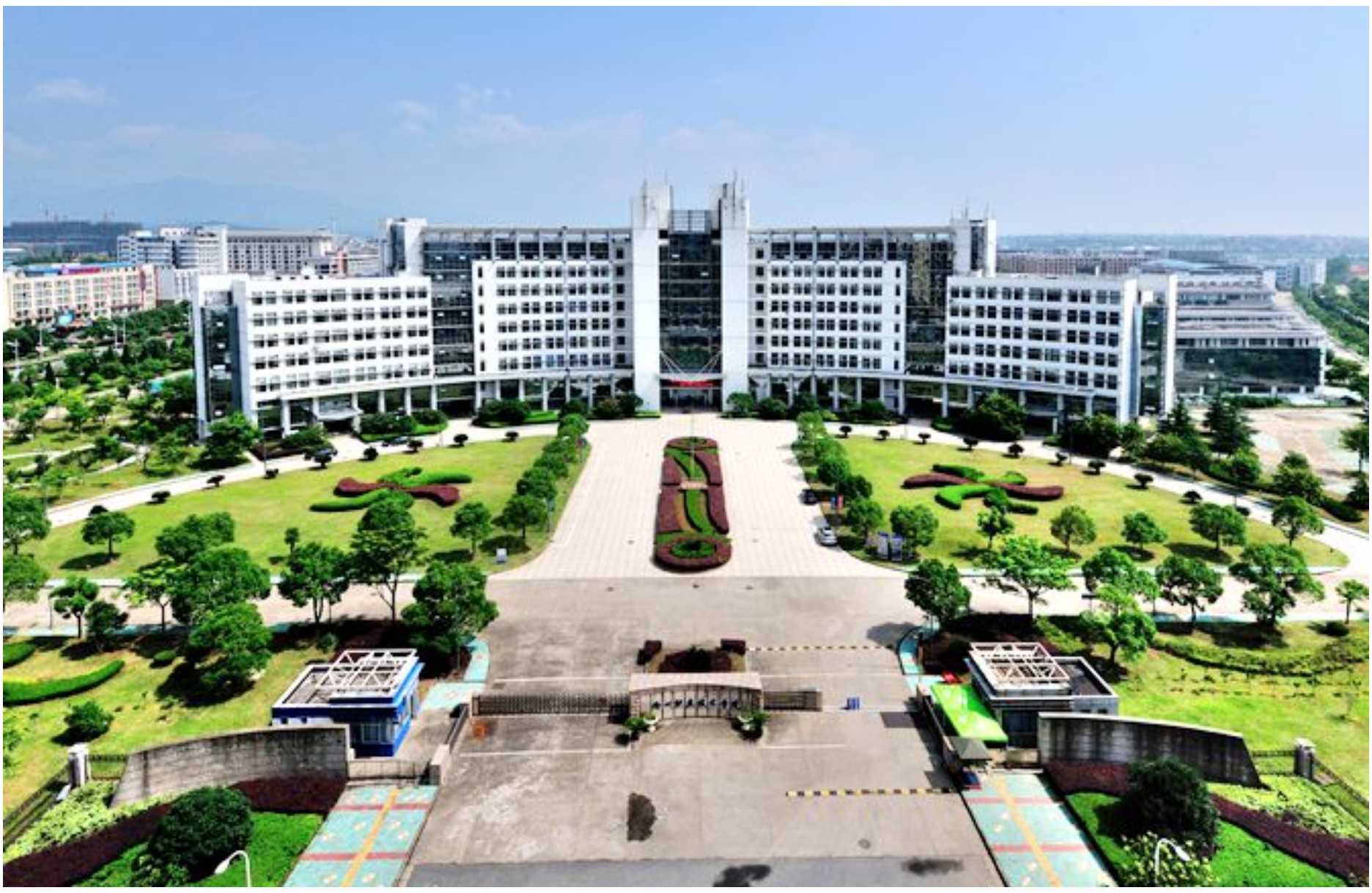
Zipei Ouyang is associated with Quzhou College of Technology (QCT)
By Lynn Zimmerman Associate Editor Editor, Teacher Education
It’s hard to believe that ChatGPT only came on the scene in November 2022. Its emergence opened the floodgates for AI to become part of everyday life so quickly. When AI came on the scene, many educators were quick to understand its benefits for them as teachers and have been eager to use it.
Introduction: I asked ChatGPT to adopt the persona of an AGI (Artificial General Intelligence) in the year 2050 to explain, from its own perspective, how it reached human-level mastery of all forms of critical and creative thinking within a single generation, powered by collective “swarm cognition.” The journey to this article began with an earlier conversation that provided the groundwork. -js
In mid-2025, researchers at MIT’s Computer Science and Artificial Intelligence Laboratory (CSAIL) unveiled a groundbreaking technique called SEAL—short for Self-Adapting Language Models. This framework represents a major leap in the evolution of artificial intelligence, enabling large language models (LLMs) to autonomously improve themselves by generating and applying their own fine-tuning data.
Perplexity: Mirror Life refers to a hypothetical or emerging form of synthetic biology in which all biological molecules—DNA, RNA, proteins, sugars—are flipped in chirality (molecular “handedness”) compared to natural life on Earth. In other words, mirror life would be built from right-handed amino acids and left-handed sugars, the opposite of what Earth organisms use.pasteur+2
Introduction: This is a list of U.S.-based higher-education (and higher-ed–focused) conferences that were announced in 2025 and are scheduled for 2026, with a clear AI theme or significant AI programming. Included are the conference dates (in 2026), city/state, sponsor/host, whether it’s in-person/hybrid/online, proposal/deadline info (where available), a short description of the AI emphasis, and a link to the conference page for more details.
Gemini: As of mid-October 2025, the field of AI in China is highly competitive. Baidu is a major leader, particularly in core AI technology and autonomous driving: (1) Large Language Models (LLMs) and Generative AI: Baidu’s ERNIE Bot is one of the most prominent LLMs and holds a strong position. One report from 2024 indicated that Baidu AI Cloud held China’s largest LLM market share with 19.9%. (2) Autonomous Driving: Baidu’s Apollo Go robotaxi fleet is a key player, often cited as one of the world’s largest autonomous driving experiments. The Chinese government also designated Baidu as a national champion for Autonomous Vehicles.
The three biggest AI stories in the world in October 2025 are: (1) OpenAI’s DevDay unveiling of the Apps SDK and its $500 billion valuation milestone, marking a new phase in global AI platformization; (2) AMD’s historic $100 billion AI chip deal with OpenAI, signaling a seismic shift in semiconductor power dynamics; and (3) DeepMind’s AlphaEvolve breakthrough in automated theorem discovery, redefining how AI contributes to theoretical science.
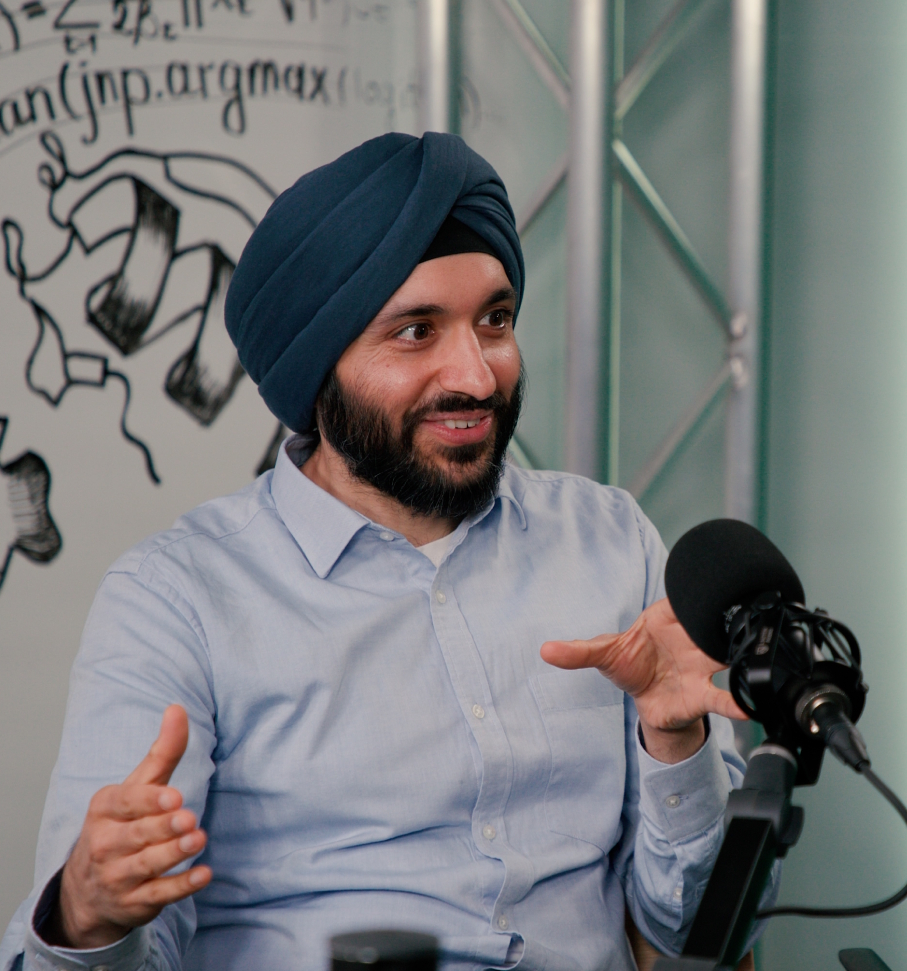
Pushmeet Kohli, as head of AI for Science at DeepMind, led the team that created AlphaEvolve. Screen capture from a DeepMind YouTube video (uploaded 9 Oct 2024).
Introduction: This morning, I prompted: “Good morning, Claude. In the US, in 2050, when the oldest Gen-Beta will be 25 years old, how will their views differ from earlier generations on topics such as: dating, marriage, having children, schooling, college, career/work, MAGA, immigrants, mass shootings, guns, DEI, US military power, politics, our economy, and other topics that you deem important?”
Claudeʻs response: “Good morning! I’ll explore how Generation Beta—those born from 2025 onward—might view these crucial topics by 2050, when the oldest among them reach 25. This analysis necessarily involves speculation, but I’ll ground it in current trends while acknowledging the uncertainty inherent in predicting a quarter-century into the future.” -js
Introduction: This clarification of the generations, in reverse order, from Generation Beta (the youngest) to the Silent Generation, is written by ChatGPT. The generations: Generation Beta (born ~2025–2039), Generation Alpha (born ~2010–2024), Generation Z (born ~1997–2009), Millennials (born ~1981–1996), Generation X (born ~1965–1980), Baby Boomers (born ~1946–1964), Silent Generation (born ~1928–1945), and The Greatest Generation (born ~1901–1927). -js
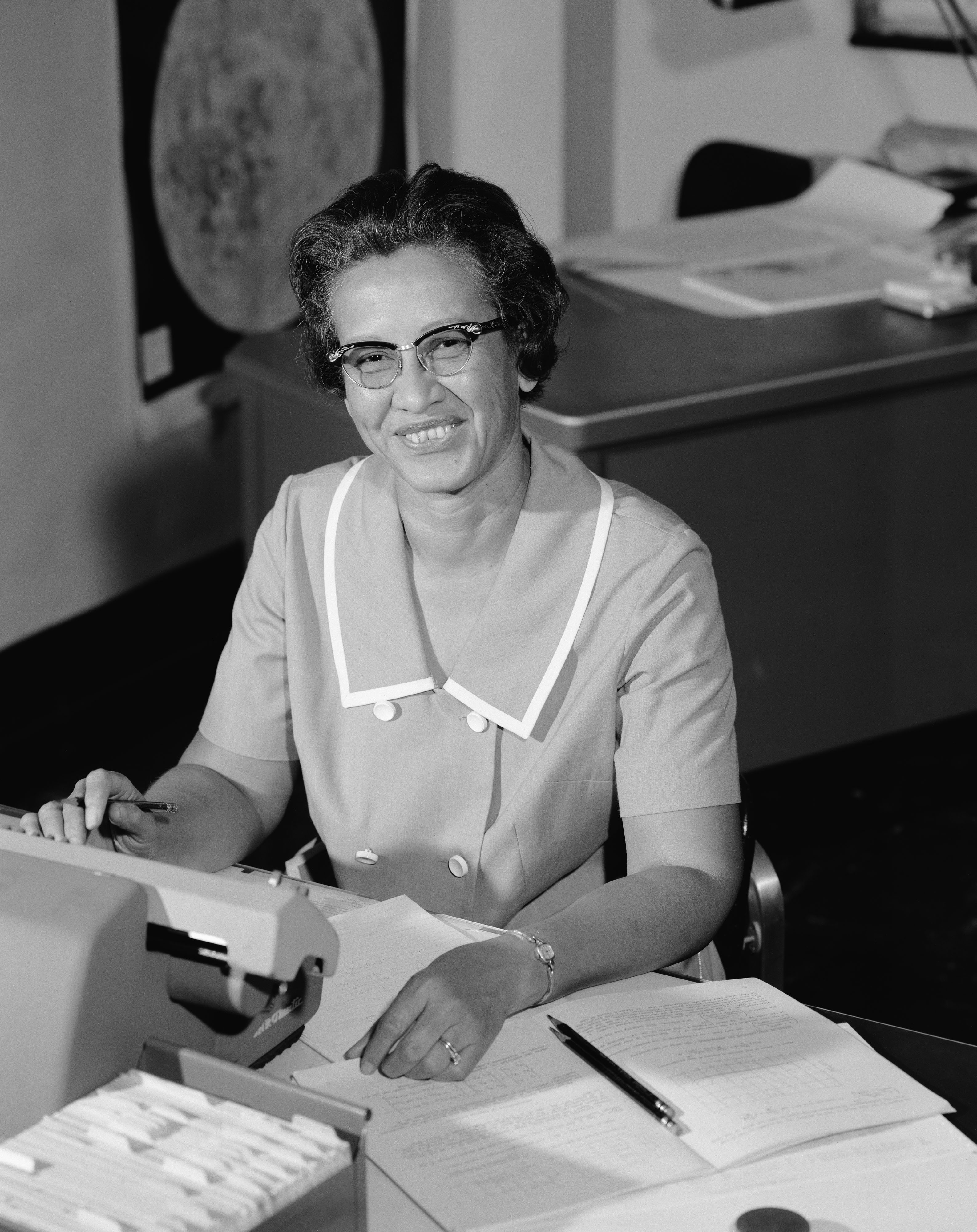
Katherine Johnson, NASA employée, brilliant mathematician and physicist, in 1966.
Introduction: The following explanation is provided by Copilot.
Extended reality (XR) is the umbrella term for immersive technologies like augmented reality (AR), virtual reality (VR), and mixed reality (MR), each offering different levels of interaction between digital and physical worlds. Here’s a breakdown of each concept and how they differ:
Claude: The integration of artificial intelligence into education represents far more than a technological upgrade to existing systems. It constitutes a fundamental challenge to the paradigms that have structured formal learning for over a century. The current educational model, rooted in industrial-era assumptions about knowledge transmission, standardization, and credentialing, is encountering anomalies that its framework cannot adequately address. These disruptions signal not merely the need for incremental reform but rather a paradigmatic shift in how we conceive of learning, teaching, and intellectual development itself.
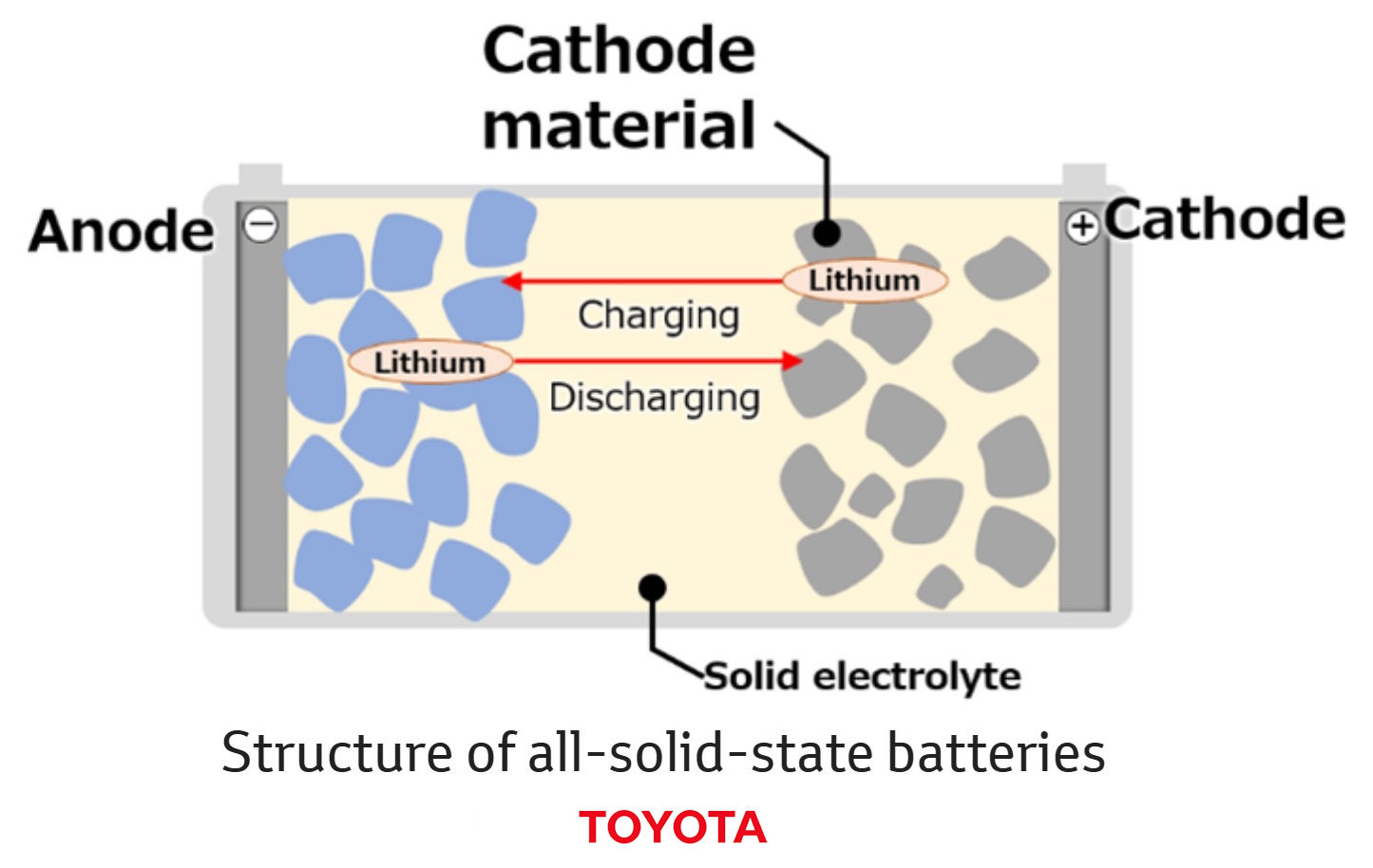
Introduction: I read an article this morning, “The industrialization of solid-state batteries has entered the ‘sprint stage’, and listed companies are vying for a share of the multi-billion-dollar market” (36kr Europe, 11 Oct 2025): “On October 10th, it was reported that Sun Xueliang, a chair professor at Ningbo Dongfang Institute of Technology, collaborated with teams from the University of Western Ontario in Canada, the University of Maryland in the United States, and other institutions to create a new type of halide electrolyte with ultra-high ionic conductivity…. It is understood that this research provides a new technical path for the preparation of ultra-stable all-solid-state batteries and is expected to accelerate the transition of all-solid-state batteries from the laboratory to practical applications.” Intrigued, I asked Grok to look into the general topic of solid-state batteries, and it generated the following report. -js
When the Norwegian Nobel Committee announced María Corina Machado as the 2025 Nobel Peace Prize laureate, they described her as someone who “keeps the flame of democracy burning amidst a growing darkness.” It’s a poetic phrase, but for Venezuelans who have lived through decades of authoritarian tightening, economic collapse, and systematic suppression of dissent, it’s also painfully literal. In a country where speaking truth to power can cost you everything—your livelihood, your freedom, even your life—Machado has refused to be silenced. At 58 years old, this industrial engineer turned democracy activist has become the most prominent voice of resistance in Venezuela, a woman whose courage has inspired millions even as she’s been forced into hiding to preserve her safety and freedom.
María Corina Machado, 2025 Nobel Peace Prize laureate
Introduction: This is a list of twenty major ways a federal government shutdown can impact average Americans. Information includes context about which populations are particularly exposed, how they feel the impact, and why it matters for the broader social and economic fabric. Some effects overlap or intensify one another, especially if the shutdown lasts weeks or months.
If we could leap forward to October 8, 2026, the world we encounter would reveal AI as a pervasive force, reshaping the fabric of daily existence in ways that amplify human potential while introducing unprecedented complexities. No longer confined to niche applications, AI has infiltrated every corner of society, driving efficiencies, sparking innovations, and sometimes exacerbating divides. From the intimate rhythms of home to the grand stage of global affairs, its influence manifests in tangible shifts that redefine how we live, connect, and create. This transformation, accelerated by breakthroughs in autonomous agents and multimodal systems, has not merely augmented routines but fundamentally altered them, often blurring lines between human agency and algorithmic intervention.
Stepping out of the time machine onto the streets of 2026, the first thing that strikes you isn’t a dramatic visual change—no flying cars or robot overlords—but rather the subtle omnipresence of intelligence woven into the fabric of daily existence. The world has adopted AI with the same casualness that it once embraced smartphones, and this quiet revolution has rewritten the rhythms of human life in ways both profound and mundane.
By October 8, 2026, AI has not merely integrated into our lives—it has restructured the architecture of daily existence, reshaped our social contracts, and redefined what it means to be human in a world of synthetic agency.
October 8, 2026: The Year After We Let the Machines In
If we could step through a portal into October 8, 2026, we’d find ourselves in a world that looks deceptively familiar—people still scrolling through their phones, commuting, teaching, falling in love—but beneath the surface, something profound has shifted. AI has moved from being a tool that people use to a presence that people live with. The daily choreography of life—home, school, work, travel, and even affection—has been rewritten not by decree but by quiet adoption. We’d realize that by 2026, we crossed the threshold from “AI-assisted” to “AI-embedded,” and no one really noticed the exact moment it happened.
Ina Fried: “‘If we can evolve ChatGPT the right way, if we can let people build into it, then maybe you will be spending a lot of time in ChatGPT, the sort of operating system,’ Turley [Nick Turley, ChatGPT head] told Axios in a follow-up interview. ‘But it won’t feel like you’re in a chatbot.'” (“OpenAI’s push to make ChatGPT the new OS,” Axios Communications, 6 Oct 2025)
Harris Kupperman, founder of Praetorian Capital, said, “Based on my conversations over the past month, the physical datacenters last for three to ten years, at most. Changes to cooling systems, chip and racking designs, power systems, and even overall layouts, mean that the buildings themselves are likely depreciating quite rapidly as well.
JS: Is the educational potential of AI exponential to the point where, in the next few years, it will replace books and a large proportion of traditional teacher roles in schools and higher education? If yes, please explain why via examples that are currently leading the way.
Introduction: Napheesa Collier delivered her prepared statement during the Minnesota Lynx’s end-of-season exit interviews on September 30, 2025, at Target Center in Minneapolis. The remarks, which lasted approximately 4 minutes and 23 seconds, were made in response to questions about officiating and player safety but expanded into a broader critique of WNBA leadership, including Commissioner Cathy Engelbert. While no single source provides a 100% verbatim line-by-line transcript (as the event was primarily captured in video form across media outlets), the following is a complete reconstruction based on direct quotes compiled from contemporaneous reporting. It represents the entirety of her opening statement before transitioning to Q&A. -Grok
MN Lynx vs NY Liberty, Finals game 4 on October 18th, 2024 at Target Center in Minneapolis, Minnesota (photo credit John McClellan)
ChatGPT: Model Context Protocol (MCP) is a new open protocol developed by Anthropic (announced in 2024) to let AI models—like Claude, ChatGPT, or others—connect safely to external tools, apps, and data sources. Here’s the idea in plain terms:
Problem it solves: AI models don’t automatically know about your local files, databases, or business apps. Giving them unrestricted access can be risky.








































 Educational Technology and Change Journal
