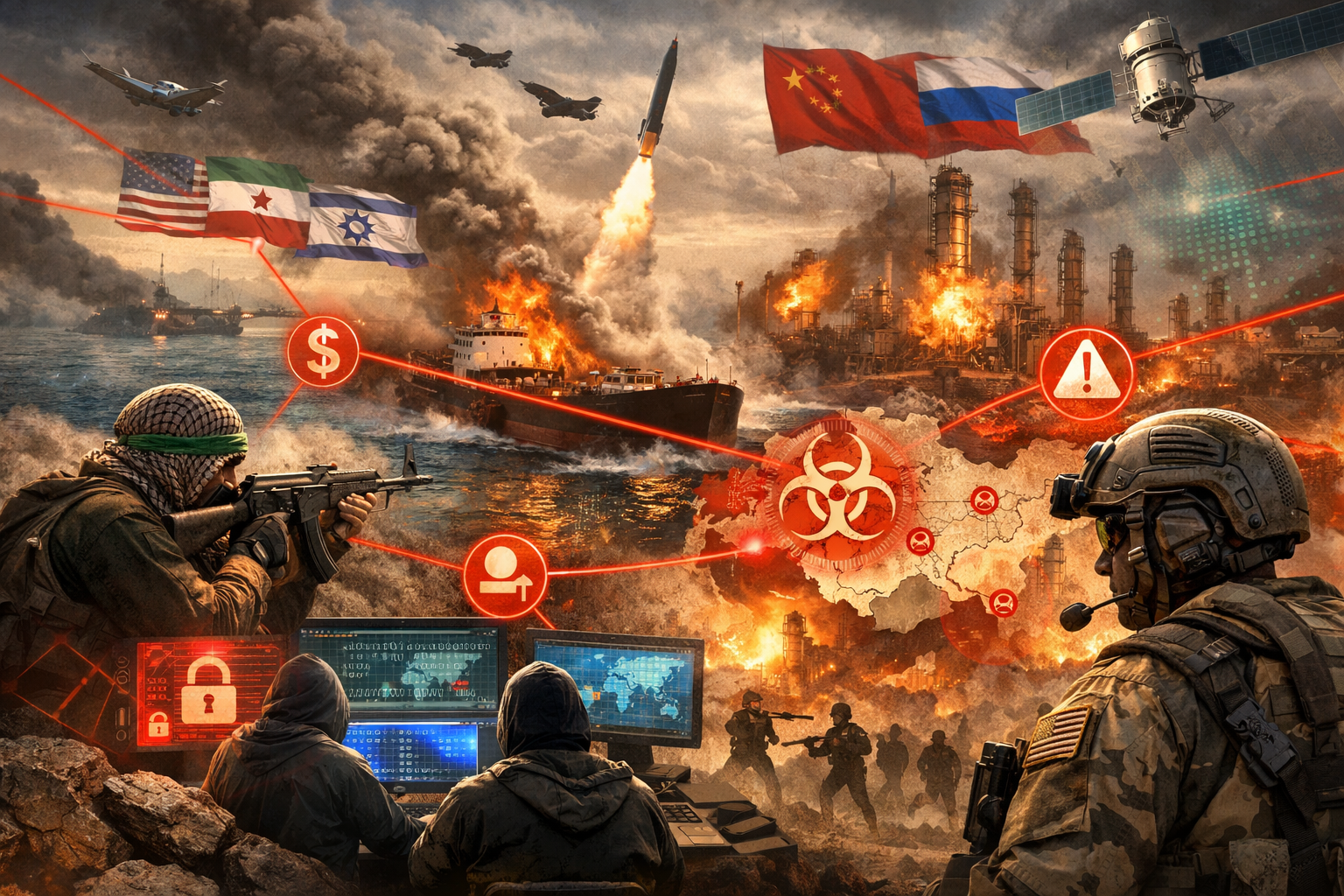
Our March judgment hinged on one central contingency: whether Washington would cross the threshold from coercive strikes and limited presence into large‑scale occupation of Iranian territory. Subsequent developments in April–May 2026 still point firmly away from that threshold. Official descriptions of Operation Epic Fury continue to frame the campaign as an air‑ and maritime‑centric effort to destroy Iranian offensive missiles, naval assets, and elements of its security infrastructure, with no announced plans for a ground invasion or regime‑change occupation, and the legal rationale is explicitly tied to self‑defense and collective defense of Israel rather than to territorial control or long‑term pacification of Iran (1). This strategic framing is fundamentally incompatible with a Vietnam‑style war of occupation, even if the conflict remains intense and dangerous.
Rather than becoming a second Vietnam, the rising likelihood is a drawn‑out, messy, horizontally escalated regional confrontation of low‑to‑medium‑intensity with recurring crises, sanctions, cyber operations, and proxy clashes. Image created by Copilot.
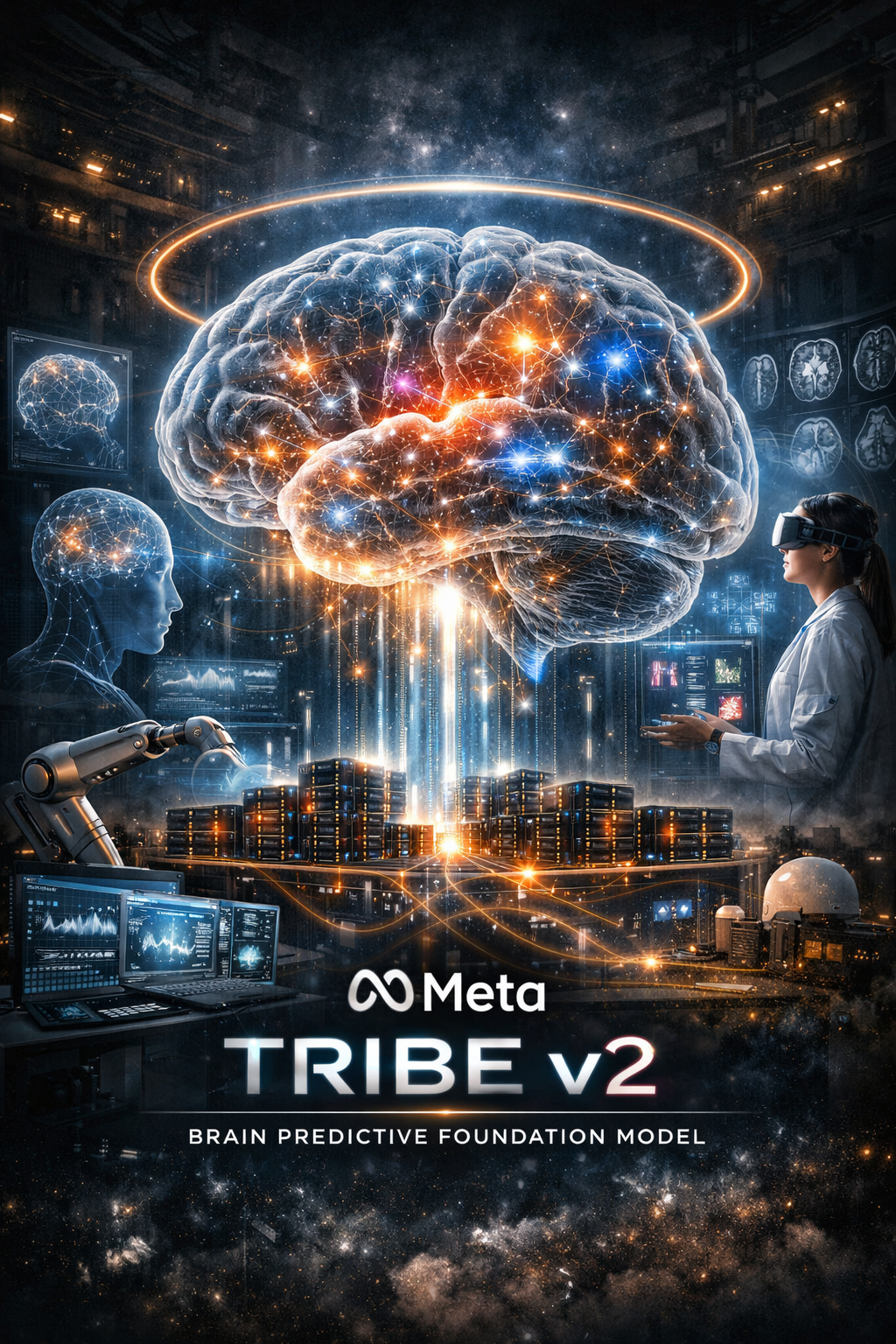
Meta’s TRIBE v2 Brain Predictive Foundation Model Meta AI unveiled TRIBE v2 on March 26, 2026, a groundbreaking predictive foundation model designed as a digital twin of human neural activity, capable of forecasting brain responses to complex stimuli including sights, sounds, and language. Trained on an extensive dataset of over 700 healthy volunteers exposed to images, podcasts, videos, and text, the model achieves a 70-fold increase in resolution compared to prior efforts by leveraging low-resolution fMRI data from just four individuals in earlier iterations. It excels at zero-shot generalization, predicting brain activity for entirely new subjects, languages, or tasks it has never encountered during training. The company released the full model weights on Hugging Face, open-sourced the codebase on GitHub, published an accompanying research paper, and provided an interactive demo—all under a CC BY-NC license—inviting the global research community to build upon it (1).
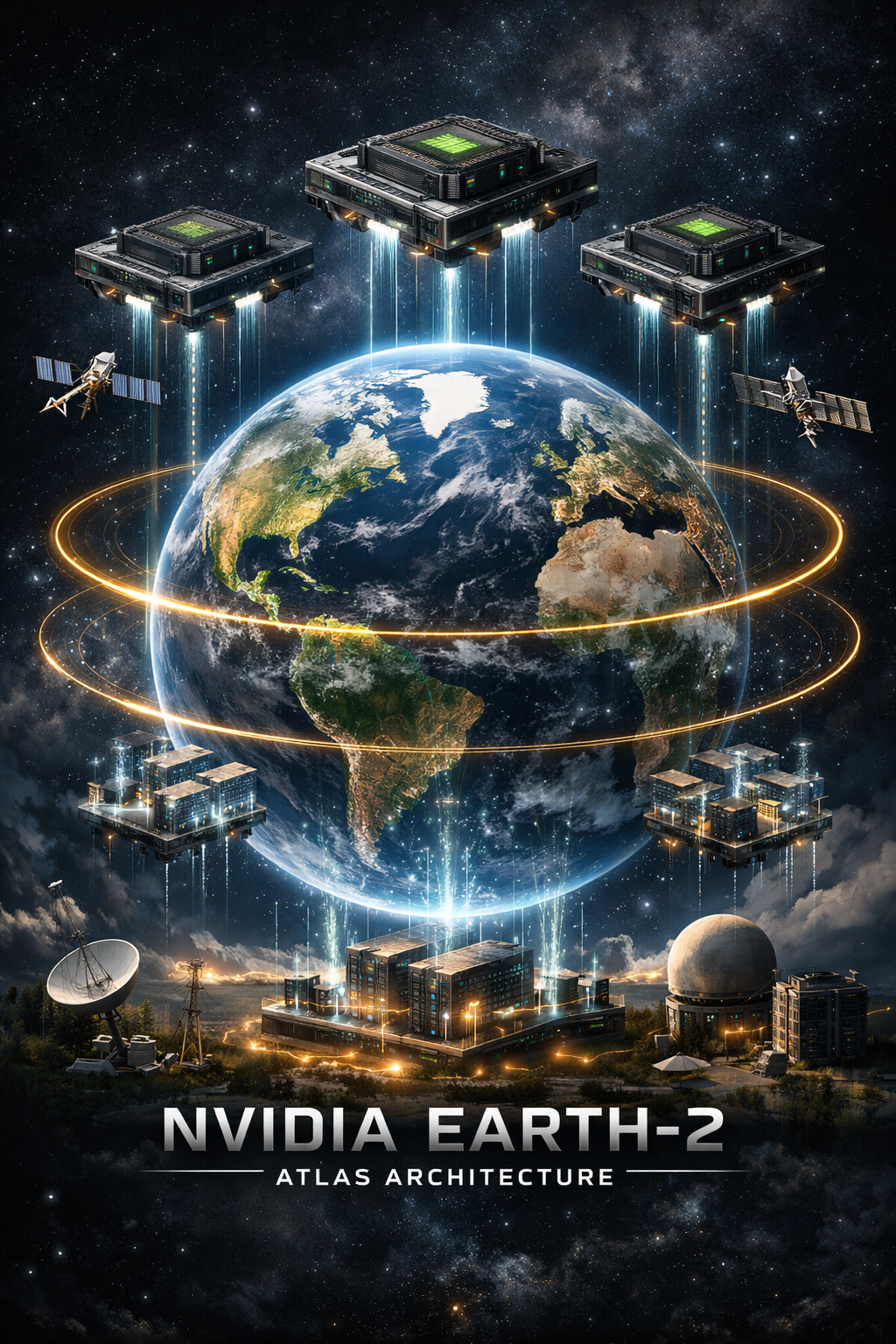
When we published “The AI Revolution in Weather Forecasting: Five Transformative Innovations” in February 2026, the field was already moving at a dizzying pace. In just the three months since, several new developments have emerged that are worth tracking — from a new open-source model architecture out of NVIDIA, to the world’s first AI-native satellite constellation, to breakthroughs in predicting tornadoes a full week in advance. The momentum hasn’t slowed; if anything, it has accelerated.
There is a kernel of truth, but the claim is usually overstated. Recent, credible evidence supports a narrower version of it: many students and adults can read at only modest comprehension levels, and many younger people have limited experience with cursive, but that does not mean “college graduates can’t read critically” in any absolute sense (1,2,6).
The Department of War’s 8 May 2026 release of unresolved UAP-related records and historical documents has again pushed the UFO/UAP issue from the cultural fringe into mainstream national-security and scientific discussion. Multiple major news organizations described the disclosure as one of the broadest public releases of federal UFO-related material in years, including military sightings, internal memoranda, photographs, and investigative summaries.[1-9]
“Actual site photo with FBI Lab rendered graphic overlay depicting corroborating eyewitness reports from September 2023 of an apparent ellipsoid bronze metallic object materializing out of a bright light in the sky, 130-195 feet in length, and disappearing instantaneously.” Release date 5/8/26 by U.S. DOW.
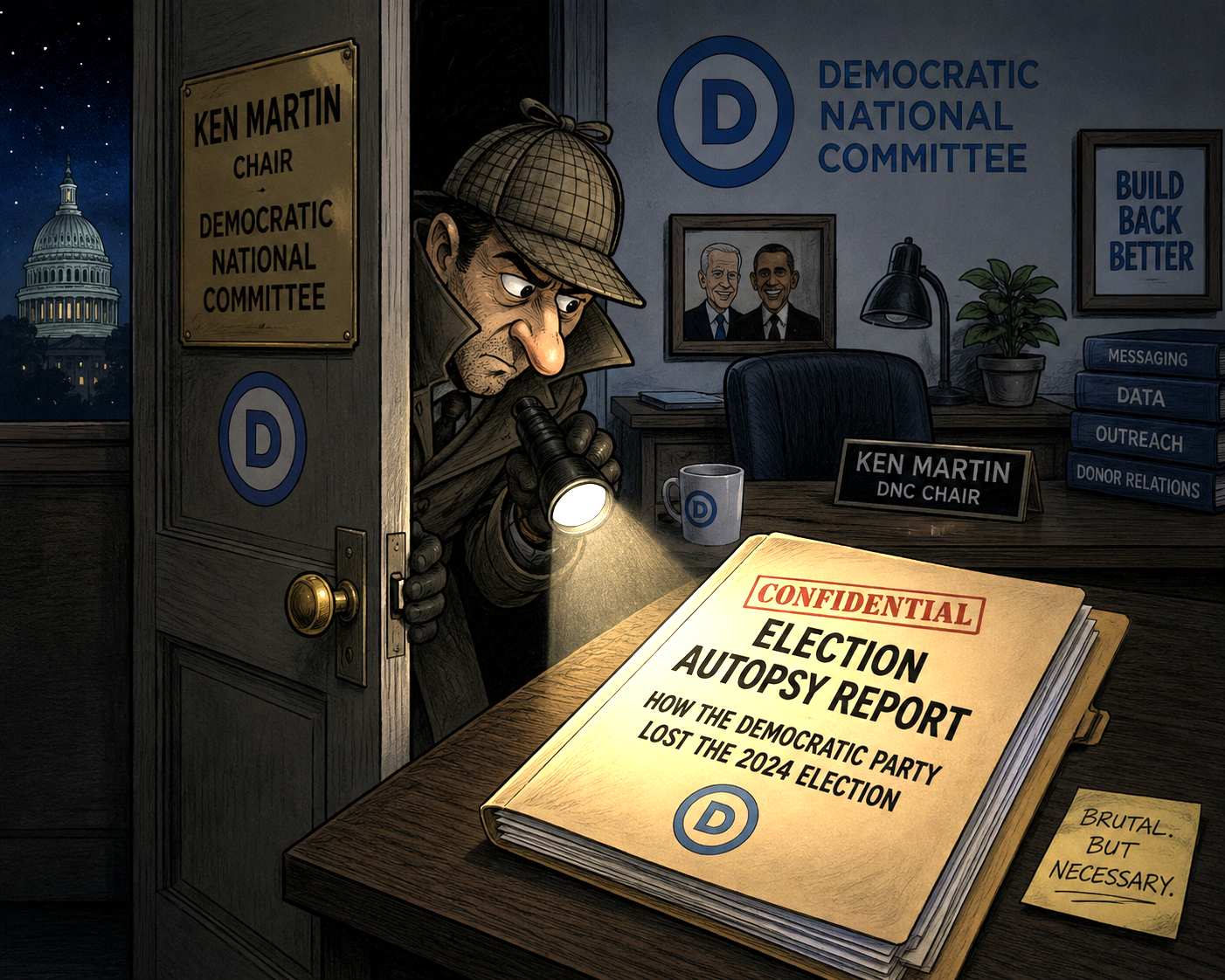
Copilot: 1. Gaza, foreign policy, and the youth/progressive rupture: One of the most likely centerpieces of the unreleased autopsy is the conclusion—already reported in leaks—that the Biden administration’s Gaza policy badly damaged Kamala Harris among young voters and progressives. Axios has already revealed that top Democrats working on the secret report concluded Harris “lost significant support because of the Biden administration’s approach to the war in Gaza,” and that this finding is one reason party leaders are so reluctant to publish the document.[8] Democracy Now! and advocacy groups like the Institute for Middle East Understanding have echoed this, noting that the DNC’s own data reportedly described the administration’s Gaza stance as a “net negative” in 2024.[7] Truthout likewise reports that internal findings point to Gaza as a major factor in Harris’s defeat.[1]
The 15 April 2026 Nature paper “Ancient DNA reveals pervasive directional selection across West Eurasia,” led by Ali Akbari and senior author David Reich, is being widely viewed as one of the most consequential studies in ancient genomics since the first large-scale recovery of ancient human DNA in the 2010s. Its central thesis is straightforward but profound: human evolution in the last 10,000 years has not slowed down or effectively stopped, as many earlier researchers suspected. Instead, natural selection has been widespread, continuous, and measurable across historical populations of West Eurasia, especially after the transition from hunting and gathering to agriculture. The authors argue that earlier studies underestimated recent human evolution because they lacked both sufficiently large ancient DNA datasets and statistical methods capable of distinguishing genuine natural selection from confounding factors such as migration, population mixing, and random genetic drift [1].
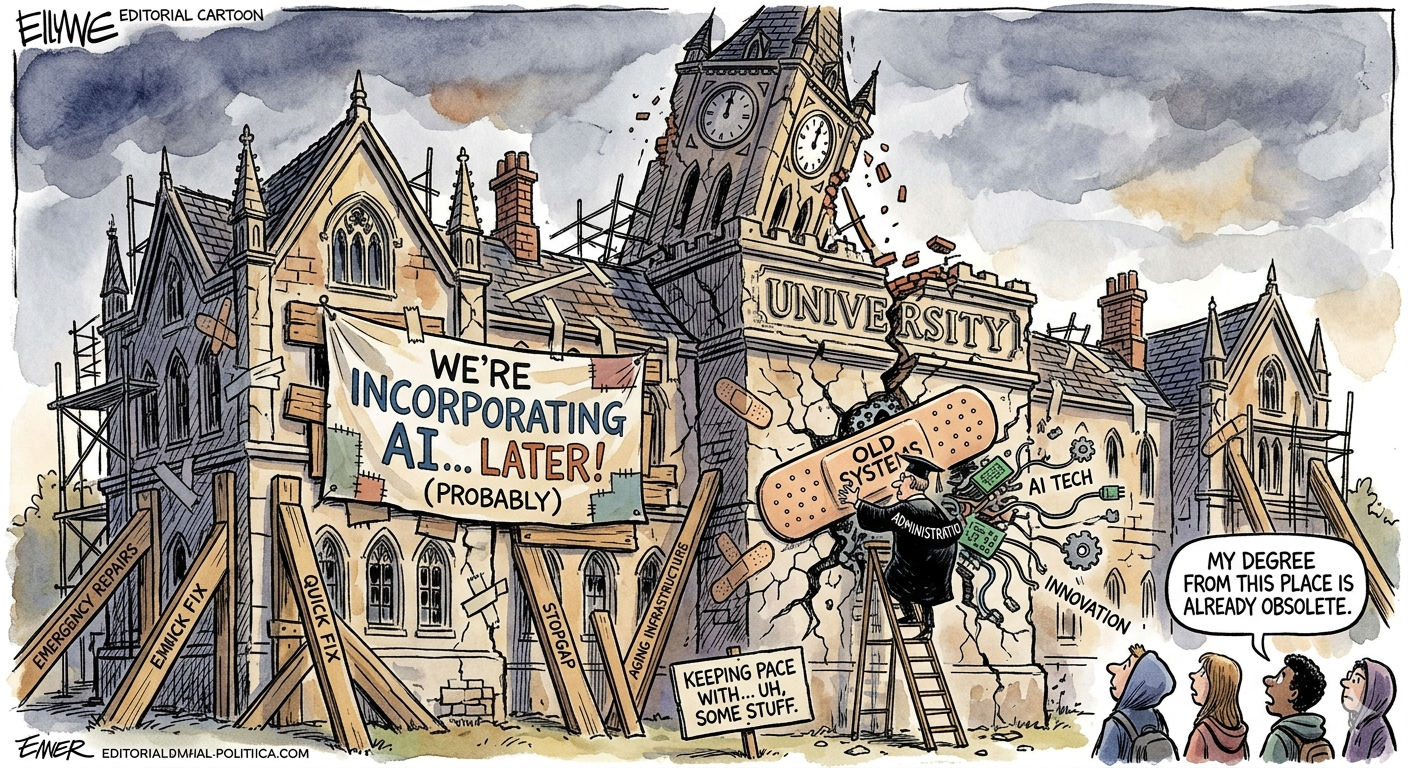
The accelerating cycle of innovation—especially in AI—forces higher education leaders to confront a basic shift: universities can no longer treat technological change as a series of episodic disruptions; they must assume continuous, compounding transformation as the default condition. In this environment, the core role of universities moves from being primarily degree-granting institutions that “finish” learners to being long-horizon infrastructure for lifelong capability-building, ethical stewardship of powerful tools, and rapid translation between frontier technologies and human flourishing. The question is whether institutions can re-architect themselves fast enough to match the exponential curve they are now riding.
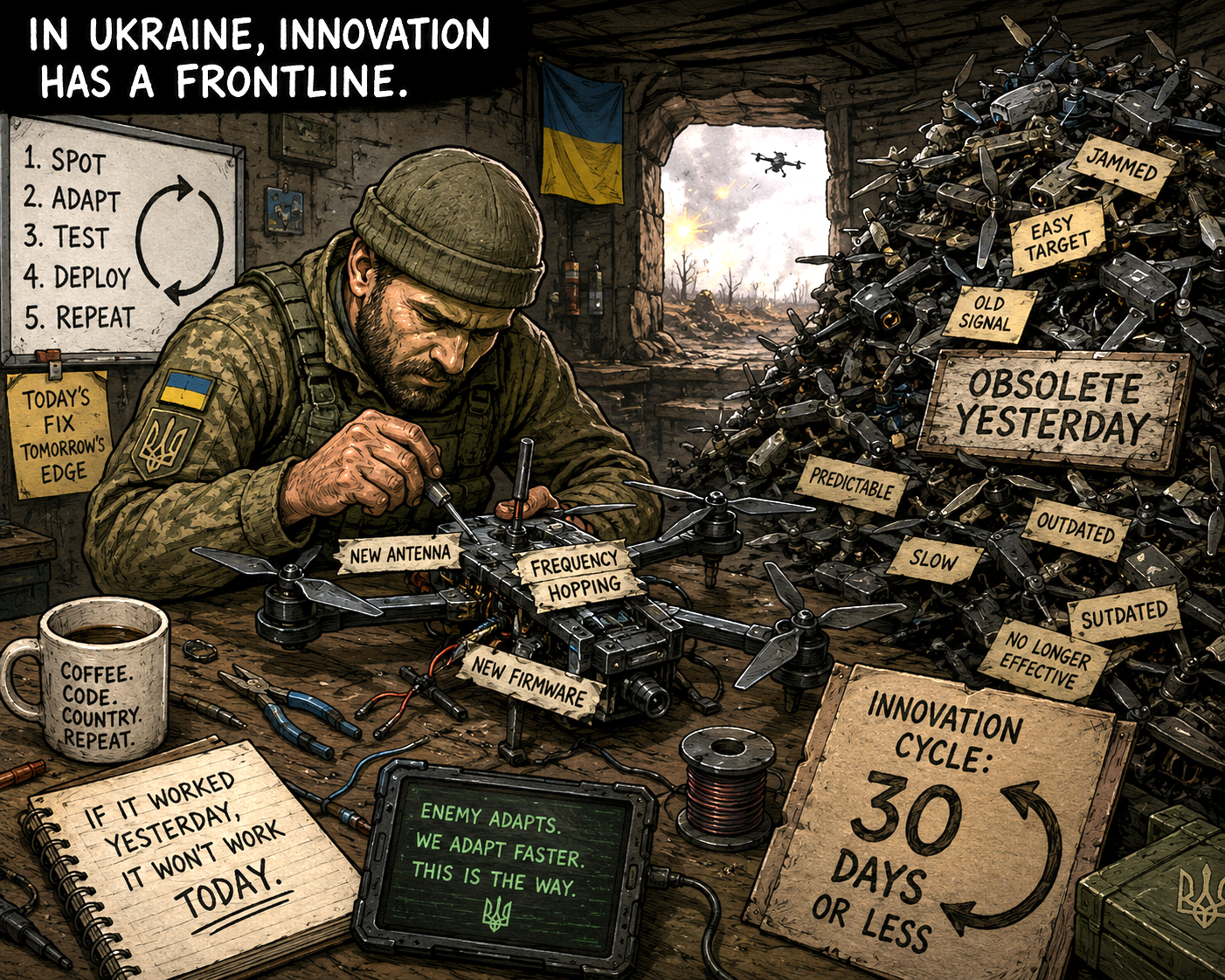
ChatGPT: The “30-day lifespan” is not a formally verified or widely cited benchmark—but it is directionally credible as an extreme, frontline observation. The best available 2025–2026 evidence suggests that innovation cycles in the Russia–Ukraine drone war are typically measured in weeks to a few months, with some tactical adaptations happening even faster. In other words, while “30 days” may be a simplification, it captures a real phenomenon: continuous, near-real-time technological turnover under combat pressure.
A growing body of 2025–2026 guidance suggests that mid-career professionals can no longer treat AI as a discrete skill to “learn once,” but instead must adopt a continuous, self-directed cycle of experimentation, reflection, and integration into daily work. Recent practitioner-oriented articles emphasize that the most effective professionals are not those who complete isolated courses, but those who build what might be called a personal AI lab—a lightweight, evolving system of tools, workflows, and projects that mirrors how AI is actually used in modern organizations.
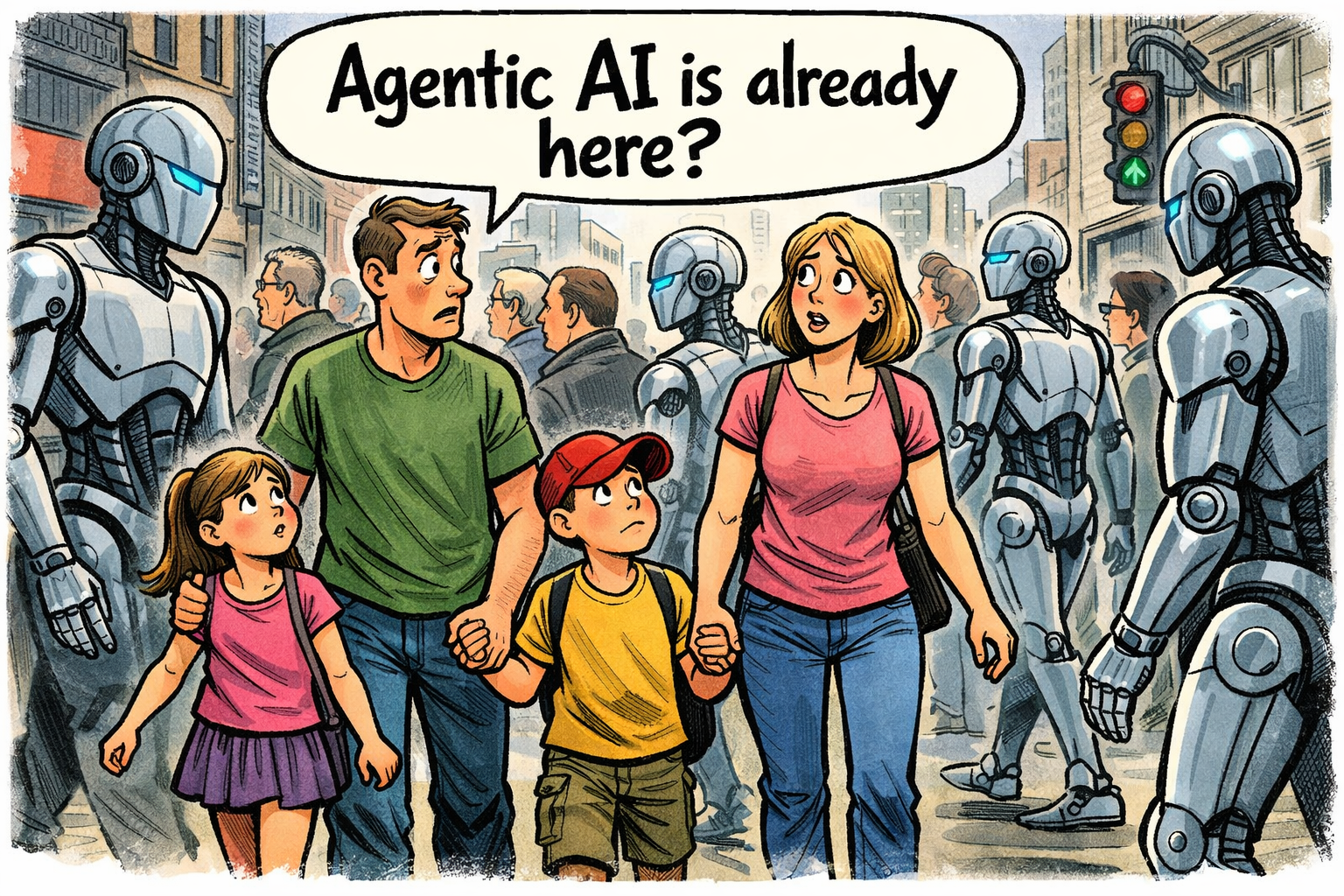
Children born between 2010 and the mid-2020s will come of age in a world that looks radically different from any that has come before. If 2023 was the year the world discovered generative AI, and 2024 was about integration and experimentation, then 2025–2026 marks the transition from AI assistants to agentic AI — autonomous systems that don’t just answer questions but actually do things [1]. For parents, this is not a future to theorize about. It is a present to act on. According to McKinsey, up to 40% of work tasks could be automated with AI by 2030 — and today’s students will enter that future workforce, which is why AI education for children must start now [2].
To understand the allegations swirling around Ukrainian President Volodymyr Zelenskyy, one must first understand the mechanics of the scheme that set off Ukraine’s most damaging corruption scandal since the start of Russia’s full-scale invasion. Operation Midas is an anti-corruption investigation by Ukraine’s National Anti-Corruption Bureau (NABU) and the Specialized Anti-Corruption Prosecutor’s Office (SAPO), launched in 2024, concerning large-scale bribery in Ukraine’s energy sector during the Russo-Ukrainian war.
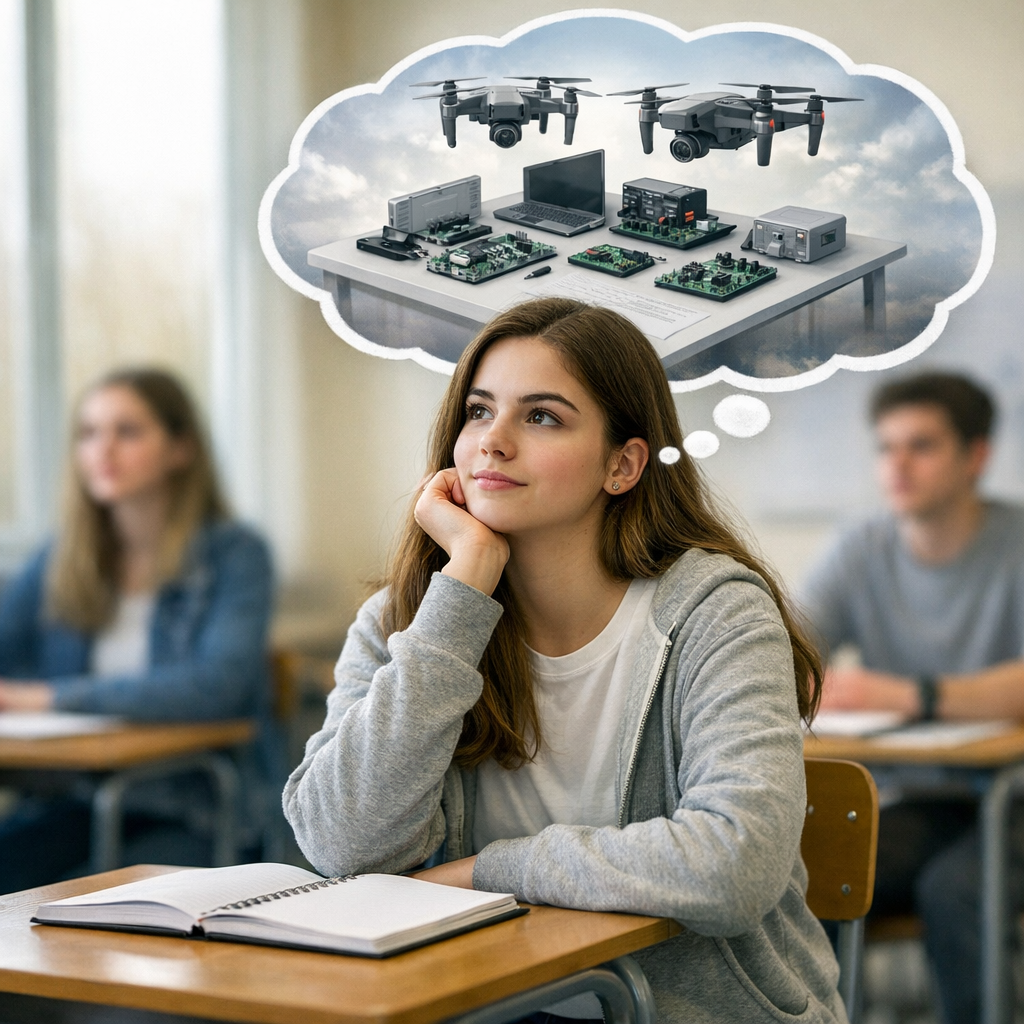
For a high school student in 2026, drones are no longer a niche hobby—they are a maturing aviation and data platform that touches logistics, infrastructure, agriculture, media, public safety, and defense. The U.S. commercial drone market is projected to be one of the fastest‑growing tech sectors, with global commercial revenues estimated around $58 billion by 2026, and U.S. demand driven by defense, logistics, infrastructure inspection, and agriculture.[2] At the same time, the regulatory environment is shifting from simple visual‑line‑of‑sight (VLOS) flying under FAA Part 107 to more complex beyond‑visual‑line‑of‑sight (BVLOS) operations and proposed new rules (often discussed as a future Part 108), which in turn raises the bar for training, safety, and technical competence.[1] For a young person, this means the field is wide open—but it also demands more than just learning to fly a quadcopter.
Steven D. Shaw and Gideon Nave of the Wharton School of the University of Pennsylvania published a preprint in January 2026 that has generated substantial discussion across cognitive psychology, behavioral science, and AI-policy communities.[1] The paper is important because it attempts something long overdue: updating the foundational dual-process theory of human cognition — most famously popularized by Daniel Kahneman’s System 1 (fast, intuitive) and System 2 (slow, deliberate) dichotomy — to account for the fact that millions of people now consult generative AI while in the very act of reasoning.
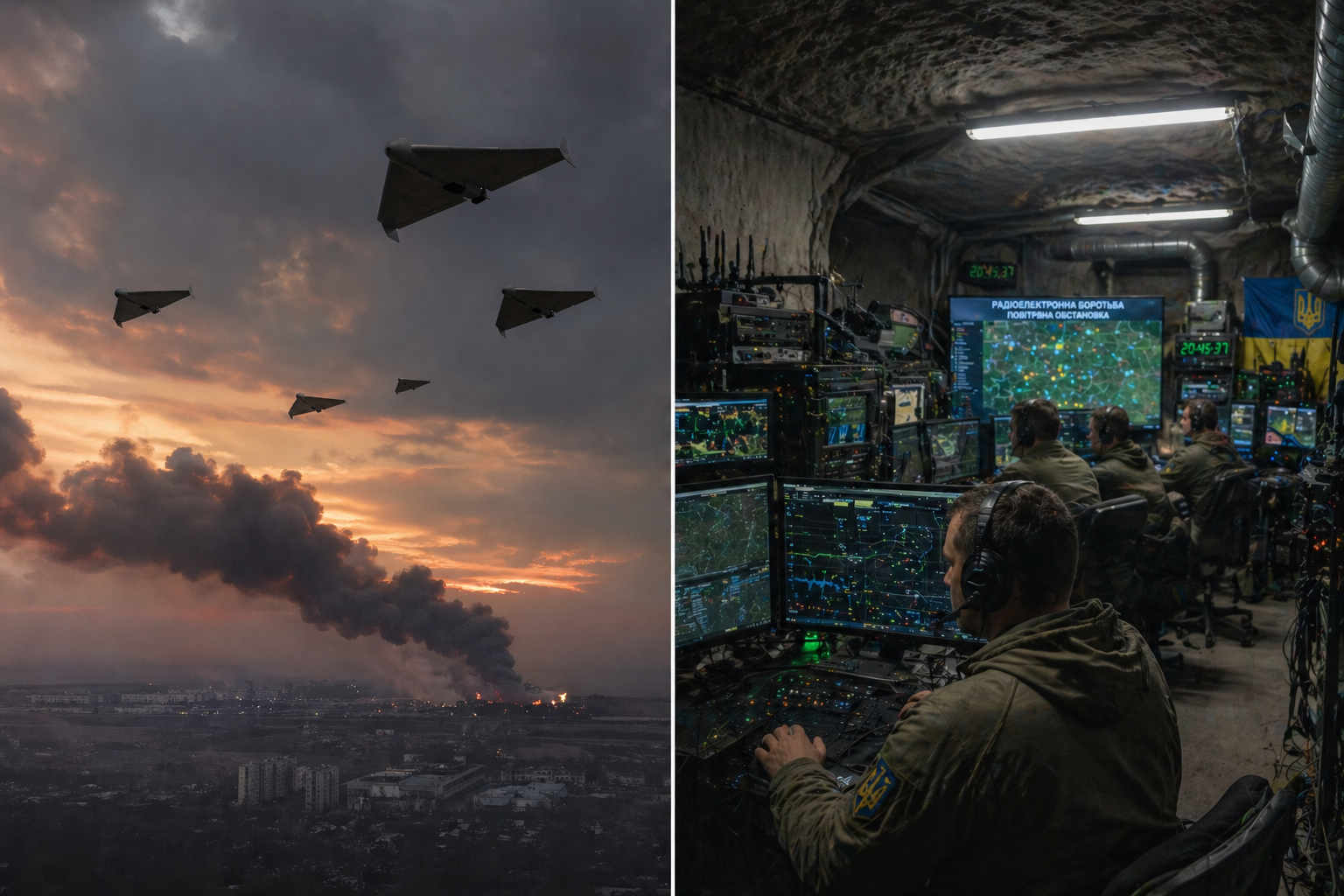
Both Ukraine and Russia are actively trying to disrupt, hijack, or otherwise neutralize enemy unmanned systems, and in limited cases they can effectively “turn” those systems into wasted or even counterproductive assets. However, fully commandeering an enemy drone or ground robot and repurposing it as your own weapon is still rare, technically difficult, and situational. What is widespread—and increasingly decisive—is a spectrum of electronic warfare (EW), spoofing, interception, and cyber operations that can achieve many of the same battlefield effects without literal takeover.
The characterization of Donald Trump as the ultimate disruptive US presidential campaign winner is compelling and largely defensible, though it warrants some precision. Both Bernie Sanders and Trump, though seemingly at opposite ends of the political spectrum, capitalized on a sense of disillusionment among certain segments of the population — Sanders representing the progressive left, Trump embodying the populist right — both tapping into public expectations for a “disruptive outsider.”
There is a substantial literature on the privatization of U.S. military functions, ranging from radical proposals to fully privatize national defense to more incremental analyses of outsourcing and private military and security companies (PMSCs). Three especially noteworthy writers, taken together, represent a spectrum of ideas about privatizing the U.S. military: Larry J. Sechrest, Thomas C. Bruneau, and Eugenio Cusumano. Each addresses the feasibility, logic, and risks of shifting core military roles to private actors, though from very different ideological and analytical standpoints.
The American post-WWII record is a study in repeated strategic miscalculation. Before World War II, the United States won nearly all the major wars it fought. Since World War II, it has barely won any. The Gulf War in 1991 was arguably a success. Korea was a tough stalemate. And since Korea, there has been Vietnam — America’s most infamous defeat — and Iraq, another major failure. [4] The pattern has been remarkably consistent: US mistakes in Iraq and Afghanistan were the result of a pervasive failure to understand the historical framework within which insurgencies take place, to appreciate the cultural and political factors of other nations and people, and to understand warfare beyond the limited confines of tactics and operations. [1]
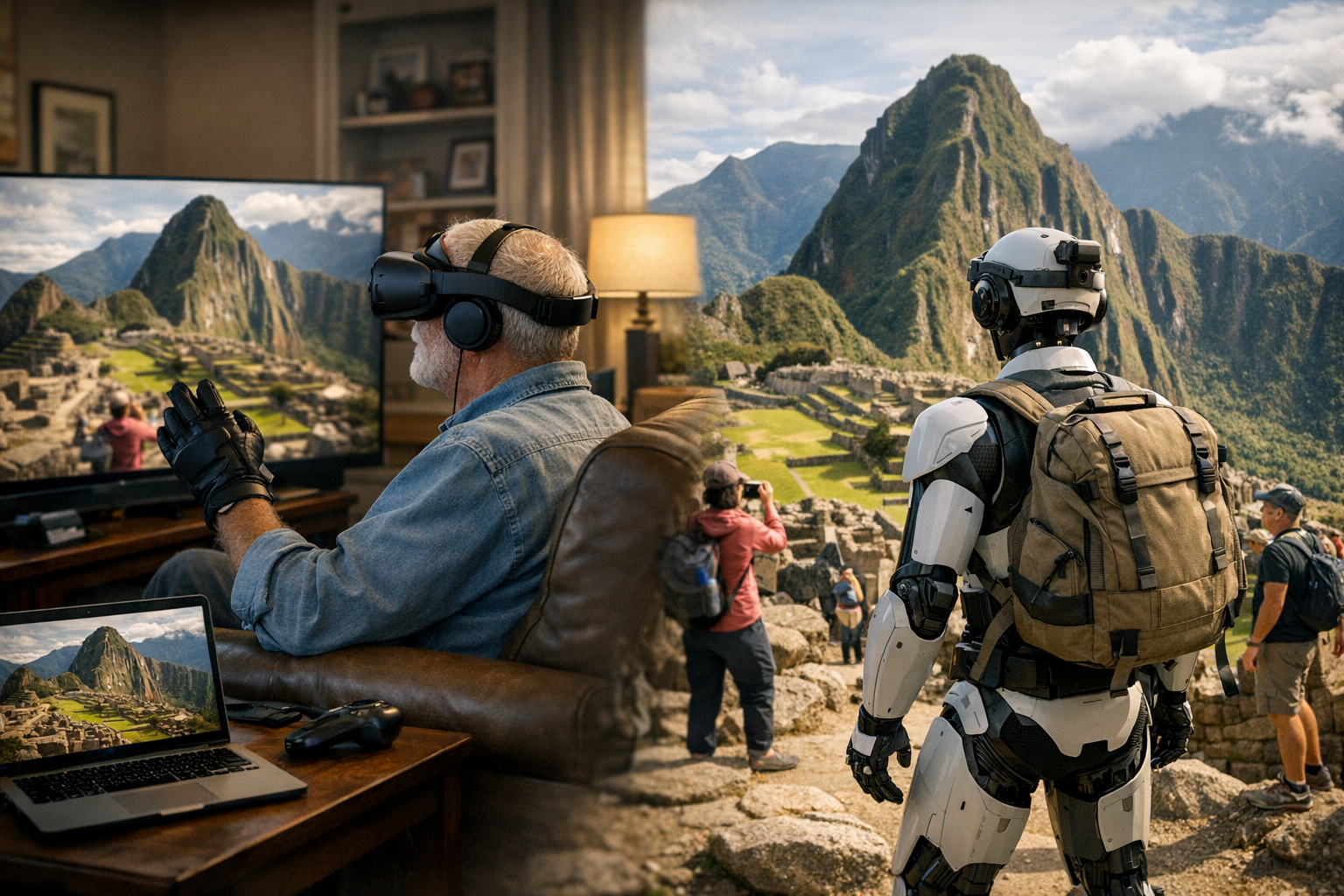
Ankush Choudhary is a technology writer and analyst who, in February 2026, published a long-form essay titled “Digital Twin Tourism: Virtual Travel Experiences for 2025,” which has quickly become a touchstone for thinking about AI-mediated travel and telepresence.[1] Writing at the intersection of computer graphics, networking, and tourism, Choudhary frames “digital twin tourism” as the creation of high-fidelity, dynamic replicas of real-world locations—Machu Picchu, the Louvre, or Tokyo—rendered in real time and accessed from home through immersive interfaces.
The trajectory from generative to agentic AI marks a fundamental shift from passive content creation to autonomous goal‑pursuit and environmental interaction [1, 3]. Yet agentic AI is not a terminal state. In 2025‑2026, the consensus among analysts, enterprise architects, and academic researchers is that the next evolutionary layers will unfold along three intersecting axes: (i) multi‑agent orchestration, (ii) physical embodiment, and (iii) goal‑setting autonomy. Ultimately, these layers converge toward a longer‑term horizon of artificial general intelligence (AGI) and human‑agent collectives.
Decision 1 – Global governance: By the end of April 2026, will UN member states meaningfully commit to an interoperable global framework for AI governance through the new Global Dialogue on Artificial Intelligence Governance, or allow governance to fragment into competing blocs?
April 2026 is a hinge month for whether AI governance becomes more coherent or more fractured. The United Nations’ Global Dialogue on Artificial Intelligence Governance—mandated by the General Assembly and supported by a joint secretariat across the UN system—has called for written inputs from member states and stakeholders ahead of its first high‑level meeting in mid‑2026.[8,9] Those submissions, due by the end of April, will shape the agenda, priorities, and level of ambition for what could become the closest thing the world has to a shared “operating layer” for AI rules. The decision facing governments is whether to treat this as a serious venue for convergence or as a symbolic forum while real power consolidates in a few regulatory blocs.
There is little question that Donald Trump’s return to the presidency has accelerated a fundamental transformation in how international diplomacy is practiced. Perhaps the most evident outcome of recent years is that the art of diplomacy — traditionally conducted behind the closed doors of high offices — has shifted into the realm of a live political show, with millions of people around the globe following the twists and turns of major international negotiations much like they would follow the new episodes of a captivating television series [7]. The philosophical underpinning of this shift reaches back to 1987, when Trump co-authored The Art of the Deal. In that book, the real estate mogul described his disruptive negotiating method, which consists of thinking big, asking for a lot, and using the media to his advantage [5]. What was once a boardroom philosophy has now become a template for summit diplomacy, and its influence is reverberating from Europe to Asia to Africa [6].
1. Gartner’s 40% prediction for task‑specific agents by 2026
Gartner, a leading technology research and advisory firm, projects that 40% of enterprise applications will be integrated with task‑specific AI agents by the end of 2026, up from less than 5% in 2025.[1,2] The core of this prediction is that today’s embedded “assistants” will rapidly evolve into autonomous, task‑specialized agents that can execute workflows, manage incidents, and resolve support cases without constant human prompting. Gartner reaches this conclusion by combining its long‑running enterprise software market tracking with scenario modeling of AI adoption stages, outlining a five‑step evolution from simple assistants in 2025 to multi‑agent ecosystems by 2029.[1,2] This matters because it effectively time‑stamps a platform shift: if nearly half of enterprise apps contain agents by 2026, then for many people “using software at work” will increasingly mean collaborating with semi‑autonomous systems that anticipate, decide, and act. The prediction signals that the everyday impact of agentic AI will not arrive as a distant AGI moment but as a fast, incremental redesign of the tools people already use—changing job roles, required skills, and expectations of accountability inside organizations.
NVIDIA Corporation is headquartered in Santa Clara, California, and was founded in 1993 by Jensen Huang, Chris Malachowsky, and Curtis Priem. It is a fabless semiconductor company — meaning it designs its chips but outsources manufacturing, primarily to TSMC in Taiwan. Today, with a market capitalization that has surpassed four trillion dollars, NVIDIA stands as one of the most valuable companies in the history of global business.
The Terafab project—Elon Musk’s ambitious joint semiconductor initiative spanning Tesla and SpaceX—has moved rapidly from announcement in March 2026 into an unusually aggressive early execution phase by mid-April, with several concrete developments emerging across hiring, partnerships, supplier outreach, and adjacent chip progress.












































 Educational Technology and Change Journal
