Summary: The article explores whether AI tools like ChatGPT can meaningfully substitute for human writing teachers in college settings. Using a sample student error, the author shows how AI quickly and accurately identifies grammar, spelling, and punctuation mistakes, providing corrective explanations and revision tips. The discussion then shifts to educational implications: while AI can efficiently handle mechanical corrections and free instructors from time-consuming markups, key concerns arise around pedagogy and student learning. The article questions whether reliance on AI will truly help students internalize good writing habits or simply encourage dependency on automated fixes. Ultimately, the piece suggests that while AI’s language abilities can improve, its best use is as a supplement—handling routine errors—so that human instructors can devote more time to higher-order feedback, personal mentoring, and fostering critical thinking and creativity in writing, rather than being replaced outright. (Perplexity)
Summary: The article presents ChatGPT’s response to Stephen Marche’s essay, “The College Essay Is Dead,” focusing on its implications for college composition courses. Marche contends that widespread AI tools like ChatGPT make traditional essays—especially formulaic, five-paragraph formats—obsolete, urging instructors to rethink the essay’s role in teaching critical thinking. The article outlines several shifts: embracing more dynamic and authentic writing forms, teaching AI literacy and ethical use of generative tools, and revising assessment methods to prioritize process and in-class work. It concludes that, rather than ending writing instruction, Marche’s essay prompts much-needed pedagogical innovation and adaptation in higher education. (Perplexity)
By Harry Keller Former ETCJ Science Editor & President of SmartScience
In 1960, two people, 3,000 miles apart, began writing software. One had just graduated as the valedictorian of her 900-student class at Hunter College in New York City. The other was a freshman at Caltech, fooling around with a desk-sized computer off-hours. As fate would have it, they would meet four years later in New York City and bridge a gulf of more than distance.
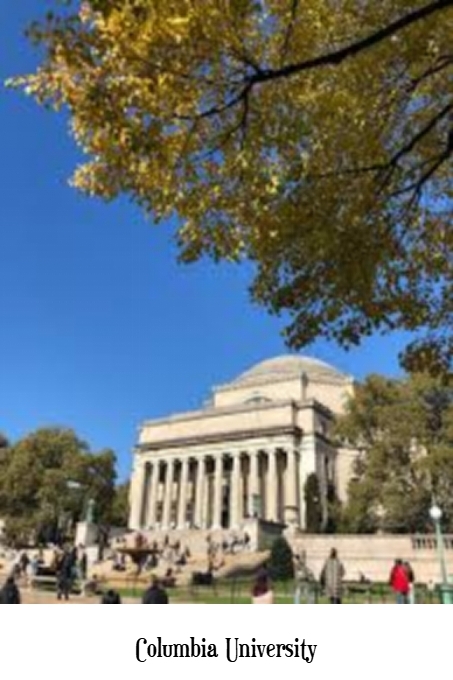
This is not a love-at-first-sight story, even though both were attractive young adults. The man from California had enrolled in graduate school, working toward a doctorate in chemistry. IBM had hired the young woman for a position at the prestigious Thomas J. Watson Laboratories office in uptown New York City. Then, IBM lent her to Columbia University across Broadway to teach computer programming courses.
The man, who had a deep interest in computers, enrolled in a series of non-credit courses taught by Mrs. Pisani. One of the lecture halls in the chemistry building featured a demonstration lab bench at the front of the classroom. Mrs. Pisani would sit at the edge of the bench, allowing her shapely legs to dangle while explaining the intricacies of FORTRAN. Her demeanor reflected that of an intelligent, generous, and kind person. She must have made a strong impression on everyone in the class, who paid attention as if expecting a test at the end of each session.
Imagine the man’s surprise when the next semester’s course was assigned to Miss Schmidt as the new instructor. Could this new teacher be an elderly (compared to the man) spinster or a young, attractive woman? Though immersed in a demanding series of required graduate courses at the time, he took the time to visit Mrs. Pisani’s office to inquire about the change but left feeling dissatisfied. The course began, and the instructor turned out to be none other than the recently divorced Mrs. Pisani, née Schmidt. First came shock. Then, dismay at the trick Jayne and her officemate had played on him. Nevertheless, he became interested in learning more about the lovely, fascinating Miss Schmidt.
By Harry Keller Former ETCJ Science Editor & President of SmartScience
I live in a mountain town in Southern California. My home lies within an FS1 zone. That’s Fire Safety One, which means it has the most danger of being consumed by a wildfire.
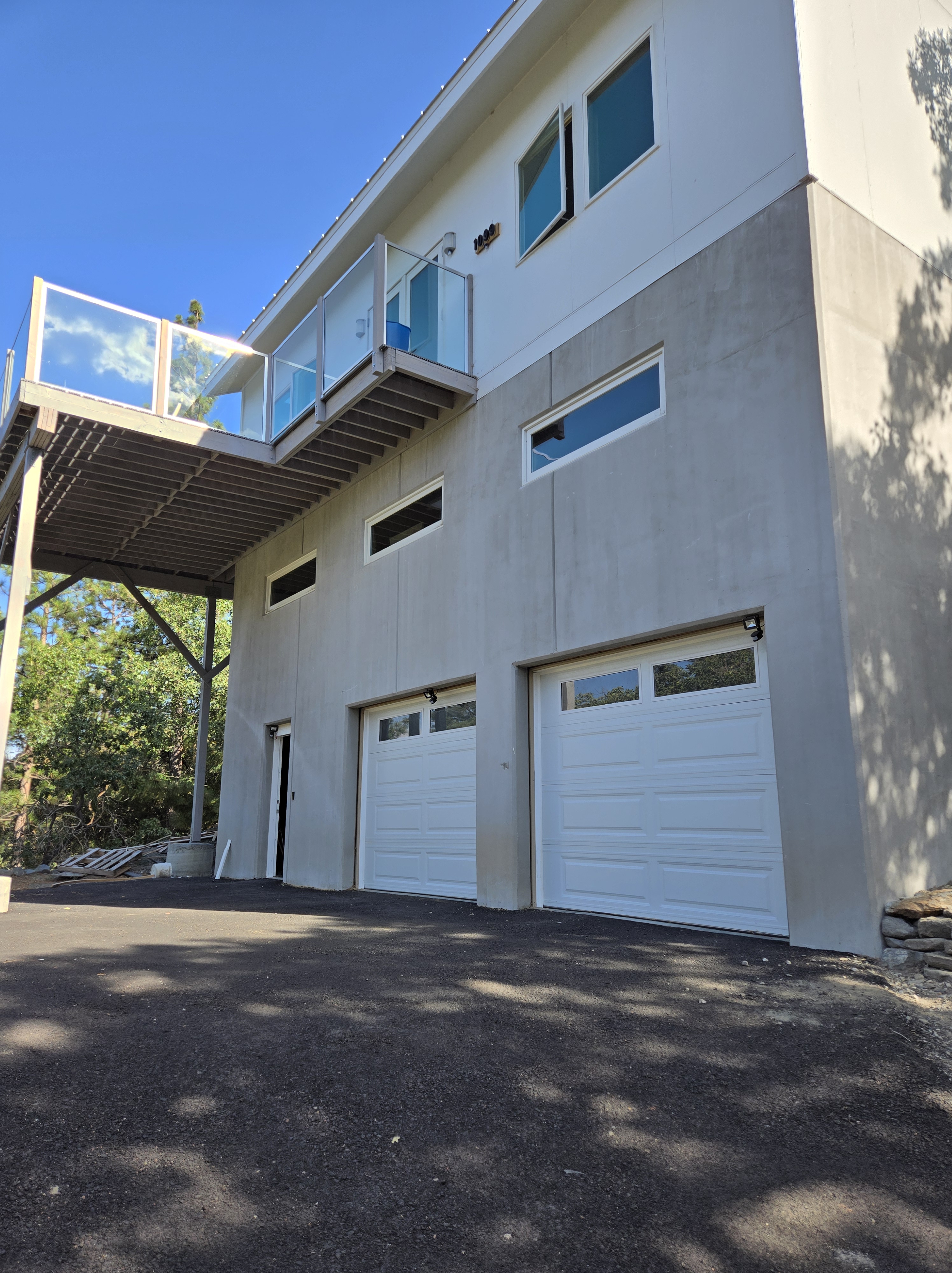
My new home has fantastic views in all directions. The oaks, pines, and live oaks that are native to this area fill the view with green under an almost violet sky you have to see to believe. The pines and live oaks remain green year-round. Because we are situated on a steep slope at the edge of town, our views are unobstructed by neighboring houses. It’s like heaven at times.
The air is fresh at 6200 feet and so dry that summer heat and winter cold don’t feel as harsh as the thermometer suggests. We sit just above the edge of the Mojave Desert, and this wonderful dryness lends itself to fires.
Birds frolic in the trees, providing constant entertainment for those who enjoy nature. A bear visits us, as do some deer. My wife and I bought two adjacent lots and combined them for a total space of nearly half an acre. There are no homes behind us to the South. We built a trail up the hill on that side to more readily reach the local Acorn Trail leading up to the Pacific Coast Trail.
Every year, we worry about wildfires. In 2016, the Blue Cut Fire threatened our tiny town of about 5,000, but firefighters prevented it from reaching the homes. The townspeople are thankful for our firefighters who risk their lives to save our village.
By Azure Acosta Student at Kapi’olani Community College University of Hawai’i
This memory goes back to the early 2010s. I was just a preteen in middle school and loved to spend countless hours of my free time playing video games. This hobby is where I connected with my ongoing best friend, Kelsy, of 9–10 years. We played many video games together and met a lot of new people along the way. Chatting with strangers around the world online through massive multiplayer games was, and still is, easy. We attempted to make friendships through the games that we played, but they never became ones that were long-term. This is a story about one of those people.
My memory is fuzzy as to who this person was, but I will refer to this stranger as Chad. The night that this happened was like any other night for me. I was sitting on my bed with my light blue Solo Beats by Dr. Dre headphones on and my laptop in front of me. Kelsy and I were chatting through Skype and playing a game called League of Legends. In one of the League of Legends games that we played, we met Chad. The first impression that we had of him in-game was that he seemed nice and chill to play with, so we ended up adding him to our friends list on the game. As a result, we also added him on Skype to chat with him in a call. To begin with, the conversation included standard introductory questions that we asked each other. We found out that he was around our age and lived on the mainland. Everything seemed normal until he asked us where we were from.
By Kaʻena Cervantes Student, University of Hawaiʻi at Mānoa
The Maui Wildfires unleashed chaos and devastation and changed people’s lives forever. The fierce flames devoured acres of precious land in just a matter of seconds. People’s homes were lost, memories were lost, pets were lost, and worst of all, lives were lost. How could there be any beauty in what seems like the worst situation possible? Although at times it may seem impossible, there is beauty even in the ugliest times.
On the 13th of August, 2023, it was about one week since the Maui wildfires took over Lāhainā. It was a beautiful day; there were blue skies with not a cloud in sight. It was just past noon, and this was my first time seeing Lāhainā in person rather than through a phone screen. I clenched my boyfriend’s hand while riding in the backseat of his dad’s truck. As soon as we got on the Lāhainā Bypass, his cheerful, outgoing personality shifted to shyness. He sat there, staring out the window, with his hood on to hide his emotions. I knew this ride would be even harder for him, as it was where he grew up and sadly lost four family members to the fire.
By Elizabeth Sánchez Student at Kapi’olani Community College University of Hawai’i
It was 2008, and my family had just endured the move to Virginia from Mississippi. After a month of attending our new schools, my brother and I were finally getting comfortable with this new environment. It was a day that petered on the edge of summer and autumn. The day was balmy, but the breeze carried the promise of winter, and the leaves were tinged with vibrant scarlet and citrine not seen among the muddy oranges of Mississippi flora. More importantly, it was the day I learned that some rules could be broken.
I never expected to be pulled out of class only ten minutes before we were released. I turned toward my fourth grade teacher, Mr. Flint, in confusion. I did not have a doctor’s appointment today. Even with my backpack already containing my homework that day, I still hesitated to move. I had severely sprained my right ankle three weeks prior and did not want to move unless necessary. Couldn’t she wait a bit longer?
Lauren Arakaki Student, Kapi’olani Community College University of Hawai’i
We are often asked, “What are you planning to do after high school?” For many of us, the answer is usually “I plan to attend college.” My mom, Ardis, shares her story on how college was for her in the 1980s and early 1990s. College was quite different in the past, compared to college today. Some of these differences included price, enrollment numbers, and the number of years it took a student to graduate. Considering that I am attending college right now, what better way to show the evolution of college life than reflecting on her personal accounts and experiences when she was my age? Because of these differences, I am reflecting on my own experiences and how they are considerably different from my mom’s.
It was a Saturday afternoon. The sun was glistening through the white beams of our porch. My mom was going through her late aunty’s belongings, looking to see what should be kept and what should be donated. I came out and sat next to her when she found a black and white photograph of her aunty and father as young teenagers. My mom, five feet two inches tall with fair skin and long black hair, has always been someone I looked up to. Despite the fact that she was my mom, from the time I was old enough to understand the many hardships of life, I was quick to learn that she is one of the most independent and hard-working people I know.
Sarah Pae Student, Kapi’olani Community College University of Hawai’i
Living in South Korea in the 1970s could be described as very poverty-racked and unsophisticated, or, in other words, a lot of Korean people lived a simple yet rough life. Back then, your economic background would have a huge impact on your lifestyle. To clarify, in Korea at the time, there was a countryside and a city side. Due to the poor economy, the people in the city lived a more comfortable life.
My mother lived in the countryside, so she’s had many hard challenges to overcome from being able to take warm, hot showers, receiving fresh bread from the market on special occasions and only being able to write letters, or using beepers to receive messages. It is fascinating how you can see technology being developed so quickly throughout the years, from writing and receiving letters to using smartphones and being able to look up anything on the Internet. Living in South Korea in the 1970s is best described as very different and not as complex as today.
By Lynn Zimmerman
Associate Editor
Editor, Teacher Education
Like many people in the gig economy, I do most of my work online. I sit at home in front of my computer screen where I can interact with students and others without having to wear a mask. I just wear one when I make my quick runs to a store.
A few weeks ago, I was invited to do a two-hour workshop face-to-face, which meant that, for the first time, I had to wear a mask for an extended period of time. Altogether I had it on for about 2.5 hours. Although I didn’t talk for that entire time, I did talk more than I normally do with a mask on.
It had not dawned on me that my cloth mask would get wet from my respiration. I realized, then, that if I were working face-to-face for several hours as most people do, I’d need to have several masks on hand to change as needed.
One of my jobs is teaching an online class to people who want to teach abroad. In a discussion board, they were asked to talk about some challenging learning environments. Several students were concerned about having to work in a climate that was hot, and one student brought up the added challenge of wearing a mask in such conditions. I was able to weigh in with my recent experience. The students agreed that having more than one mask with them when they arrive at their teaching assignment was a worthwhile idea.
What has your experience been? What advice would you offer to anyone who has a wear a mask for a period of time?
By Harry Keller
Former ETCJ Science Editor
& President of SmartScience
Ed, my son, and I carried one half-wall up that steep hill and decided that one was enough.
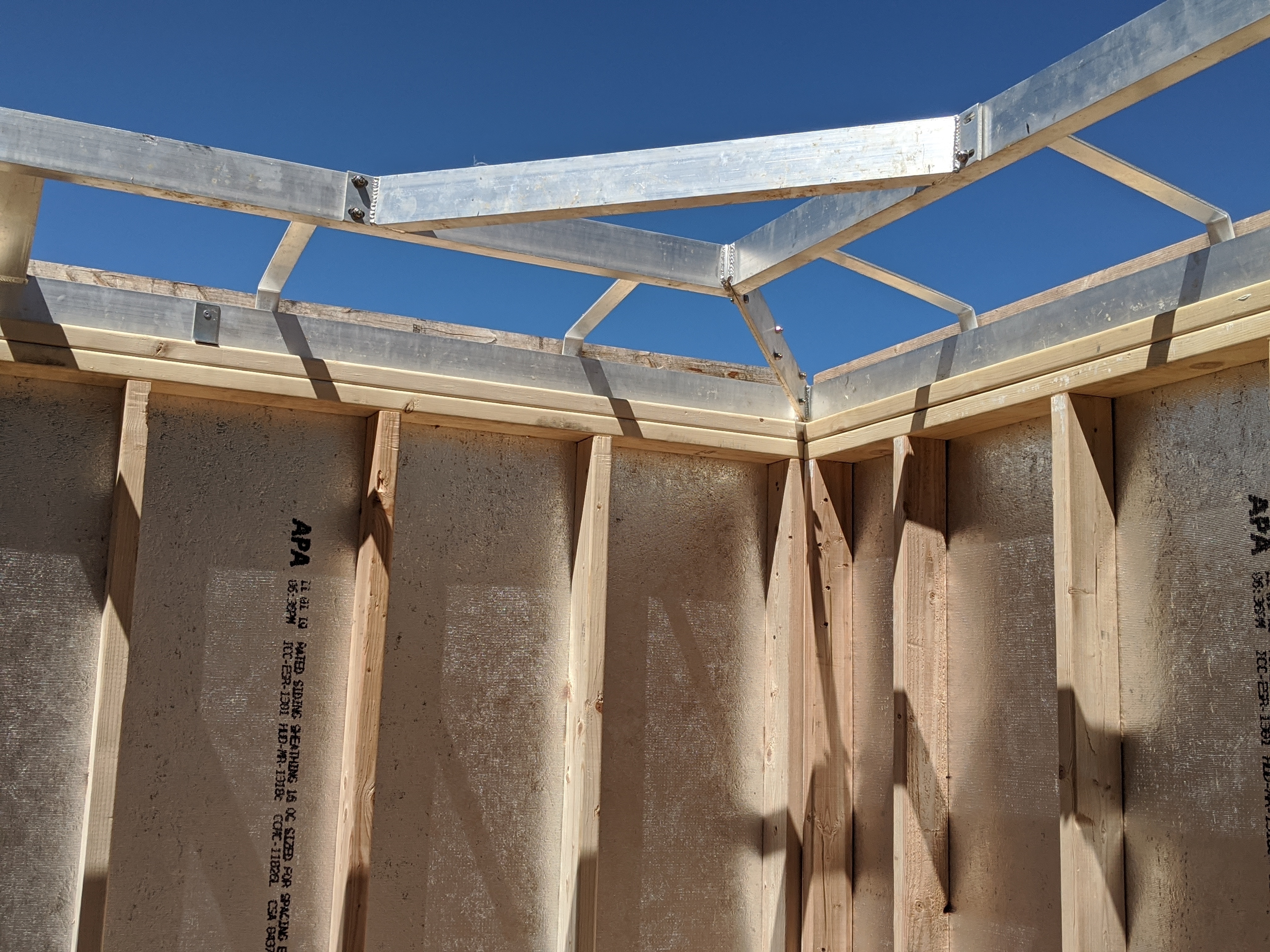
May 11, 12:32 PM. I convinced my athletic son to come along on the next trip. The time was changed from 8:30 am to 10:00 am due to factory issues. My wife, my son, and I arrived on time, and the two installers from Tuff Shed were there. I had talked to them about helping with the dome installation on their last visit. Once the walls were up, we had to install the trusses and braces before adding on covers, the dome support ring with rotation wheels, and the dome itself.
This time, the walls were in halves. Ed, my son, and I carried one half-wall up that steep hill and decided that one was enough. One of the installers carried a similar wall piece up alone — at 6,200 feet altitude! He was a bit winded after this exertion. Within an hour, the walls were up. To me, they were beautiful. They spent some time with the trim and touching up the paint. On to the dome!
The observatory walls.
We had many holes to drill as well as various bolts, nuts, and screws to install. It took hours, and we decided to call it quits around 5pm. We paid the two guys cash, including a nice bonus. They really were worth it. Everything was up except for the dome itself. Our future included lifting 180 pounds of dome and attached equipment eight feet onto the top of that shed. I definitely had some trepidation regarding this effort. How many people would be necessary for the lift? Would we incur any damage? Continue reading →
REGISTRATION IS OPEN
Learning Technologies Summer Forum 2020
A week of online learning collaboration, 13 – 17 July 2020
This year the 2020 Learning Technologies Summer Forum (#LTSF20) will take place online, looking at some of the key topics we examined at February’s conference. Once again, the Summer event is an opportunity to interact, experiment and try some new things together.
The Summer Forum has always focused on the practical and on sharing experience, and we’ve never been afraid to try out new things. This year, as well as going entirely online, we’re experimenting with the online conference format, providing a main structure around which other things will happen, including discussions on Twitter, the chance to catch up with speakers after their talks, and more.
We have great speakers and facilitators and over 20 sessions during the week covering all aspects of workplace learning. But the great content is only half the story. The L&D community is all about sharing, and we know that we’ll have great input from – and interaction with – everyone who attends. Continue reading →
June 19, 2020 – AASA, The School Superintendents Association, the nation’s premier organization representing and supporting superintendents and other public school district leaders, is pleased to release today a consensus-driven set of guidelines for reopening schools effectively in the COVID-19 environment.
“Perhaps the most striking outcome of the task force discussions is a universal commitment to transform the crisis we are facing into the opportunity to transform public education as we know it,” said Daniel A. Domenech, executive director, AASA. “We will continue to update this report as changes occur at federal, state and local levels. As part of this process, we invite superintendents and staff to share their success stories and updates on emerging issues confronting them in this process of reopening and transforming public education.” Continue reading →
By Harry Keller
Former ETCJ Science Editor
& President of SmartScience
Let me tell you about over-excavation in case you have never heard of it before.
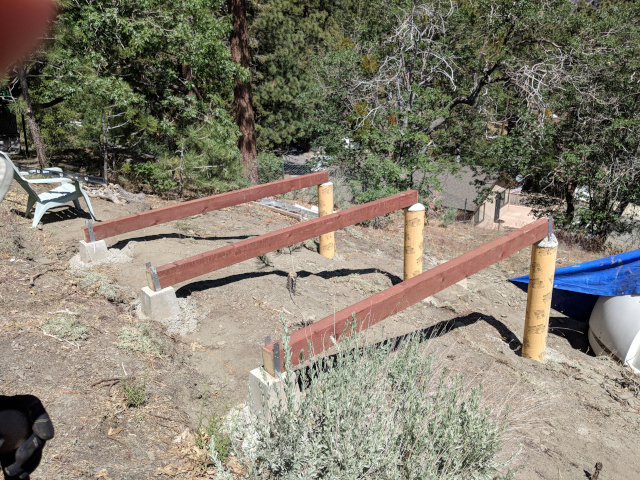
May 10, 8:36 AM. With a building permit approved and issued, we could move ahead with ancillary structures, which meant our 10’x10′ observatory. Here’s how we arranged everything. We paid Tuff Shed for a 10’x10′ standard shed without a roof attached. Because of the extra charge for the awkward location, it cost about the same as it would have with the roof.
AWS (Amazon Web Services) Public Sector Online Summit
Deepen your cloud knowledge online
June 30, a day of complimentary, virtual learning from the comfort of your home. Learn about the latest cloud technology and build your skills in over 25 sessions. Dive into tech demos and chat live with local AWS experts. Whether you’re a beginner or a superuser – sign up to learn something new.
AASA Survey: No Timetable Yet Regarding When Schools Will Reopen: More Than Half of Districts Lack Adequate Internet Access
June 16, 2020 – An overwhelming majority (94%) of superintendents nationwide indicate they are not ready to announce when their schools will reopen or resume in-person instruction, according to a survey released today by AASA, The School Superintendents Association.
In response to the COVID-19 pandemic, AASA issued a nationwide coronavirus school response survey to provide federal, state and local policy makers with data about how districts are adapting and responding to the virus, about prolonged closings, and about the resources and information superintendents are relying on. The results being released today are from the second iteration of this survey, which collected more than 500 responses from 48 states. Continue reading →
By Harry Keller
Former ETCJ Science Editor
& President of SmartScience
I do feel some trepidation about these visits to my doctor and dentist.
May 29, 2020 at 7:59 AM. It may not seem like much to most people, but big changes are underway here in the South Bay of Southern California. The beaches are open. You can walk or run on the sand without worrying about being hit with a $1,000 fine. You are not allowed to picnic or sunbathe but can even go in the water to swim or surf.
I am being a coward about this new opening and staying at home. My wife and I are in the age group that experiences 50% mortality if infected. While I think that this mortality is mostly due to underlying conditions accumulated during life, I would rather not take chances. I am not interested in becoming sick even if I survive and am even more concerned about my wife. Perhaps, I am just succumbing to the concept that others are more likely to die than am I, but I would be devastated were she to sicken and die because I did not take adequate precautions.
I now have four masks for $25 and from a local business. They are cloth, comfortable, and washable.
We have some new cloth masks now. Finally, someone started making them affordable. Our disposable masks may now be disposed of. What is affordable? That will vary. For me, $25 per mask was way too much. I recoiled from paying $100 for four masks. I now have four masks for $25 and from a local business. They are cloth, comfortable, and washable. We have two to wear while two can be in the wash. I just wish that I could have had a color other than black. Continue reading →
EDTECH WEEK 2020 convenes thousands of innovators, educators, and entrepreneurs to address challenges of COVID-19 for PreK-12 and higher education
Speakers include Angela Duckworth, Wendy Kopp, Reshma Saujani, and many more
What: EDTECH WEEK 2020 is a series of remote learning and networking events for the education and workforce learning community.
Why: To address urgent questions facing our community due to the striking impact of COVID-19, including:
How can schools reopen safely?
What role do parents play as we transition to a new normal?
How can we support the emotional needs of students and teachers?
Will this moment allow us to create a more equitable education system?
What is the future of higher education?
What new jobs will arise and how will we retool our workforce?
How will new innovations find funding and resources?
And much more!
Who: Produced by Catalyst @ Penn GSE + StartEd, EDTECH WEEK 2020 brings together educators, innovators, researchers, thought leaders, students, and entrepreneurs.
When/Where: Monday, June 1 through Thursday, June 4, 2020. Programming will be offered from 10:30 a.m. to 6 p.m. EDT. Visit edtechweek.com to register for free.
Today’s announcement comes following the creation of the AASA COVID-19 Recovery Task Force, comprised of superintendents from across the country charged with recommending solutions for our nation’s more than 13,000 school districts on how schools will reopen and what they will look like in the aftermath of the pandemic. Continue reading →
By Harry Keller
Former ETCJ Science Editor
& President of SmartScience
We are stopped cold by someone who reviews septic systems.
May 8, 2020, 9:33 AM. I first had to have a topological survey done. This is not an official survey but is much more precise. Amazing! The issues arise from legal considerations. I cannot even begin to explain what a monumental mental task it is to fit a house into a hillside and meet all of the county’s requirements. So, I won’t bore you with slopes and runoff and the rest.
I have a structural engineer, a rarity in the high desert, who designed the first foundation. We changed things so much that we had to have another one. Our foundation was now projected to be ten feet high due to the slope of the hill in which we planned to site our house. Our structural engineer looked at the as-yet-unapproved grading plan and told us that a seventeen-foot foundation was necessary. That’s huge! The cost of the foundation just went ballistic. The retaining wall portion had to be twelve inches thick. The footings are immense. We now have to walk up seventeen feet of stairs instead of eight feet, and we have to pay for those extra steps. Continue reading →
The Center for Excellence in Education (CEE) is hosting “Small Foundation, Big Achievements: How science and technology are meeting the challenges of pandemics…present and future”, a 90-minute virtual panel discussion.
Date: Thursday, May 14, 2020
Time: 4:00-5:30 p.m. ET
The panel will be moderated by Aaron Kesselheim (RSI ’91), M.D., J.D., M.P.H. Professor of Medicine, Harvard Medical School, and include distinguished alumni of CEE’s Research Science Institute:
Lauren Ancel Meyers (RSI ’90), Ph.D., Professor of Integrative Biology, The University of Texas at Austin
Ben Silbermann (RSI ’98), Co- Founder and CEO of Pinterest
Patrick Tan (RSI ’86), M.D., Ph.D., Principal Investigator, Cancer Science Institute of Singapore, NUS and Professor, Cancer and Stem Cell Biology, Duke-NUS Graduate Medical School Singapore
Feng Zhang (RSI ’99), Ph.D., Investigator, MIT McGovern Institute and pioneer of the revolutionary CRISPR gene-editing technology
“I’m so proud of CEE’s Research Science Institute alumni, who personify CEE’s role in nurturing excellence in STEM research,” said CEE’s President Joann P. DiGennaro. “This event will provide viewers with informative and consequential facts, and expose the results of the Center’s STEM programs to nurture the next generation of global scholars.”
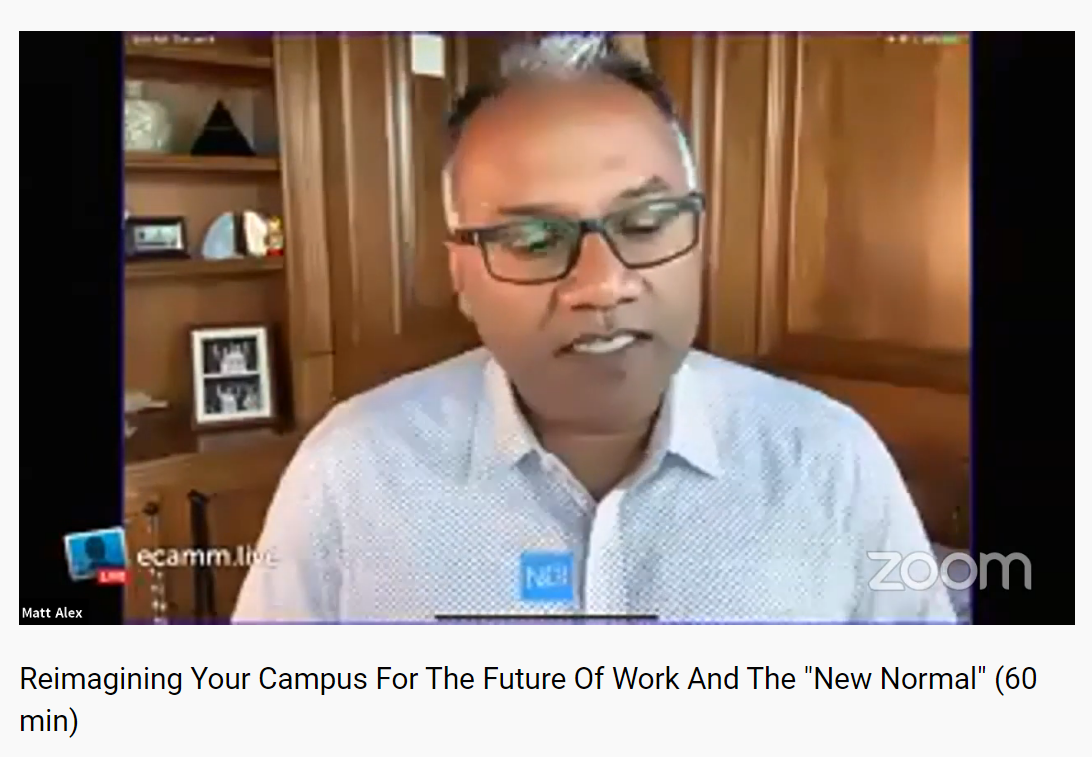
I participated in this League for Innovation in the Community College webinar, “Reimagining Your Campus for the Future of Work and the ‘New Normal,'” featuring Matt Alex of Beyond Academics, this morning (12 May 2020) at 9:00 AM (Hawaii time). As promised, the League’s Cynthia Wilson and Rufus Glasper have posted the video recording in YouTube for all to enjoy. Please make the time to watch this. It runs approximately 60 minutes.





















 Educational Technology and Change Journal
