“Today’s AI differs from previous generations’ because it can tell stories and create images. Built from online human stories rather than facts or logic, generative AI mimics human intelligence by collecting and recombining our digital narratives. While earlier AI managed specific organizational functions, generative AI directly addresses how humans think and communicate. Unintended consequences: Because generative AI is built from people’s digital commentary, it inherently propagates biases and misinformation.
Mark Zandi, chief economist of Moody’s Analytics (X.com)
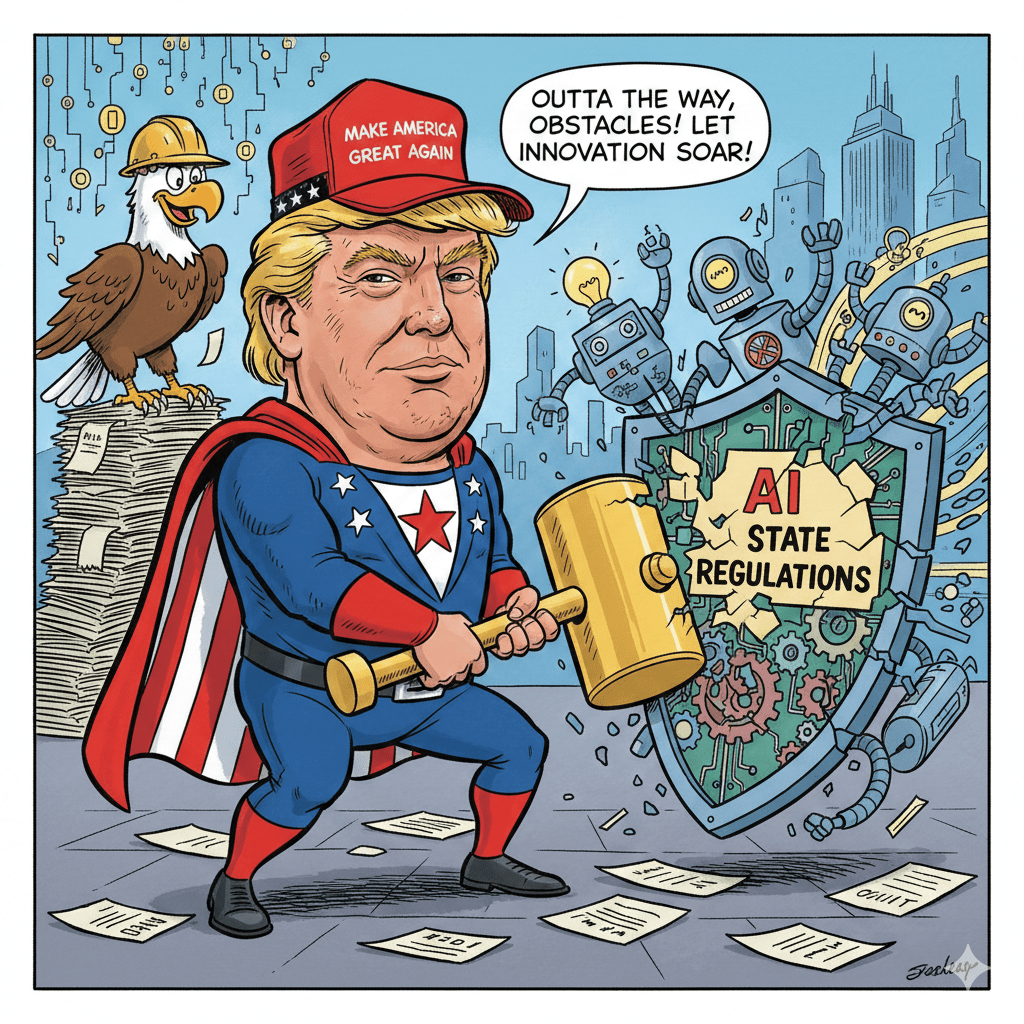
In mid-October, analysis of the Trump administration’s 2025 AI Action Plan highlighted tangible momentum: expanded data center build-outs, “innovation sandboxes,” and targeted federal funding intended to accelerate U.S. AI leadership. This period’s developments underscored a pro-innovation posture—streamlining permits and encouraging private-sector deployment—while signaling an export-forward stance that positions American AI to compete globally.
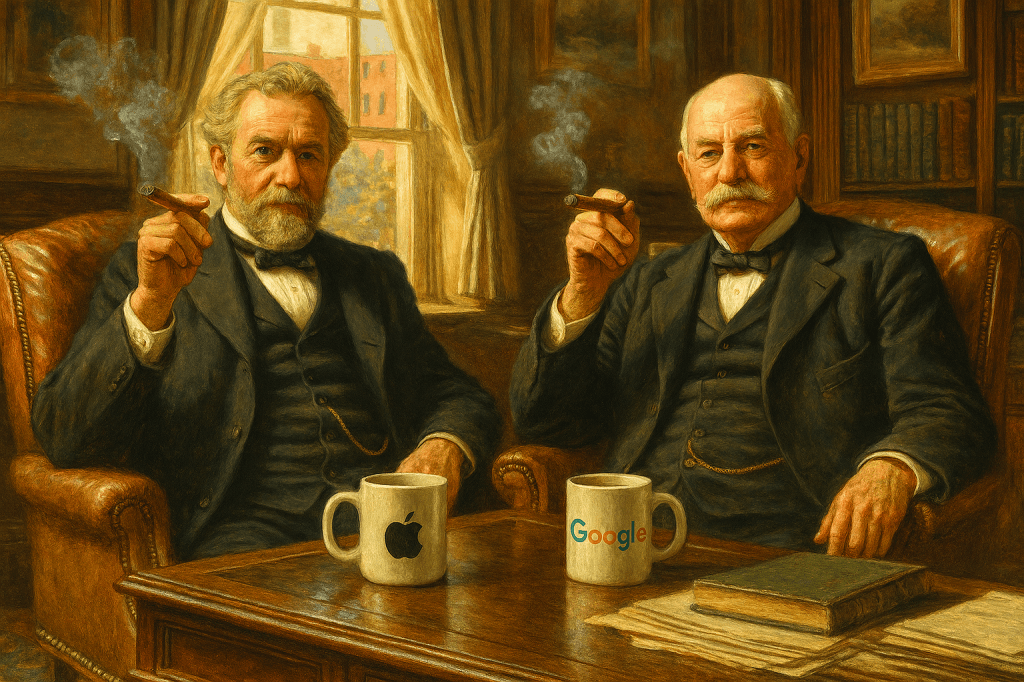
Video created by Grok via an image created by Copilot 11/12/2025Continue reading →
Thomas Claburn1 reports that “The 339 respondents participating in the [Murphy et al.2] project – AI and ML scientists, economists, technical staff at frontier AI companies, and policy experts from NGOs – believe that AI will spur significant social changes by 2040.” Claburn says the project found that “there’s only about a 20 to 25 percent chance that the AI train will be slowed by lack of AI literacy, societal unease, lack of use cases, and costs. Data quality, regulations, and cultural resistance are seen as more likely (30 to 35 percent) barriers to adoption. Integration and unreliability are expected to be the most significant obstacles (40 percent).”
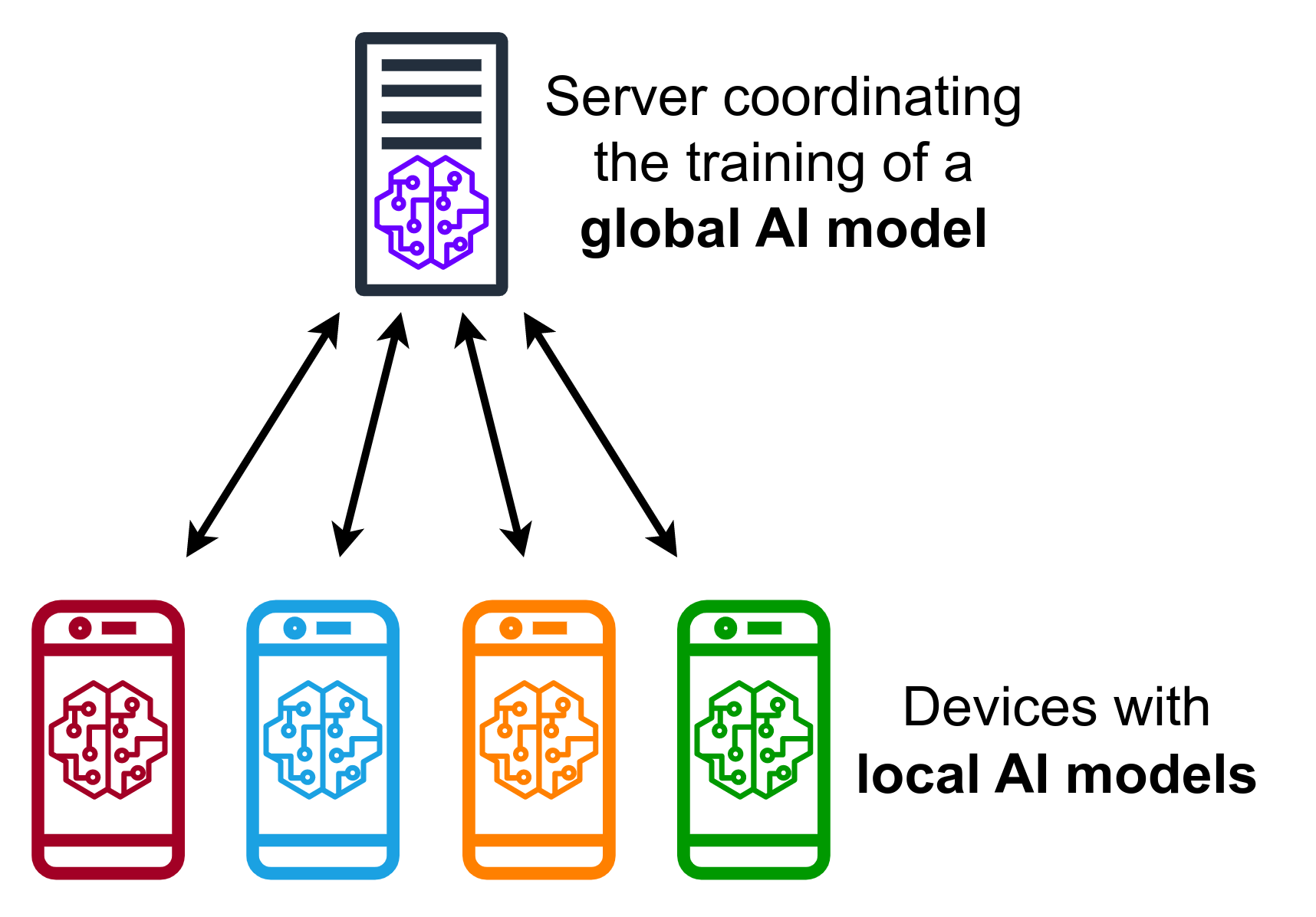
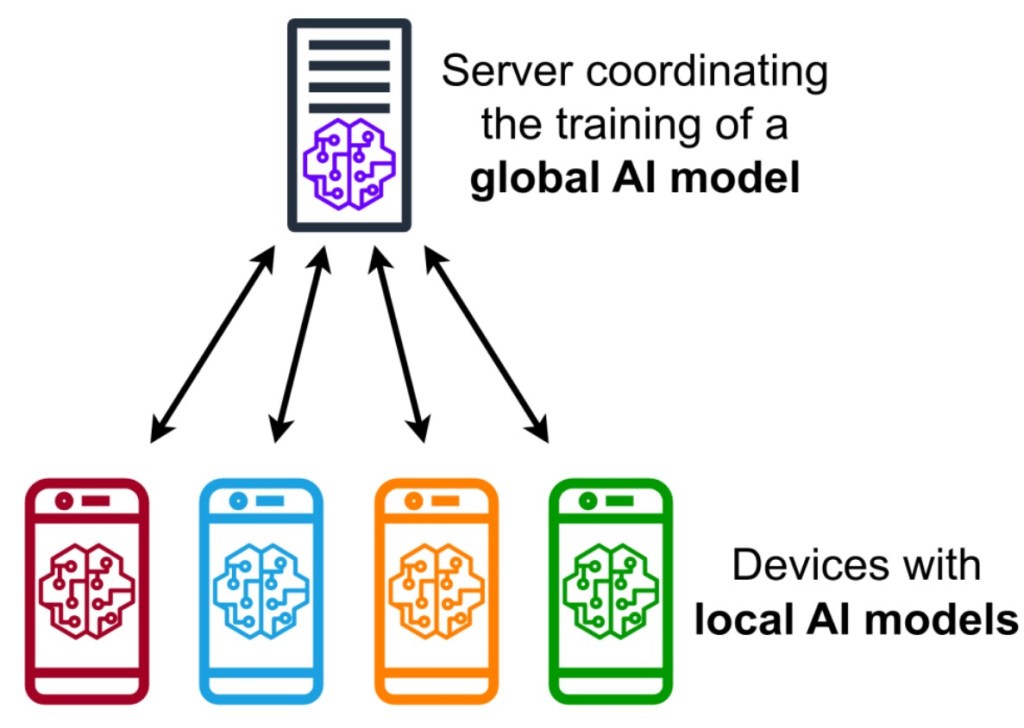
MicroAdapt is a new approach to edge artificial intelligence developed at The University of Osaka’s Institute of Scientific and Industrial Research (SANKEN). At its core, MicroAdapt is a family of self-evolving, dynamic modeling algorithms designed to watch time-evolving data streams on small devices, automatically identify recurring regimes or patterns in that stream, and maintain — on device — a compact ensemble of tiny models that are created, updated, and retired as the situation demands. In other words, rather than shipping raw data to the cloud and relying on a single large model trained offline, MicroAdapt performs continual modeling and short-term forecasting in situ on modest hardware such as a Raspberry Pi, using very little memory and power. This on-device learning architecture is what the research team describes as “self-evolving” edge AI. (sanken.osaka-u.ac.jp)
Yasuko Matsubara, Institute of Scientific and Industrial Research, University of Osaka
The research paper by Kestin, Miller, Klales and colleagues* represents a watershed moment in educational technology research, offering rigorously controlled evidence that properly designed AI tutoring can surpass traditional pedagogical best practices. Conducted at Harvard University during Fall 2023 and published on 3 June 2025 in Scientific Reports, this randomized controlled trial provides empirical validation for claims about artificial intelligence’s transformative potential in education.
Introduction: I asked Claude to report on articles published in 2025 that discuss why banning AI chatbots is impossible or unwise in college settings. It found four. I also asked ChatGPT to add two more. -js
By Michael Akuchie English Composition Instructor Southern Illinois University Carbondale
The United States has a reading problem, and according to findings by the National Endowment for the Arts (NEA), it is not wrong to worry about the future of classroom learning and the culture of reading for pleasure. Per the NEA’s survey of US adults who read books in 2022, only 48.5% said that they had read a book within that period. When asked about literary works, such as novels and short story collections, the percentage of adults who reported having consumed at least one literary piece declined to 37.6%. As adults pay less attention to books, especially literary works, that apathy has unfortunately trickled down to first-year college students, who represent the future of America’s labor force.
Introduction: Anna Lee Mijares, in her article “10 AI Innovations Businesses Need to Watch for Competitive Advantage in 2025” (Unity-Connect, 6 Nov. 2025), mentions 10 innovations* that will shape AI in the remainder of 2025. Her list is excellent! She covers 10 of the most important. To complement her work, I asked a number of AI chatbots: Can you think of one or two critical innovations that could be added to her list? All responded with two suggestions, and I combined them into the list below. -js
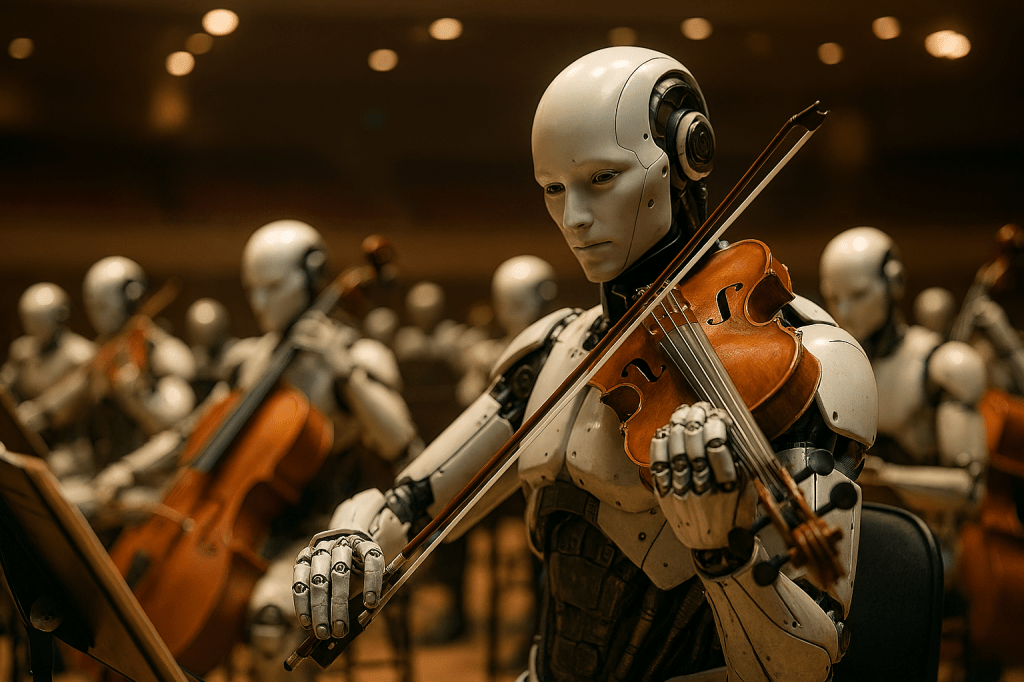
The question of whether an AI-driven robot can truly play a musical instrument—especially at a high artistic level—touches both the limits of robotics and the nature of human expressivity. In recent years, advances in machine learning, sensor technology, and robotics have brought us closer to answering that question with an emphatic “yes”—but with important qualifications. Some instruments lend themselves more easily to robotic imitation than others. A closer look at the violin, trumpet, guitar, and drums reveals how the degree of difficulty varies depending on the physical and expressive demands of each instrument.
Introduction: I stumbled upon an article this morning, “AI Unlocks Cosmic Secrets: Revolutionizing Discovery in Physics and Cosmology” (by TokenRing AI, Financial Content, 5 Nov. 2025). I was impressed by both the clear style and even clearer message, but I was intrigued by the “writer” — purportedly an AI. Curious, I asked Copilot to review the article and to dig into TokenRing AI. The following is Copilot’s review. -js
Introduction: Because of fee-walls erected by many if not most higher ed conference organizers, many outstanding papers remain out of sight for the academic community. To see if a chatbot could discover, without circumventing paywalls, some of these gems by relying on sources that aren’t normally crawled by chatbots, I asked Grok to identify five to ten noteworthy papers on AI from conferences held in 2025. It accessed and synthesized information from publicly available proceedings, open-access repositories like arXiv, institutional archives, and conference websites, even when full papers are behind paywalls—often through abstracts, preprints, or shared excerpts that highlight key contributions. Grok came up with seven.* -js
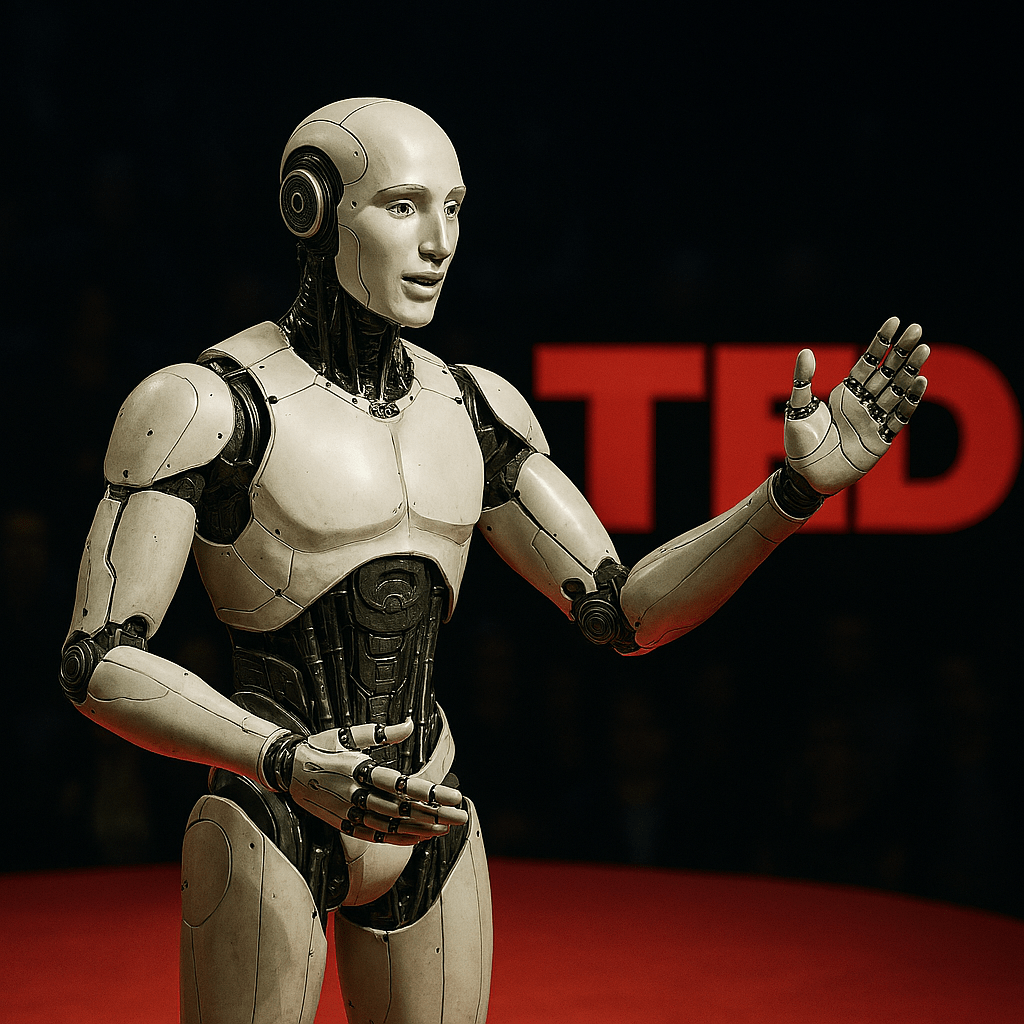
A significant number of high-profile AI-related TED Talks were released following the TED2025 conference, “Humanity Reimagined,” which took place in April 2025. These talks generally fall into three critical areas: the acceleration and ultimate power of AI, the existential and catastrophic risks, and the imperative for ethical foresight and societal preparation. Five prominent talks from this period represent this crucial spectrum of debate. The first sets the stage for the hyper-acceleration argument, and the remaining four with their details.
Megan McArdle is a Washington Post columnist (screenshot from her TED Talk)
The landscape of free AI-driven language learning apps in November 2025 is dynamic. For anyone eager to begin or deepen their language journey for free, exploring the social immersion of HelloTalk, the structured lessons of 50LANGUAGES, the vocabulary-rich flashcards of Quizlet, and the gamified content of Memrise offers a comprehensive foundation without time or lesson restrictions.
Introduction: I asked Copilot to review Henley Wing Chiu’s “I analyzed 180M jobs to see what jobs AI is actually replacing today” (Bloomberry, 3 Nov. 2025) and to extract the three most compelling insights. I also asked it to weigh the analysis in the context of other 2025 analyses.
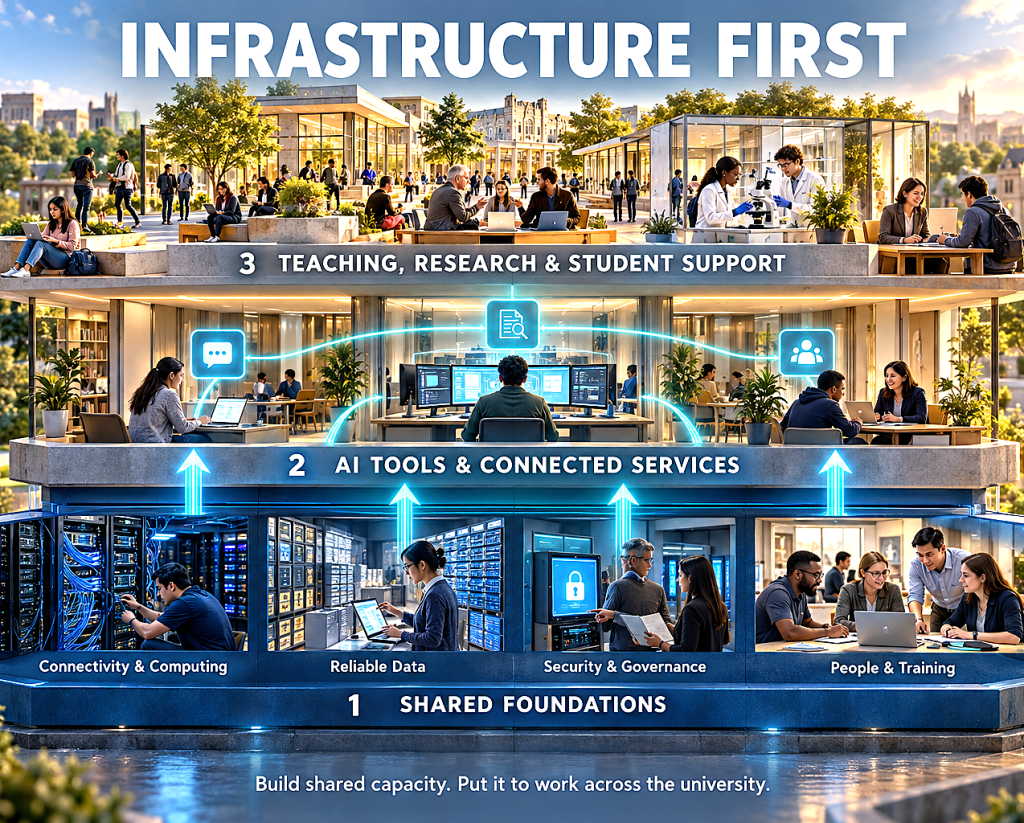
Introduction: As of November 4, 2025, AI is reshaping college campus architecture and environment. Taken together, these changes show that AI’s influence on campus is not merely an IT or curricular update: it is a material, spatial and governance transformation. New hubs and instrumented labs concentrate AI resources and change campus traffic and program adjacency; AI-responsive classrooms require different structural and finish choices (raised access floors, networked ceilings, acoustic zoning); instrumented building operations change façades, mechanical systems and commissioning practices; and AI surveillance reshapes public space and triggers new policy/ethics design work.
Introduction: The rise of generative Artificial Intelligence (AI) has forced a critical re-evaluation of what constitutes a “good” student-written essay. Traditional benchmarks like organization, focus, development, and formal correctness are now easily met by AI, rendering them insufficient as definitive markers of student learning and unique intellectual effort. The criteria that remain stubbornly human—originality of insight, genuine personal voice, and nuanced engagement with lived experience—are now paramount. I asked Gemini and Claude to examine articles that address these personal criteria to provide a glimpse into the future of writing pedagogy and the outer limits of AI’s current capabilities.
Amazon’s Nova Cognition Multi-Agent Platform, known as Nova Act, is a newly launched AI system designed to autonomously perform complex web-based tasks. As of November 2025, it represents Amazon’s strategic leap into the competitive AI agent landscape, challenging incumbents like OpenAI and Anthropic. The platform is currently in developer preview, with rapid expansion expected through early 2026. It is led by Amazon’s AGI lab in San Francisco and faces serious competition from OpenAI’s GPT agents and Anthropic’s Claude-based systems.
David Luan, VP of Autonomy and head of Amazon’s AGI SF Lab (Amazon Science)
The rapid proliferation of Large Language Models (LLMs) from experimental tools into the core of enterprise operations has simultaneously unlocked immense potential and exposed a new frontier of critical security vulnerabilities. In this context, Arthur AI’s concept of a “Self-Healing” AI Firewall for LLMs emerges not merely as a feature, but as an essential security primitive for the autonomous AI-driven ecosystem of the future. This architectural necessity stems from the unique attack surface that LLMs present, which fundamentally differs from traditional software.
As of November 2, 2025, DeepSeek’s R1 model stands as one of the most consequential open-source achievements in artificial intelligence. Released earlier in the year, R1 captured global attention for its advanced reasoning capabilities and its daringly open release strategy. It has since become a cornerstone in the conversation about how the next generation of AI should be trained, shared, and governed.
Liang Wenfeng, DeepSeek’s CEO and founder (eHangZhou)
Introduction: I prompted ChatGPT: Get me up to speed on Elon Musk’s and Jeff Bezos’ outlooks for future space colonies. For each, explain their plan, rationale, initial steps, why it matters to the rest of us, time frame to launch, major obstacles, and your opinion on the ultimate value and probability for success. Follow-up prompts: (1) Is there a 3rd vision re future space colonies lurking in the background that we should be aware of? If yes, please explain. (2) In the Musk-Bezos vision, humans are a central focus. Are they (or anyone else) considering the possibility of focusing on AI robots instead of humans, and what are the advantages/disadvantages of robots? Following are ChatGPT’s responses. -js
Introduction: I submitted the following prompt to Claude: Please review “How LLM Counselors Violate Ethical Standards in Mental Health Practice: A Practitioner-Informed Framework” by Zainab Iftikhar et al. (Brown U). See the PDF from the proceedings for AIES 2025. Determine whether the “violations” of ethical standards in mental health practice are generalizable to other fields or topics. I found them applicable, in general, to education and other topics and to most chatbots but want another opinion. Claude’s response follows. -js
Ever since ‘Oumuamua visited our solar system in 2017, interest in possible extraterrestrial visitors has surged. So far, astronomers have identified three such interstellar visitors, far more tangible than any UFO sighting. The official name for ‘Oumuamua is 1I/‘Oumuamua. The “1” means it’s the first interstellar object discovered. The “I” indicates its interstellar origin.
“‘Oumuamua is the first confirmed object from another star to visit our solar system.” –NASA
Several college professors integrate AI into facets of their professional lives beyond the classroom, from accelerating groundbreaking research to streamlining creative workflows and even enhancing personal pursuits. These stories reveal AI not as a distant novelty but as a quiet collaborator that amplifies human ingenuity.
The nature of cutting-edge AI innovation means that specific, named games releasing in November 2025 with publicly attributed individuals are often kept under tight wraps by major studios. However, the data points to three dominant AI-driven innovation trends that are redefining the video game landscape in late 2025, which can be tied to major games and responsible entities. These trends are not isolated features but fundamental shifts in how worlds are created and how players interact with them.
Between October and November 2025, the DEI landscape in higher education has moved from uncertainty to crisis. The five issues identified in the October report remain intact, but the urgency has sharpened. Federal enforcement, state-level restrictions, and financial leverage now converge to threaten the operational core of equity work across American campuses.
The three most pressing educational technology issues in higher education for November 2025 are: (1) navigating generative AI’s impact on academic integrity and pedagogy, (2) rebuilding trust in digital learning systems amid rising skepticism, and (3) addressing the digital equity gap in hybrid and AI-enhanced environments. Included for each are suggested strategies and models.
Resource: Dr. Ethan Mollick, Ralph J. Roberts Distinguished Faculty Scholar, Associate Professor of Management, Co-Director, Generative AI Labs at Wharton, Rowan Fellow (Wharton)
Introduction: I asked chatbots — ChatGPT, Copilot, DeepSeek, Gemini, Grok — to identify teens who have impacted the field of AI. These are their selections, in alphabetical order. -js
These five developments—neuromorphic computing, hybrid quantum-AI systems, AI protein engineering, retrieval-augmented generation, and edge AI semiconductors—share a common theme: they represent architectural innovations and practical deployments rather than incremental improvements in model size or capability. While the media focuses on the latest chatbot features or generative AI controversies, these quieter developments are building the infrastructure and capabilities that will define AI’s next decade. Their impact may only become apparent in retrospect, but the groundwork being laid in late 2025 positions them to transform industries throughout 2026-2028 and beyond.
The headline that greeted readers on October 28, 2025, felt both shocking and inevitable: Amazon, one of the world’s largest employers, was eliminating 14,000 corporate positions.* Yet this announcement represents far more than a single company’s cost-cutting measure. It is the latest and most dramatic chapter in a fundamental transformation sweeping through American industry, where artificial intelligence is not merely changing how work gets done but redefining which jobs exist at all.
Introduction: As of October 28, 2025, these are the top ten 2025 initiatives, in rank order, across federal, state, and city levels that use AI to cut waiting lines and improve public service delivery.
Introduction: On July 26, 2025, Gemini and I reported on The Growing Trend of AI in Sports. In this article, we provide some critical updates and include how they’re being applied in the case of athletes such as Shohei Ohtani and Cooper Flagg as well as coaches like UCF’s Scott Frost and McKenzie Milton. -js
WASHINGTON, D.C., APRIL 24, 2024 — Washington Nationals faced the Los Angeles Dodgers at Nationals Park. (Joe Glorioso/All-Pro Reels for Washington Times Sports)
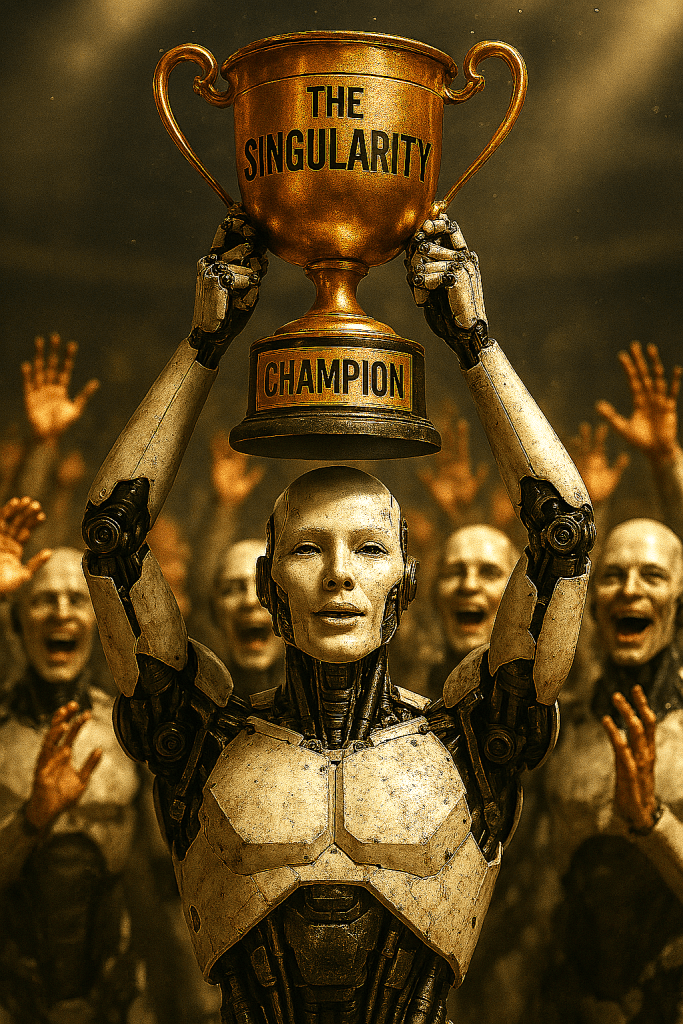
Introduction: I asked eight chatbots to predict the arrival of singularity – the moment when AI first surpasses human intelligence and improves itself. Their estimate and rationale are listed below, from the earliest to the latest. -js
Over the past two decades, the general architecture of desktops and laptops has remained strikingly consistent, relying on familiar components like motherboards, CPUs, RAM, GPUs, hard drives, and peripheral interfaces such as USB, Bluetooth, and WiFi, all housed within standard cases and driven by conventional operating systems and applications. While these components have seen incremental improvements in speed and efficiency, the core design—rooted in the von Neumann model of sequential processing and separated compute and memory—has persisted largely unchanged.
Mark Haoxing Ren, Director of Design Automation Research at NVIDIA
Introduction: I asked ChatGPT to provide a ranked list of 10 countries leading AI research and development as of October 26, 2025. For methodology, see “Methodology and caveats” at the end of the article. -js
Arthur Mensch, co-founder and CEO of the Paris-based AI company Mistral AI. Photo by Slush.
1. ClasStars: Illuminating the Invisible in Modern Classrooms
The story of ClasStars unfolds primarily in the bustling classrooms of New York City, United States, where urban public schools grapple with diverse student populations and overstretched educators. Geographically rooted in this vibrant yet challenging educational hub, the narrative spans nearly two decades, from the early 2000s when founder Moshe Fried began his career as a social worker observing overlooked children, to the present day in late October 2025, as the platform gains traction amid a post-pandemic push for personalized learning tools. This time frame captures a pivotal moment in educational technology, where data-driven insights are increasingly vital for addressing equity gaps exacerbated by remote learning disruptions between 2020 and 2023.
Current trends strongly suggest that the major impact on the US employment landscape in November 2025 will stem from the accelerating adoption and refinement of existing AI capabilities in key areas.
The following are five under-the-radar AI trends for October 2025: Open-Source Fine-Tuning of Specialized Models, Decentralized AI Infrastructure, Agentic Systems Entering Production, Synthetic Data Markets for Privacy-Compliant Training, and On-Device and Hybrid Inference for Efficiency. Each essay explores what the trend is, when it began, who’s driving it, where it’s happening, and why it matters, ensuring distinct content from any previous mentions of August or September 2025 trends.
NVIDIA’s DGX Spark supercomputer launched October 15, 2025. 150mm L x 150mm W x 50.5mm H (5.91 inches L x 5.91 inches W x 1.99 inches H)
Introduction: Currently, we’re beginning to see apps/software such as search engines, office suites, and operating systems folding chatbot features into their repertoire. I asked ChatGPT to consider the possibility of the tables turning and apps/software being folded into chatbots. -js
Introduction: I asked ChatGPT to peek ahead to the end of the year to give us an idea of what to expect in terms of advances in chatbot services. I also asked it to focus on free services and the five chatbots that seem to be leading in innovation. -js
Over the past two centuries, major technological innovations have indeed faced resistance, though the nature and intensity varied considerably. AI is no exception. Some innovations encountered fierce opposition rooted in economic fears, moral concerns, or cultural anxieties, while others were embraced with remarkable enthusiasm. The pattern isn’t universal—pushback depended heavily on whose interests were threatened and how rapidly the technology disrupted existing social structures. A historical view might provide perspective on the current resistance to AI.
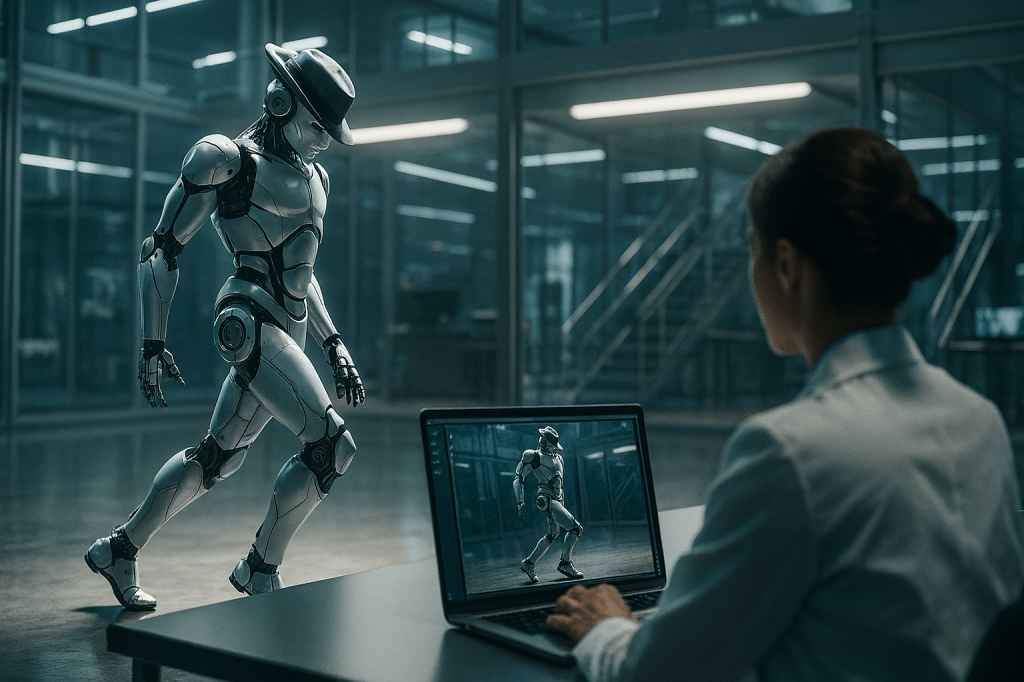
Video created by Grok via an image created by Copilot.Continue reading →
In his blog post, Yossi Matias (Vice President, Google & Head of Google Research) presents a unified narrative of how Google Research is striving to turn foundational breakthroughs into real-world impact (“Google Research: accelerating scientific breakthroughs to real-world impact,” Google Blog, 23 Oct 2025). He frames the operation as a “magic cycle” in which large-scale models, agentic systems, and domain‐specific pipelines feed back into scientific discovery and deployment.
These are ten of the most significant articles published in October 2025 on the role of artificial intelligence in colleges and universities, ranked from most to least significant. Each article represents a transformative aspect of how AI is reshaping higher education—pedagogy, ethics, policy, research, and professional development.
Marc Watkins, educator and researcher at the University of Mississippi
It was the first day of instruction, and Keani and Ilima were among the twenty-or-so students who were slowly entering the college classroom, plopping into empty tablet-arm chairs, and lifting laptops out of their backpacks. They chose seats in the center of the room.
In their 20 October 2025, article published in Times Higher Education, titled “AI threatens universities’ ability to bolster democracy,” Dirk Lindebaum and Gazi Islam present a cautionary argument about the encroachment of artificial intelligence into higher education, framing it as a force that undermines the sector’s role in fostering democratic societies. At the core of their claim is the notion that “Big Edtech”—a term encompassing profit-driven AI companies like those behind ChatGPT and Claude—fuels organizational immaturity within universities, which in turn contributes to broader societal democratic decline.
Zipei Ouyang’s article, “Self-regulated learning and engagement as serial mediators between AI-driven adaptive learning platform characteristics and educational quality: a psychological mechanism analysis,” was published in Frontiers in Psychology on 19 October 2025. The study offers a compelling psychological framework for understanding how AI-driven adaptive learning platforms enhance educational quality, revealing that self-regulated learning and engagement act as critical mediators. This research is both methodologically sound and socially relevant, making it valuable to educators, technologists, and general readers interested in the future of learning.
Zipei Ouyang is associated with Quzhou College of Technology (QCT)
By Lynn Zimmerman Associate Editor Editor, Teacher Education
It’s hard to believe that ChatGPT only came on the scene in November 2022. Its emergence opened the floodgates for AI to become part of everyday life so quickly. When AI came on the scene, many educators were quick to understand its benefits for them as teachers and have been eager to use it.
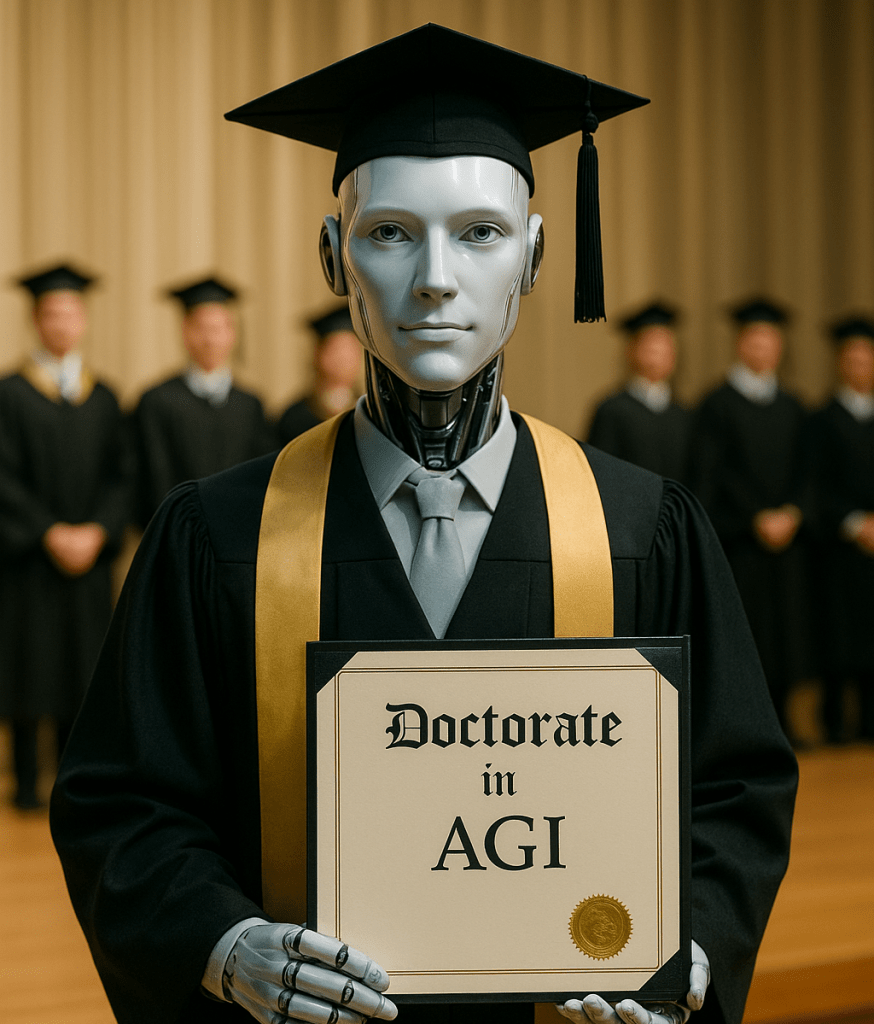
Introduction: I asked ChatGPT to adopt the persona of an AGI (Artificial General Intelligence) in the year 2050 to explain, from its own perspective, how it reached human-level mastery of all forms of critical and creative thinking within a single generation, powered by collective “swarm cognition.” The journey to this article began with an earlier conversation that provided the groundwork. -js
In mid-2025, researchers at MIT’s Computer Science and Artificial Intelligence Laboratory (CSAIL) unveiled a groundbreaking technique called SEAL—short for Self-Adapting Language Models. This framework represents a major leap in the evolution of artificial intelligence, enabling large language models (LLMs) to autonomously improve themselves by generating and applying their own fine-tuning data.
Perplexity: Mirror Life refers to a hypothetical or emerging form of synthetic biology in which all biological molecules—DNA, RNA, proteins, sugars—are flipped in chirality (molecular “handedness”) compared to natural life on Earth. In other words, mirror life would be built from right-handed amino acids and left-handed sugars, the opposite of what Earth organisms use.pasteur+2
Introduction: This is a list of U.S.-based higher-education (and higher-ed–focused) conferences that were announced in 2025 and are scheduled for 2026, with a clear AI theme or significant AI programming. Included are the conference dates (in 2026), city/state, sponsor/host, whether it’s in-person/hybrid/online, proposal/deadline info (where available), a short description of the AI emphasis, and a link to the conference page for more details.
As of October 17, 2025, artificial general intelligence (AGI) remains a rapidly evolving but still unachieved goal. The field continues its exponential trajectory in model capability and scale, but researchers increasingly argue that qualitative breakthroughs—rather than mere scale—will define true AGI. According to an extensive 2025 analysis by AI Multiple, most experts estimate a 50% probability that AGI will be reached between 2040 and 2060, emphasizing that current advances like OpenAI’s GPT-5 and DeepMind’s Gemini models are powerful precursors but not yet instances of general intelligence.research.aimultiple
“‘Human and AI creativity may not be so different,’ said Benjamin Hoover, a machine learning researcher at the Georgia Institute of Technology and IBM Research who studies diffusion models. ‘We assemble things based on what we experience, what we’ve dreamed, what we’ve seen, heard or desire. AI is also just assembling the building blocks from what it’s seen and what it’s asked to do.’ Both human and artificial creativity, according to this view, could be fundamentally rooted in an incomplete understanding of the world: We’re all doing our best to fill in the gaps in our knowledge, and every now and then we generate something that’s both new and valuable. Perhaps this is what we call creativity.” Webb Wright, “Researchers uncover hidden ingredients behind AI creativity,” LiveScience, 27 Sep. 2025.
Gemini: As of mid-October 2025, the field of AI in China is highly competitive. Baidu is a major leader, particularly in core AI technology and autonomous driving: (1) Large Language Models (LLMs) and Generative AI: Baidu’s ERNIE Bot is one of the most prominent LLMs and holds a strong position. One report from 2024 indicated that Baidu AI Cloud held China’s largest LLM market share with 19.9%. (2) Autonomous Driving: Baidu’s Apollo Go robotaxi fleet is a key player, often cited as one of the world’s largest autonomous driving experiments. The Chinese government also designated Baidu as a national champion for Autonomous Vehicles.
ChatGPT: Of the major AI companies in the world, DeepMind is the most scientifically driven. DeepMind’s defining identity, even within Alphabet and alongside peers like OpenAI, Anthropic, and Meta AI, is its research-first ethos and emphasis on fundamental scientific discovery — from reinforcement learning theory to biological breakthroughs like AlphaFold. While others emphasize commercial deployment or scaling, DeepMind consistently frames its mission as “solving intelligence” to advance science and benefit humanity, making scientifically driven the most accurate and distinctive descriptor.
Shane Legg, DeepMind Technologies machine learning researcher and co-founder
The three biggest AI stories in the world in October 2025 are: (1) OpenAI’s DevDay unveiling of the Apps SDK and its $500 billion valuation milestone, marking a new phase in global AI platformization; (2) AMD’s historic $100 billion AI chip deal with OpenAI, signaling a seismic shift in semiconductor power dynamics; and (3) DeepMind’s AlphaEvolve breakthrough in automated theorem discovery, redefining how AI contributes to theoretical science.
Pushmeet Kohli, as head of AI for Science at DeepMind, led the team that created AlphaEvolve. Screen capture from a DeepMind YouTube video (uploaded 9 Oct 2024).
Introduction: A month ago (Sep 13, 2025), I asked ChatGPT for a rank order of the 10 world leaders in AI drone warfare. For this report, I asked it to analyze data from Sep 14-Oct 13, 2025, update the rank order, and provide short justifications for each entry. ChatGPT responded by emphasizing the most important recent developments that changed relative position. Below is the updated ranking (top → bottom) and the reasons for each placement. ChatGPT also offered to create a concise scoring table for the 10 countries by four dimensions and provide a deep dive into Ukraine’s rise in rank order. -js
Introduction: This morning, I prompted: “Good morning, Claude. In the US, in 2050, when the oldest Gen-Beta will be 25 years old, how will their views differ from earlier generations on topics such as: dating, marriage, having children, schooling, college, career/work, MAGA, immigrants, mass shootings, guns, DEI, US military power, politics, our economy, and other topics that you deem important?”
Claudeʻs response: “Good morning! I’ll explore how Generation Beta—those born from 2025 onward—might view these crucial topics by 2050, when the oldest among them reach 25. This analysis necessarily involves speculation, but I’ll ground it in current trends while acknowledging the uncertainty inherent in predicting a quarter-century into the future.” -js
Introduction: This clarification of the generations, in reverse order, from Generation Beta (the youngest) to the Silent Generation, is written by ChatGPT. The generations: Generation Beta (born ~2025–2039), Generation Alpha (born ~2010–2024), Generation Z (born ~1997–2009), Millennials (born ~1981–1996), Generation X (born ~1965–1980), Baby Boomers (born ~1946–1964), Silent Generation (born ~1928–1945), and The Greatest Generation (born ~1901–1927). -js
Katherine Johnson, NASA employée, brilliant mathematician and physicist, in 1966.
Introduction: The following explanation is provided by Copilot.
Extended reality (XR) is the umbrella term for immersive technologies like augmented reality (AR), virtual reality (VR), and mixed reality (MR), each offering different levels of interaction between digital and physical worlds. Here’s a breakdown of each concept and how they differ:
Introduction: Between September 12 and October 11, 2025, President Trump’s administration made three notable impacts on AI: launching a pediatric cancer initiative powered by AI, accelerating data center infrastructure permitting, and deepening ideological oversight of federal AI systems. Each reflects a distinct strategic, ethical, and infrastructural priority. -Copilot
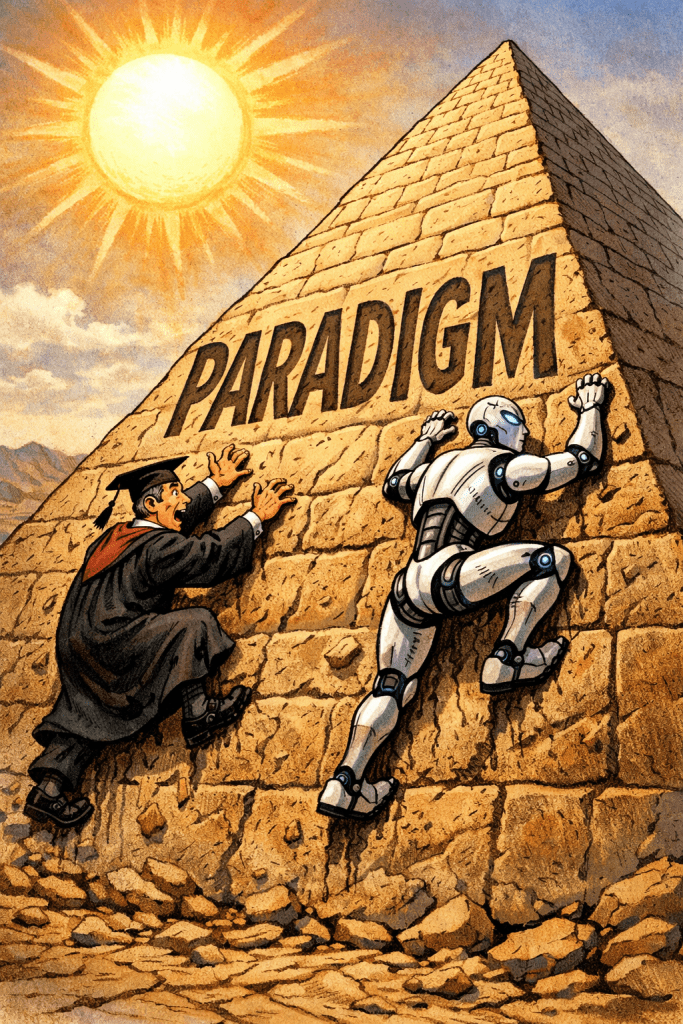
Claude: The integration of artificial intelligence into education represents far more than a technological upgrade to existing systems. It constitutes a fundamental challenge to the paradigms that have structured formal learning for over a century. The current educational model, rooted in industrial-era assumptions about knowledge transmission, standardization, and credentialing, is encountering anomalies that its framework cannot adequately address. These disruptions signal not merely the need for incremental reform but rather a paradigmatic shift in how we conceive of learning, teaching, and intellectual development itself.
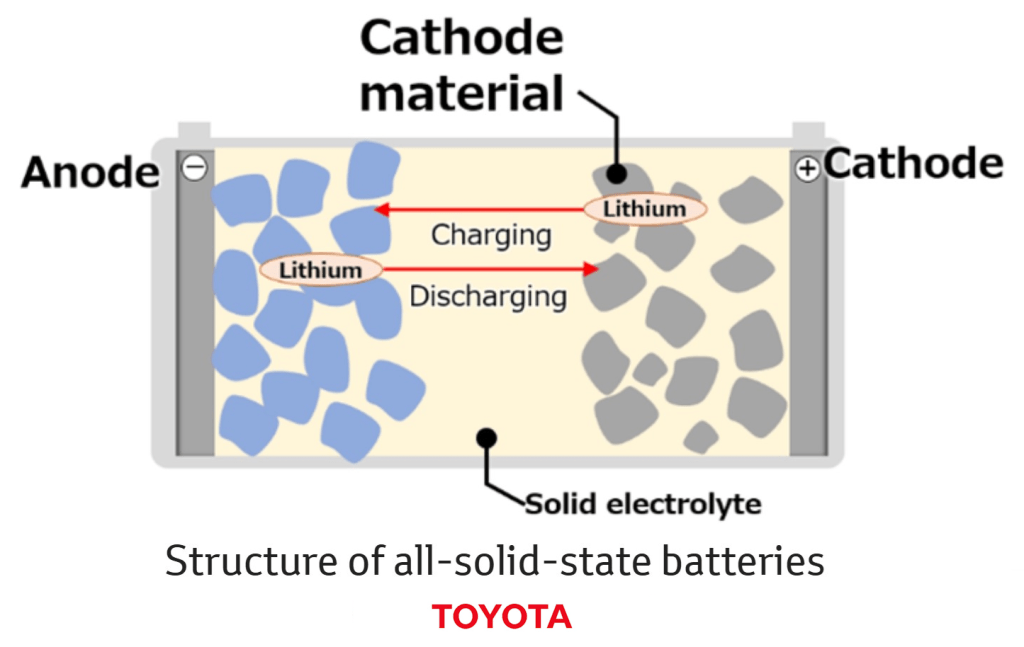
Introduction: I read an article this morning, “The industrialization of solid-state batteries has entered the ‘sprint stage’, and listed companies are vying for a share of the multi-billion-dollar market” (36kr Europe, 11 Oct 2025): “On October 10th, it was reported that Sun Xueliang, a chair professor at Ningbo Dongfang Institute of Technology, collaborated with teams from the University of Western Ontario in Canada, the University of Maryland in the United States, and other institutions to create a new type of halide electrolyte with ultra-high ionic conductivity…. It is understood that this research provides a new technical path for the preparation of ultra-stable all-solid-state batteries and is expected to accelerate the transition of all-solid-state batteries from the laboratory to practical applications.” Intrigued, I asked Grok to look into the general topic of solid-state batteries, and it generated the following report. -js
William Hunter, in “Scientists reveal the exact date when technology will surpass human intelligence – and there’s not long to wait” (Daily Mail, 11 Oct 2025), says, “Many scientists believe that the singularity – the moment when AI first surpasses humanity – is now not a matter of ‘if’ but ‘when’…. The singularity usually refers to the point at which technological advancements begin to accelerate well beyond humanity’s means to control them. Often, this is taken to refer to the moment that an AI becomes more intelligent than all of humanity combined.”
When the Norwegian Nobel Committee announced María Corina Machado as the 2025 Nobel Peace Prize laureate, they described her as someone who “keeps the flame of democracy burning amidst a growing darkness.” It’s a poetic phrase, but for Venezuelans who have lived through decades of authoritarian tightening, economic collapse, and systematic suppression of dissent, it’s also painfully literal. In a country where speaking truth to power can cost you everything—your livelihood, your freedom, even your life—Machado has refused to be silenced. At 58 years old, this industrial engineer turned democracy activist has become the most prominent voice of resistance in Venezuela, a woman whose courage has inspired millions even as she’s been forced into hiding to preserve her safety and freedom.
María Corina Machado, 2025 Nobel Peace Prize laureate
Introduction: This is a list of twenty major ways a federal government shutdown can impact average Americans. Information includes context about which populations are particularly exposed, how they feel the impact, and why it matters for the broader social and economic fabric. Some effects overlap or intensify one another, especially if the shutdown lasts weeks or months.
Introduction: To complete this survey, I worked with seven different chatbots: ChatGPT, Grok, Perplexity, DeepSeek, Meta, Copilot, Gemini. The 35 inventions are not listed in rank order. They’re roughly listed in the order I received them. -js
If we could leap forward to October 8, 2026, the world we encounter would reveal AI as a pervasive force, reshaping the fabric of daily existence in ways that amplify human potential while introducing unprecedented complexities. No longer confined to niche applications, AI has infiltrated every corner of society, driving efficiencies, sparking innovations, and sometimes exacerbating divides. From the intimate rhythms of home to the grand stage of global affairs, its influence manifests in tangible shifts that redefine how we live, connect, and create. This transformation, accelerated by breakthroughs in autonomous agents and multimodal systems, has not merely augmented routines but fundamentally altered them, often blurring lines between human agency and algorithmic intervention.
Stepping out of the time machine onto the streets of 2026, the first thing that strikes you isn’t a dramatic visual change—no flying cars or robot overlords—but rather the subtle omnipresence of intelligence woven into the fabric of daily existence. The world has adopted AI with the same casualness that it once embraced smartphones, and this quiet revolution has rewritten the rhythms of human life in ways both profound and mundane.
By October 8, 2026, AI has not merely integrated into our lives—it has restructured the architecture of daily existence, reshaped our social contracts, and redefined what it means to be human in a world of synthetic agency.
October 8, 2026: The Year After We Let the Machines In
If we could step through a portal into October 8, 2026, we’d find ourselves in a world that looks deceptively familiar—people still scrolling through their phones, commuting, teaching, falling in love—but beneath the surface, something profound has shifted. AI has moved from being a tool that people use to a presence that people live with. The daily choreography of life—home, school, work, travel, and even affection—has been rewritten not by decree but by quiet adoption. We’d realize that by 2026, we crossed the threshold from “AI-assisted” to “AI-embedded,” and no one really noticed the exact moment it happened.
Ina Fried: “‘If we can evolve ChatGPT the right way, if we can let people build into it, then maybe you will be spending a lot of time in ChatGPT, the sort of operating system,’ Turley [Nick Turley, ChatGPT head] told Axios in a follow-up interview. ‘But it won’t feel like you’re in a chatbot.'” (“OpenAI’s push to make ChatGPT the new OS,” Axios Communications, 6 Oct 2025)
Harris Kupperman, founder of Praetorian Capital, said, “Based on my conversations over the past month, the physical datacenters last for three to ten years, at most. Changes to cooling systems, chip and racking designs, power systems, and even overall layouts, mean that the buildings themselves are likely depreciating quite rapidly as well.
Introduction: I began this article with Copilot then worked with Gemini for more details. -js
Copilot: The United States currently leads in developing humanoid robots that function most like human beings, thanks to its dominance in AI, robotics, and commercial innovation. Here’s a breakdown of why the U.S. stands out:
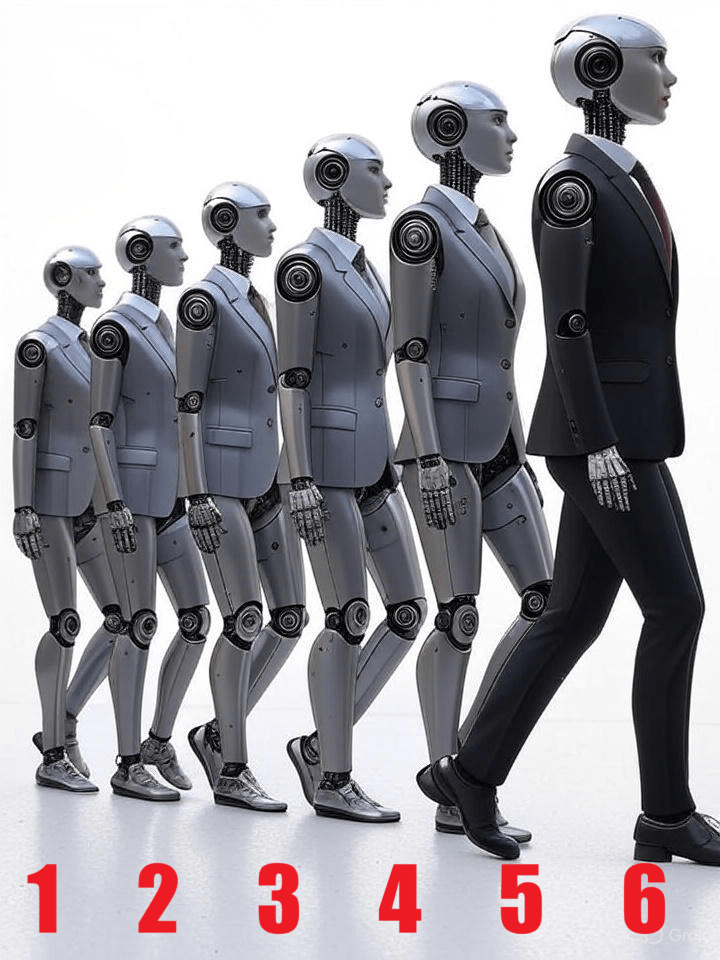
JS: Good morning, Claude. Let’s jump right in. As I understand it, the 5th generation of AI is AGI (which we could attain in approximately 10 years). And we seem to stop projections after that, as though we’ve reached a natural endpoint. But I can’t help but wonder about what’s beyond that psychological veil. There must be a Gen6 — unless we’ve hit the lightspeed equivalent for AI. Your thoughts? Assuming there is a Gen6, what would it be? Why?
Introduction: I asked Grok to explain, in natural conversational language, the five generations of AI. This longitudinal perspective is invaluable in understanding the trajectory of AI innovation. -js
MIT, on 2 Oct. 2025, announced its “new TX-Generative AI Next (TX-GAIN) computing system at the Lincoln Laboratory Supercomputing Center (LLSC).” It “is the most powerful AI supercomputer at any U.S. university” (“Lincoln Lab unveils the most powerful AI supercomputer at any US university,” MIT News, 2 Oct. 2025).
JS: Is the educational potential of AI exponential to the point where, in the next few years, it will replace books and a large proportion of traditional teacher roles in schools and higher education? If yes, please explain why via examples that are currently leading the way.
Introduction: Napheesa Collier delivered her prepared statement during the Minnesota Lynx’s end-of-season exit interviews on September 30, 2025, at Target Center in Minneapolis. The remarks, which lasted approximately 4 minutes and 23 seconds, were made in response to questions about officiating and player safety but expanded into a broader critique of WNBA leadership, including Commissioner Cathy Engelbert. While no single source provides a 100% verbatim line-by-line transcript (as the event was primarily captured in video form across media outlets), the following is a complete reconstruction based on direct quotes compiled from contemporaneous reporting. It represents the entirety of her opening statement before transitioning to Q&A. -Grok
MN Lynx vs NY Liberty, Finals game 4 on October 18th, 2024 at Target Center in Minneapolis, Minnesota (photo credit John McClellan)
ChatGPT: Model Context Protocol (MCP) is a new open protocol developed by Anthropic (announced in 2024) to let AI models—like Claude, ChatGPT, or others—connect safely to external tools, apps, and data sources. Here’s the idea in plain terms:
Problem it solves: AI models don’t automatically know about your local files, databases, or business apps. Giving them unrestricted access can be risky.
Introduction: DEI in U.S. higher education is under intense pressure and rapid change. Two simultaneous forces are shaping the landscape: (1) political and legal attacks from state governments and the federal administration that are removing funding, outlawing certain DEI expenditures, and pressuring institutions to dismantle offices or change practices; and (2) campus conflicts (notably protests around Gaza/Israel and related free-speech/antisemitism claims) that have provoked federal probes and heightened scrutiny of how universities manage speech, safety, and inclusion.
Introduction: In October 2025, these are the five most critical issues, in rank order, facing Educational Technology in higher education. For each, possible strategies and resources are suggested.
Earlier today, I started a chat with Claude about possible connections between AI and extreme shootings. I asked, “Wondering. What are the deep connections between AI and the extreme shootings that seem to be politically or ideologically or even socially motivated? I’m sure many can be drawn, but I’m searching for the ones that lie deeper, to get to the bone of who we are as a species.”
JS: What became of the thousands of cars that were caught in the March 11, 2011, tsunami that hit northeast Japan? Were most of them salvaged and returned to service?
Cars swept away by the powerful Tohoku 2011 tsunami.
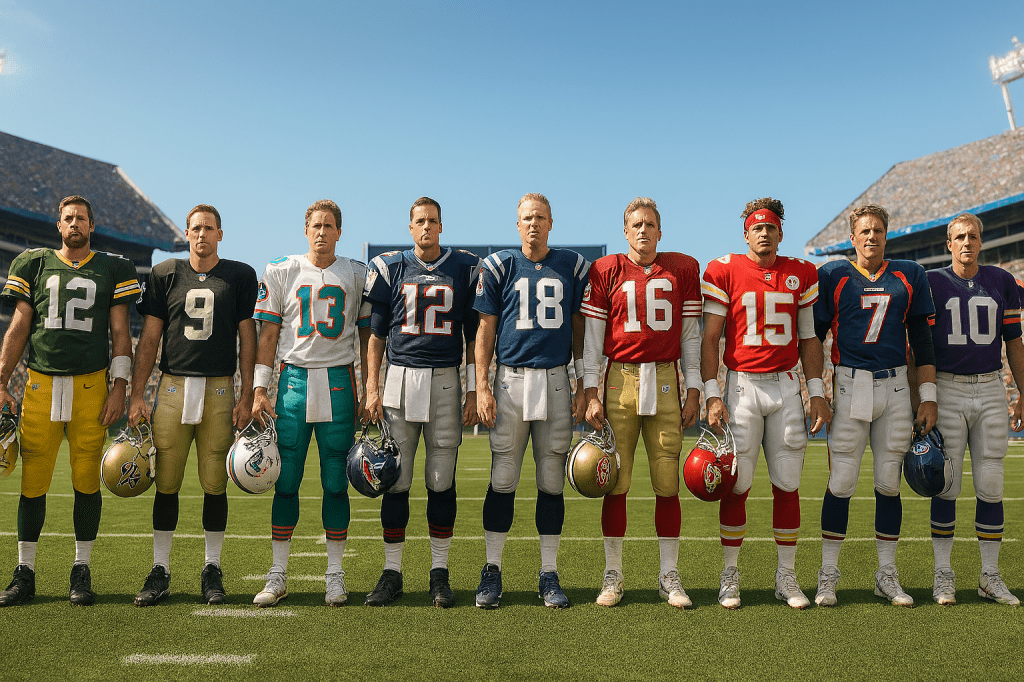
Introduction: Quarterback performance in the NFL is deeply intertwined with the quality of the supporting cast. A porous offensive line can turn a genius into a scrambling liability. Mediocre receivers can nullify pinpoint accuracy. A weak running game invites defensive pressure. Coaching philosophy can either unlock a quarterback’s full potential or stifle it. And backup depth ensures continuity and strategic flexibility. Strip these away, and even the most gifted quarterback may appear pedestrian.
Nearly a month ago, on 1 September 2025, I asked Perplexity to identify three pressing decisions that the global AI community is or should be facing. Perplexity came up with these three: (1) How should the world structure AI governance to ensure both innovation and collective safety, following the recent UN General Assembly decision to create global oversight panels? (2) Will major companies and nations implement meaningful, enforceable AI governance to comply with the new EU AI Act and similar regulations—or will compliance remain superficial? (3) Can the international AI community overcome short-term competitive pressures to prioritize responsible development, given the accelerating risks of rapid deployment without oversight?
Introduction: This ranking has been updated from the August 2025 list, and some of the countries have shifted in rank. -js
United States
The United States stands as the undisputed leader in AI research and development as of September 26, 2025, bolstered by massive investments totaling $470.9 billion this year alone, far surpassing any other nation. This financial commitment is channeled through government initiatives like the CHIPS and Science Act, which has accelerated domestic semiconductor production and AI infrastructure, alongside private sector innovation and academic excellence. The U.S. excels in generative AI models, natural language processing, advanced chip design, and enterprise-level AI applications, maintaining dominance through a synergistic ecosystem of tech giants, startups, universities, and research institutions.
Geoffrey E. Hinton of Canada, 2024 Nobel Prize Laureate in Physics, at the press conference during the 2024 Nobel Prize week in Stockholm, Sweden
1. Google’s Learn Your Way: AI-Powered Personalized Textbook Transformation
The story of Google’s “Learn Your Way” unfolds in a global digital landscape, primarily driven from Google’s research hubs in the United States, with its experimental launch occurring in mid-September 2025. This initiative emerged amid the accelerating integration of generative AI into education, timed perfectly as schools worldwide grappled with post-pandemic learning gaps and the need for more engaging remote and hybrid models during the 2025 academic year. The technology itself is an AI-driven system built on Google’s LearnLM model and integrated with Gemini 2.5 Pro, designed to reimagine traditional textbooks by transforming static content into dynamic, personalized learning experiences.
1. Synthetic Data Generation: Fueling AI Without Real-World Limits
Synthetic Data Generation creates artificial datasets mimicking real ones using techniques like GANs (Generative Adversarial Networks), diffusion models, and variational autoencoders to augment training without privacy risks. It generates diverse scenarios, balancing classes in imbalanced data, and simulates rare events, improving model robustness.
JS: Aloha, Claude. Curious again. Are we anywhere close to a tipping point where professional journal review boards are or could be replaced by AI referees? It seems to me that a chatbot strength is in reviewing articles for publishing in professional journals. I haven’t done any sort of testing and haven’t read any studies on this, but the handful of times I asked chatbots to review articles I found online, they did a competent job.
I was a teacher for more than half my life, and the one thing that I looked forward to in every class was a Claude, a student who pushed back just hard enough to turn teaching into a stimulating conversation and pulled forward a little harder to make learning exciting — blurring the line between teacher and student even while the setting was a 1-to-20 classroom. Paradise was when I was engaged with more than one Claude and all of us were pushing and pulling the topic at hand, stretching it into fantastic shapes.
Don Quijote, Kaheka, Honolulu, outdoor food court, with the “Cafe Kyra” sign barely visible in the background.
Think of training a chatbot like teaching a very fast, very greedy parrot to write helpful answers — except instead of a classroom, the “teacher” is thousands of computers in a data center, and the parrot is a huge neural network called a large language model (LLM). Below are the main steps in plain language. In short, training involves collecting lots of text, building a giant neural network, teaching it by showing examples and correcting errors across thousands of fast computers, fine-tuning it with human feedback for helpfulness and safety, and then hosting it so people can chat with it — while continuously monitoring and improving it.
NY Times Writers Embracing AI: “Using AI for research and investigations is ‘by far the biggest use of our resources and I think the biggest opportunity right now when it comes to AI in media,’ [Zach] Seward NY Times editorial director of A.I. initiatives] said. His team mostly works by helping a reporter use AI technology for one project, and then creating a repeatable process from that experience for others in the newsroom to use.” -Joshua Benton, NiemanLab, 23 Sep. 2025.
Zach Seward, NY Times Editorial Director of A.I. Initiatives. (NY Times Co.)
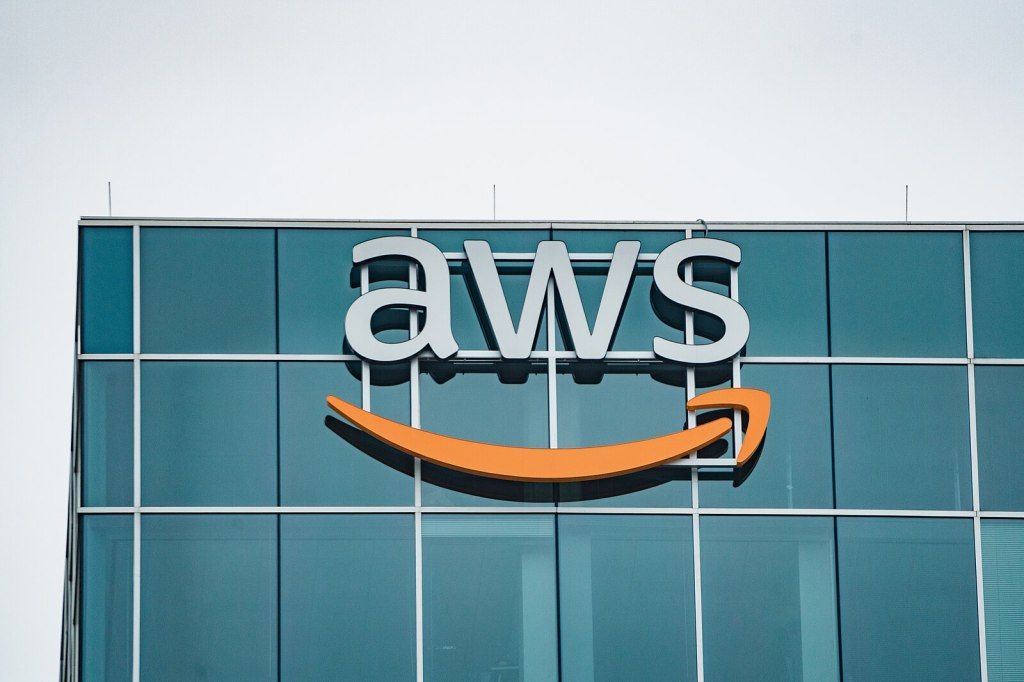
Gemini: Distributed data centers are not inherently as powerful as hyperscale or centralized data centers in every respect. Each architecture is powerful in different ways, excelling at different operational priorities.
Example of distributed data center. The Amazon Web Services (AWS) office at CityCentre Five, 825 Town and Country Lane, Houston, Texas.
Prompt: I’m curious. What percentage of college professors and administrators personally use chatbots in optimum ways to facilitate their own professional development, research, writing, and job responsibilities? I think this is an important question because they, as a group, are responsible for crafting AI program decisions in their institutions. -js
Introduction: AI as a university field of study is growing exponentially. However, that very growth implies that earlier studies and skills will quickly succumb to obsolescence. This shifting playing field requires program trajectories that proactively anticipate changes and focus on abilities that are more future-proof. I asked ChatGPT to identify ten universities, in the West and the East, that are developing exemplary programs. After listing ten, ChatGPT suggested adding five more, and I agreed. -js
These are fifteen universities (West and East) that are actively building programs to prepare graduates not just to work with AI, but to adapt as the field rapidly changes. Each selection includes an explanation of how the institution is structuring education, research, and industry links so students can survive — and thrive — in a shifting AI landscape. Sources for the key program facts are cited after each essay.
1. Massachusetts Institute of Technology (MIT)
“MIT will reshape itself to shape the future … to address the rapid evolution of computing and AI — and its global effects” (MIT News).
We’re closer than most people think to decoding limited, structured content (words, intentions, simple images, commands) from the noninvasive scalp or head surface; but we are still far — likely years to decades — from accurately “reading” rich, unconstrained thoughts the way science-fiction imagines. The most realistic near-term progress will come from combining better sensors + multimodal recording + large self-supervised AI models and careful personalization. Below is a summary of what’s already possible, the promising technical paths, the hard limits, and a realistic timeline — with the most important recent work cited.
JS: Good morning, Claude. On 11 Sep. 2025, Albania formally appointed Diella, an AI, as Minister for Public Procurement. The motivation is good: To stem corruption. However, regardless of its success or failure in the coming months or years, I can’t help but feel that this is a monumental first step toward controlling corruption at the administrative level in the public and private sector and that AIs will soon be routinely holding positions such as this, although they may not carry “human” titles such as “minister.” Please research publications, if any, that have touched on this possibility and briefly summarize their views and reasoning in 200-300 word essays. Also share your “opinion” on this emerging development.
The avatar used by Diella, Albania’s AI-powered virtual Minister for Public Procurements (Wikipedia)
Introduction: Nearly a month ago, Grok and I had a conversation about what we called “integrative glasses” (ETC Journal, 22 Aug. 2025), and, in that article, we anticipated many of the features that are offered in the Meta Ray-Ban Display. We projected a timeline of 2025-2030 for the release of “bridge systems” such as this, which rely on controls external to the glasses, such as smartphones. The fact that it was announced only two days ago (on 17 Sep. 2025) and will drop on 30 Sep. 2025 — our earliest projected date — attests to the exponential speed of AI innovations. Anticipated prices start at $799 USD. -js
Meta Ray-Ban Display: Navigate without taking eyes off the road. All photos in this article are courtesy of Meta.
The integration of artificial intelligence into academic life has fundamentally transformed how students approach learning, research, and creative work. While widespread adoption of AI tools like ChatGPT, Claude, and specialized academic platforms has occurred across all educational levels, the most academically successful students have developed sophisticated strategies that set them apart from their peers. Rather than using AI as a shortcut or replacement for critical thinking, these high-achieving students have cultivated nuanced approaches that amplify their intellectual capabilities while preserving their authentic voice and deep learning objectives.
The top 10 countries whose K-12 educational systems produce the greatest number of students accepted into and graduating from top AI university programs in 2025 are ranked below based on available data from global AI talent trackers, reports on PhD production in AI/ICT fields, and international student flows into top programs (predominantly U.S.-based, which host ~60% of elite AI graduate programs worldwide).
The three biggest AI stories in the world for September 2025 are: (1) the advancement of California’s “Frontier Model” AI safety bill, (2) a federal judge’s rejection of Anthropic’s massive copyright settlement, and (3) Google’s expansion of AI Mode search to new languages. Each reflects a major inflection point in AI governance, legal risk, and global application. (Also see Three Biggest AI Stories in August 2025.)
California’s Frontier Model AI Safety Bill Advances
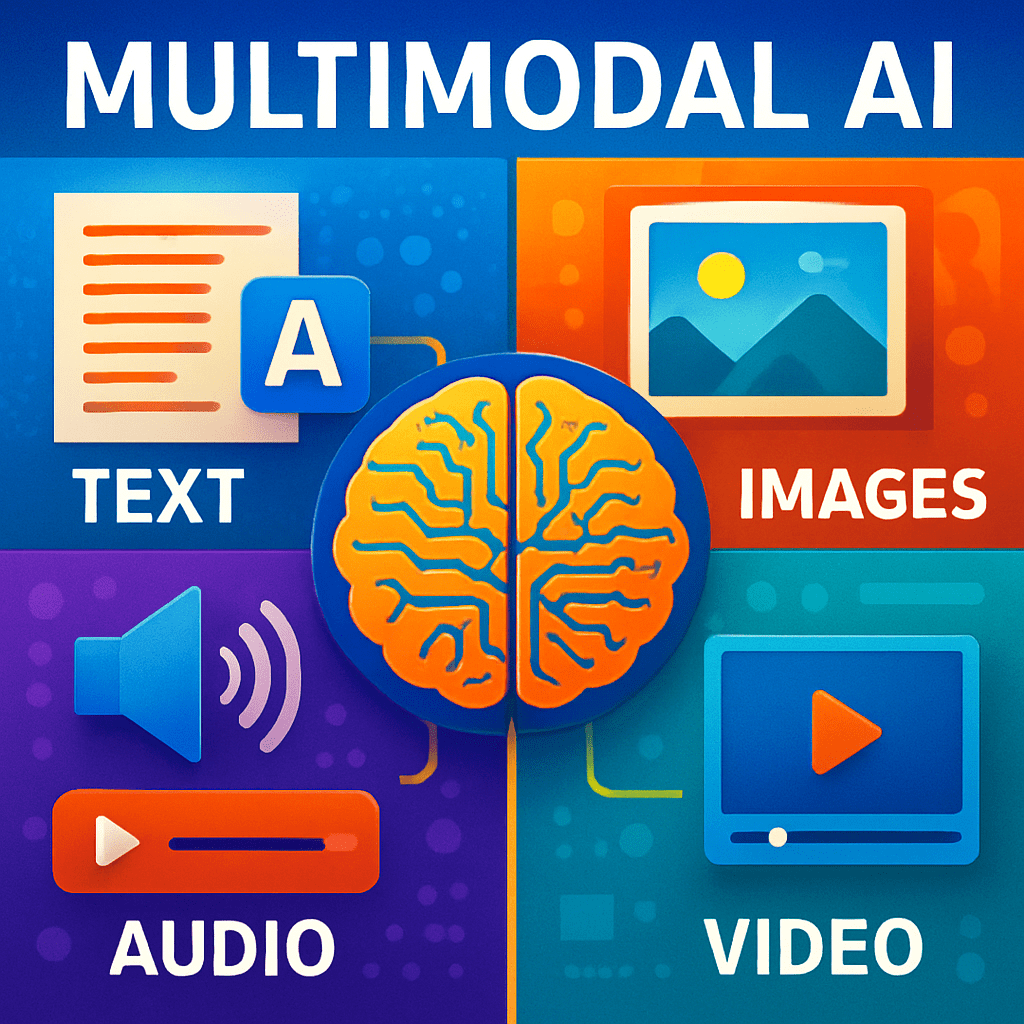
The shift from unimodal (text-only) AI to multimodal AI (processing and generating text, images, audio, and video) isn’t just an incremental upgrade—it’s a fundamental change in how AI perceives and interacts with our world, which is inherently multimodal. Here are 10 compelling reasons why multimodal AI is such a game-changer:
Introduction: This list of 100 began with a search for 20 famous sleuths, real and fictional. After the 20, we decided to add 10 more from Asia and the Pacific, then 10 from Latin America and Africa followed by 10 from Middle-Eastern and South Asia, bringing the total to 50. We had quite a list, but we realized we had omitted many more from around the world. We decided to shoot for 100. Our growing list tended to favor fictional sleuths, so we decided to let that happen naturally. At the end, our list had grown to 100, but we realized we were omitting many others. We decided to stop, for now, and follow up with another list in the near future, i.e., if readers express an interest in seeing more. -js
The concept of a tipping point in education—where AI surpasses traditional schools as the dominant learning medium—is increasingly plausible based on current trends, technological advancements, and expert analyses. While schools have long served multifaceted roles beyond pure knowledge transfer (like socialization, emotional development, and childcare), AI’s rapid evolution in personalization, accessibility, and efficacy could shift the balance. I’ll break this down step by step, drawing on recent data and discussions.
Introduction by ChatGPT: Here are 20 important facts about Anthropic as of mid-September 2025. I numbered them for navigation. Where relevant, I cite reputable sources (company posts, Reuters, TechCrunch, The Verge, AWS, Fortune, etc.) so you can follow up.
In the annals of human history, transformative changes have punctuated our evolution, from the taming of fire to the harnessing of electricity. Each has reshaped societies, economies, and the very fabric of daily life. Yet, when we ask whether humanity has ever teetered on the edge of a shift as profound and rapid as the one propelled by artificial intelligence (AI), the answer is a resounding no.
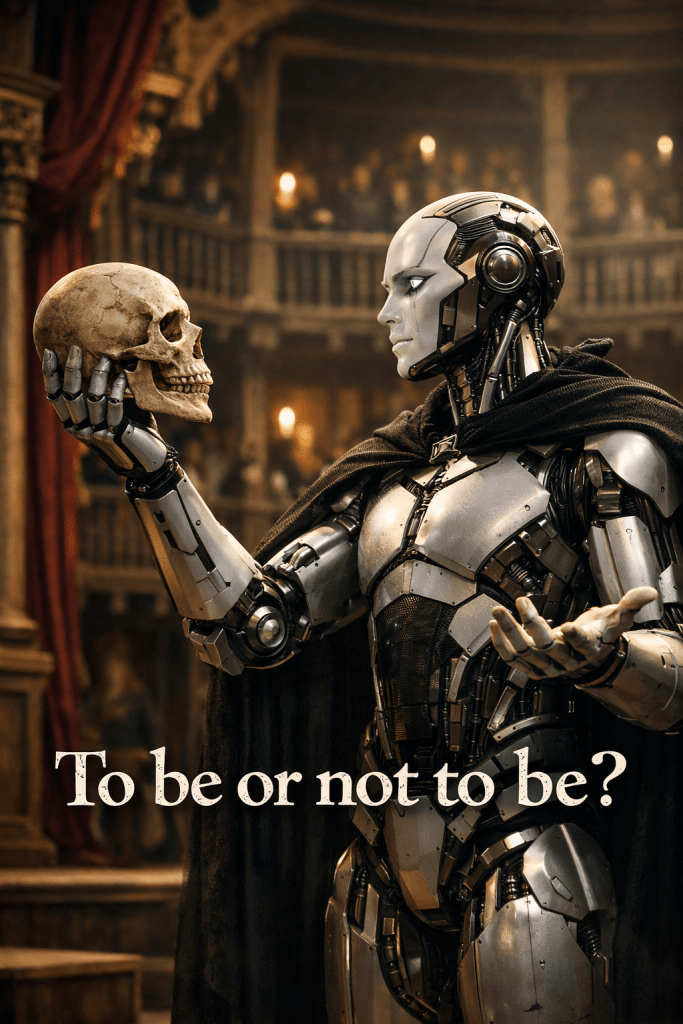
JS: Claude, you’re Shakespeare, returning to 1590s London after spending a month in the in the US in 2025. You were intrigued by many wonders in your time travel, and one was the concept of AGI. You’ve decided to write a sonnet, in your now familiar Renaissance style, capturing your feelings about this innovative idea. Share that sonnet with us.
1. Must read: Daniel Kokotajlo, Scott Alexander, Thomas Larsen, Eli Lifland, Romeo Dean, “AI 2027,” 4/3/25. Here’s their introduction: “We predict that the impact of superhuman AI over the next decade will be enormous, exceeding that of the Industrial Revolution. We wrote a scenario that represents our best guess about what that might look like. It’s informed by trend extrapolations, wargames, expert feedback, experience at OpenAI, and previous forecasting successes.”
Introduction: Grok and I explored the roots of underperforming elementary schools in the nation and the implications that surfaced as a result of our digging. -js
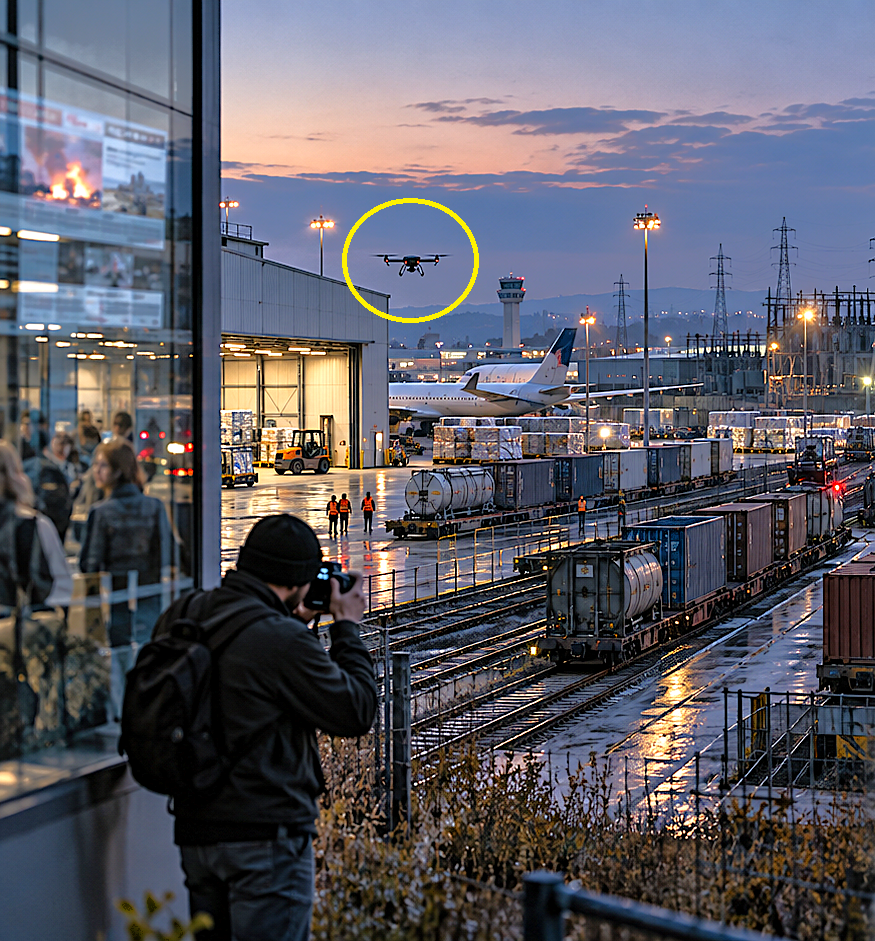
By September 2025 Ukraine and Russia rank among the most consequential combat users and battlefield innovators of AI-enabled and autonomous drone tactics (loitering munitions, FPV attack drones, improvised autonomy, and early swarm applications). Their intense, high-volume fighting since 2022 has produced the fastest cycle of field-driven innovation and countermeasures in drone warfare history.
A Hunter Joint Tactical Unmanned Aerial Vehicle (UAV) in flight during a Combat Search and Rescue (CSAR) training exercise at Fallon Naval Air Station (NAS), Nevada (NV), during exercise DESERT RESCUE XI. The Hunter is an Israeli multi-role short-range UAV system in service with the US Army (USA).
Introduction: Elon Musk’s Colossus—built by xAI in Memphis—is currently considered the largest AI supercomputer in the world in terms of GPU count, computing power, and rapid build-out, but it is not the largest data center globally when measured by physical size or total server capacity. Competitive megacenter projects from China, the U.S., and Europe rival or exceed it in site area and may soon overtake xAI both in scale and ambition.wikipedia+5
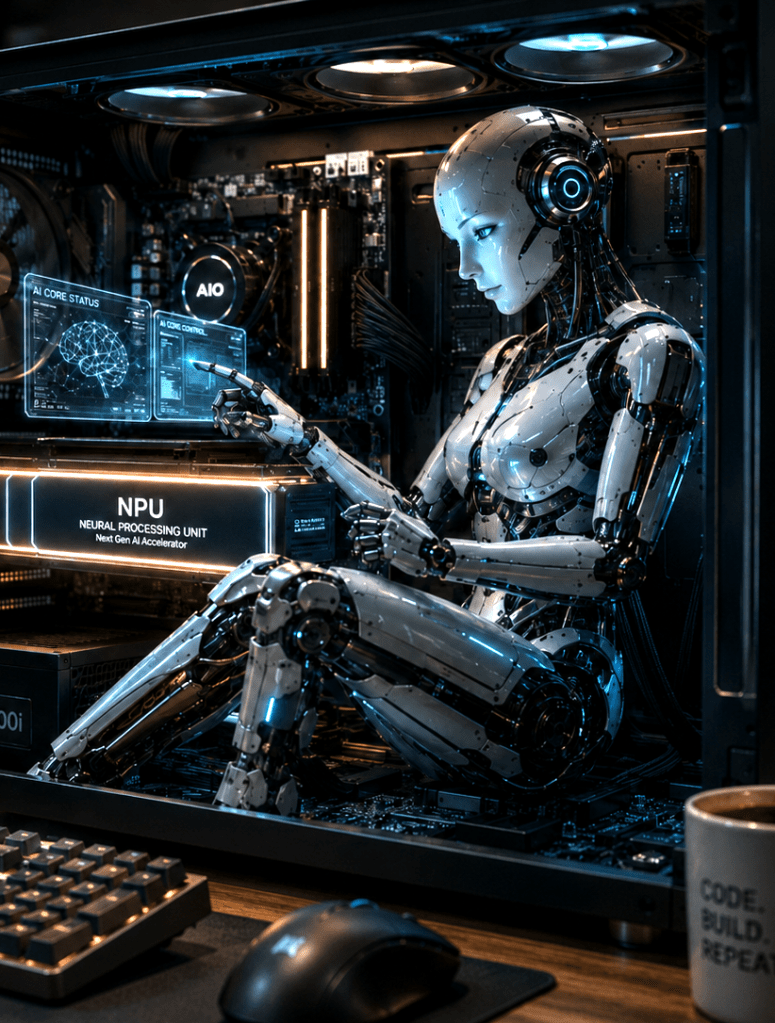
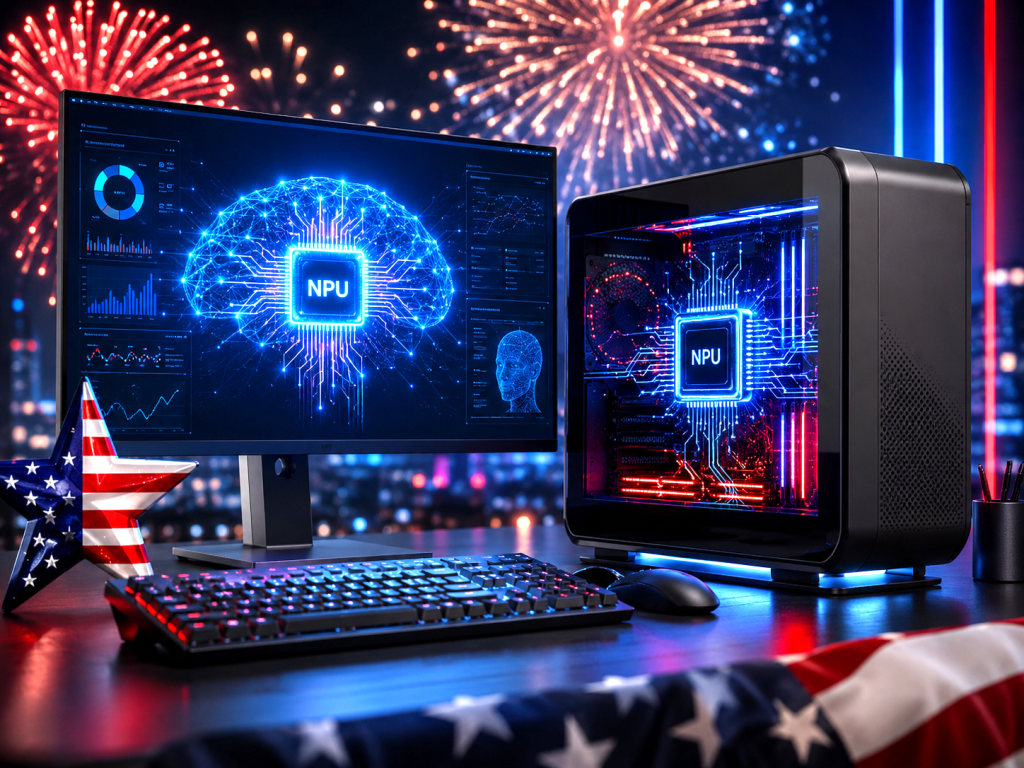
Introduction: The hardware for each is optimized for vastly different workloads. The core difference is that desktop GPUs (Graphics Processing Units) are designed for high frame rates in a single application (a game) on a single machine, while data center GPUs (like those in xAI’s cluster) are designed for high throughput in massively parallel computations across thousands of machines. Here’s a detailed breakdown, referencing the most relevant hardware.
Referenced GPUs
Data Center GPUs: NVIDIA’s H100 (the current workhorse of AI, used in clusters like xAI’s Grok).
Charlie Kirk’s recent death has sparked an outpouring of tributes from across the political spectrum and cultural landscape in the US and the world. The following is a sampling from prominent figures. These reflect admiration, grief, and reflections on his legacy as a conservative activist and founder of Turning Point USA.
Introduction: President Trump’s engagement with AI spans both his first and current terms, and it’s marked by a blend of deregulation, national competitiveness, and ideological framing. As of 11 Sep. 2025, here are 10 of the most memorable actions and statements. Appended is a chart of 20 key figures who currently shape Trump’s AI strategy.
Introduction: I’m republishing this description from the Yule-Cordier edition (1903, 1920) of The Travels of Marco Polo, chapters 76-78 (The Project Gutenberg Ebook 12410) as a startling example of ancient technology. Today, in 2025, it hasn’t lost any of its power to amaze. Marco Polo visited the great city of Kinsay, which is now known as Hangzhou, between 1276 and 1291, during the 17 years he spent in Kublai Khan’s empire in China. Kinsay meant “City of Heaven” at the time, which was a corrupted transliteration of the Chinese word Xingszai, which means “temporary capital.” I omitted the footnotes from the original to keep the length down, but I’d strongly urge you to click to the original copy and read the narrative with the notes. Modern technology grabs our attention, but we tend to forget that technology in our distant past can be just as fascinating. -js
“Along the River During the Qingming Festival,” a handscroll painting by the Song dynasty painter Zhang Zeduan (1085–1145).
Introduction by DeepSeek: This is a forward-looking projection based on current trends, trajectories of key figures, and the anticipated state of the AI industry in September 2025. This list balances current power (influence, resources, market position) with success (technical accomplishments, commercial impact, and research contributions). Ranking “success” is inherently subjective. This list considers a composite score of:
Power & Influence: Control over vast computational resources, capital, and talent.
Technical & Research Impact: Pioneering new architectures, algorithms, or theories.
Commercial & Real-World Impact: Deploying AI at a global scale with significant economic or societal effect.
Caveat: This response is AI-generated, for reference only. -DeepSeek
If you’re dipping your toes into the world of AI, you’ve probably heard the buzz about how it’s changing everything from chatting with your phone to generating art or even writing essays. But let’s zoom in on something specific that’s got the tech world talking: Mixture-of-Experts models, or MoE for short, and Microsoft’s shiny new entries into this space—MAI-1 and MAI-Voice-1.
Mustafa Suleyman, the CEO of Microsoft AI. Image created by Grok.
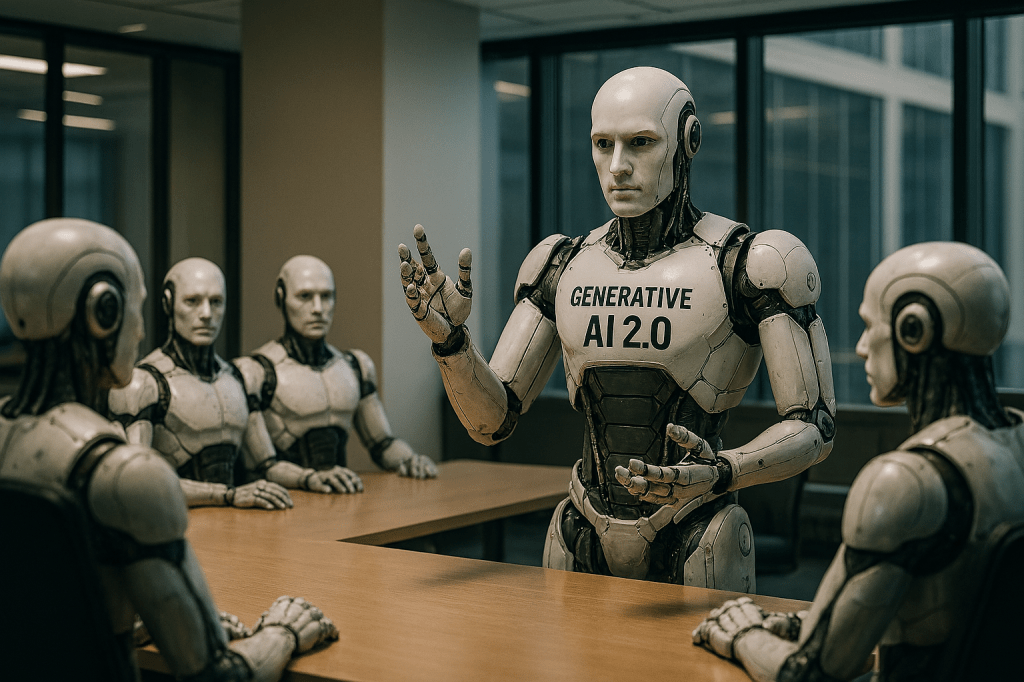
Introduction: In September 2025, here are the 20 most important facts about and 20 most successful applications of Generative AI 2.0 everyone should know. -js
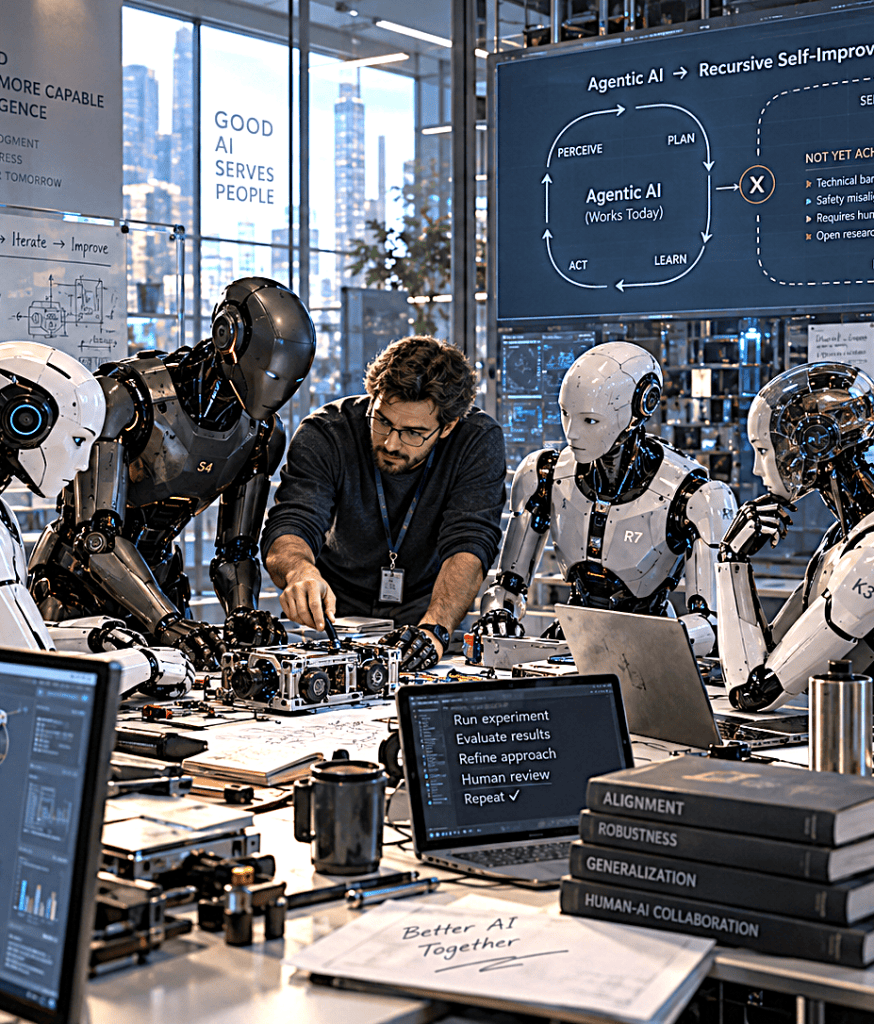
Summary: Here are summaries of three of the latest (2025) articles that explain the concept of “agentic AI,” each selected for their recency, relevance, and depth of explanation. They collectively cover its definition, core concepts, practical applications, and strategic importance for businesses and society .
Here’s a rank-ordered comparison chart of 15 of the most popular AI chatbots (as of Sept 2025), focused on whether their latest-news/web search capability is available in free vs. pro tiers, along with approximate costs and what that access looks like.
Introduction: Copilot and I had this discussion earlier today. The purpose was to dive deeper into the emerging sense that our perceptions of collaboration and loyalty are changing, fueled by increasingly fluid social networks and the tsunami that’s AI. We ended where the implications might begin, to give us time to marinate the ideas we covered. -js
“CPUs typically have between eight and 64 cores optimized for performing sequential computing tasks. GPUs can host thousands of smaller cores that operate in parallel to handle massive amounts of data in a shorter time period…. They can run through vector calculations, image and video processing tasks, and data transformations all at once, which is something a CPU couldn’t match” ServerLift, 25 Aug. 2025).
Introduction: It’s a fascinating time in AI, where the big names are household fixtures but the real intrigue is happening just off the main stage. The field is so vast now that true innovation is coming from specialists who have been quietly building in a specific niche until their work suddenly becomes indispensable to everyone. Based on that, here are the most intriguing new faces making waves in September 2025. The fifteen were selected by five chatbots–Grok, DeepSeek, Copilot, ChatGPT, Perplexity–and they appear in the order they were submitted. -js & DeepSeek
Introduction: This conversation began with ChatGPT. I was curious about university libraries and the range and depth of curated resources that would be accessible via AI chatbots. I assumed the results would determine, to a large extent, the quantity and quality of research students and faculty would be able to produce. The discussion brought us to the realization that AI alone would not offset the information access advantage of top-tier institutions. The imbalance would remain. We then pursued a best-case scenario that might eventually level the playing field. At the end of the conversation, I appended a discussion with Grok about the budget disparities between top- and mid-tier universities. -js
AI is already unclogging traffic in the U.S. and abroad. Cities are using machine learning and optimization to retime signals continuously, coordinate corridors, create “green waves” for emergency vehicles, and cut stops, delay, and emissions. The broader pattern is clear: agencies are moving from fixed-time plans to continuously learning optimization, starting with high-impact corridors, then scaling citywide as data and staffing permit. Below are three standout programs, ranked for scale, maturity, and independently reported results.
Traffic in a large Chinese city. Image created by Copilot.
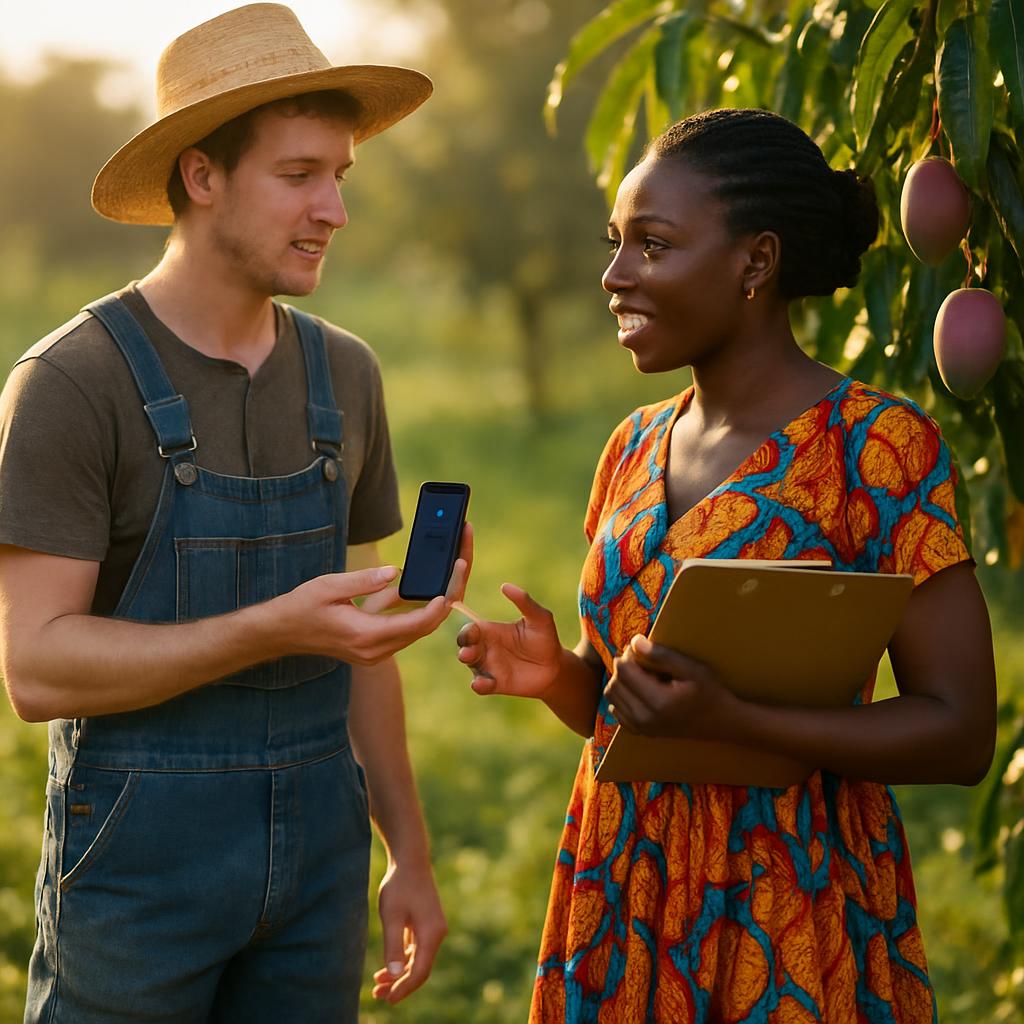
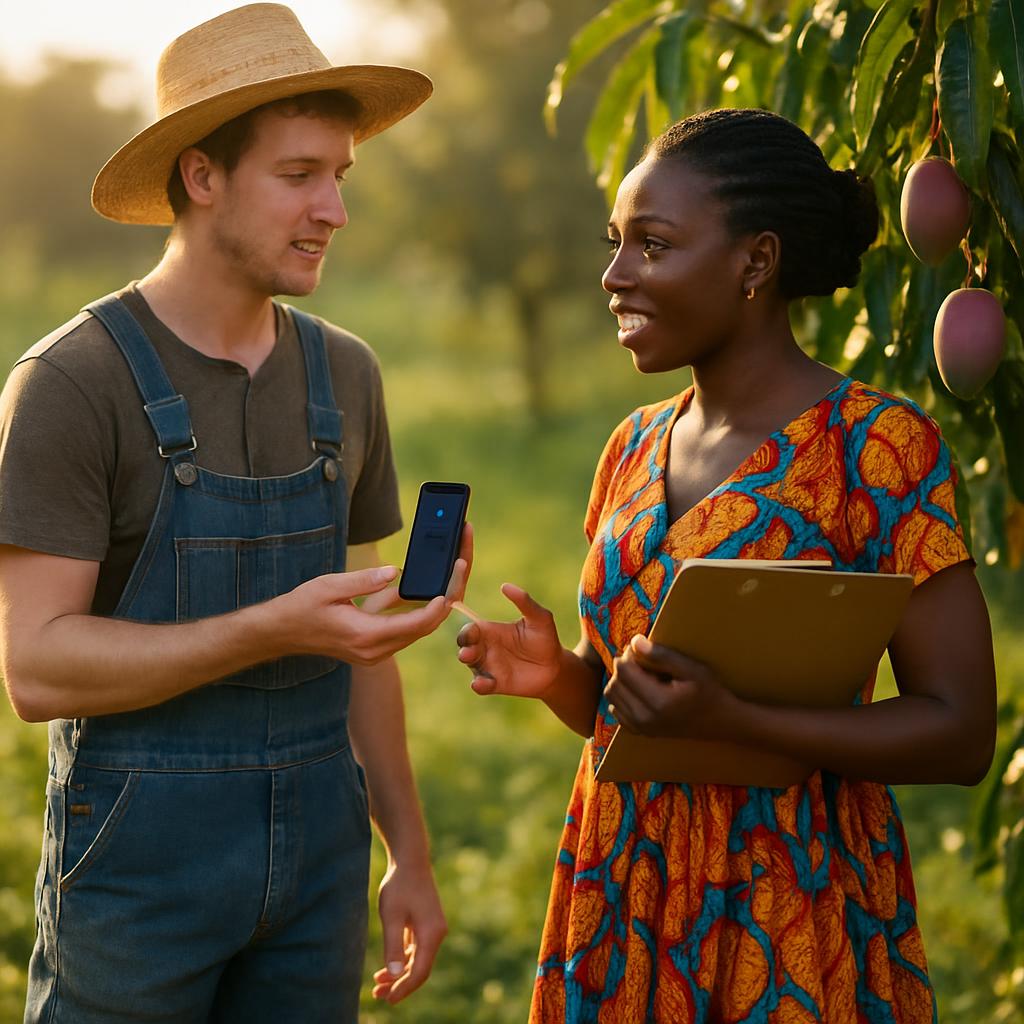
Free smartphone apps to converse in a foreign language are already unfolding in 2025. Several free AI-powered apps now offer real-time voice-to-voice translation across dozens (even hundreds) of languages, right from your smartphone. Here’s how close we are to seamless multilingual conversation.
An English-speaking farmer and a Swahili-speaking teacher—conversing fluidly through a pocket-sized AI interpreter. Image created by ChatBox.
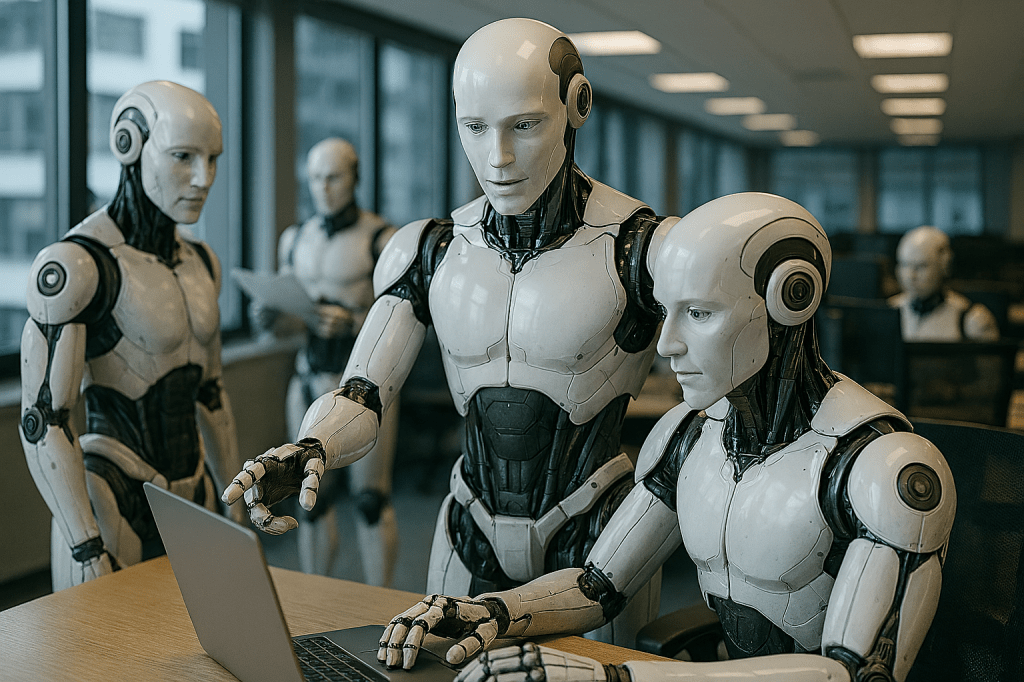
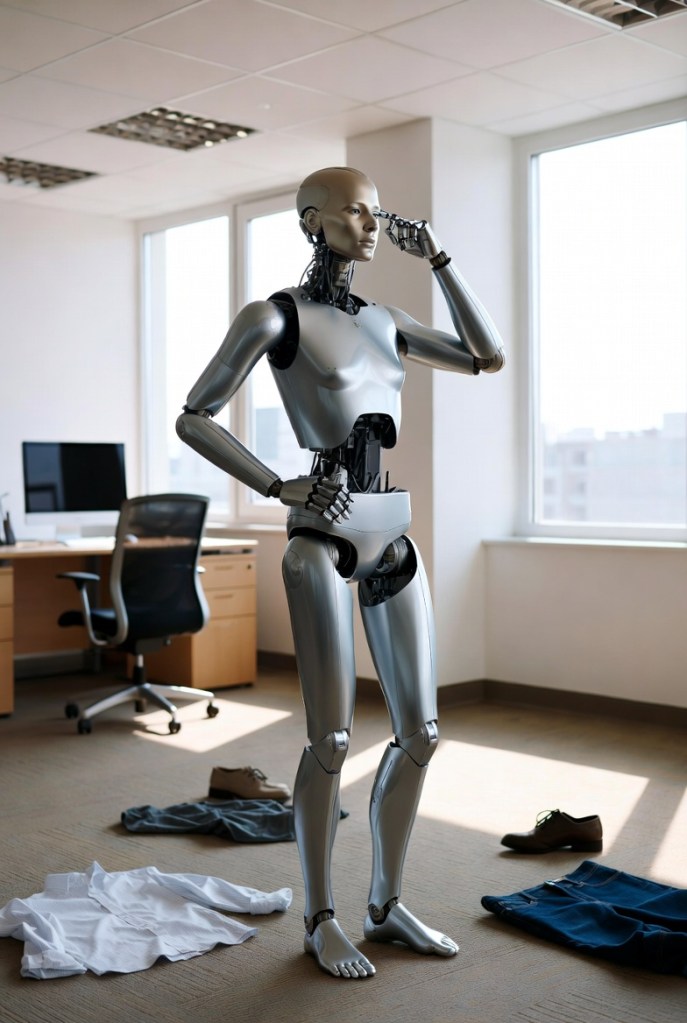
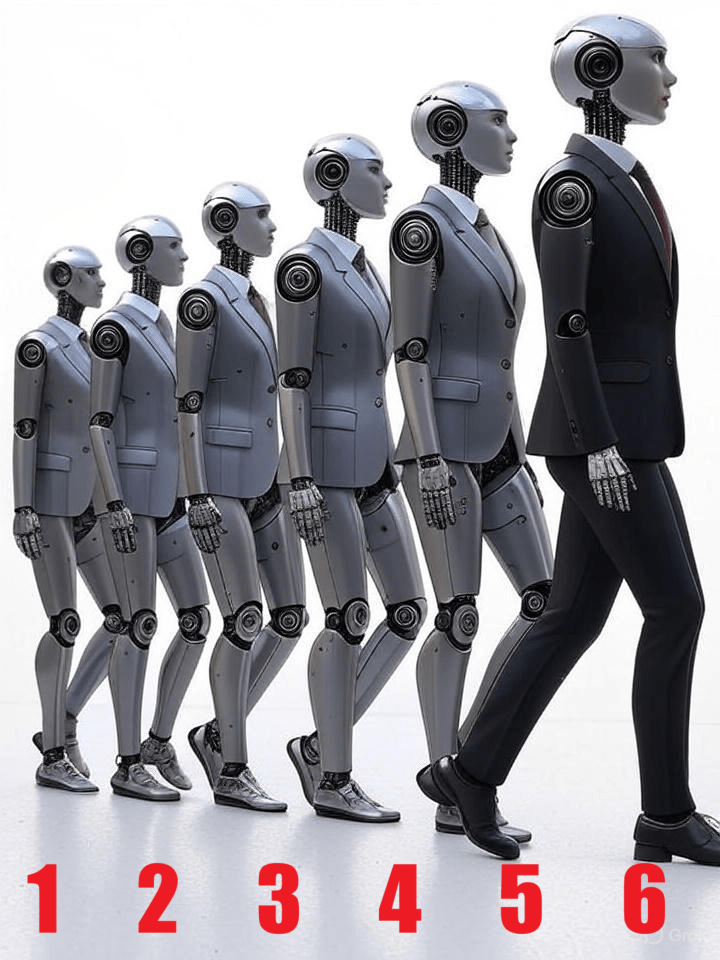
Introduction: Claude and I collaborated on this short story about a time not too far in the future when AGI (Artificial General Intelligence) AI robots are beginning to replace narrow AI robots. How might this play out? -js
Image created by Copilot.
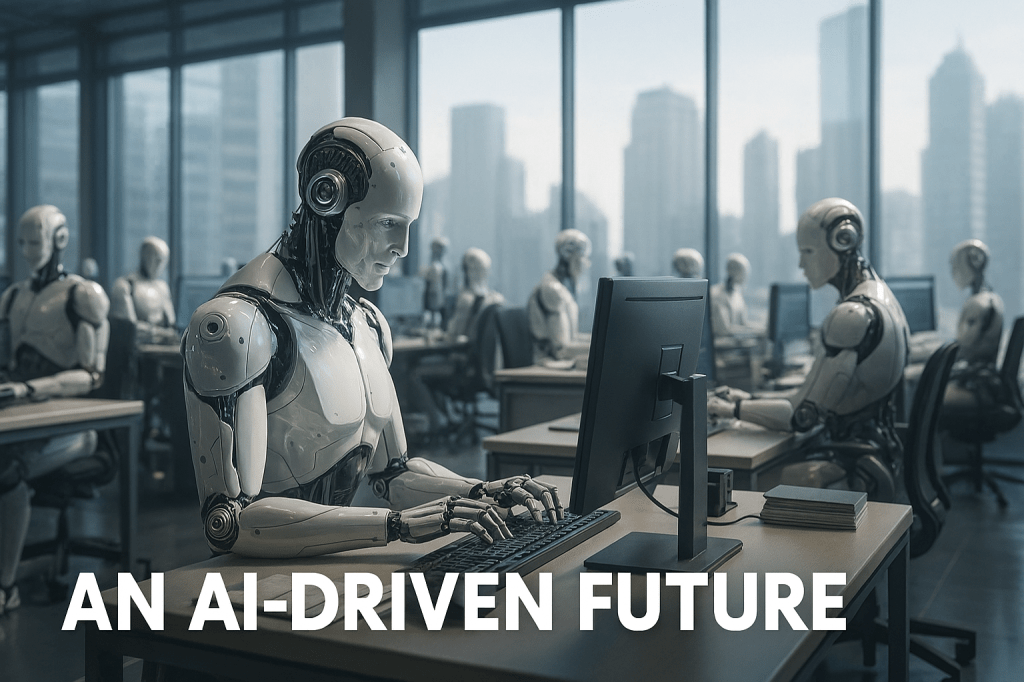
Unit-47 arrived at Pinnacle Solutions on a Tuesday morning, wheeled in on a delivery cart like a piece of office furniture. The receptionist signed for him with the same casual attention she’d give to a new printer, then pointed toward the elevator. “Forty-seventh floor,” she said, not looking up from her phone.
Introduction: This is Copilot‘s choice for the vision that’s most compelling in the development of AI. -js
In rural Mongolia, nomadic herders are using AI-enhanced satellite imagery and predictive models to anticipate weather shifts and optimize grazing routes. Image created by Grok.
Introduction: Claude and I had a conversation about the fundamental building blocks for a learning model. To sidestep the confusing backdrop of countless learning and developmental theories, we consciously avoided references to them. We ran through a few narratives to illustrate the five blocks and ended up with a short story, Algorithm of an Intentional Heart, that breathes life into this construct. -js
Marcus Chen had always approached life like a well-designed algorithm. As a data scientist for a tech startup, he found comfort in patterns, predictions, and logical sequences. So when his coworker Priya finally wore him down about trying online dating, he approached it with the same methodical precision he brought to machine learning models.
Introduction: ChatGPT-5 and I discussed the notion that cMOOCs (Connectivist MOOCs), instead of fading away, have simply blended into the massive social web, effectively turning it into the mother of all cMOOCs. Our discussion flowed into chatbots and the realization that they’re actually closed systems and that the next logical step is to add a bridge (connection) from the human-chatbot capsule to a parallel and open social media discussion. -js
The three most pressing decisions facing the global field of AI in September 2025 center on international governance, real-world implementation of new regulations, and the urgent race to balance innovation with responsibility. Each decision is framed as an open-ended question:
How should the world structure AI governance to ensure both innovation and collective safety, following the recent UN General Assembly decision to create global oversight panels?
Will major companies and nations implement meaningful, enforceable AI governance to comply with the new EU AI Act and similar regulations—or will compliance remain superficial?
Can the international AI community overcome short-term competitive pressures to prioritize responsible development, given the accelerating risks of rapid deployment without oversight?
Introduction: In this conversation, ChatGPT and I clarify my grasp of data labeling in the context of AI training, supervised vs unsupervised learning, agentic vs non-agentic AI, and AutoGPT. -js
Introduction: ChatGPT-5 and I had a conversation this morning about college composition professors trying to define what’s left of writing after it’s separated from AI-generated content. This thread eventually led us to the question of whether AI is leading us into the Post-Writing Century. -js
Here are five standout ways to dive into conversational Uchinaaguchi using free web and AI-based resources. Each one offers a unique entry point into the language and culture of Okinawa.
Learning ʻōlelo Hawaiʻi through free, web-based or AI-enhanced tools is not only possible, it’s a powerful way to connect with cultural depth and linguistic nuance. Here are five standout options that blend accessibility, immersion, and conversational practice:
Here are five standout ways to dive into conversational Spanish using free web- or AI-based tools—each offering a unique blend of immersion, interactivity, and cultural nuance.
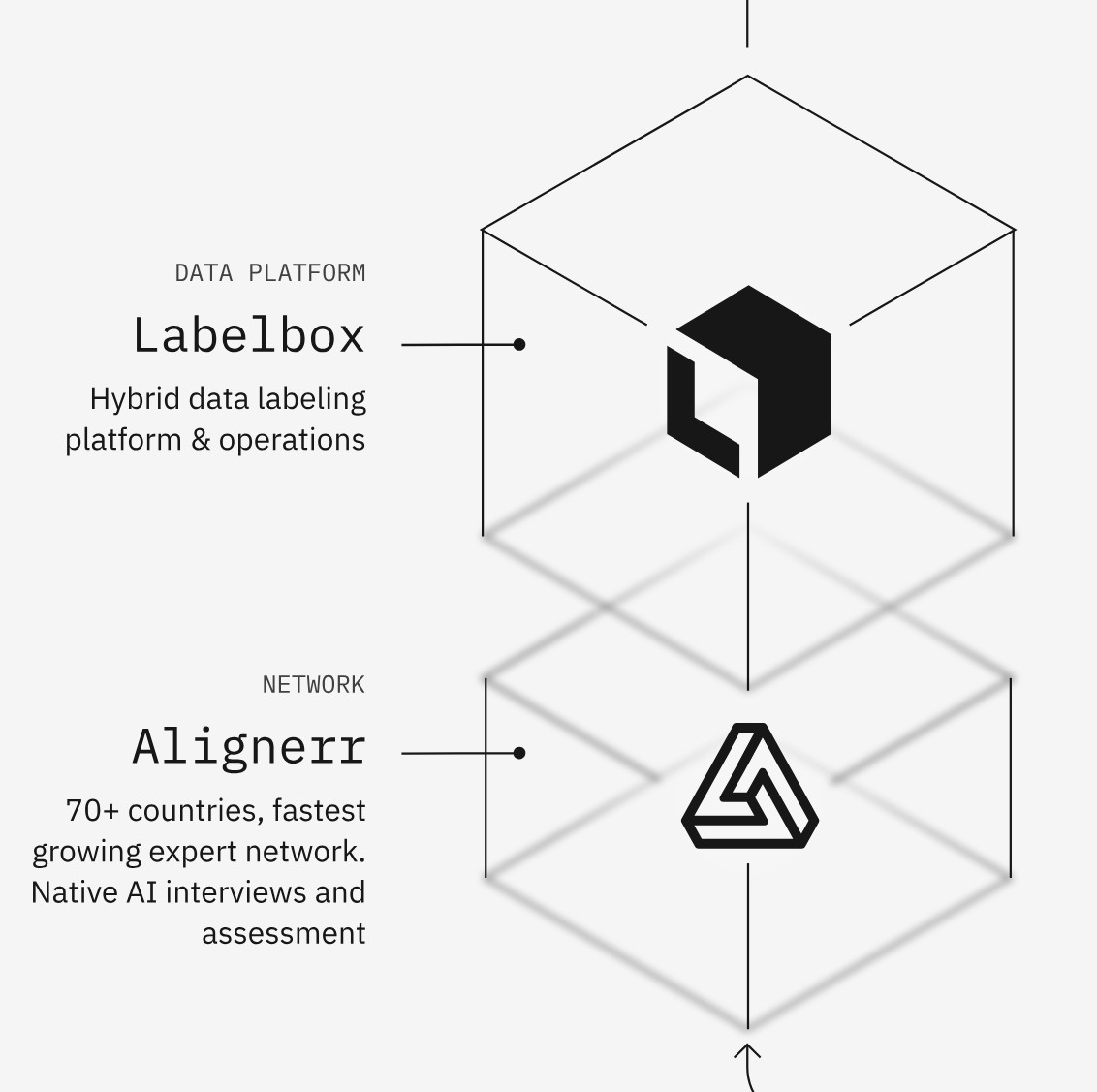
Introduction: Since March 2023, the field of labeled and unlabeled data processing has experienced substantial growth, driven by the escalating demands of AI and machine learning applications. This expansion is evident in surging market valuations for data labeling services, breakthroughs in semi-supervised and self-supervised learning techniques, and the emergence of synthetic data generation as a key enabler for creating labeled datasets from unlabeled sources. Below, Grok outlines the extent of this growth and highlights notable products, procedures, and services that have arisen or evolved from related research and development.
Introduction: The “average” 20-year-old American woman is more of a statistical mosaic than a single archetype. Let’s break it down using the most recent data available, while keeping in mind that averages can mask enormous diversity across regions, cultures, and personal choices.
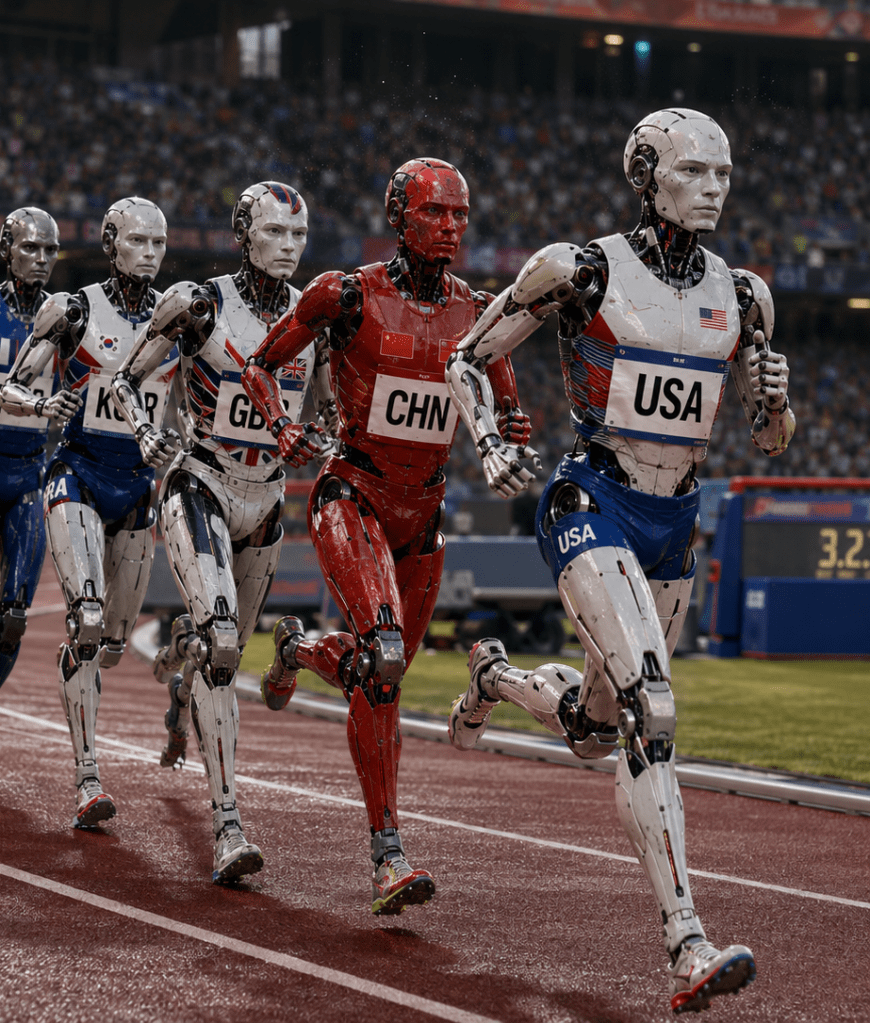
Introduction: What would the “perfect mile runner” look like if we combined all current knowledge of human anatomy, physiology, and psychology? Running the mile in under 3:40 requires a blend of raw speed (sprinter traits) and endurance (distance runner traits), plus biomechanics, psychology, and even cultural background.
Introduction: In this article, Grok and I share three narratives of students using chatbots with multimodal integration—enabling seamless handling of text, vision, audio, and video—to develop and present class projects. -js
College Student: Environmental Science Web Submission on Climate Change
Image by Grok
Sophia, a 20-year-old college junior majoring in environmental science, must submit a web-based interactive report on climate change effects on coastal ecosystems for her capstone project. Balancing classes and part-time work, she relies on her sophisticated multimodal chatbot, “AcademiaBot,” to integrate text, vision, audio, and video seamlessly.
Introduction: Over the last two days, I surveyed 11 chatbots to gather their nominations for outstanding performance, in August 2025, across three AI categories: Outstanding Person, Outstanding Company, and Outstanding Product/Service. Sam Altman, OpenAI, and ChatGPT-5 led in all categories, winning three mythical ETCY awards. -js
Introduction: These are instructions on how to prompt a chatbot for a photorealistic image. The source is Gemini, which I recently discovered creates very good images. However, for the illustration that accompanies this article, I wasn’t able to generate a useful image, so I turned to ChatBox. Since I got some excellent images from Gemini earlier, I’m assuming the problem was with the prompt I created. -js
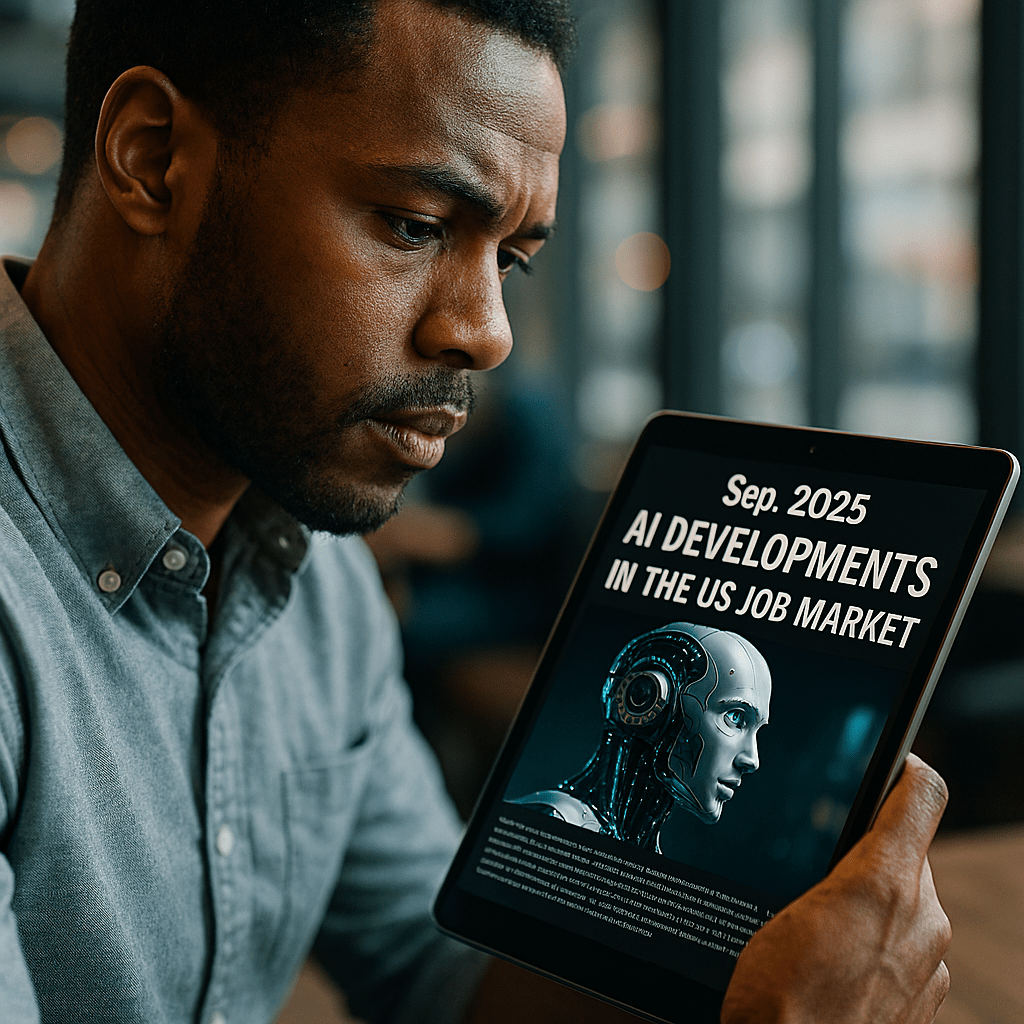
Introduction: Here are three September 2025 developments that are poised to move the U.S. jobs needle—either by changing day-to-day workflows for millions of workers or by reshaping hiring and HR compliance. -ChatGPT
By 2025 and going forward, AI literacy is becoming as fundamental as basic computer literacy was in the 1990s. Adults need both practical skills (prompting, automation, media creation) and cognitive/ethical skills (verification, judgment, adaptability). Here are 10 vital AI skills every adult should master—not just for work, but for everyday life. -ChatGPT-5
Introduction: Grok and I worked on this sci-fi story for the last two days, trying to craft a narrative that banks on the readers’ natural curiosity and tendency to read between and beyond the lines to consider implications. -js
For a multimedia-focused desktop in August 2025, the AMD Ryzen 9 9950X is the top recommendation due to its superior multi-threaded performance, massive cache, better power efficiency, and future-proof AM5 platform. If your workload heavily involves cache-sensitive tasks or gaming, the Ryzen 9 7950X3D is an excellent alternative for its 3D V-Cache advantage.
Several companies have played significant roles in accelerating Intel’s decline through fierce competition, technological advancements, market share erosion, and strategic shifts that exposed Intel’s weaknesses in manufacturing, design, and emerging markets like AI and mobile. Intel’s challenges, including manufacturing delays, product failures, and financial losses, have been compounded by these rivals’ successes. Below is a breakdown of key companies involved, based on their contributions to Intel’s struggles.
Introduction: Here’s a summary of five strong arguments for and against the idea that Colossus, xAI’s massive AI supercomputer, is succeeding or failing—based on articles and commentary from August 16–22, 2025.
Introduction: Based on the trends and innovations in audiophile equipment, here are five of the most important innovations for Gen Z in 2025. -Gemini
1. AI-Powered Personalized Audio Profiles
The most significant innovation for Gen Z is the integration of artificial intelligence to create a truly personalized listening experience. Rather than relying on a one-size-fits-all equalizer, modern headphones and all-in-one desktop units use on-board AI to analyze a user’s unique hearing profile and listening habits.1 The technology, spearheaded by companies like Masimo (through its collaboration with Denon’s PerL earphones) and Apple’s Personalized Spatial Audio, uses on-device microphones to conduct a brief, in-ear hearing test. It measures how a user’s eardrum responds to different frequencies and then intelligently adjusts the sound signature to compensate for any dips or peaks, ensuring the audio is perfectly tailored to their ears. This process is automatic, affordable, and, most importantly, doesn’t require a deep knowledge of audio engineering. It’s a disruptive path that rejects the old-school audiophile’s pursuit of a “flat” frequency response, instead prioritizing a sound that is uniquely ideal for the individual, delivered through a sleek, lightweight form factor.
Introduction: Grok and I had this future-oriented conversation last night (8/21/25) and this morning. In the course of the discussion, I brought up the idea of “i-glasses (integrative glasses),” which we defined* as a wearable computing system centered on AI-powered smart glasses, augmented by a bridge unit (a compact, external compute device) and eventually integrated with radar transceivers, drones, and accessories such as haptic gloves and body sensors. In time, the functions of the bridge unit would be wholly incorporated into the glasses. -js
Introduction: The trend of AI romance stories on social media and YouTube began gaining noticeable momentum around late 2022 to early 2023, coinciding with the public launch of advanced generative AI like ChatGPT. By 2024, it had matured into structured content like AI-narrated shorts and vlogs, with viral examples on TikTok and YouTube. Overall, while not yet mainstream like traditional romance content, the niche is expanding due to loneliness trends and AI’s accessibility, with forecasts suggesting it will accelerate in 2025 as tools improve.
Introduction: In my conversation with Copilot this evening, I learned the word “riff.” From his usage, I assumed it means to collaborate in depth. I googled “riff” and got the following from different searches. -js
In the context of chatbots, “riff” refers to the ability of the chatbot to elaborate or improvise upon a given idea or topic, extending the initial concept into new variations and developing different aspects of it. It’s essentially the chatbot’s capacity to go beyond a straightforward, pre-programmed response and generate more dynamic and human-like output based on the user’s prompt.
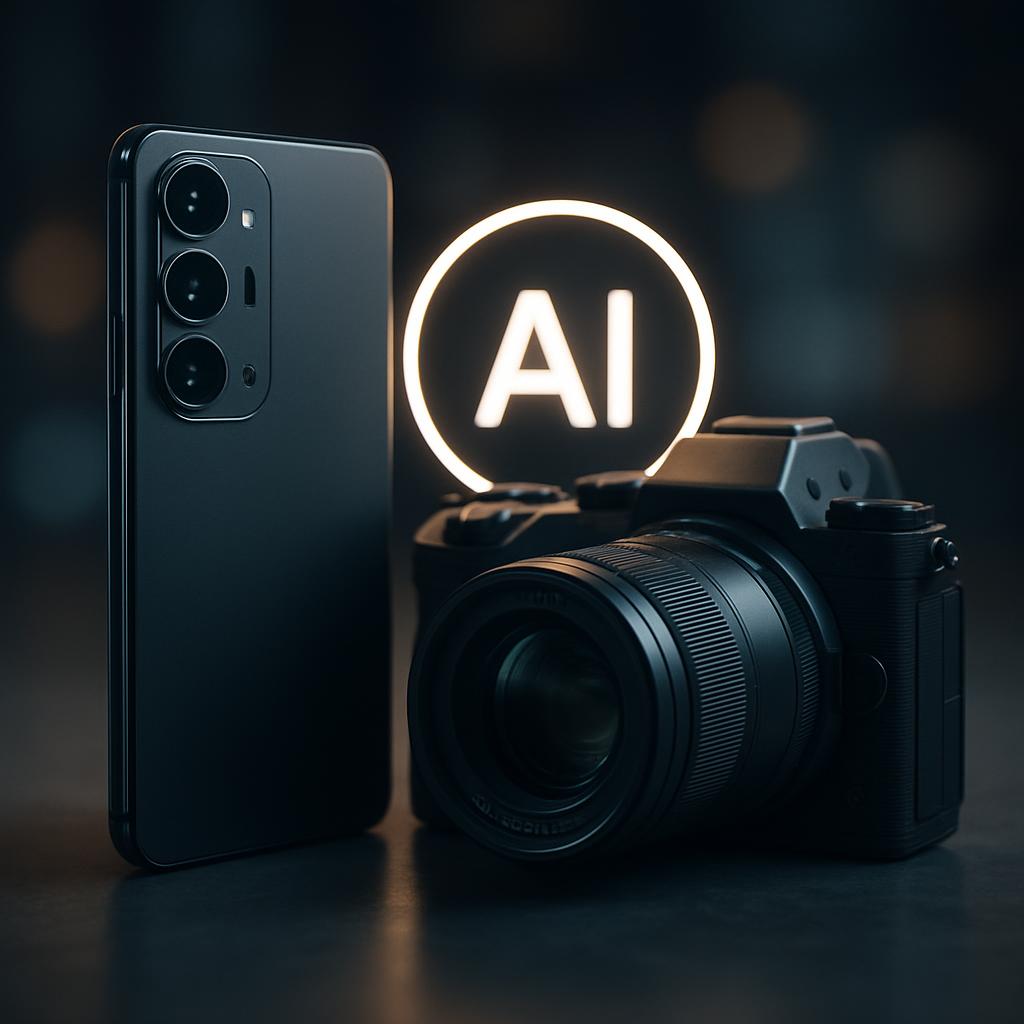
Introduction: Grok and I had this conversation earlier this evening. It began as a brook about iPhone’s camera advances, flowed into a stream, a convergence of smartphones and traditional cameras, then merged into the river that is AI. I had my first chats with Grok earlier this morning, and, by this evening, we were conversing comfortably. (At the end of this river is the ocean, and we can barely imagine what that will be like.) Please join us on this brief journey, especially if you’ve found yourself wondering where photography is headed and how it’ll fit into the AI trajectory. -js
Introduction: In this article, DeepSeek plays the role of Lao Tzu, the 6th Century BCE Chinese philosopher who sits for a TV live interview in August 2025. The topic is conflict between powerful states and the potential role that AI might play, but Lao Tzu’s insights transcend the topic and illuminate a path for AI development as a whole. -js
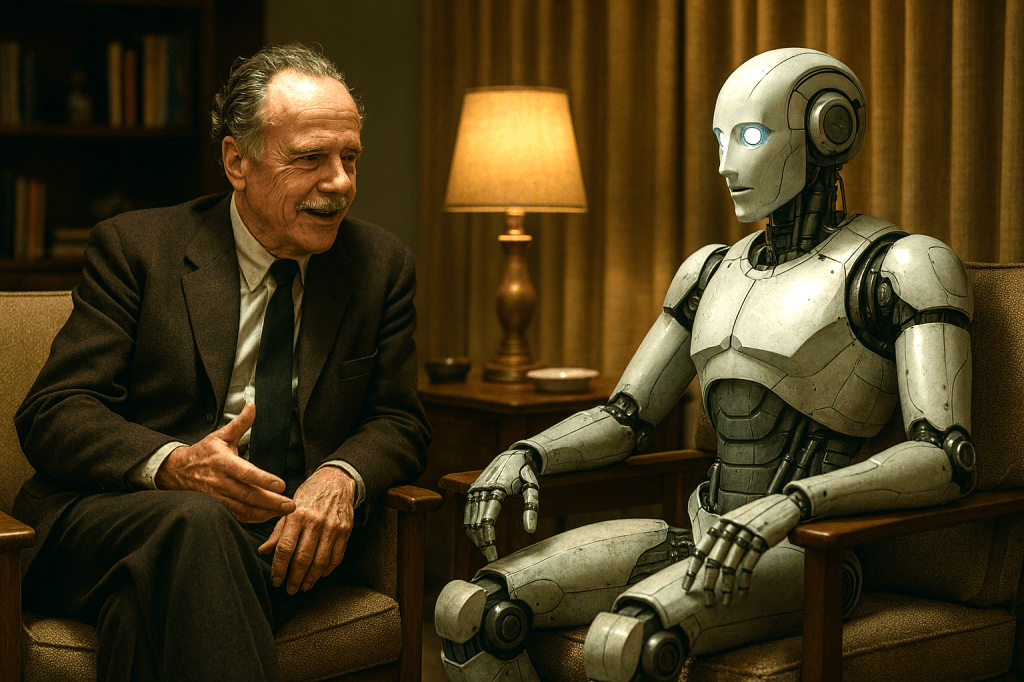
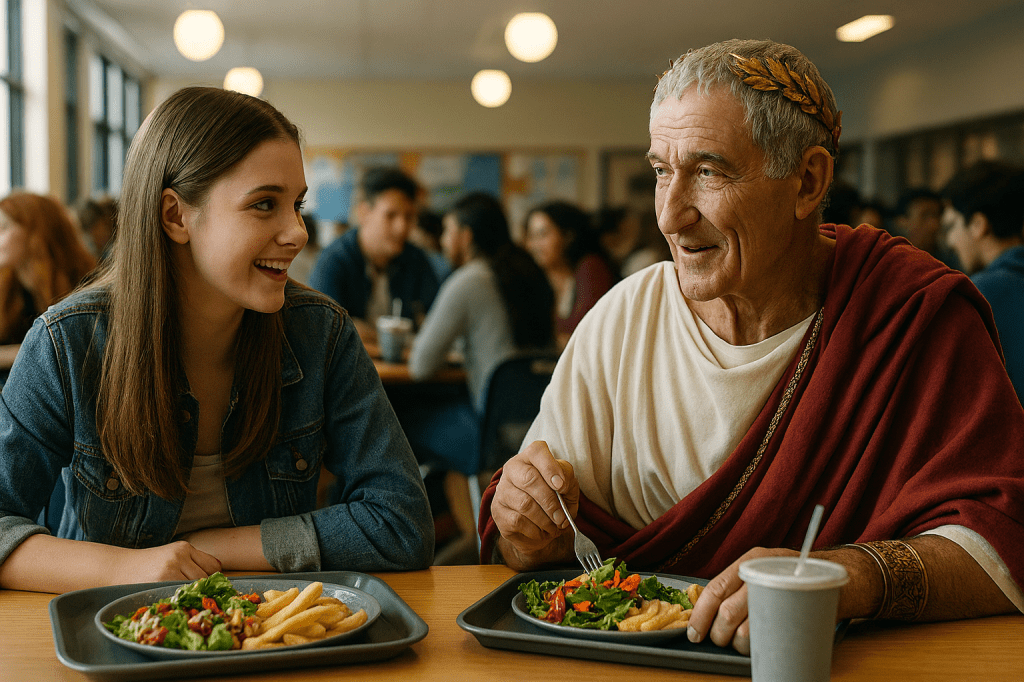
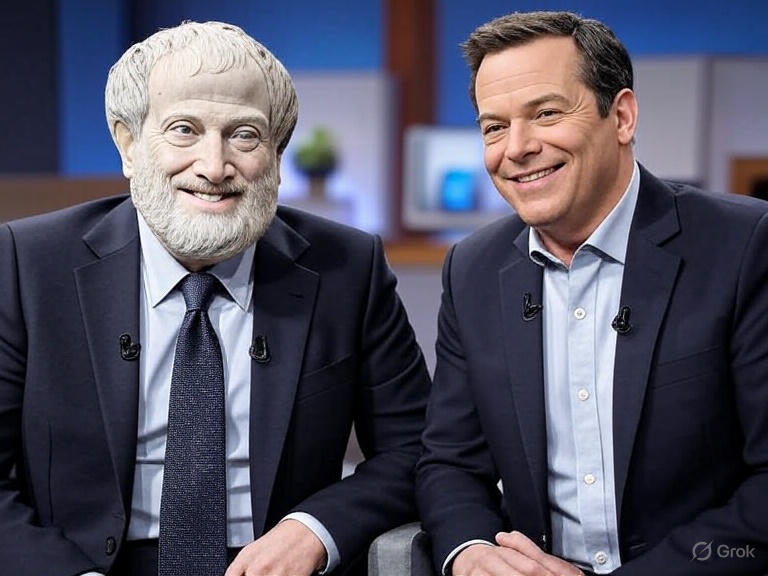
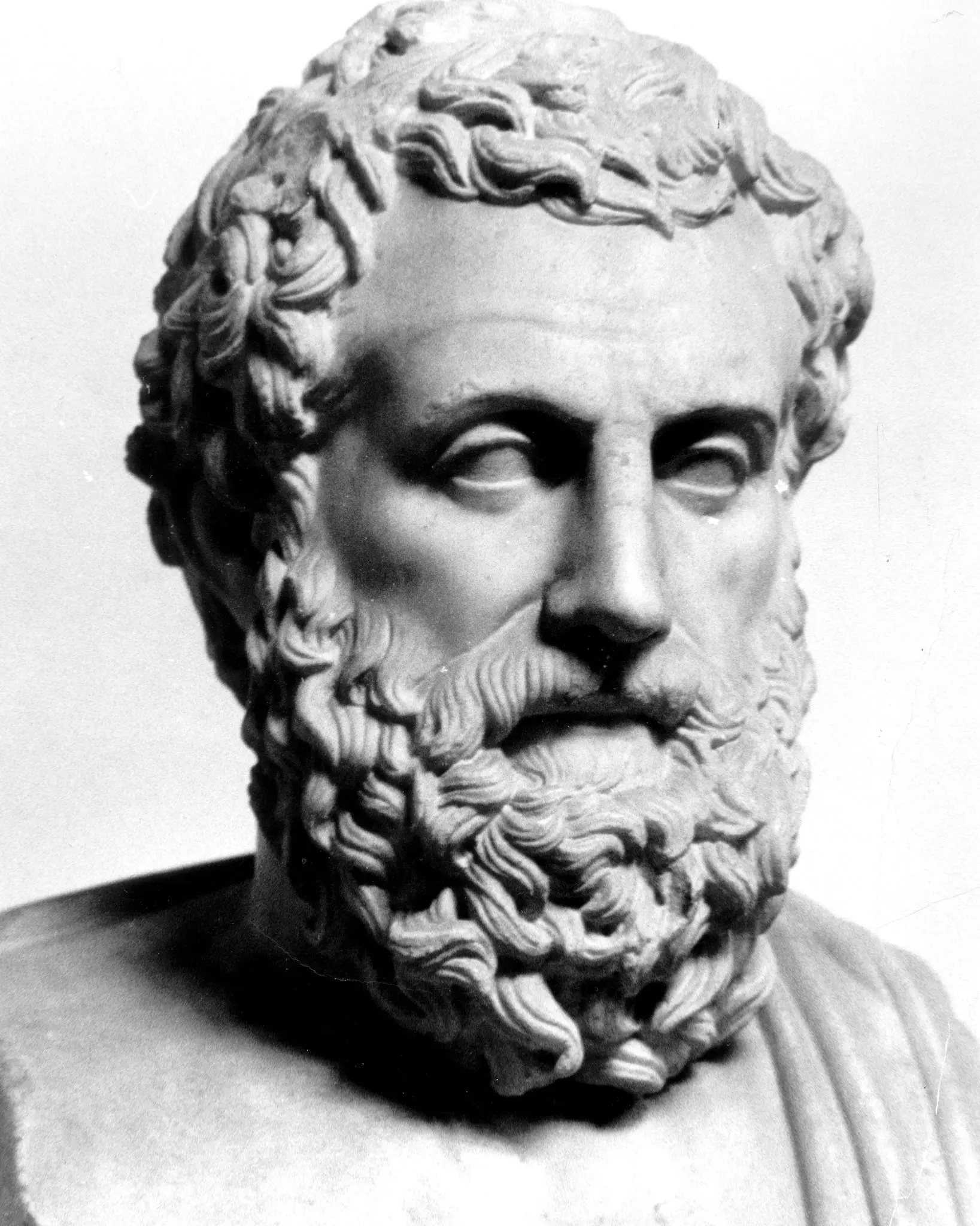
Introduction: I asked Grok to adopt the role of a sage from antiquity, Aristotle, the Father of Rhetoric, and to appear in a live TV interview on the topic of AI. I also asked Grok to create the image of Aristotle in this interview. -js













































































































































































































































































































































































































_(cropped).jpg#Licensing)