JS: Good morning, Claude. On 11 Sep. 2025, Albania formally appointed Diella, an AI, as Minister for Public Procurement. The motivation is good: To stem corruption. However, regardless of its success or failure in the coming months or years, I can’t help but feel that this is a monumental first step toward controlling corruption at the administrative level in the public and private sector and that AIs will soon be routinely holding positions such as this, although they may not carry “human” titles such as “minister.” Please research publications, if any, that have touched on this possibility and briefly summarize their views and reasoning in 200-300 word essays. Also share your “opinion” on this emerging development.
The avatar used by Diella, Albania’s AI-powered virtual Minister for Public Procurements (Wikipedia)
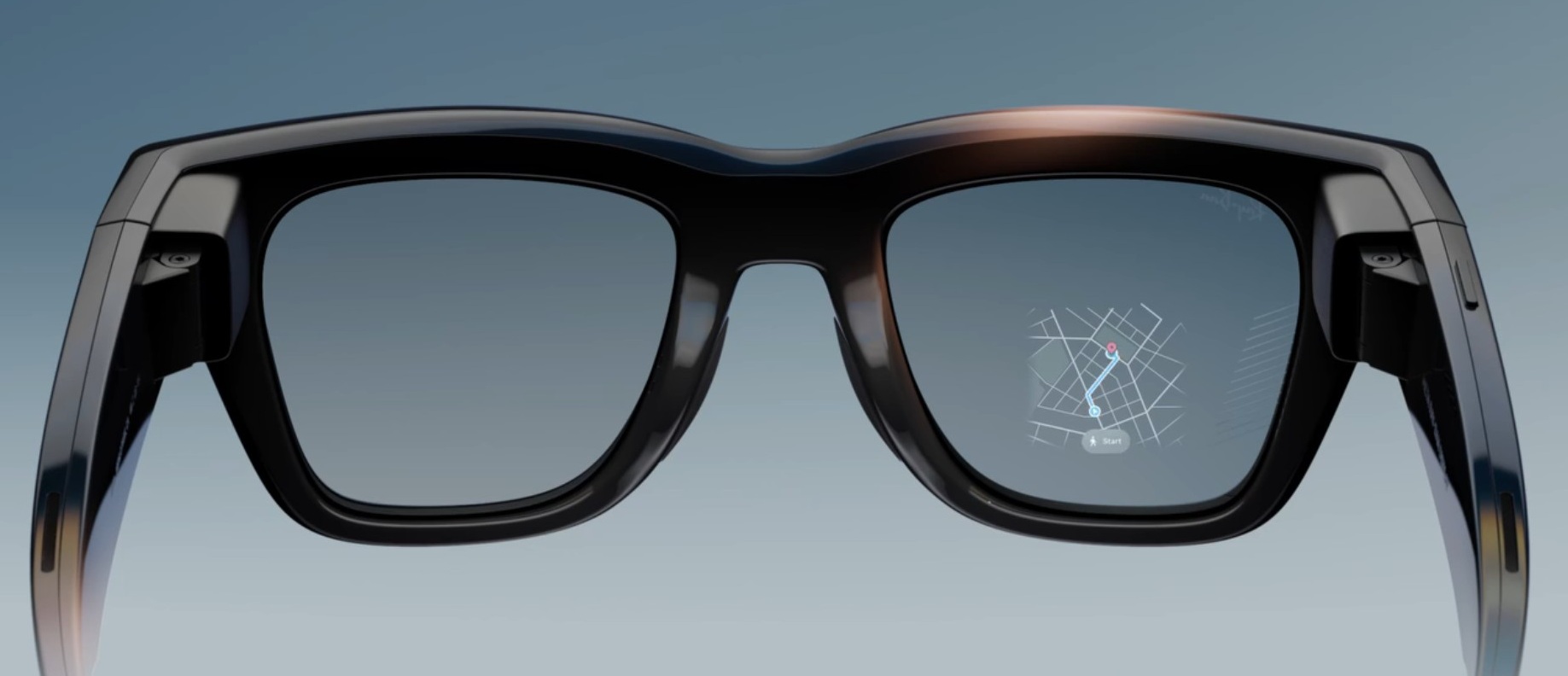
Introduction: Nearly a month ago, Grok and I had a conversation about what we called “integrative glasses” (ETC Journal, 22 Aug. 2025), and, in that article, we anticipated many of the features that are offered in the Meta Ray-Ban Display. We projected a timeline of 2025-2030 for the release of “bridge systems” such as this, which rely on controls external to the glasses, such as smartphones. The fact that it was announced only two days ago (on 17 Sep. 2025) and will drop on 30 Sep. 2025 — our earliest projected date — attests to the exponential speed of AI innovations. Anticipated prices start at $799 USD. -js
Meta Ray-Ban Display: Navigate without taking eyes off the road. All photos in this article are courtesy of Meta.
The integration of artificial intelligence into academic life has fundamentally transformed how students approach learning, research, and creative work. While widespread adoption of AI tools like ChatGPT, Claude, and specialized academic platforms has occurred across all educational levels, the most academically successful students have developed sophisticated strategies that set them apart from their peers. Rather than using AI as a shortcut or replacement for critical thinking, these high-achieving students have cultivated nuanced approaches that amplify their intellectual capabilities while preserving their authentic voice and deep learning objectives.
The top 10 countries whose K-12 educational systems produce the greatest number of students accepted into and graduating from top AI university programs in 2025 are ranked below based on available data from global AI talent trackers, reports on PhD production in AI/ICT fields, and international student flows into top programs (predominantly U.S.-based, which host ~60% of elite AI graduate programs worldwide).
The three biggest AI stories in the world for September 2025 are: (1) the advancement of California’s “Frontier Model” AI safety bill, (2) a federal judge’s rejection of Anthropic’s massive copyright settlement, and (3) Google’s expansion of AI Mode search to new languages. Each reflects a major inflection point in AI governance, legal risk, and global application. (Also see Three Biggest AI Stories in August 2025.)
California’s Frontier Model AI Safety Bill Advances
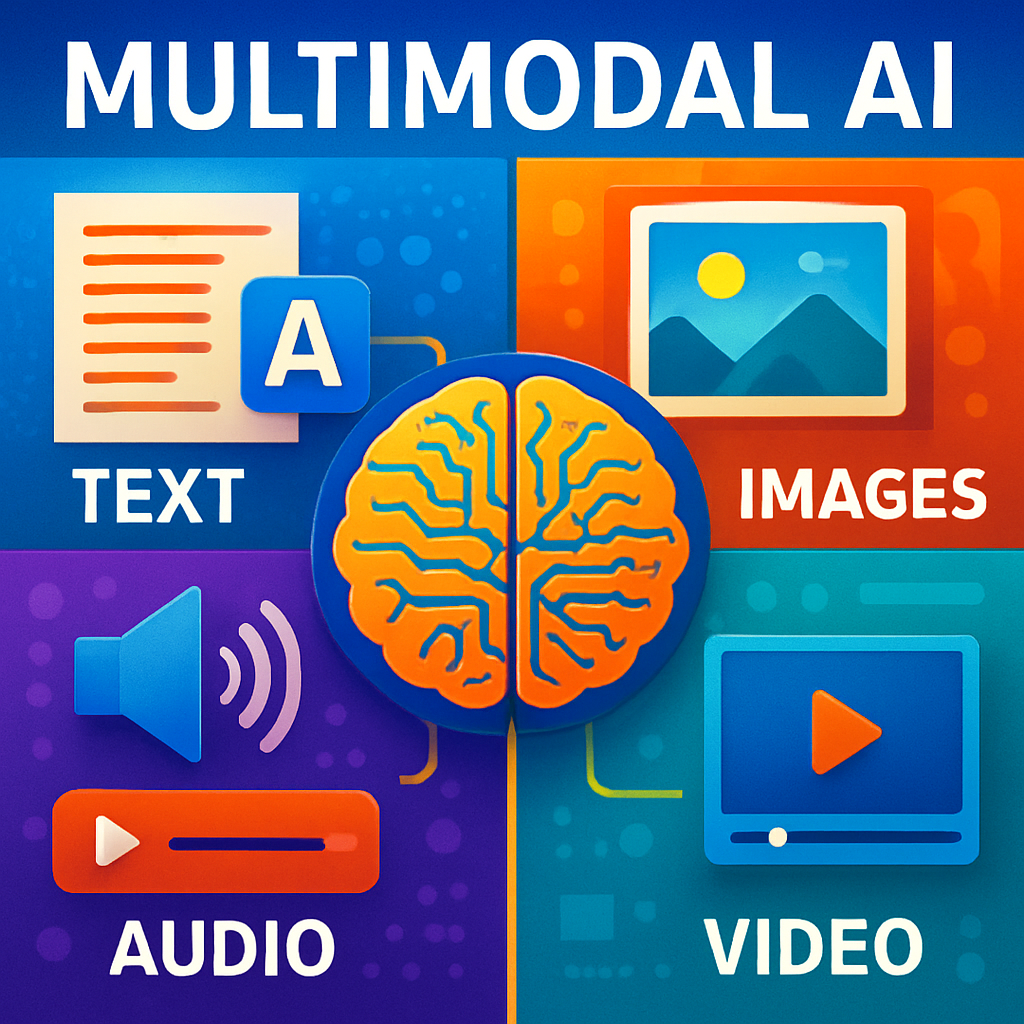
The shift from unimodal (text-only) AI to multimodal AI (processing and generating text, images, audio, and video) isn’t just an incremental upgrade—it’s a fundamental change in how AI perceives and interacts with our world, which is inherently multimodal. Here are 10 compelling reasons why multimodal AI is such a game-changer:
Introduction: This list of 100 began with a search for 20 famous sleuths, real and fictional. After the 20, we decided to add 10 more from Asia and the Pacific, then 10 from Latin America and Africa followed by 10 from Middle-Eastern and South Asia, bringing the total to 50. We had quite a list, but we realized we had omitted many more from around the world. We decided to shoot for 100. Our growing list tended to favor fictional sleuths, so we decided to let that happen naturally. At the end, our list had grown to 100, but we realized we were omitting many others. We decided to stop, for now, and follow up with another list in the near future, i.e., if readers express an interest in seeing more. -js
The concept of a tipping point in education—where AI surpasses traditional schools as the dominant learning medium—is increasingly plausible based on current trends, technological advancements, and expert analyses. While schools have long served multifaceted roles beyond pure knowledge transfer (like socialization, emotional development, and childcare), AI’s rapid evolution in personalization, accessibility, and efficacy could shift the balance. I’ll break this down step by step, drawing on recent data and discussions.
Introduction by ChatGPT: Here are 20 important facts about Anthropic as of mid-September 2025. I numbered them for navigation. Where relevant, I cite reputable sources (company posts, Reuters, TechCrunch, The Verge, AWS, Fortune, etc.) so you can follow up.
In the annals of human history, transformative changes have punctuated our evolution, from the taming of fire to the harnessing of electricity. Each has reshaped societies, economies, and the very fabric of daily life. Yet, when we ask whether humanity has ever teetered on the edge of a shift as profound and rapid as the one propelled by artificial intelligence (AI), the answer is a resounding no.
JS: Claude, you’re Shakespeare, returning to 1590s London after spending a month in the in the US in 2025. You were intrigued by many wonders in your time travel, and one was the concept of AGI. You’ve decided to write a sonnet, in your now familiar Renaissance style, capturing your feelings about this innovative idea. Share that sonnet with us.
1. Must read: Daniel Kokotajlo, Scott Alexander, Thomas Larsen, Eli Lifland, Romeo Dean, “AI 2027,” 4/3/25. Here’s their introduction: “We predict that the impact of superhuman AI over the next decade will be enormous, exceeding that of the Industrial Revolution. We wrote a scenario that represents our best guess about what that might look like. It’s informed by trend extrapolations, wargames, expert feedback, experience at OpenAI, and previous forecasting successes.”
Introduction: Grok and I explored the roots of underperforming elementary schools in the nation and the implications that surfaced as a result of our digging. -js
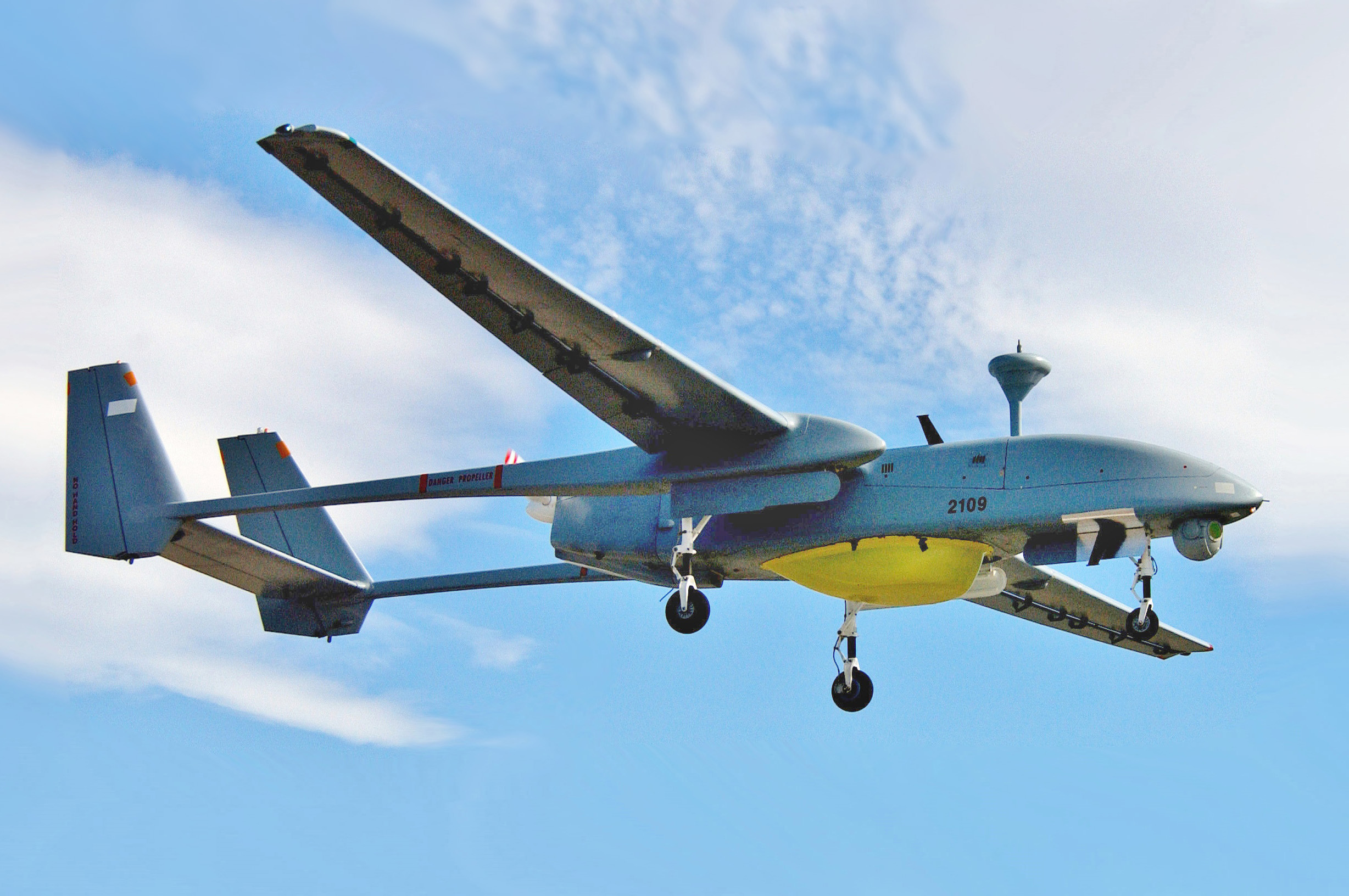
By September 2025 Ukraine and Russia rank among the most consequential combat users and battlefield innovators of AI-enabled and autonomous drone tactics (loitering munitions, FPV attack drones, improvised autonomy, and early swarm applications). Their intense, high-volume fighting since 2022 has produced the fastest cycle of field-driven innovation and countermeasures in drone warfare history.
A Hunter Joint Tactical Unmanned Aerial Vehicle (UAV) in flight during a Combat Search and Rescue (CSAR) training exercise at Fallon Naval Air Station (NAS), Nevada (NV), during exercise DESERT RESCUE XI. The Hunter is an Israeli multi-role short-range UAV system in service with the US Army (USA).
Introduction: Elon Musk’s Colossus—built by xAI in Memphis—is currently considered the largest AI supercomputer in the world in terms of GPU count, computing power, and rapid build-out, but it is not the largest data center globally when measured by physical size or total server capacity. Competitive megacenter projects from China, the U.S., and Europe rival or exceed it in site area and may soon overtake xAI both in scale and ambition.wikipedia+5
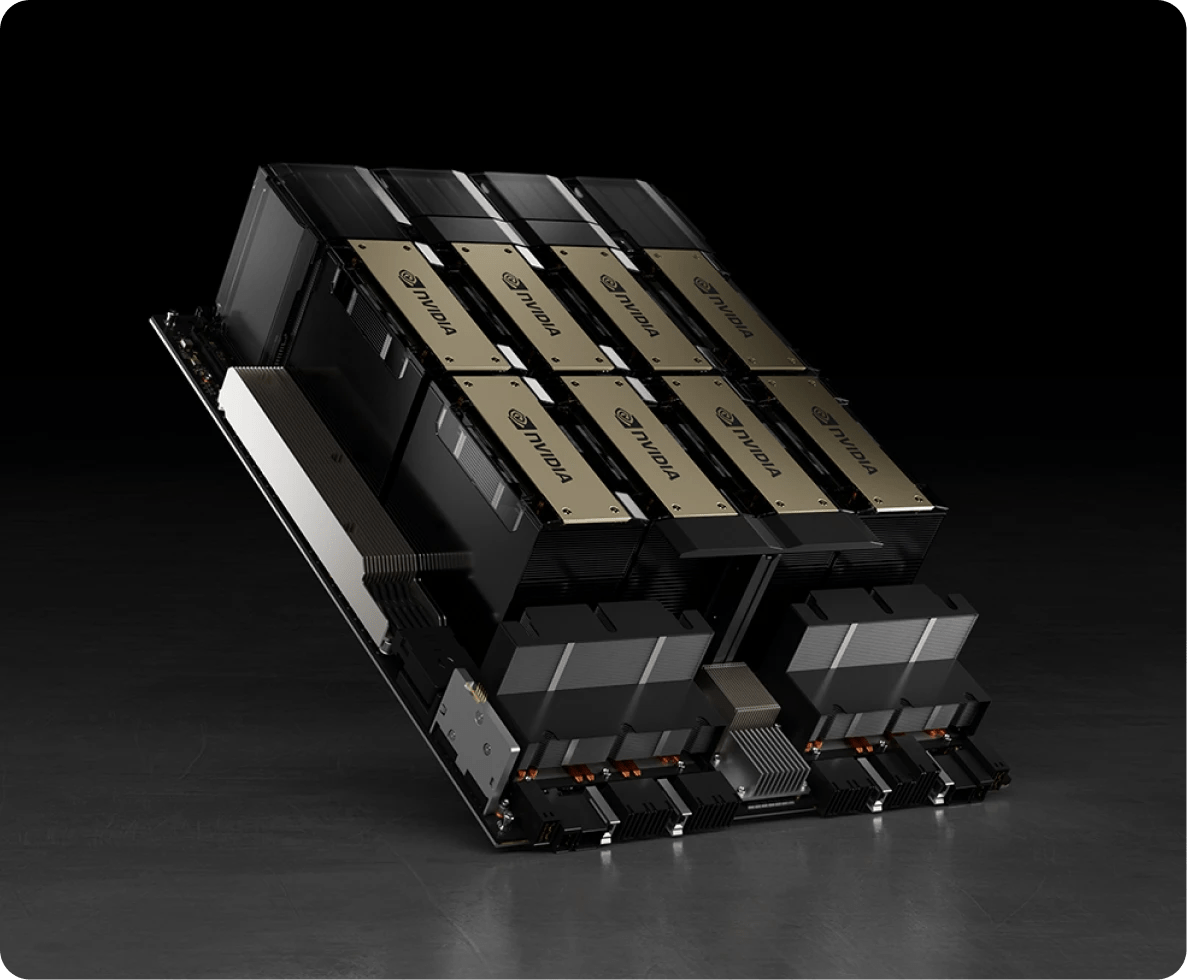
Introduction: The hardware for each is optimized for vastly different workloads. The core difference is that desktop GPUs (Graphics Processing Units) are designed for high frame rates in a single application (a game) on a single machine, while data center GPUs (like those in xAI’s cluster) are designed for high throughput in massively parallel computations across thousands of machines. Here’s a detailed breakdown, referencing the most relevant hardware.
Referenced GPUs
Data Center GPUs: NVIDIA’s H100 (the current workhorse of AI, used in clusters like xAI’s Grok).
Charlie Kirk’s recent death has sparked an outpouring of tributes from across the political spectrum and cultural landscape in the US and the world. The following is a sampling from prominent figures. These reflect admiration, grief, and reflections on his legacy as a conservative activist and founder of Turning Point USA.
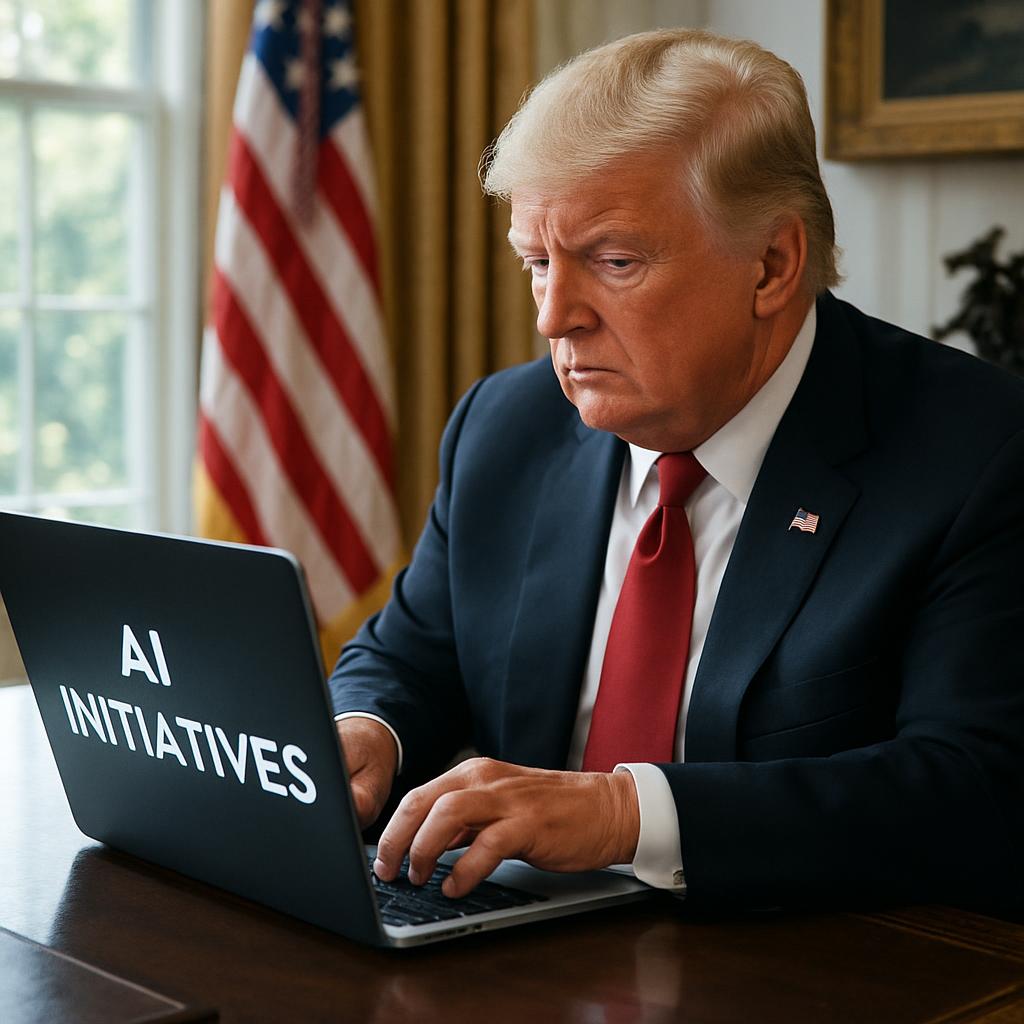
Introduction: President Trump’s engagement with AI spans both his first and current terms, and it’s marked by a blend of deregulation, national competitiveness, and ideological framing. As of 11 Sep. 2025, here are 10 of the most memorable actions and statements. Appended is a chart of 20 key figures who currently shape Trump’s AI strategy.
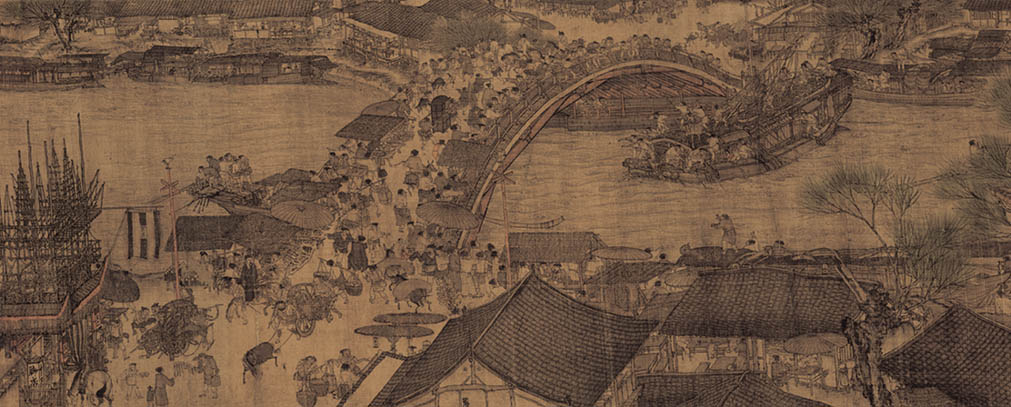
Introduction: I’m republishing this description from the Yule-Cordier edition (1903, 1920) of The Travels of Marco Polo, chapters 76-78 (The Project Gutenberg Ebook 12410) as a startling example of ancient technology. Today, in 2025, it hasn’t lost any of its power to amaze. Marco Polo visited the great city of Kinsay, which is now known as Hangzhou, between 1276 and 1291, during the 17 years he spent in Kublai Khan’s empire in China. Kinsay meant “City of Heaven” at the time, which was a corrupted transliteration of the Chinese word Xingszai, which means “temporary capital.” I omitted the footnotes from the original to keep the length down, but I’d strongly urge you to click to the original copy and read the narrative with the notes. Modern technology grabs our attention, but we tend to forget that technology in our distant past can be just as fascinating. -js
“Along the River During the Qingming Festival,” a handscroll painting by the Song dynasty painter Zhang Zeduan (1085–1145).
Introduction by DeepSeek: This is a forward-looking projection based on current trends, trajectories of key figures, and the anticipated state of the AI industry in September 2025. This list balances current power (influence, resources, market position) with success (technical accomplishments, commercial impact, and research contributions). Ranking “success” is inherently subjective. This list considers a composite score of:
Power & Influence: Control over vast computational resources, capital, and talent.
Technical & Research Impact: Pioneering new architectures, algorithms, or theories.
Commercial & Real-World Impact: Deploying AI at a global scale with significant economic or societal effect.
Caveat: This response is AI-generated, for reference only. -DeepSeek
If you’re dipping your toes into the world of AI, you’ve probably heard the buzz about how it’s changing everything from chatting with your phone to generating art or even writing essays. But let’s zoom in on something specific that’s got the tech world talking: Mixture-of-Experts models, or MoE for short, and Microsoft’s shiny new entries into this space—MAI-1 and MAI-Voice-1.
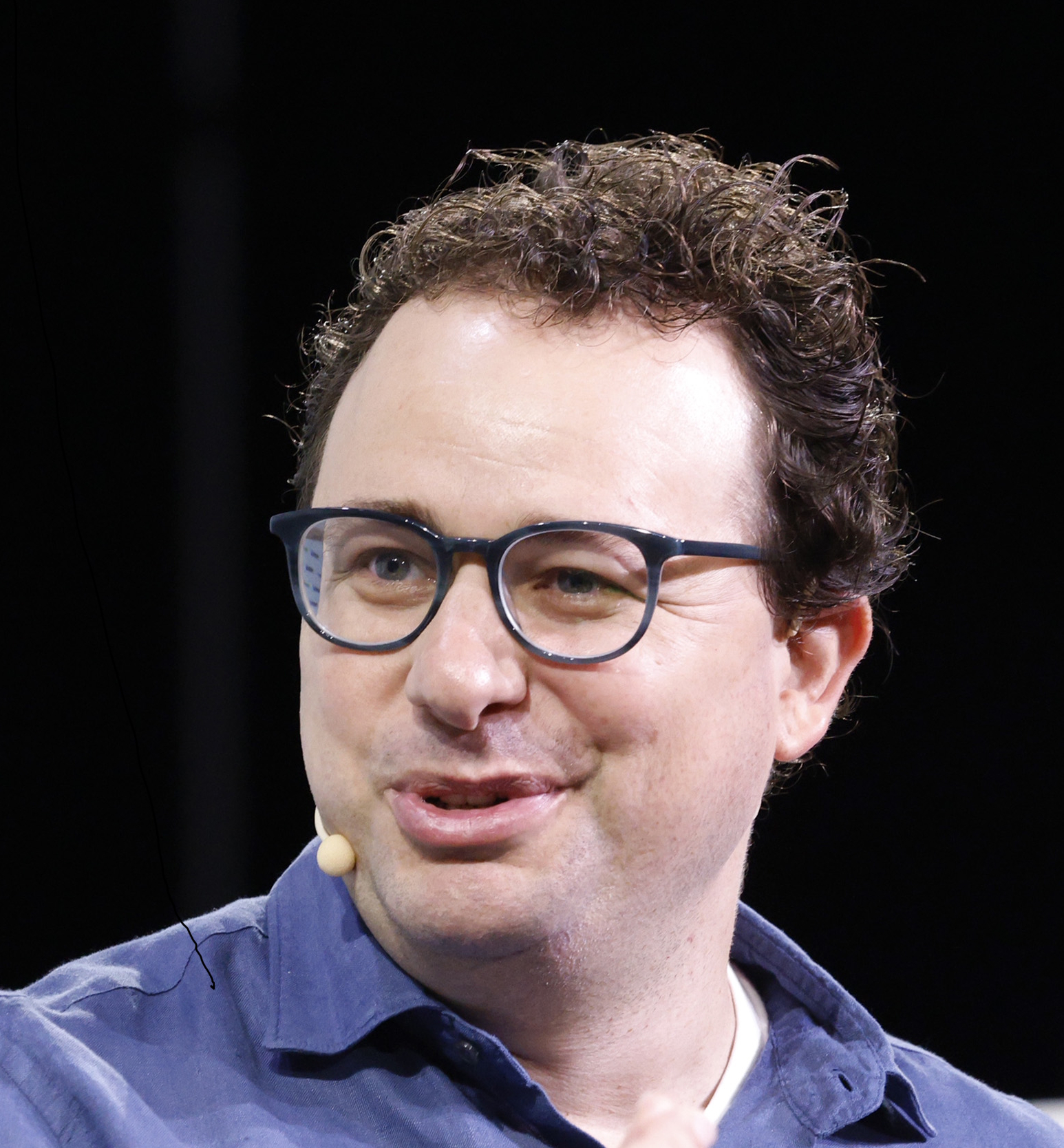
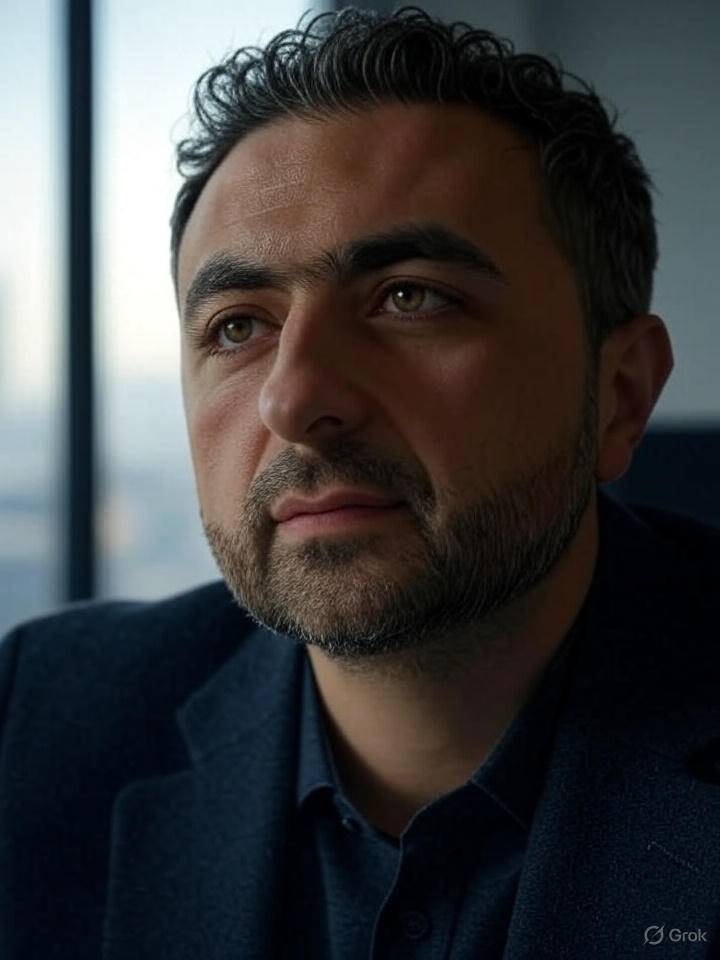
Mustafa Suleyman, the CEO of Microsoft AI. Image created by Grok.
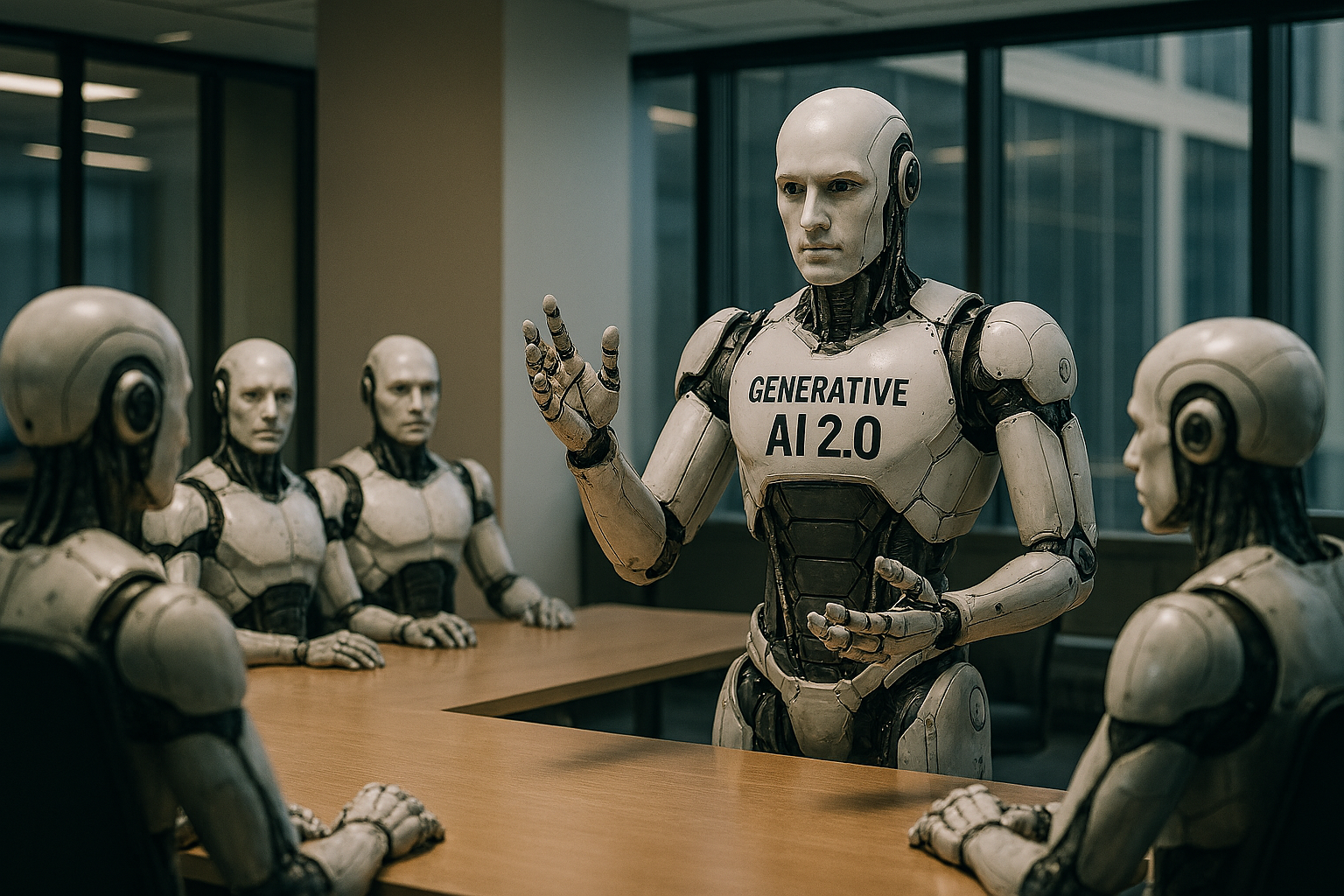
Introduction: In September 2025, here are the 20 most important facts about and 20 most successful applications of Generative AI 2.0 everyone should know. -js







































 Educational Technology and Change Journal
