





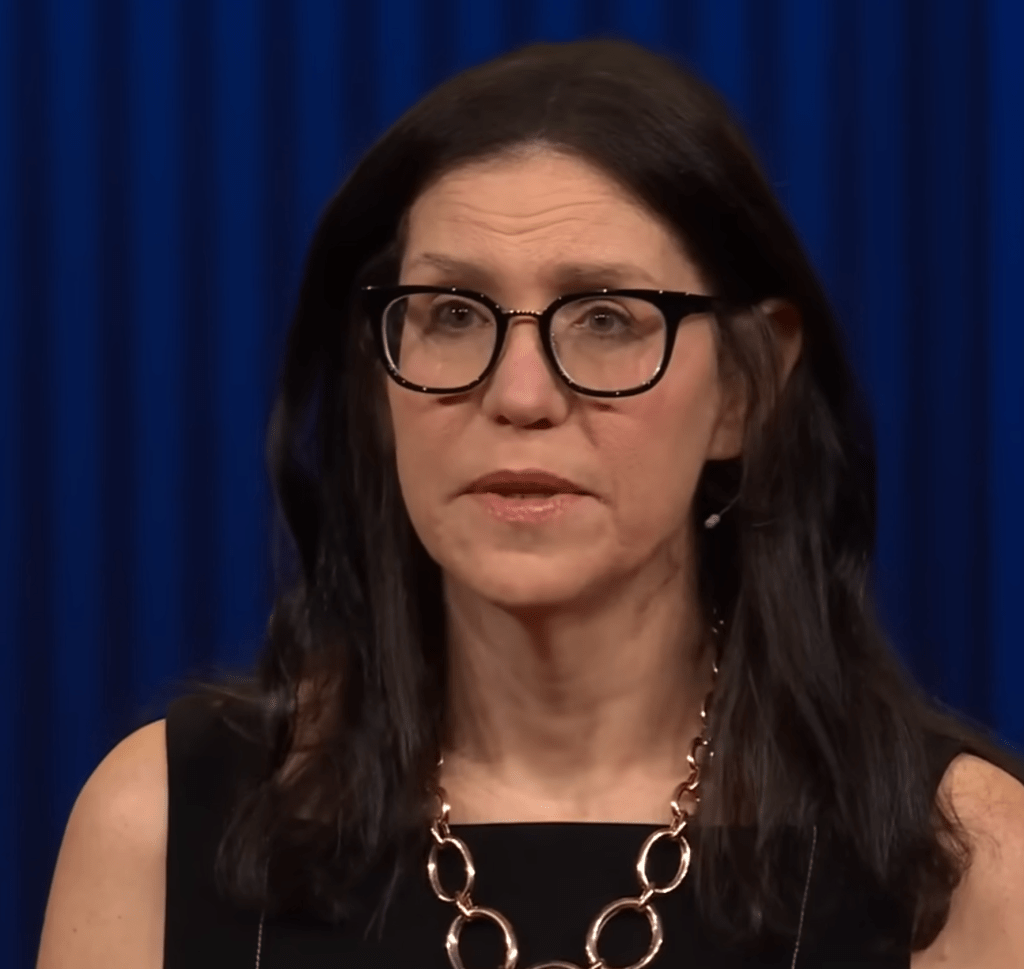
Dr. Lynn Zimmerman
Professor Emerita, Education, Purdue University
lwzimmer@pnw.edu
Lynn Zimmerman earned a BA at the University of North Carolina at Chapel Hill, a Master’s of Science in Library Science at the University of North Carolina at Chapel Hill, a Master’s of Science in TESOL at Shenandoah University, and a PhD in Curriculum
and Teaching at the University of North Carolina at Greensboro.
Before taking early retirement, she taught educational foundations, and TESOL
(Teaching English to Learners of Other Languages) licensure courses at the
undergraduate and graduate levels in the College of Education at Purdue University
Calumet.
In addition to teaching in the US, she has taught internationally for some years in
various capacities. She served as a Peace Corps volunteer in Poland from 1992-1994
teaching English as a foreign language to Polish high school students. She has returned
to Poland on a number of occasions where she has taught English to Polish high school
students in summer language immersion camps; worked with senior citizens who
wanted to improve their English skills; and conducted workshops for Polish secondary
teachers on teaching about the Holocaust. She was awarded a Fulbright Scholarship at
the University of Wroclaw in Poland in Spring 2009 which led to her teaching
intercultural communication courses in the Department of Applied Linguistics at
Tischner European University in Krakow, Poland for several semesters.
During academic year 2014-2014, she served as an English Language Fellow at
Aleksander Xhuvani University in Elbasan, Albania where she taught a variety of
courses in the English Language Teachers Master’s program, including Research
Methods, Technology & Teaching English, Second Language Acquisition, and English
Teaching Methods. Then she was a Fulbright Scholar in Fall 2015 at Baranovichi State
University in Baranovichi, Belarus and in Spring 2016 at the International Relations
Institute of Moldova in Chisinau, Moldova. She has been an English Language
Specialist in Chad, Uzbekistan, and Pakistan focusing on EFL (English as a Foreign
Language) training. Most recently, she served as a Fulbright Distinguished Scholar at
Marie Curie-Skłodowska University in Lublin, Poland.
Zimmerman’s research interests are varied, reflecting her work in diversity and
language issues. Zimmerman is a frequent speaker at regional, national, and
international conferences, and has written numerous articles on topics as varied as
English for Speakers of Other Languages (ESOL) issues, immigration, race, gender
issues, and Holocaust education.
ETC Publications
 How I Use AI As a Teacher-Trainer F2F Teaching: Is One Mask Enough? Mute That Zoom, Please What’s Going On As School-age Children Are Staying at Home? Stuck in Tashkent with Questions About Online Teaching: A COVID-19 Response Messaging Apps ‘Buzzy’s Adventures in Online Privacy’ — A Review The Future of AI in Education? Teaching with Technology; Preventing Online Grooming Motivation in Online Learning, Online Pronunciation Resources, Mobile Technology Technology Integration, Online Privacy, UX Design Frameworks for Ed Tech Integration: SAMR and TPACK The Thai Cave Rescue: Implications for Teacher Education? Two Frameworks for 21st Century Skills A Look at TeacherTube: A YouTube Alternative To Code or Not to Code Digital Tools and Adaptive Technology Digital Storytelling and Authenticity ‘A Child’s Relationships with Technology’ Do Mobile Devices Harm Toddlers’ Speech Development? Digital Literacy Does Not Mean Critical Thinking QR Codes — Mystery Solved Computational Thinking, LiuLiShuo & Audiobooks How Can Technology Enhance Language Learning? How Can I Present a Better Webinar?
 Gavin Dudeney on Technology and Teaching English English on the Internet, Game-based Learning, Kids’ Coding Got a Technology Question? Ask a Librarian Smartphones, Tablets & Subtitles for Language Learning Language Learning: Games, Social Media, and Apps Poverty, Reading, and Technology Making Literacy More Personal for Kids Who Are Your Tech-Sperts? A Proposal for Change in Our Current Model for Higher Ed My Changing Expectations About Social Media: Facebook International Students and the Need for LMS Orientations Chat Rooms, Emoji, ELLs, ABCmouse Social Media in TESOL: An Interview with John Wasko Technology in Early Education: An Interview with Katie Paciga Lessons from Large-scale Digital Curators Digital Storytelling for Social Change Language Is a Barrier to Digital Equality Technology Advice for First Year International Students in US Colleges Using GIS and GPS Technology as Teaching Tools? Textbooks, Emoticons, Assessment, Technology Digital Privacy, ELL, Smartphones and GPA, Language and Smell Technology and Our Health Literacy, Bullying, North Korea Video Games, Smartphones, Language Learning, Technology and Learning MOOCs, Skills vs. Tools, Games, Learning in the Digital World All Rise! – Ergonomics and Back Pain Free Reading and eReaders Can Raise Achievement Reading, Vocabulary, Glogster, Funding, ESL Teachers, VoiceThread Free Higher Ed, 21st Century Learning, ELLs, Standardized Tests Introduction to ‘Jewish Studies and Holocaust Education in Poland’ by Lynn Zimmerman with introduction by Jim Shimabukuro Multilingual MOOCs, Animating Textbooks, Innovative Ideas, Social Media Concerns, Internet Safety ‘Providence Talks’ – A Tech-Based Boost to Kindergarten Readiness Learning: Transformational, Flipped, Enhanced, Distracted USC Shoah Foundation: Video Challenge for Grades 6-12 ‘Teaching Digital Natives’: Difference Between ‘Relevant’ and ‘Real’ MOOCs, Ted Underwood, CALL Overview, netTrekker, Special Needs, Language Learning ‘Teaching History in the Digital Age’ – Call for a New Breed of Teachers Interactive Holographic Images Preserve Stories of Holocaust Survivors Evidence Approaches, Language Teaching Online, Literacy Skills, Parent Support for Tech ‘The Shallows’ – The Web Is Changing Our Brains Internet English, NSF’s Cyberlearning, Trace Effects 3D, STEM and Minorities Verbling, Touchscreens, Tablets, Smartphones etc. Formative Assessment and Blended Learning, Texting, Bullying, MOOCs Are Games Such As ‘Angry Birds’ Appropriate for Kids? Flipped, Blended, Distracted The Latest Technologies Bump into Obsolete Laws Sep. 20, 2012: Teachers & Technology, iPad Study, Video Sites, Computer Tutoring Sep. 6, 2012: Grammar and Texting, Flipped Classrooms, iPods, iPads Pinterest: A Quick and Easy Tool to Gather Web Materials August 21, 2012 – Education in 2020, DCL, Tech Costs Greg Green Is Flippin’ in Clinton Udacity and Implications for Higher Ed Social Media Is a Minefield for Educators Plagiarism: Alive and Kicking in Academia A Talk with Janet Buckenmeyer on Issues in Online Course Development Grodzka Gate – A Portal to Our Past Integration of Pedagogy and Technology in Teacher Education: An Interview with Emily Hixon Are Online Discussions a Form of Writing or Speaking – or Something Altogether Different? Questions About Teacherless Online Classes Critical Importance of Social Interaction in Online Courses A Lesson from Haiti: Despite the Lack of IT, Learning Happens What Can We Do About Low Returns for Online Student Evaluations? Are Low Returns the Norm for Online Student Evaluations? PLENK2010 – How Can PLEs Benefit My Students? HOT@ ETAI – Day 2: English Teachers Association of Israel HOT@ ETAI – English Teachers Association of Israel Online Self-Publishing: Wave of the Future? Learning Styles and the Online Student: Moving Beyond Reading The Holocaust and Technology Twitter Could Drive You Cuckoo ‘College for $99 a Month’ – Persons Are Important, Presence Is Not? Computers in the Classroom Can Be Boring ESL/EFL Teachers and How They Use Technology A Digital Educator in Poland Hybrid, Online, or F2F – It Depends Access: The New Imperialism? Resistance to Technology: Conscious or Unconscious?
Filed under: Uncategorized |



































































































































































































































































































































































































































































Leave a Reply