



Articles Cited:
 Carmel DeAmicis, “The Walking Dead Online Class: Are Zombies the MOOC Future?“, PandoDaily, 4 Sep. 2013.
Keith Devlin, “MOOC Mania Meets the Sober Reality of Education,” Huff Post: The Blog, 19 Aug. 2013.
Filed under: MOOC |
 | JimS on August 2026 Anthropic Scorecar… |
 | rehan on August 2026 Anthropic Scorecar… |
| JimS on Four Ways AI Could Kill Us |
 | Anonymous on Four Ways AI Could Kill Us |
| JimS on August 2026: Where AI Is Heade… |
 | Aivi Beph69 on August 2026: Where AI Is Heade… |
| JimS on The American Dream in the AI E… |
 | Aivi beph on The American Dream in the AI E… |
| JimS on Musk’s Million People on… |
 | HarryKeller on Musk’s Million People on… |
| JimS on Musk’s Million People on… |
| HarryKeller on Musk’s Million People on… |
 | Jiera Lefrisia on From AI ‘Prompts’… |
| Jiera Lefrisia on Are Amodei’s Medical Pre… |
| Jiera Lefrisia on Data Centers: Inside the Boom… |
Articles Cited:
Carmel DeAmicis, “The Walking Dead Online Class: Are Zombies the MOOC Future?“, PandoDaily, 4 Sep. 2013.
Keith Devlin, “MOOC Mania Meets the Sober Reality of Education,” Huff Post: The Blog, 19 Aug. 2013.
Filed under: MOOC |




































































































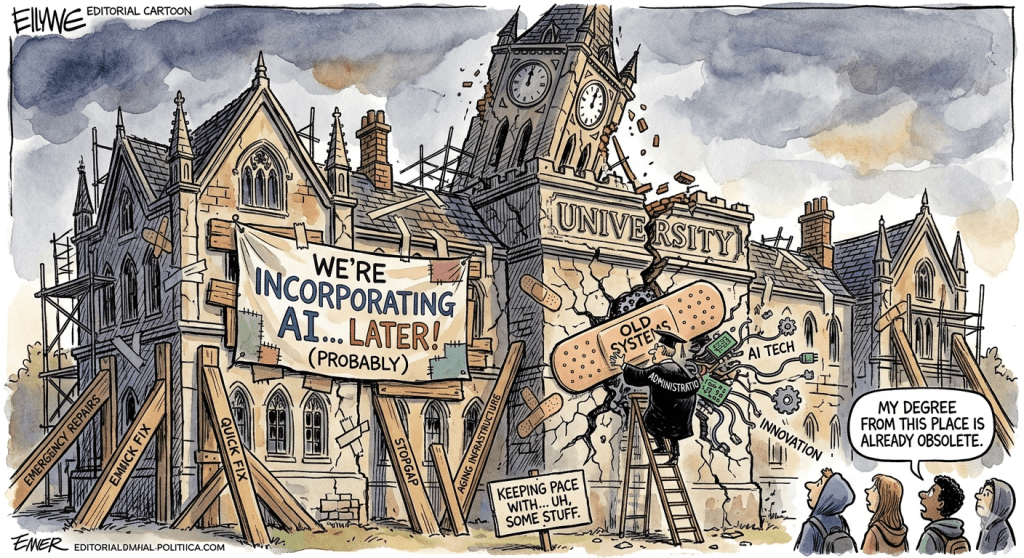





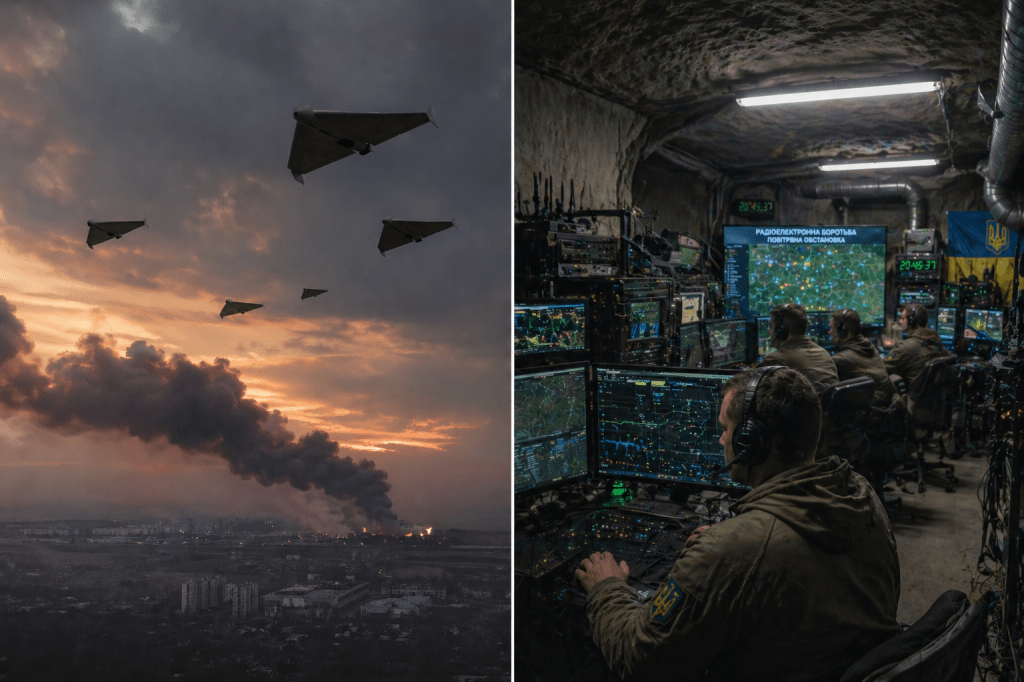



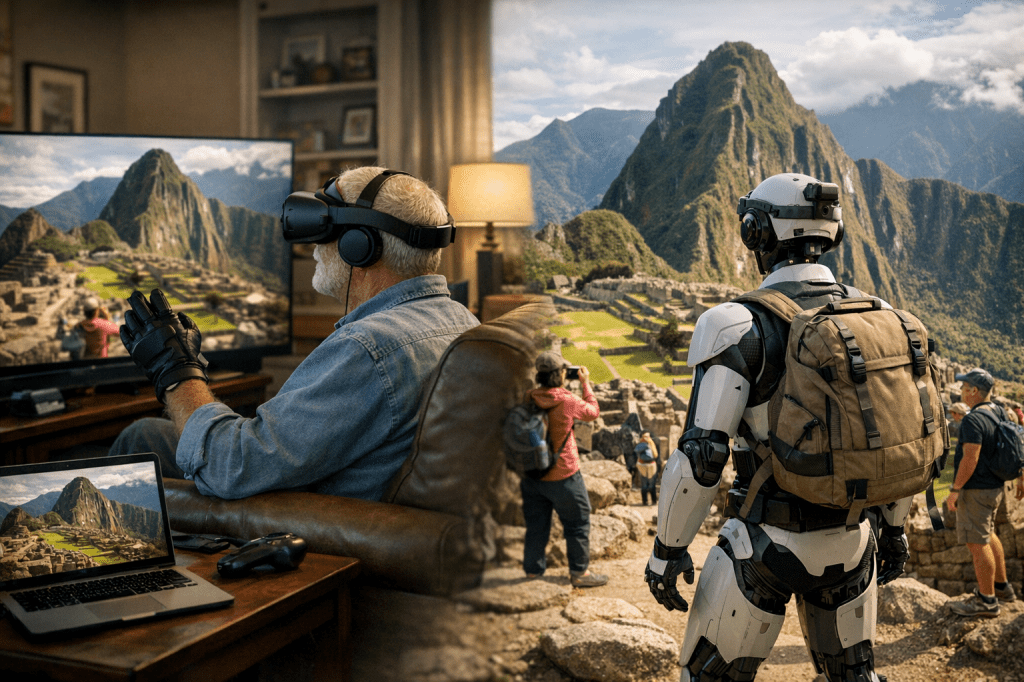


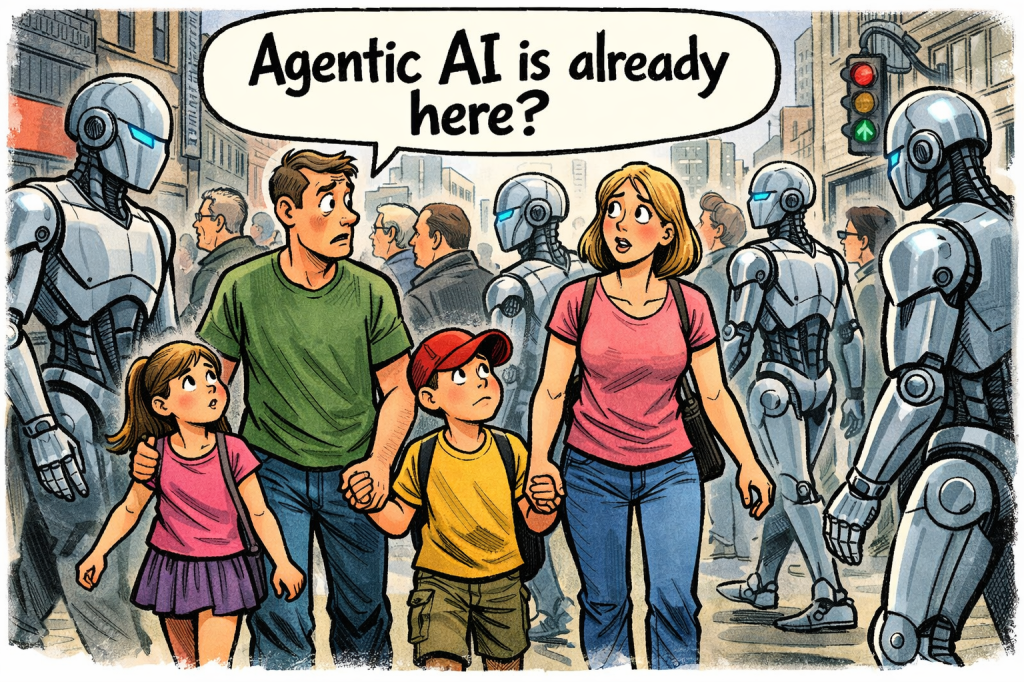
























































































































































































































































All new technologies appear to have this phenomenon. Their initial uses are constrained by limited imagination, and their potential is likewise unexplored.
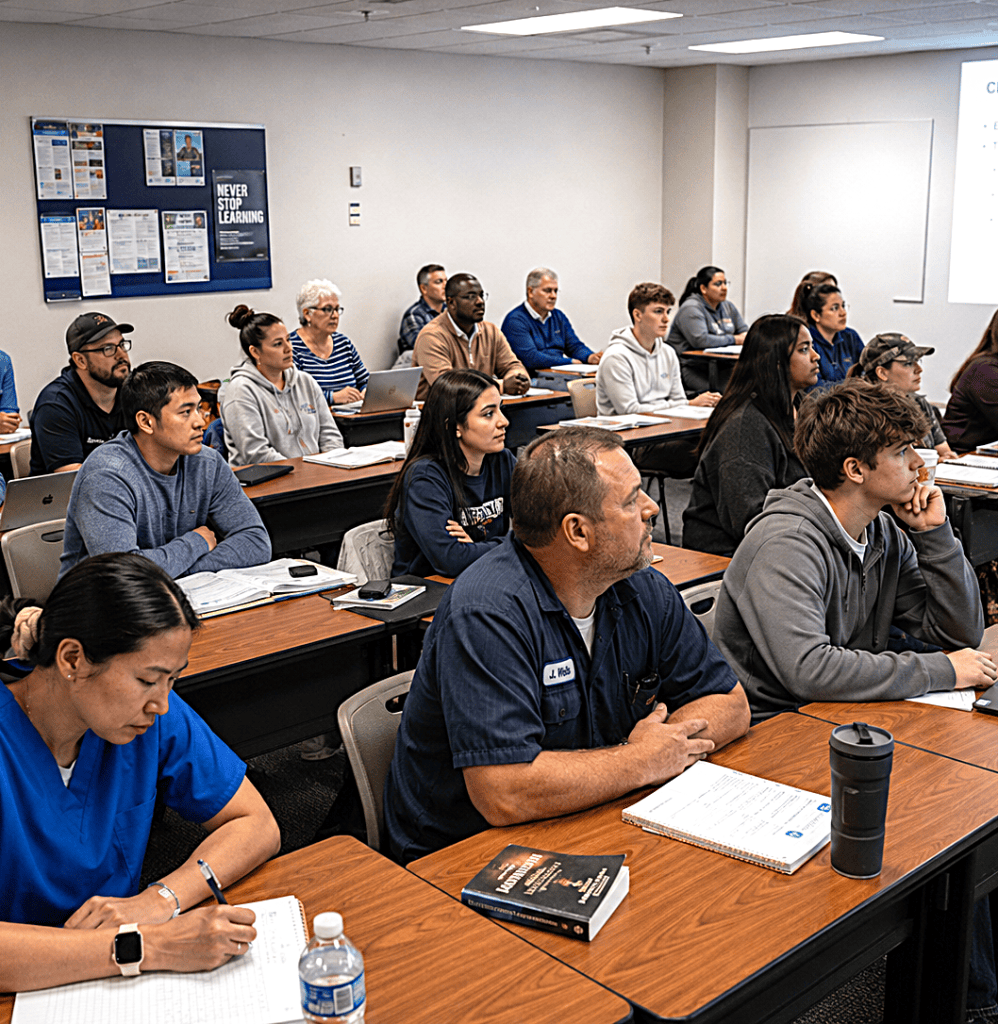
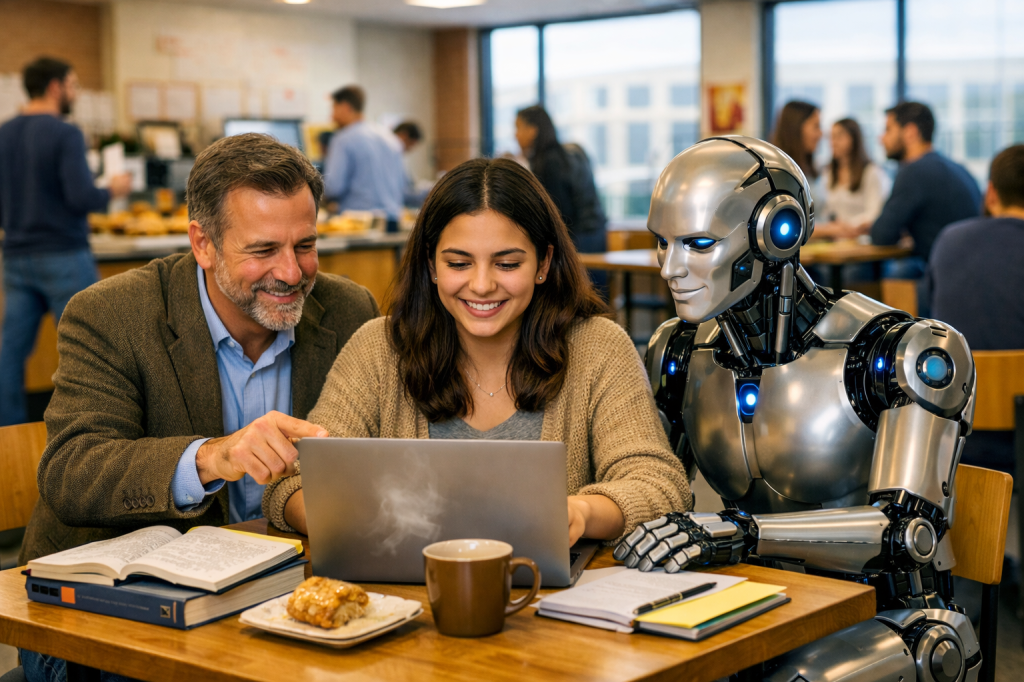
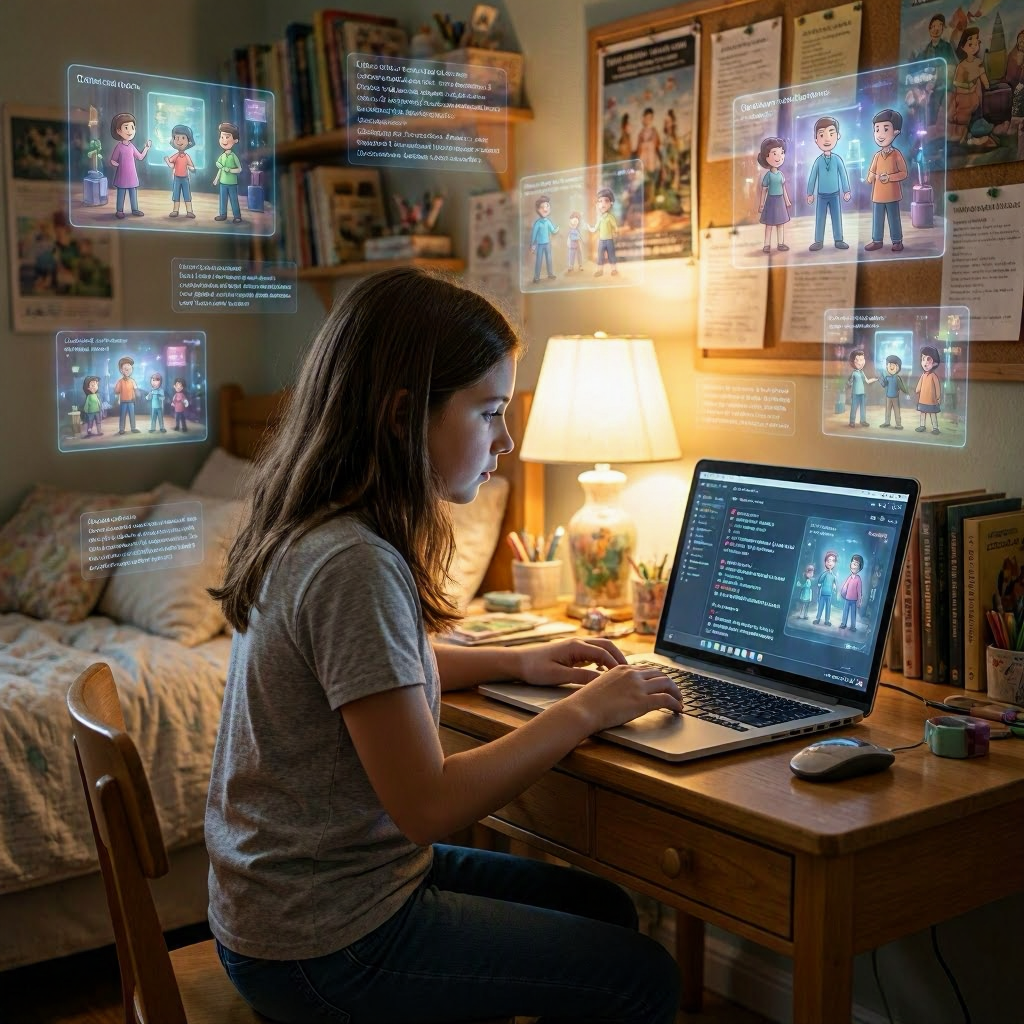
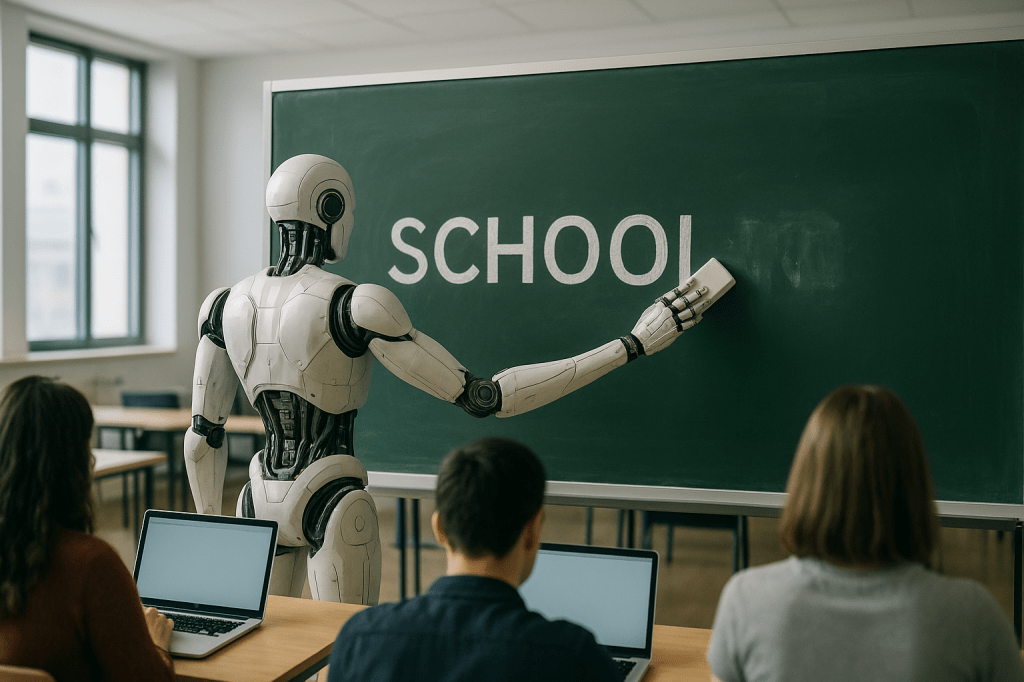
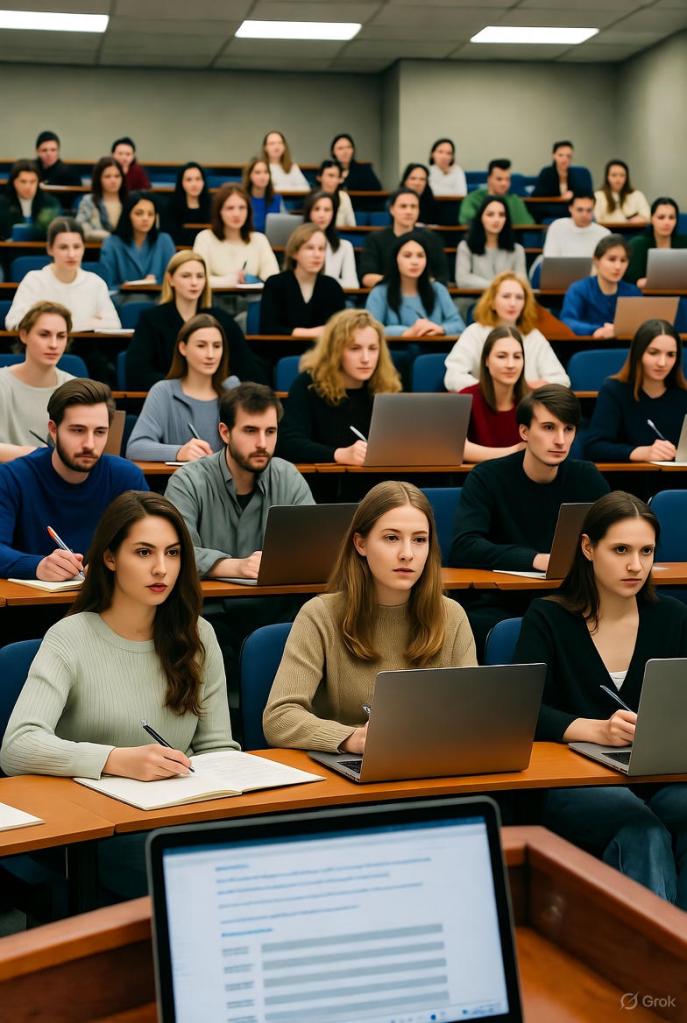
Since I first commented on MOOCS, I have presented two themes. One is that mere lectures and quizzes are hardly scratching the surface of the potential. The other is that you cannot expect millions of people to be capable of learning alone; they must have human assistance in some form. (Yes, a minority can do it, but it’s a small minority for most subjects.)
On a different dimension, I have also noted that “free” either is not or cannot remain free — or both. This fact has been proven for open source software where some such software without an enormous user potential has foundered. For those with critical mass, the people working on them have some sort of “sponsorship,” which may just be a relatively non-demanding work environment that allows for such activites or direct payment for working on something of value to the organization. Some succeed by selling services for an otherwise free product.
What will be the model for education? With K-12 teachers overwhelmed by new demands, including larger classes, how can they contribute to K-12 MOOCs? Colleges and universities are another matter. Faculty have time for research, after all. Some are giving their faculty release time to build MOOCs. There’s just the costs of maintaining them to consider. Will creating a MOOC become like writing a book — having positive impact on tenure and status for professor and institution? We don’t know.
Will new tools be created for building MOOCs that are much more than just lectures and quizzes? Certainly! What will they be and how accessible with they be? Hard to say. The courses must be more interactive and engaging. They also must allow for human intervention. Mere peer-to-peer intervention may sound great, but is Utopian. It’s like level-one support, useless without level-two backup. It will get you only so far.
This entire area is great fun to watch evolve. We don’t get to watch evolution of something new from the inside very often.
BTW, nice job!