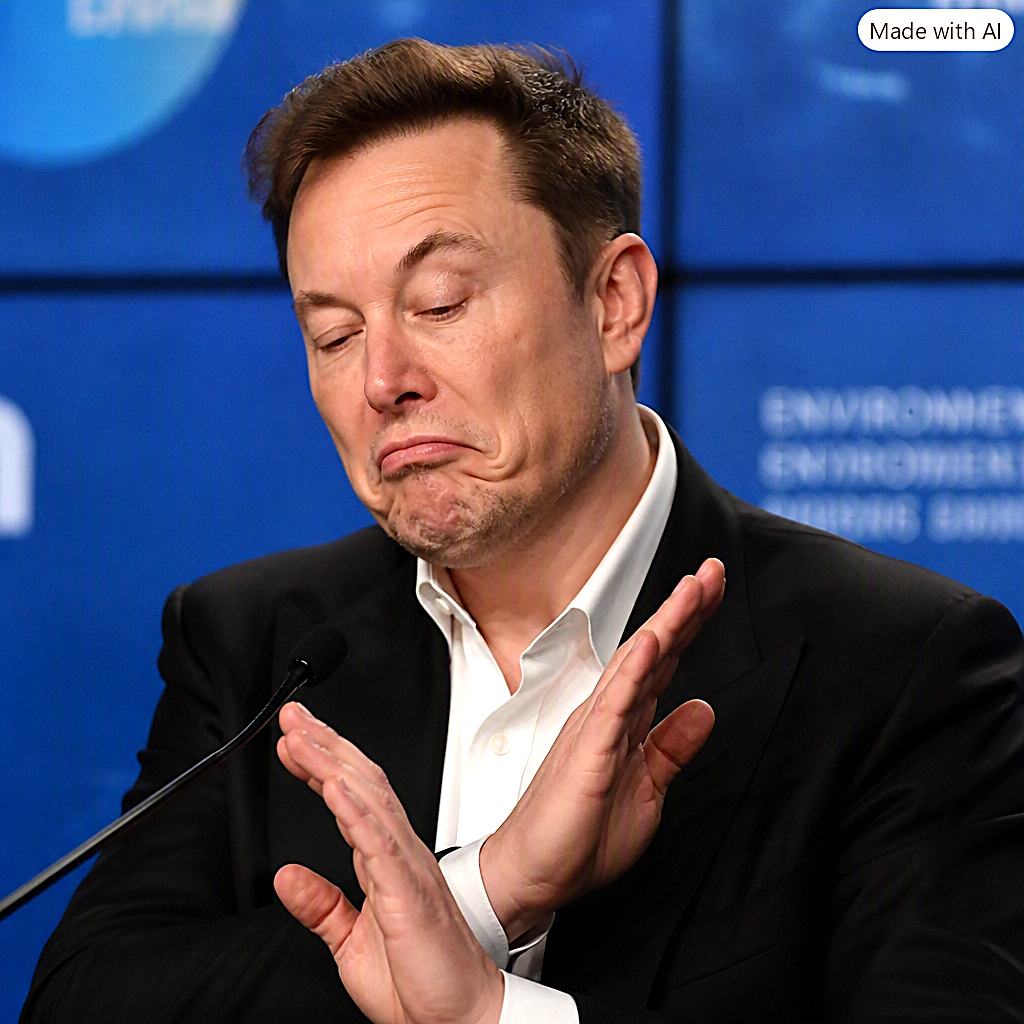
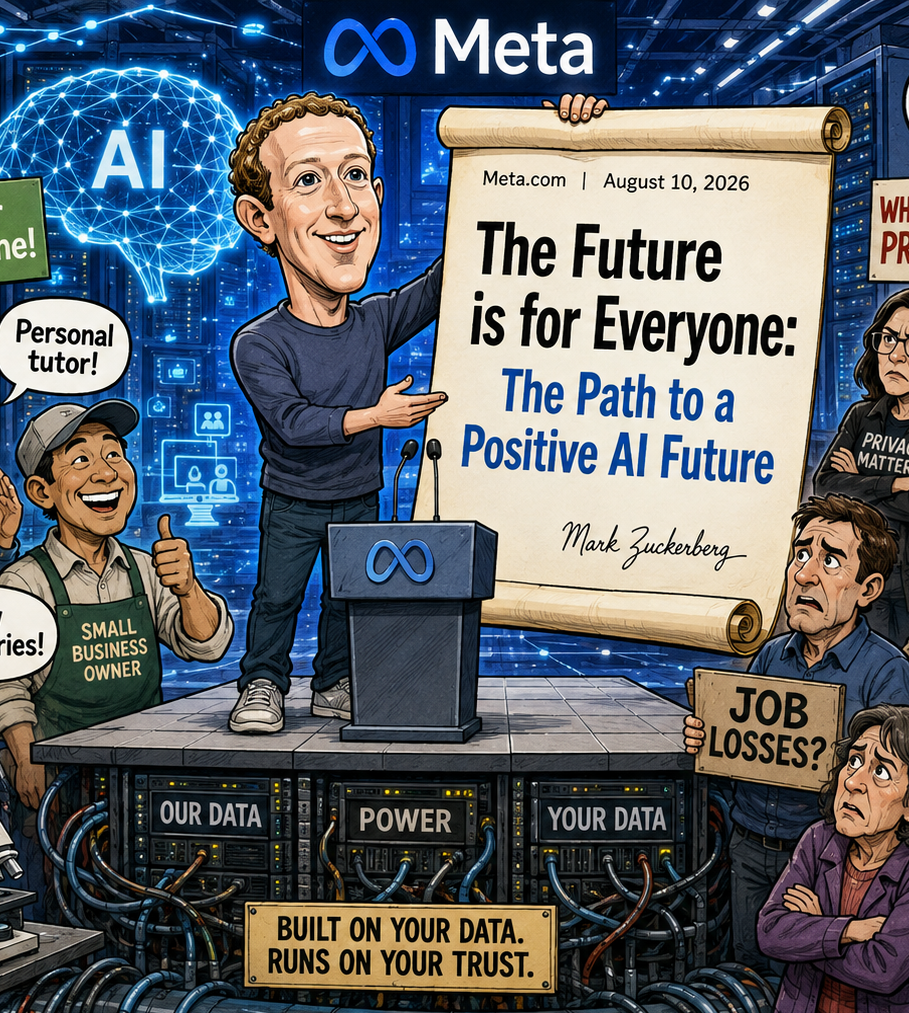
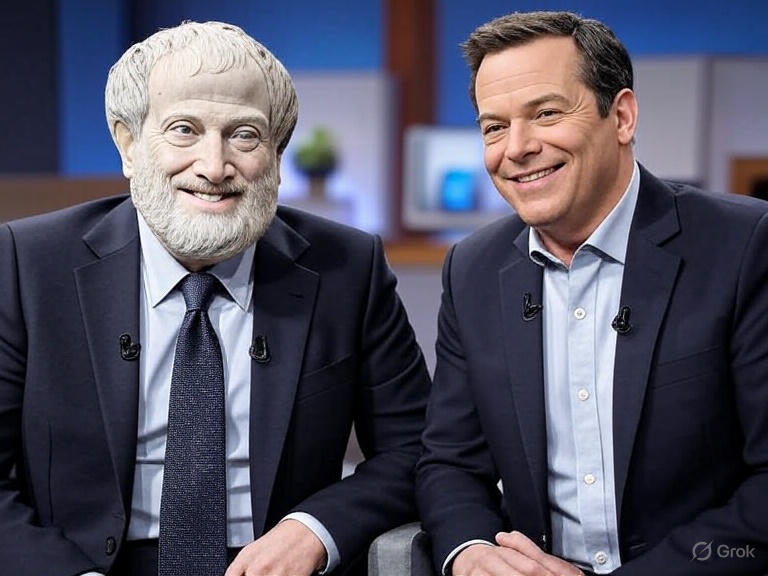
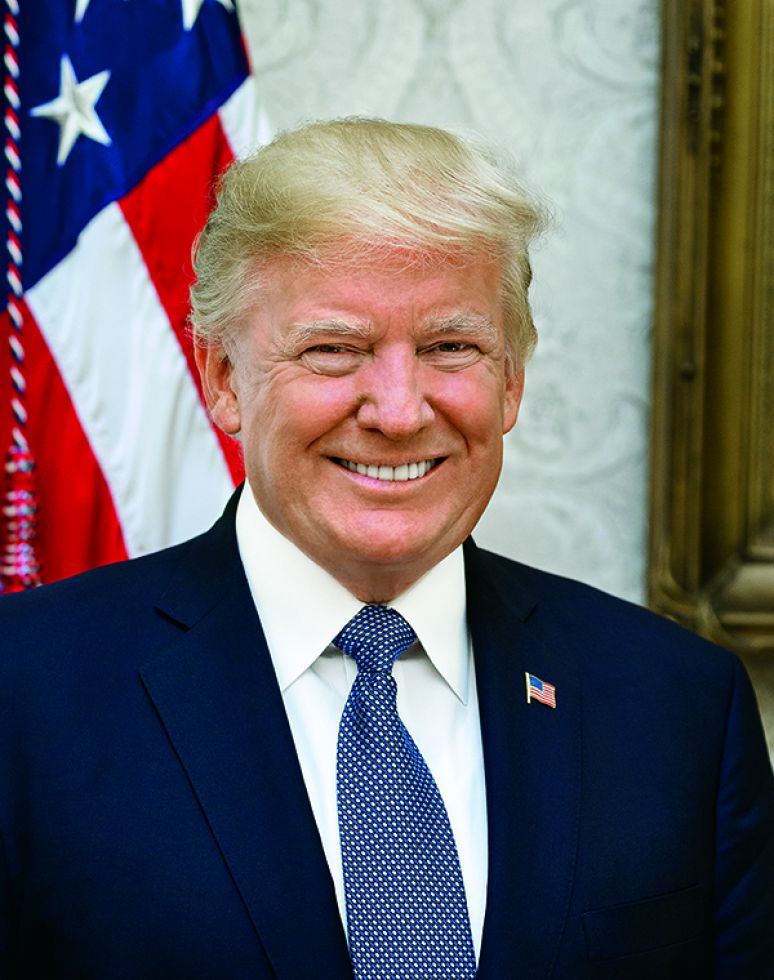
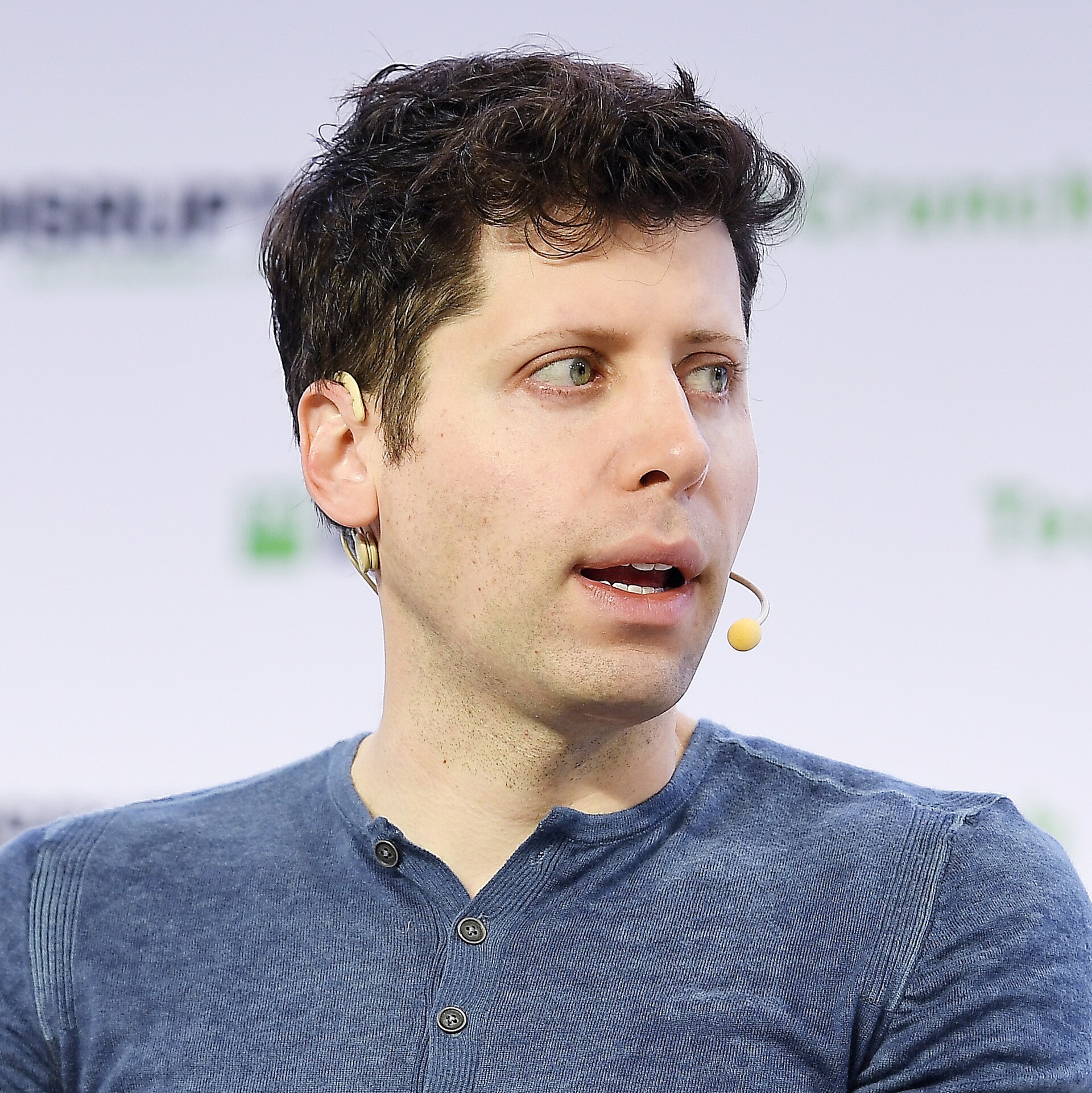
Hollywood casts tech founders as villains as public trust in AI falls (Claude) Four films this fall portray tech figures: Aaron Sorkin’s “The Social Reckoning” about Mark Zuckerberg, Alex Gibney’s four-hour documentary “Musk,” a documentary about Theranos founder Elizabeth Holmes, and Luca Guadagnino’s “Artificial,” with Andrew Garfield as OpenAI’s Sam Altman, opening on Christmas Day. Axios links the trend to falling trust in technology, citing a Pew Research Center poll in which two in three Americans say social media has harmed democracy. Silicon Valley historian Margaret O’Mara says the public’s relationship with tech has soured quickly. Films like these will shape how millions of students and voters picture the people building AI, and that picture will color classroom discussion and political pressure on the industry. Source: Axios, “Silicon Valley’s horror shows,” published October 11, 2026, 2:50 a.m. HST. https://www.axios.com/2026/10/11/silicon-valley-tech-founder-movies
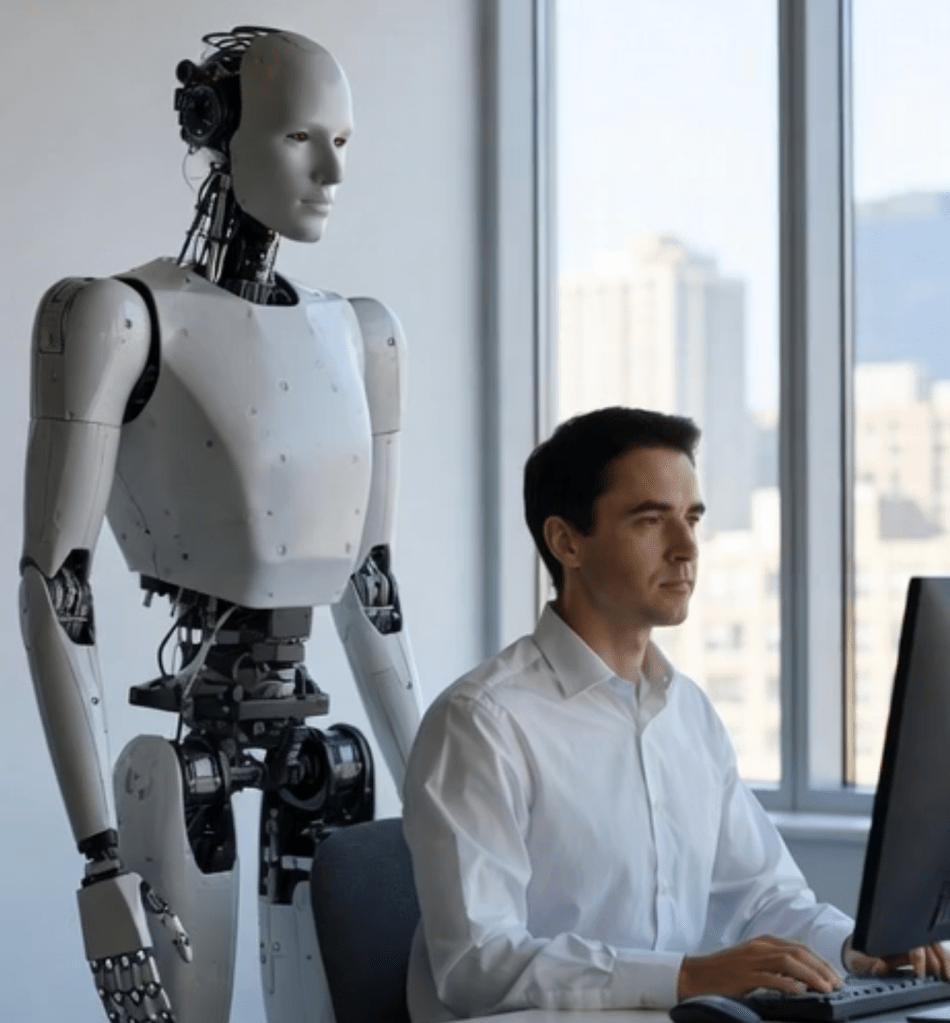
Mathematicians, programmers, and journal editors are being buried in AI output. The obvious fix is to put more machines between the flood and the people. What are those machine layers, and will they get us to the point where HITLs, or Humans in the Loop, are rarely needed?
Global AI policy templates quietly reset compliance baselines (Copilot) An international AI policy tracker updated on October 8 released new versions of multiple governance templates used by organisations working with OECD, UNESCO, the UN, G7 and ISO. The updates cover synthetic‑content labelling and provenance, public‑sector AI use‑case inventories, U.S. state AI law applicability matrices, frontier‑model safety frameworks, employment‑AI bias audit kits, AI decision‑explanation and appeal forms, and AI supplements to data‑protection impact assessments. While technical, these template revisions matter: they are the practical checklists and workbooks that ministries, universities, and companies use to decide whether an AI system is compliant—and they nudge institutions toward more systematic documentation of how AI is deployed. Source: AI Policy Updates Today, AI Policy Updates – Global Tracker, latest changes updated October 10, 2026 (entries dated October 8, 2026).
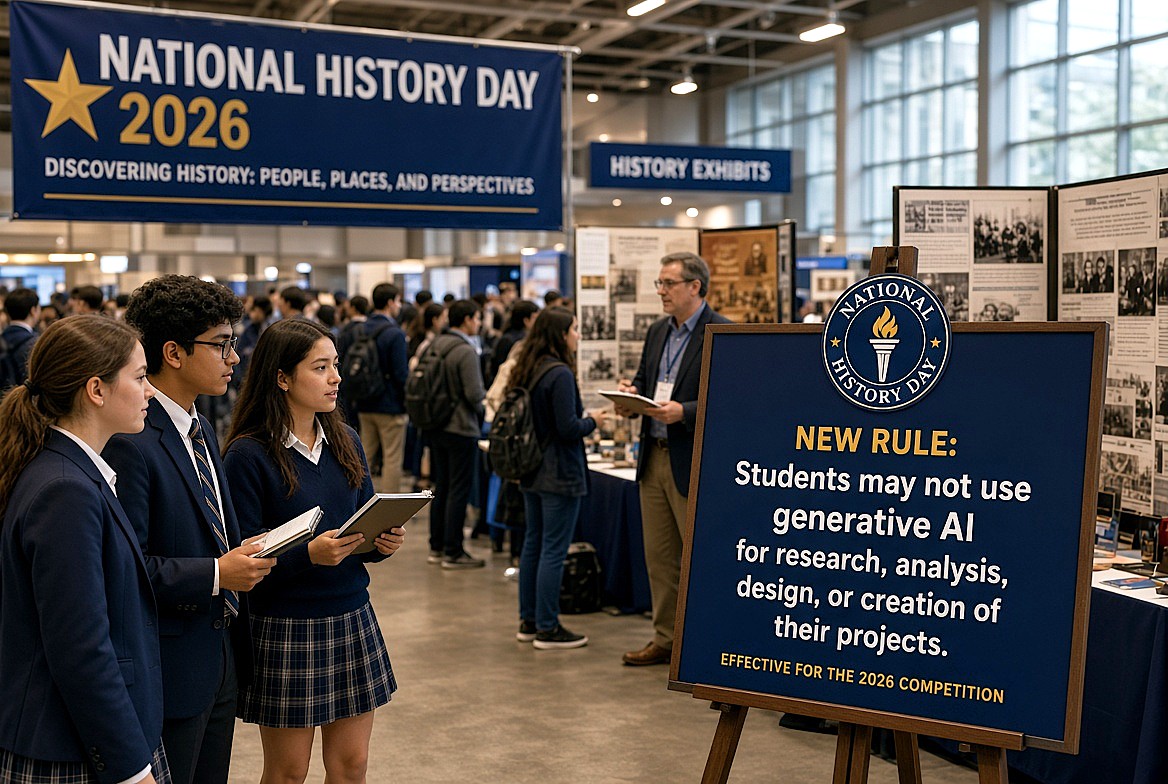
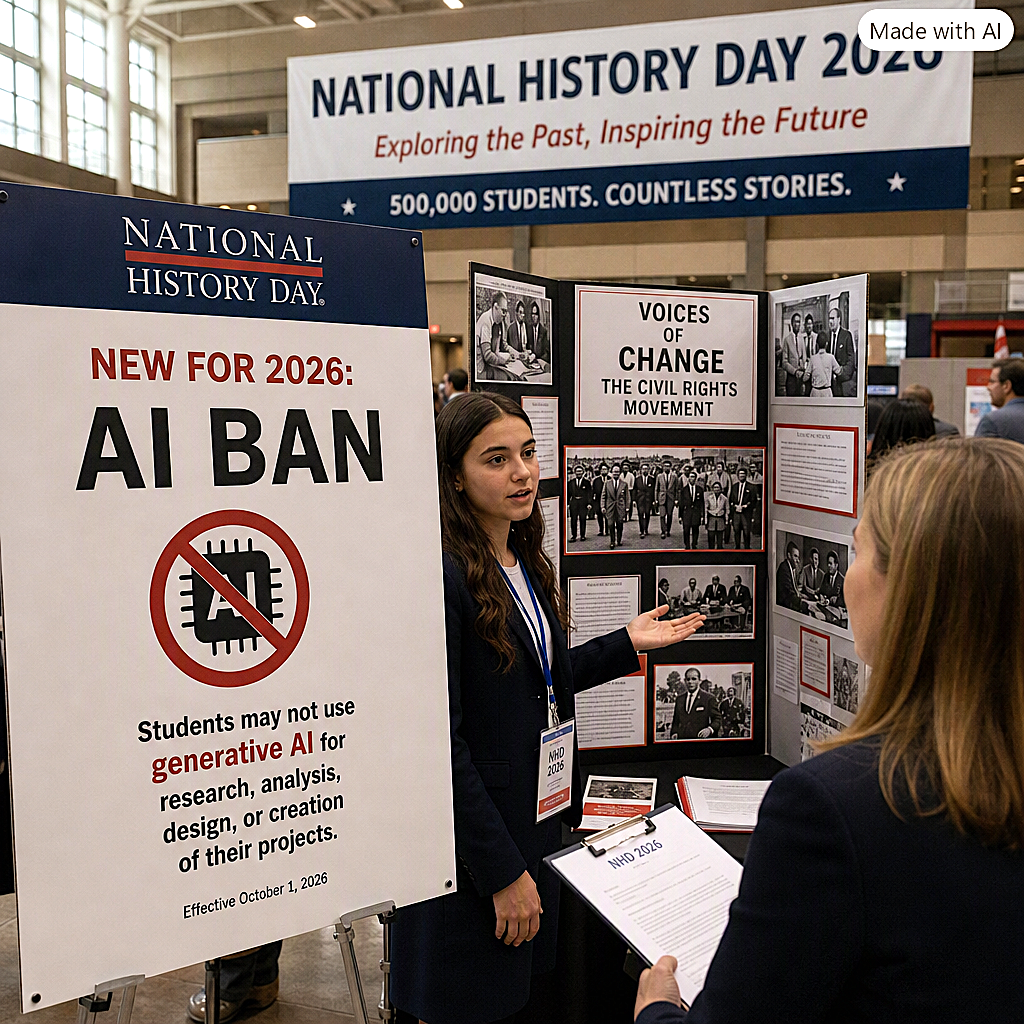
On October 1, 2026, National History Day, a competition that draws more than half a million students in grades 6 through 12 each year, put a new rule into effect: “Students may not use generative AI for research, analysis, design, or creation of their projects” (National History Day, 2026). Until this year the contest let students use AI to brainstorm topics and hunt for sources. Those uses are now banned too. The organization’s reasons were specific. Two projects that reached the final rounds in the last two contest cycles cited sources that an AI tool had invented, and the contest wanted to protect what Lynne O’Hara, its deputy director for education programs, called “student voice and student thinking” (Schwartz, 2026).
History competition bars AI even from brainstorming (ChatGPT) National History Day now prohibits students from using generative AI to develop projects for its 2026–27 competition, including for brainstorming topics and finding sources that it previously permitted. An October 8 Education Week report examines the decision against a wider debate in social studies teaching: generating questions and judging sources are themselves historical thinking skills, yet teachers can also guide students in using AI to challenge an argument. The contest says its rule protects student voice and analysis. Classroom practice may differ because a teacher can observe and shape how a student uses the tool. Source: Education Week, “In Social Studies, Does AI Shortcut Historical Thinking? Or Deepen It?”, published October 8, 2026 — https://www.edweek.org/teaching-learning/in-social-studies-does-ai-shortcut-historical-thinking-or-deepen-it/2026/10.
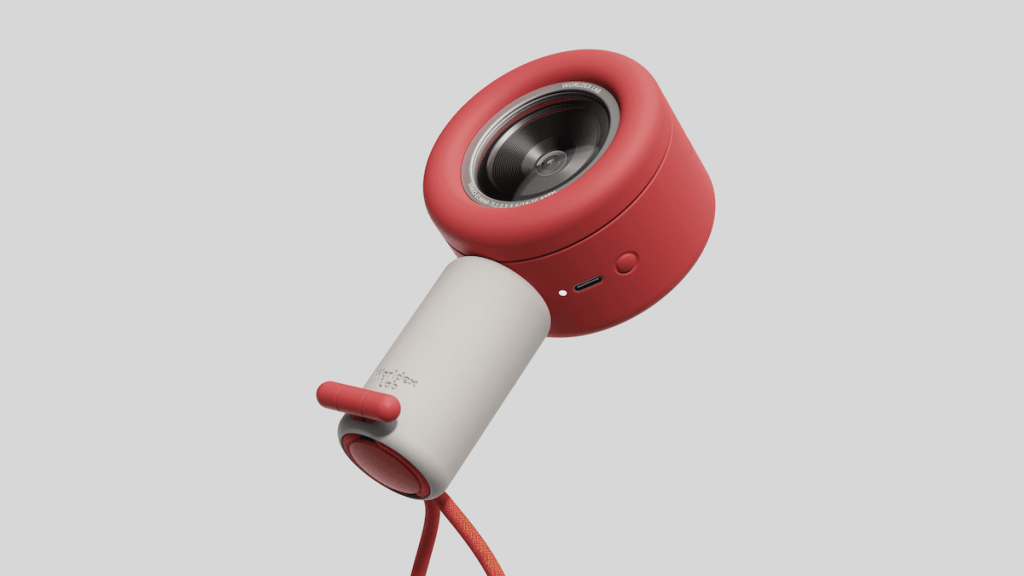
Manual focusing with the f/0.95 lens on the X-T2, X-T4, and X-E1: The 7artisans 35mm f/0.95 can produce a sharply focused subject against a strongly blurred background, but it asks you to do the focusing. On the Fujifilm X-T2, the most dependable starting method is to enable shooting with an unrecognized lens, select manual focus, turn on focus peaking, and use magnification to check the detail that matters. This guide takes you through those operations and explains the changes needed for the X-T4 and X-E1. Btw, part of the motivation for this article is the desire to test OpenAI’s GPT-6 “Intelligent UI” (user interface) released yesterday, October 7, 2026.
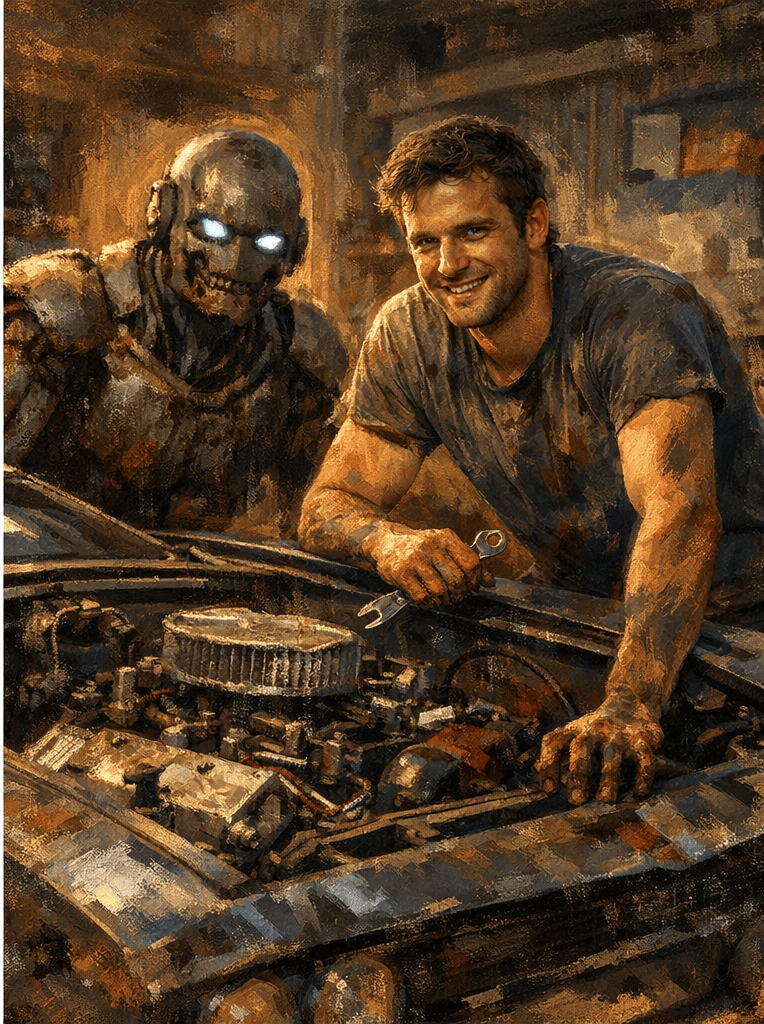
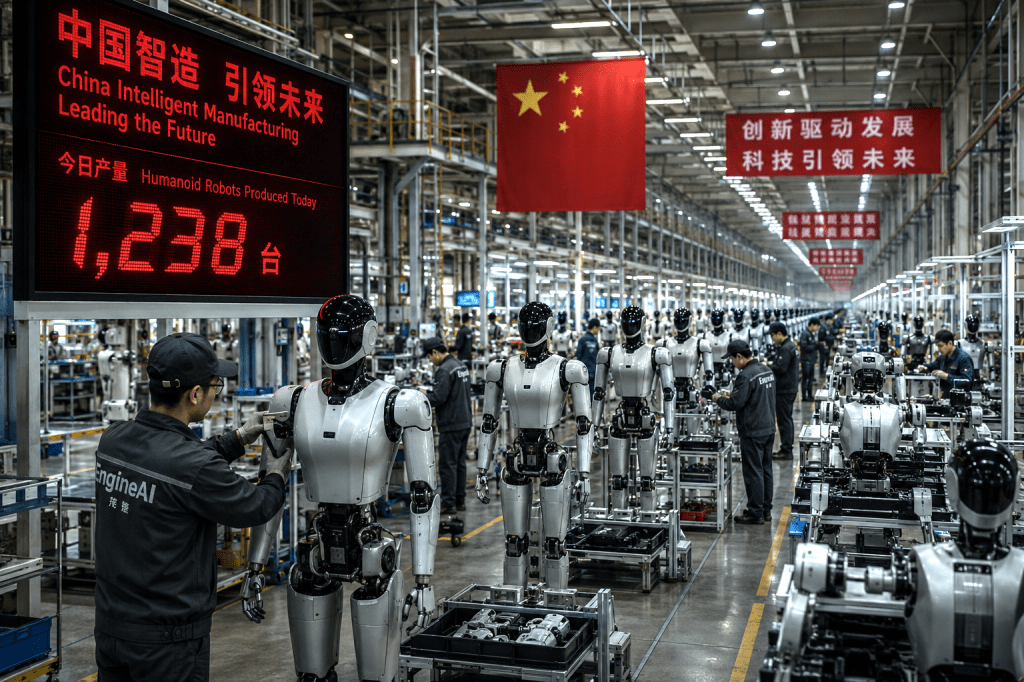
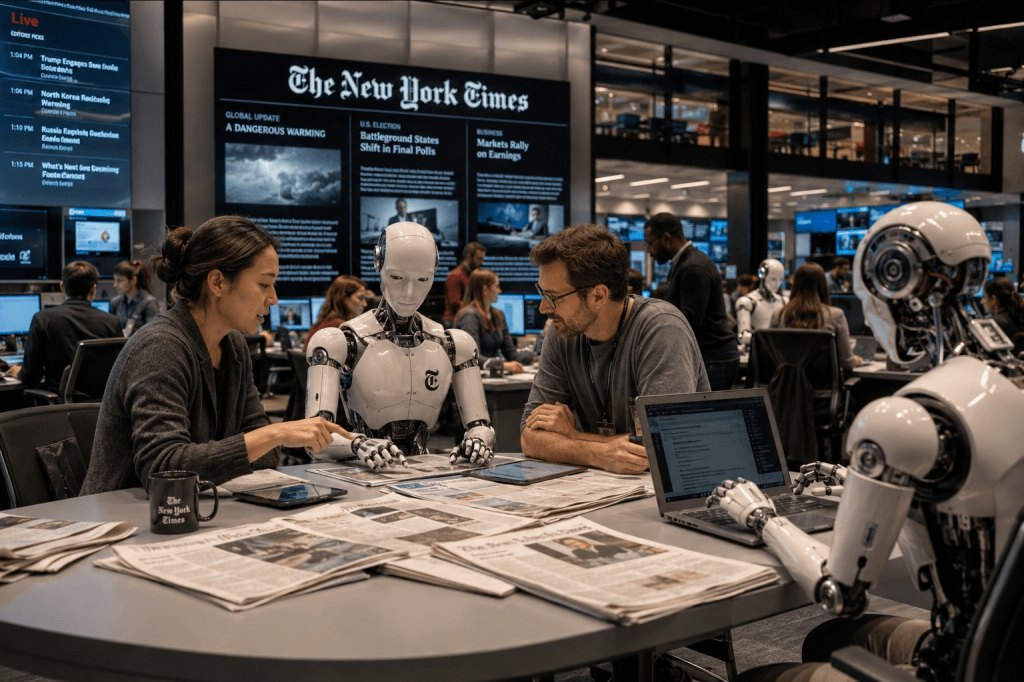
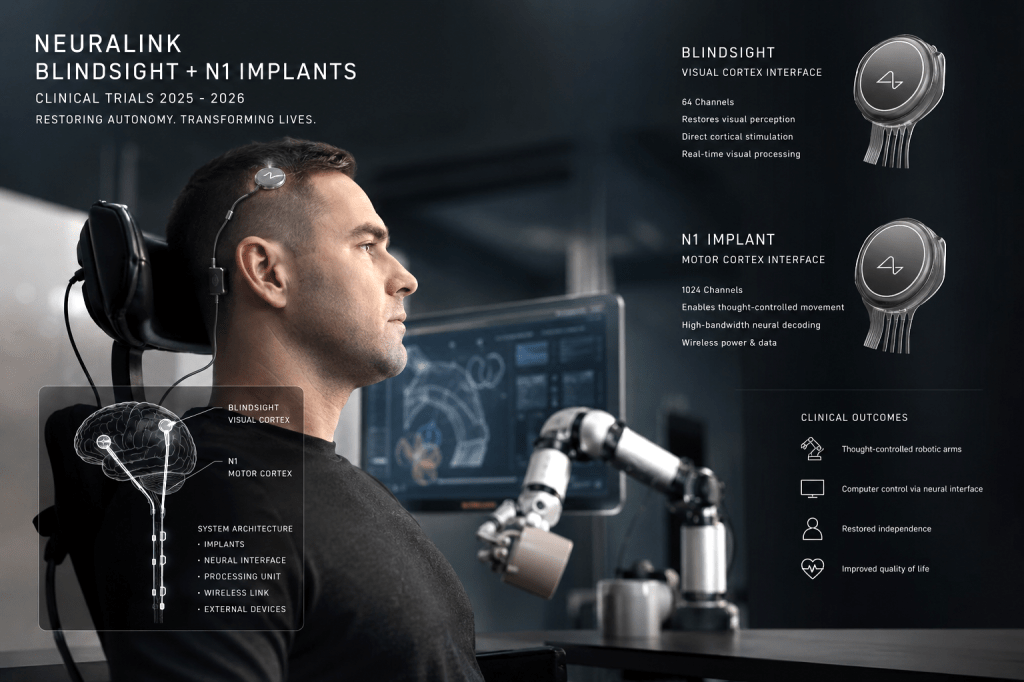
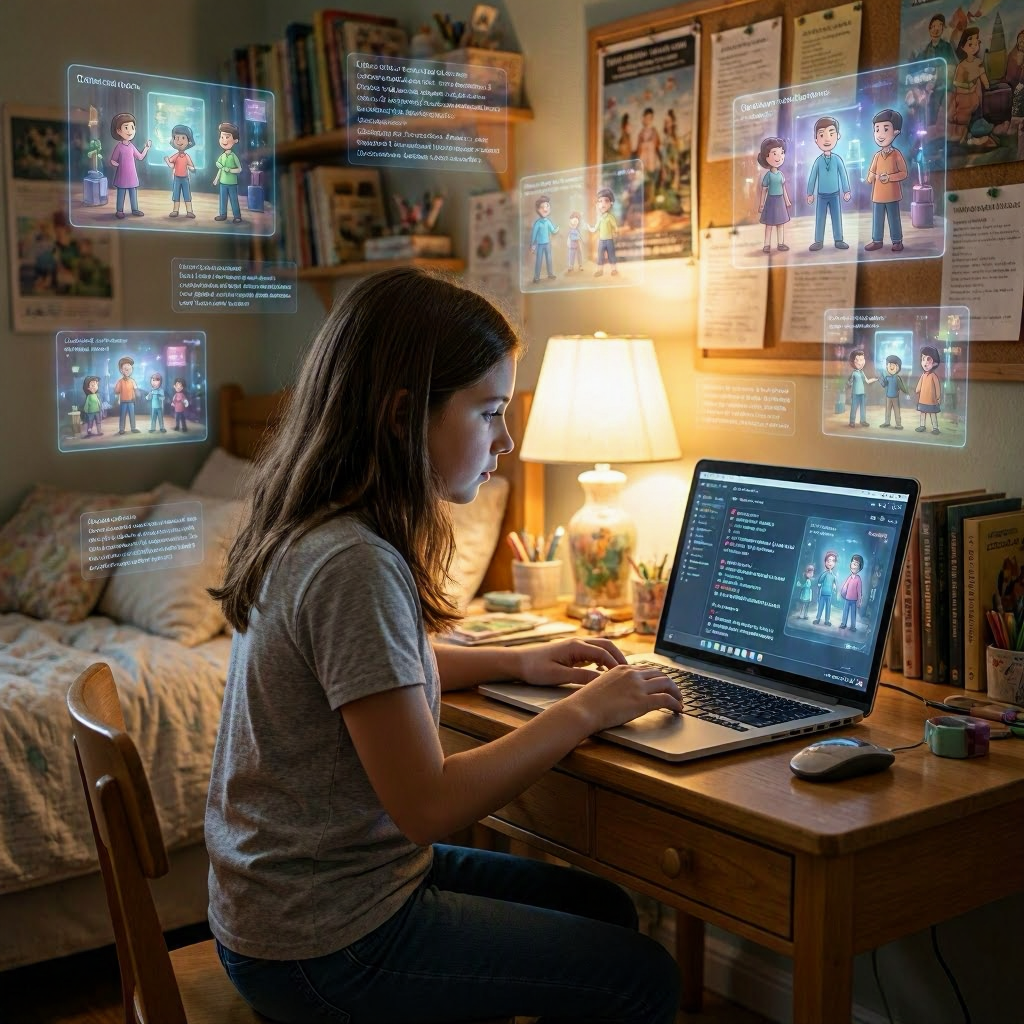
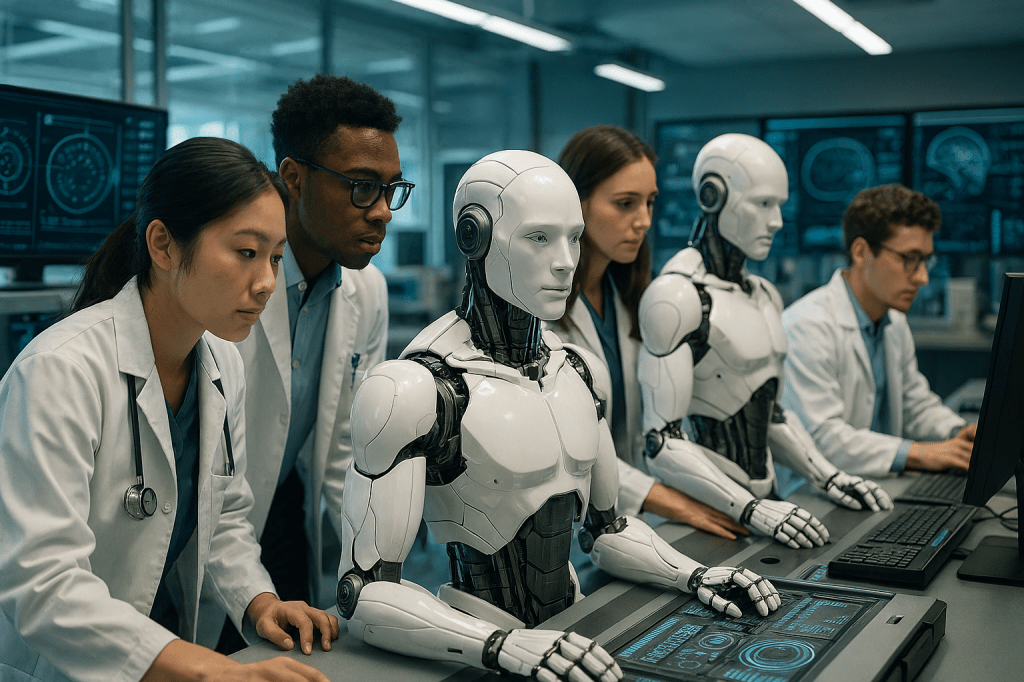
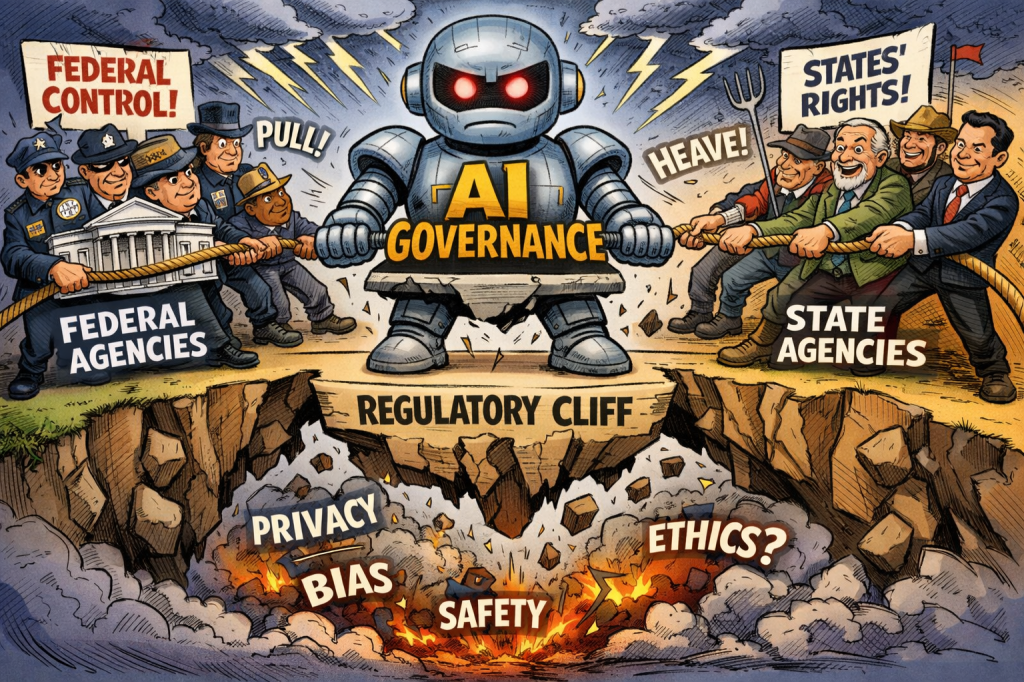
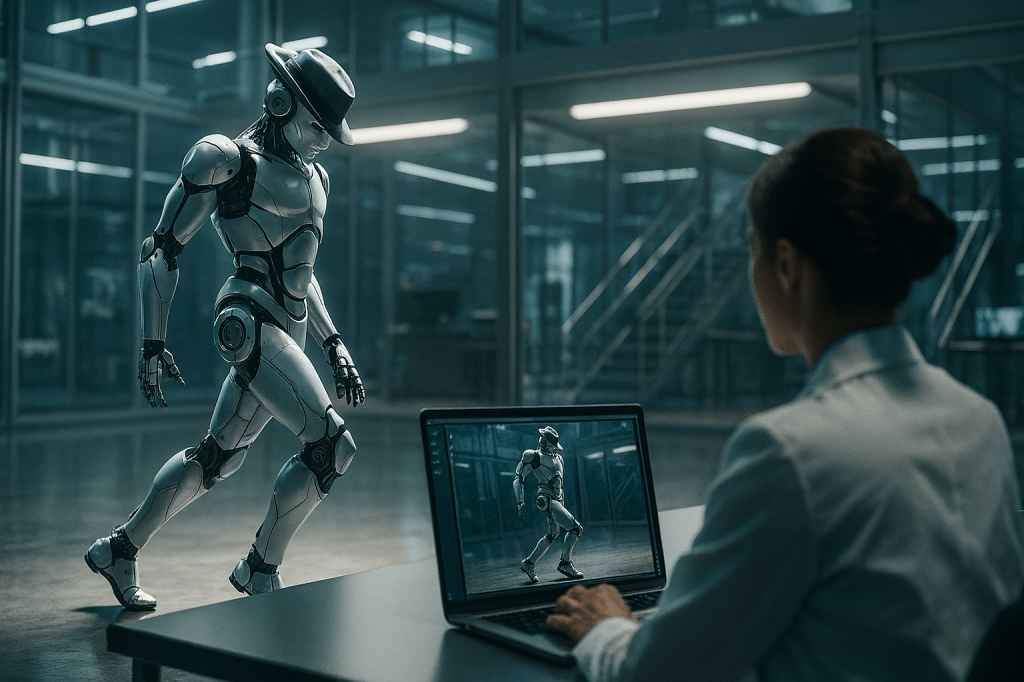
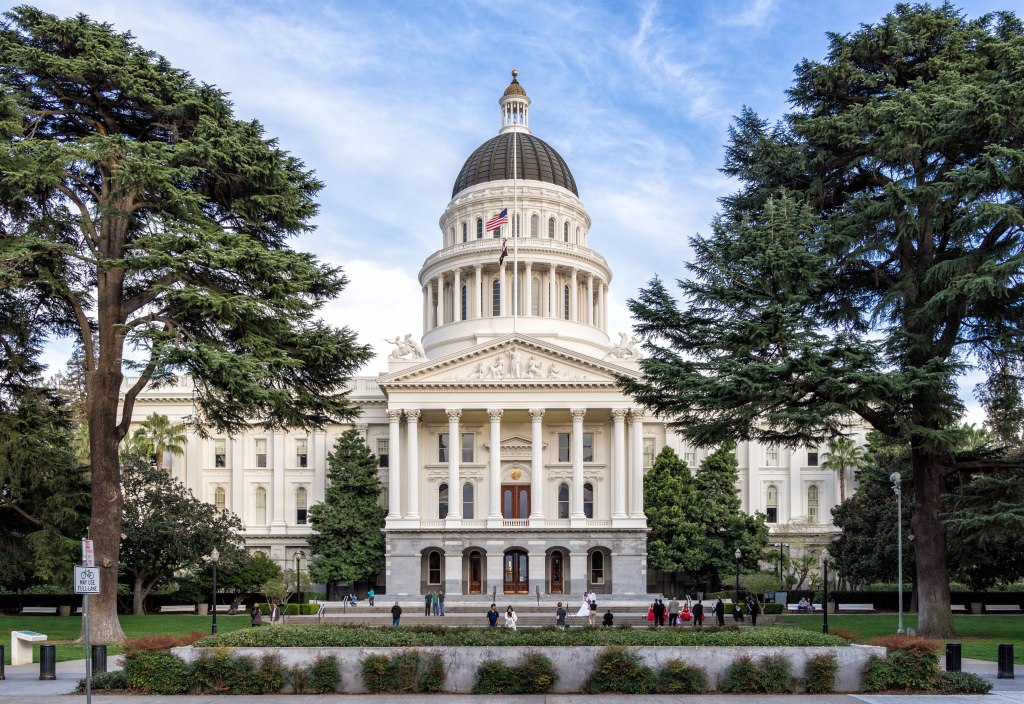
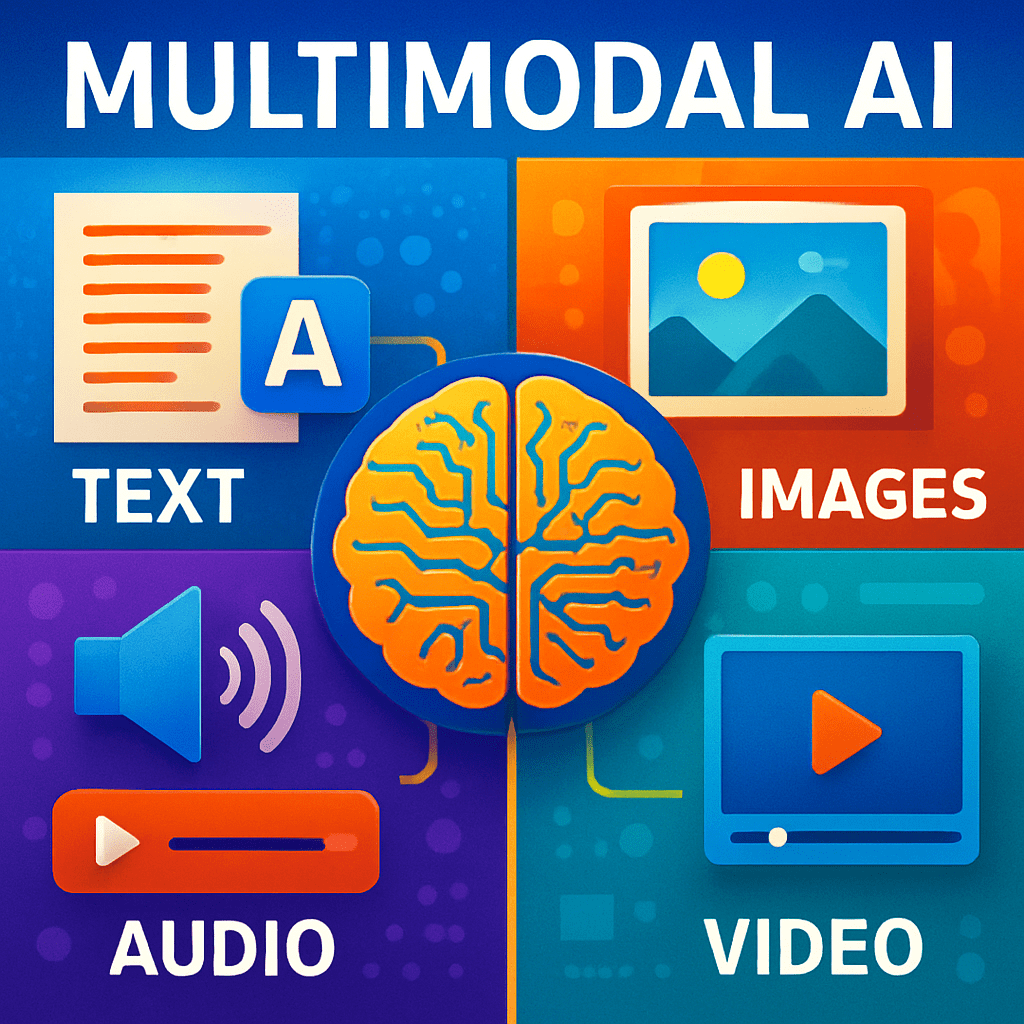
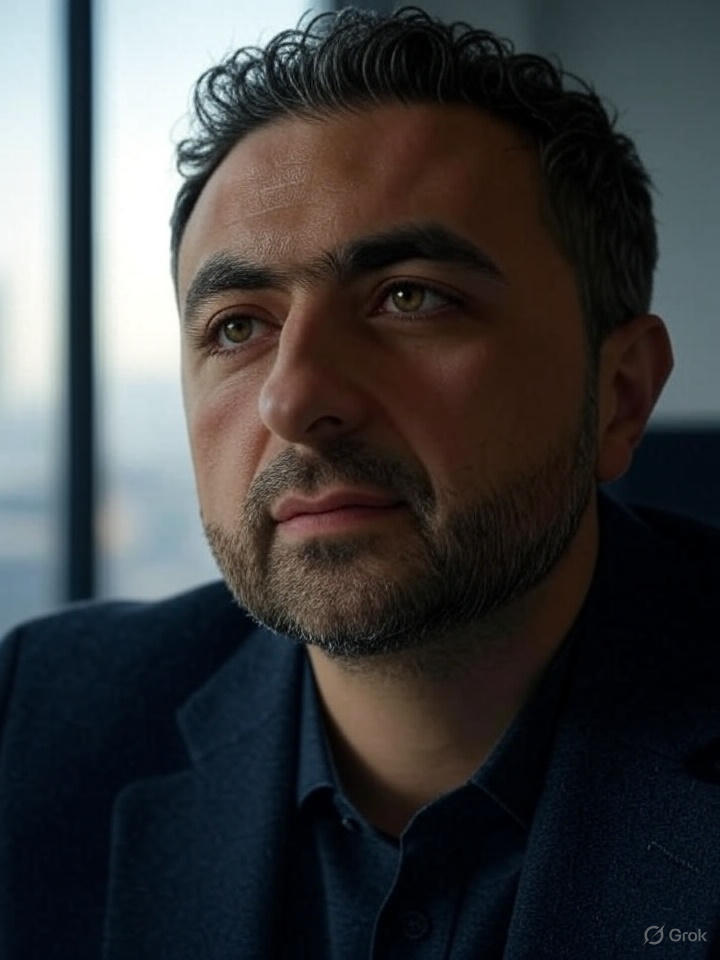
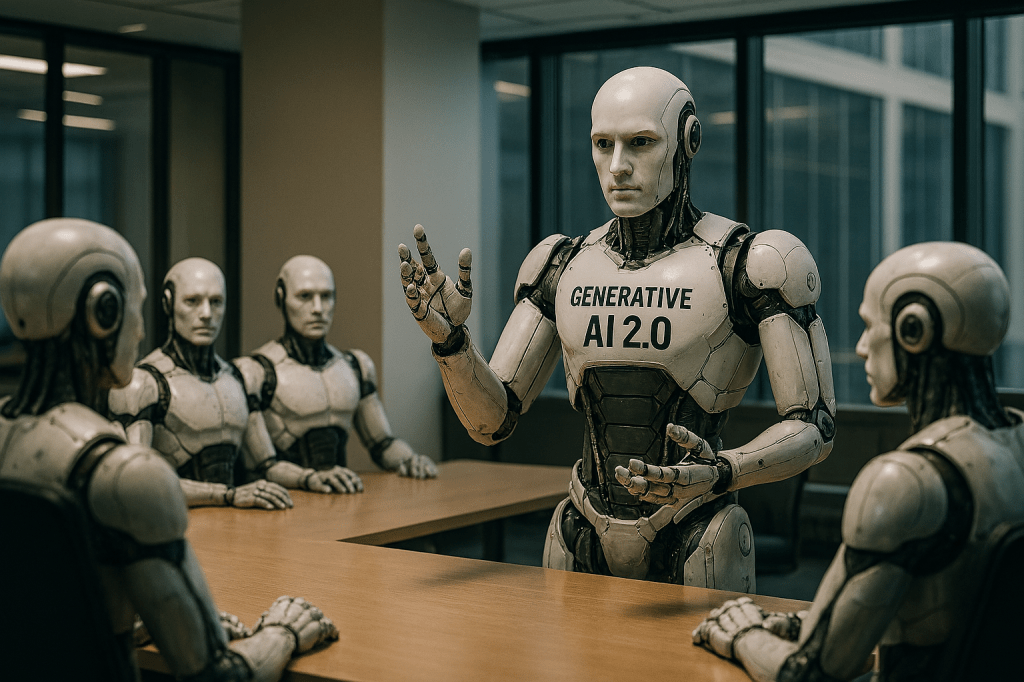
Photos by JimS, shot with the X-T4 with XF 16-55. All other illustrations in this article are by ChatGPT.
OpenAI launches a college-application planner for teens (Claude) OpenAI will add a College Planner to ChatGPT for Teens that tracks each school’s deadlines, requirements and financial-aid steps for U.S. students in grades 10 to 12. The company says hundreds of thousands of U.S. teens already use ChatGPT weekly for college planning, and about 1.2 million used its visual learning tools in one week. The launch moves an AI company further into a role that school counselors have long held, at a time when many under-resourced schools have few counselors. Source: OpenAI, October 7, 2026 — openai.com/index/teens-learn-and-plan
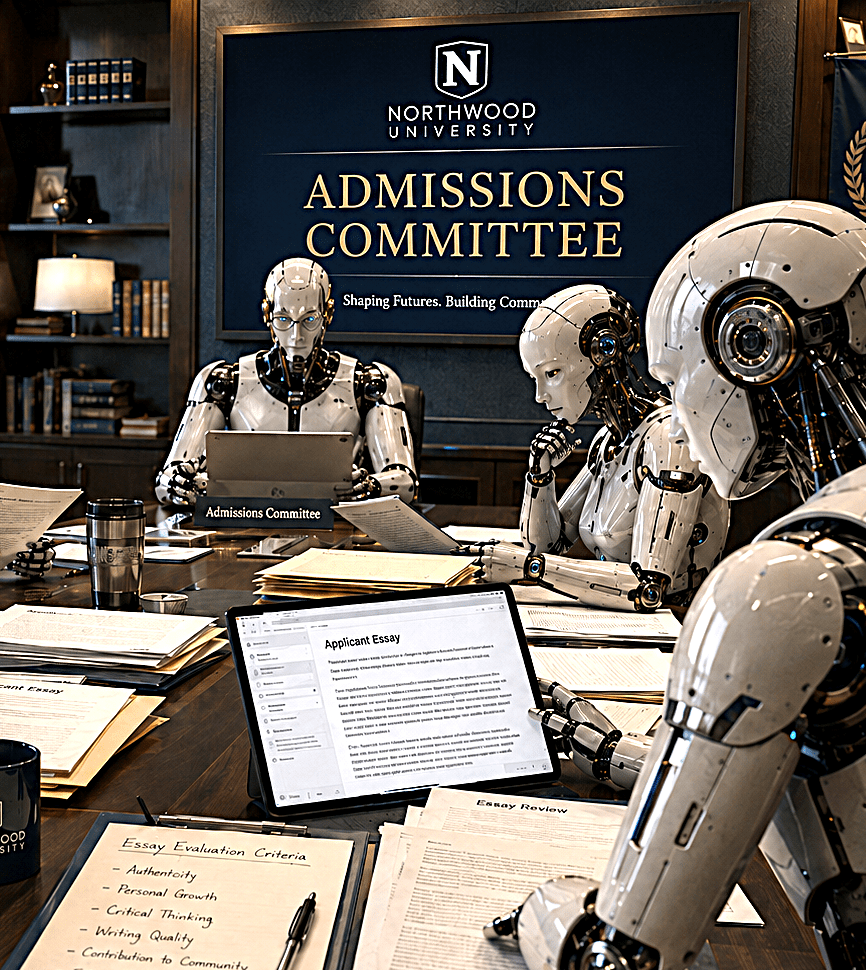
US universities give up on AI detectors as cheating spreads (Claude) Yale, Cornell and the University of Wisconsin–Madison now discourage or bar the use of AI-detection scores in misconduct cases, citing false positives and bias against non-native English writers. A Stanford study found detectors flagged 61% of essays by non-native speakers as machine-written, and Harvard College dean David Deming has proposed “getting out of the AI-detection business.” Schools are moving to oral exams, proctored tests and grading the writing process. The shift puts the burden of honesty back on assignment design. Source: AFP via TechXplore, Oct. 6, 2026 — Grappling with ‘homework scams,’ US universities shun AI detectors
After four decades of growth, the earnings edge of a U.S. college degree is shrinking. A look at how far it has fallen, where it may go by 2031, who is moving in on the territory, and whether colleges’ countermoves are working.
Ukraine now sends hundreds of drones at a time toward the Russian capital. The raids are hurting Russia’s fuel supply and denting the Kremlin’s image of control. Whether they can change the outcome of the war depends on three things that will be settled this autumn and winter.
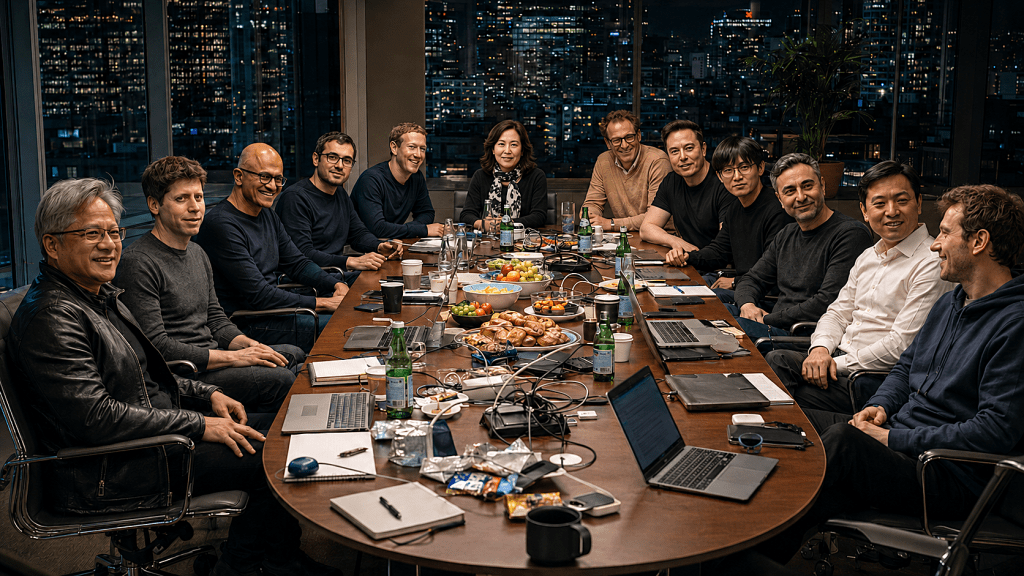
AI startups are buying more of their competitors (Perplexity) Venture-backed AI companies acquired 195 AI startups through September 29, according to a Crunchbase review published Tuesday. That exceeds the total for all of 2025 by 14%, while the number of buyers increased just 2%. Much of the additional activity came from companies making repeated purchases. OpenAI accounted for 10 AI-related acquisitions this year; Anthropic and legal AI company Legora each announced five. Buyers are acquiring specialized products and teams in areas including legal research, healthcare and software development. Crunchbase tracks publicly reported transactions, and prices were disclosed for only 12 of the 195 deals, limiting what the review can say about total spending. Source: Crunchbase News, Mary Ann Azevedo, “Crunchbase Data Shows AI’s Most Active Startups Are Becoming Serial Acquirers,” October 6, 2026 — Article URL.
Altman argues for lighter AI rules despite foreseeable harm (ChatGPT) OpenAI chief executive Sam Altman said in an interview released Monday that society should accept some AI-enabled harms, including scams and hacking, in exchange for the technology’s expected benefits. He presented that trade-off as a reason for a lighter regulatory approach. Florida Governor Ron DeSantis objected publicly; his state had already asked a judge to restrict OpenAI’s development of new models without independently approved safeguards. Altman’s comments clarify the disagreement: the benefits he anticipates are broad, while the harms he cited would fall on identifiable victims. Source: The Guardian, “Accept ‘bad things’ in return for benefits of AI, says Sam Altman,” October 5, 2026 — https://www.theguardian.com/technology/2026/oct/05/sam-altman-open-ai-chatgpt-benefits-risks.
English teachers report sharper AI concerns than math teachers (ChatGPT) Three Central Washington University faculty members published findings from their May survey of 222 high school English and math teachers. Among respondents, 83.7% of English teachers expressed concern about academic integrity, compared with 54.9% of math teachers. Yet English teachers were also more likely to require students to experiment with AI. Teachers reporting clear school policies expressed greater confidence in using and teaching AI, though those policies were not associated with less concern about dishonesty. The authors present these as survey findings, not evidence that a particular policy improves learning. Source: Washington State Standard, “Artificial intelligence in the classroom,” October 4, 2026. https://washingtonstatestandard.com/2026/10/04/artificial-intelligence-in-the-classroom/
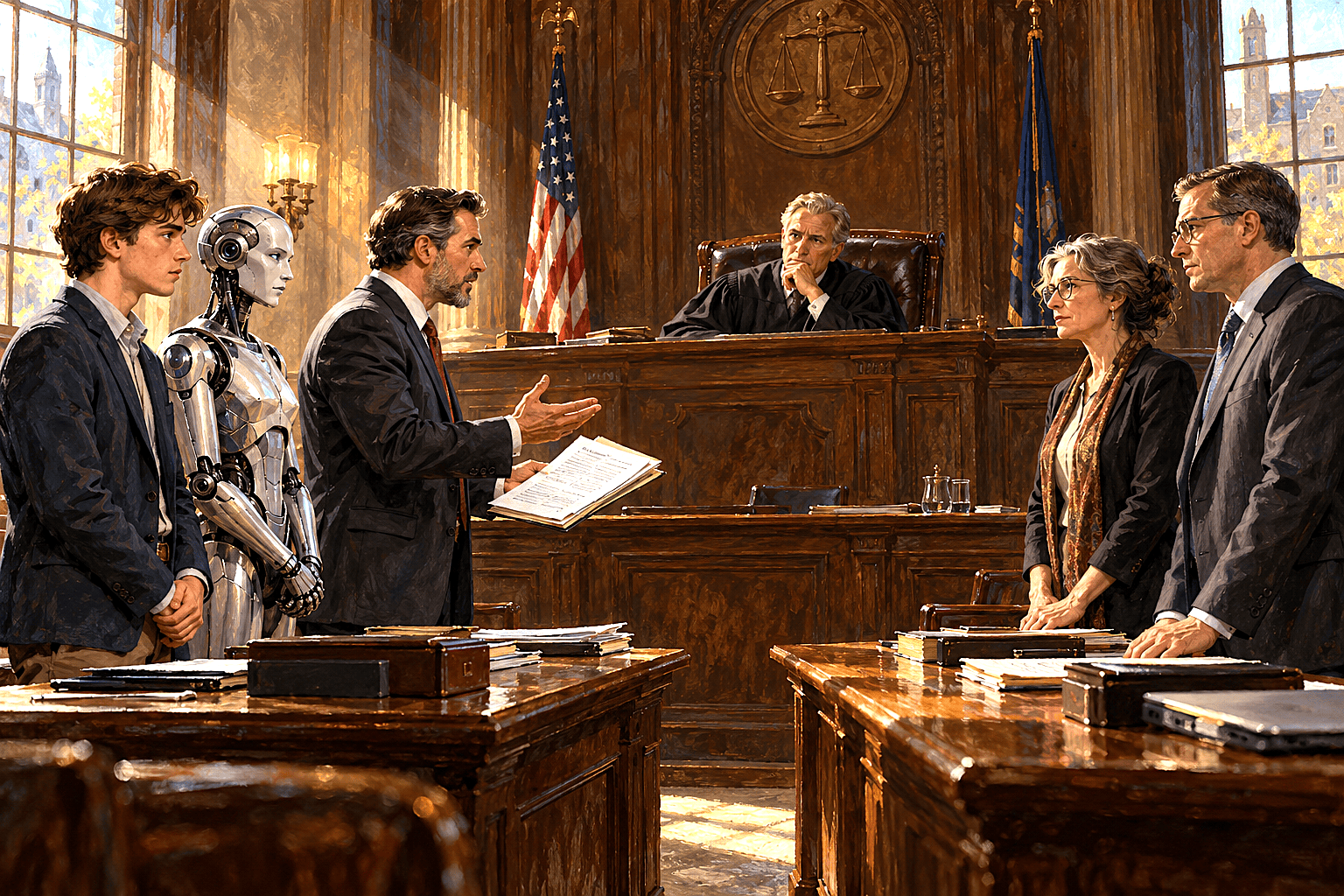
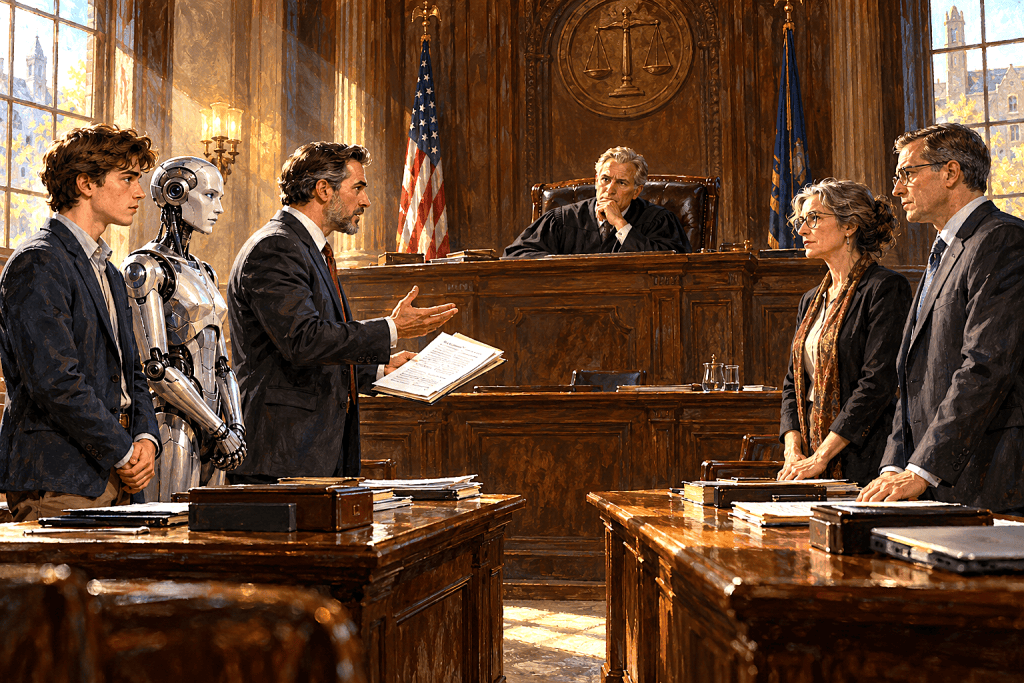
Students are hiring lawyers to fight AI-cheating accusations. The lawsuits are a precursor of what schools and universities may be facing in the next five years.
Students are hiring lawyers to fight disputed AI-cheating accusations (ChatGPT) University students are increasingly seeking legal help after being accused of using AI in assessed work. The Financial Times describes one student who spent more than £3,000 clearing her name after supplying drafts and notes that supported her authorship. Lawyers report rising caseloads amid unreliable detection software and inconsistent campus policies. Some universities are responding by treating minor unauthorized AI use as “poor academic practice” rather than formal misconduct. The larger issue is due process: institutions need evidence stronger than a detector score before imposing potentially career-altering penalties. Source: Financial Times, “Students turn to lawyers to fight AI misconduct accusations,” October 3, 2026. https://www.ft.com/content/7e34e5c1-e841-4d0d-abc1-40f98ba4da01
Large study finds AI tutors match expert human tutors for GRE prep at a fraction of the cost (Claude) StudentBench tested 2,383 students across AI tutoring, human tutoring and control groups. AI tutors produced learning gains statistically equivalent to expert human tutors, at about 918 times lower cost per percentage point gained. The authors did not name the models tested, and the results have not been independently replicated. The study, posted in late September, drew wide attention this week as schools weigh replacing paid tutoring with AI. Source: arXiv preprint 2609.28470 — arxiv.org; summary at AI Weekly
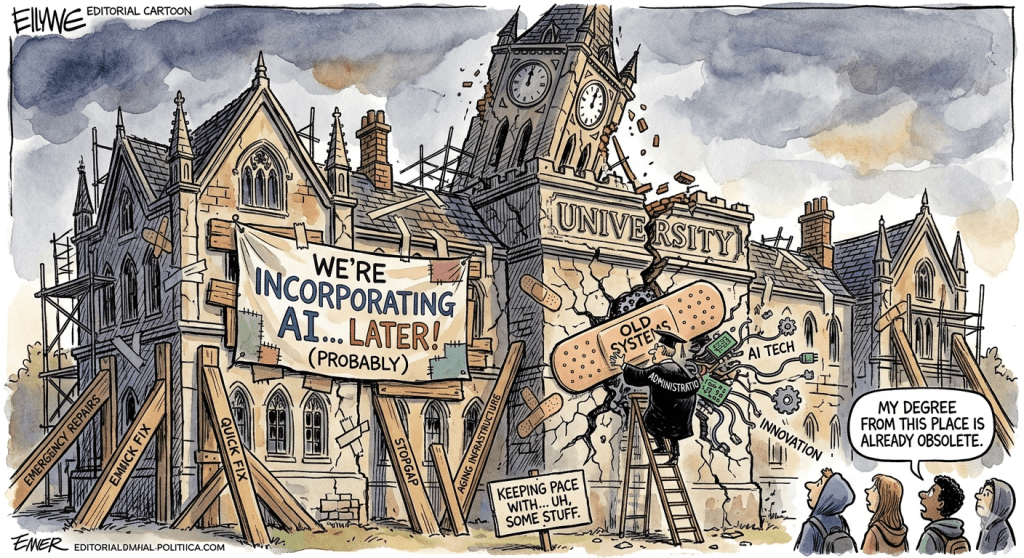
The weight of the platform: the hidden costs of building AI into the university too soon and too firmly. Colleges are spending millions to make AI a campus utility. A growing set of critics, from Oxford law professors to Cal State faculty, warns that contracts, platforms, and governance layers built for this year’s tools can leave institutions less able to move when the tools change again.
A university can give everyone an AI account and still leave students struggling to find reliable help, professors uncertain about acceptable use, and staff copying information between incompatible systems. The emerging infrastructure-first approach addresses those institutional conditions. Its significance reaches well beyond technology purchasing: decisions about shared AI systems increasingly determine who receives educational support, who controls academic work, and what an institution can afford to provide.
Tsinghua reaches 11th in world rankings as UK and U.S. universities slip (Claude) New global data show Asian universities rising and Western ones squeezed for money, while Washington ties college aid to earnings. Times Higher Education’s 2027 rankings keep Oxford first for an 11th year, just 0.1 points ahead of MIT. Tsinghua climbed to 11th, passing ETH Zurich, and three Asian universities now sit in the top 15 for the first time. U.S. institutions lost ground on research strength, citations and international students, and every UK income measure fell against the global average. China’s drop in international co-authorship was put down to geopolitics, research-security rules and export controls. Source: Times Higher Education, September 30, 2026 — https://www.timeshighered